Boards Matched to Yours
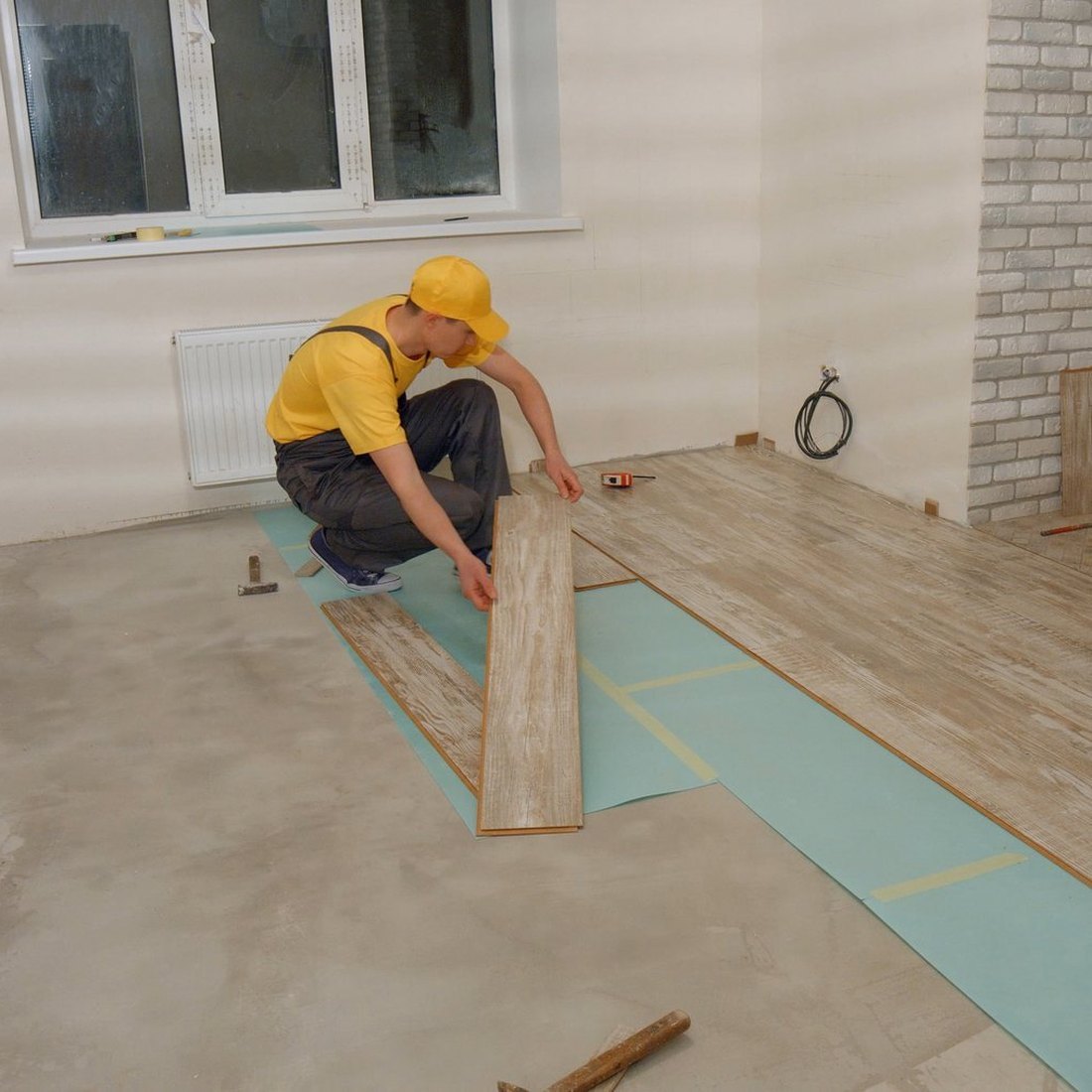
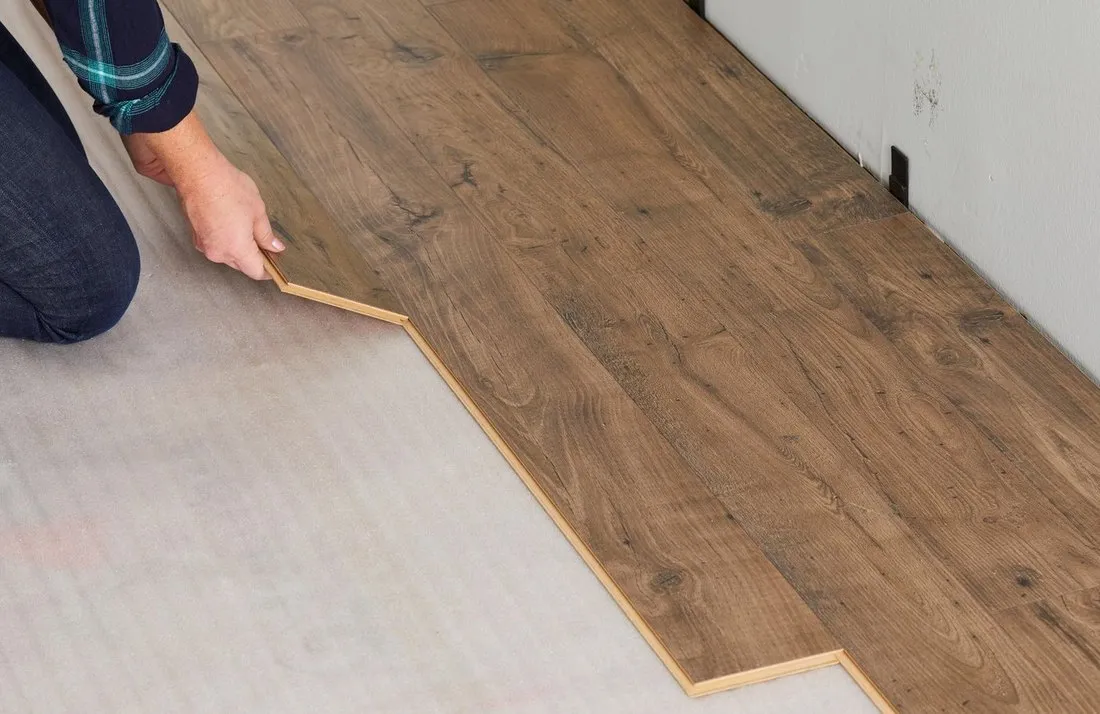
Match the replacement wood to the old floor’s width, milling and thickness. Compare it with sound boards and check how the finish will meet.



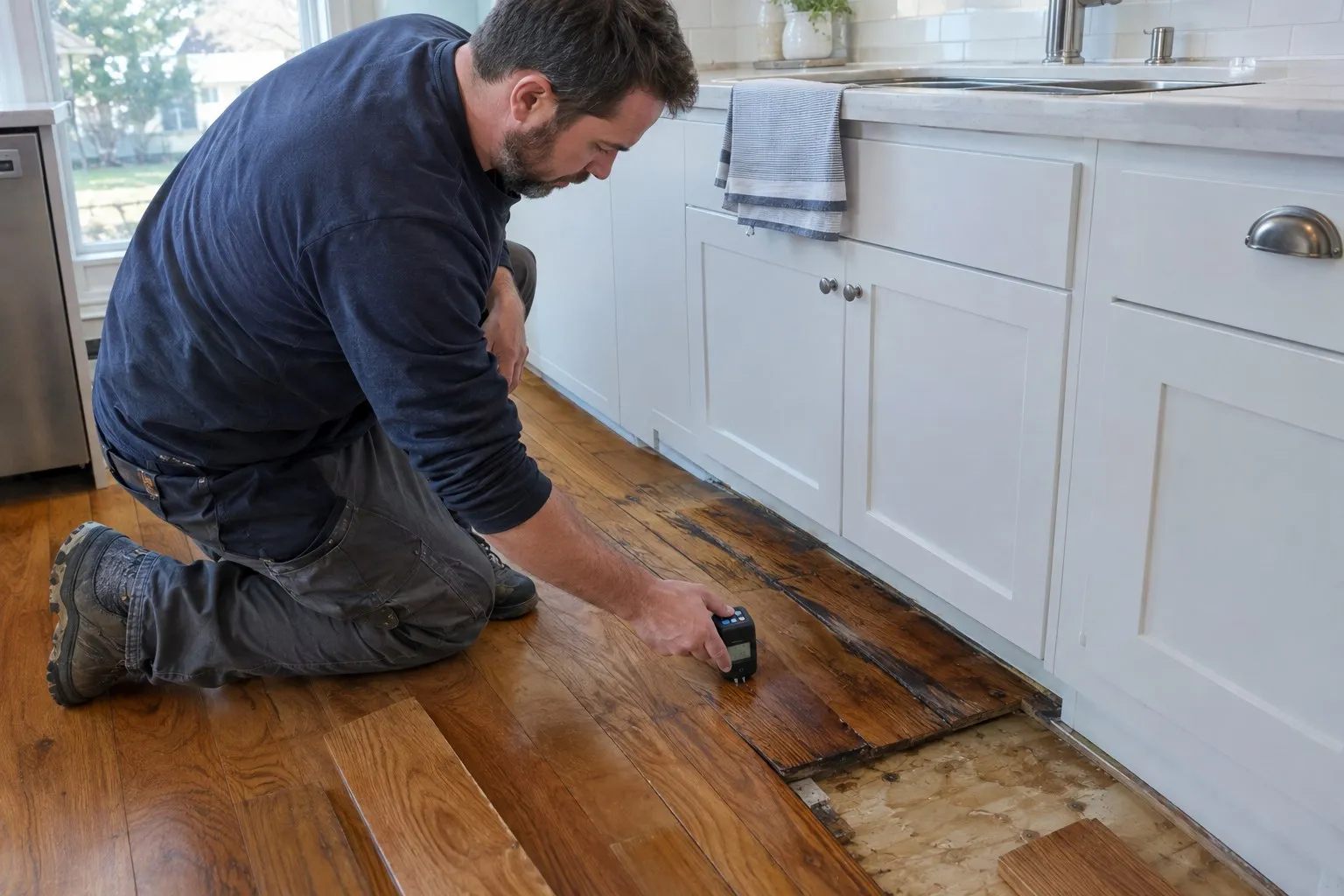
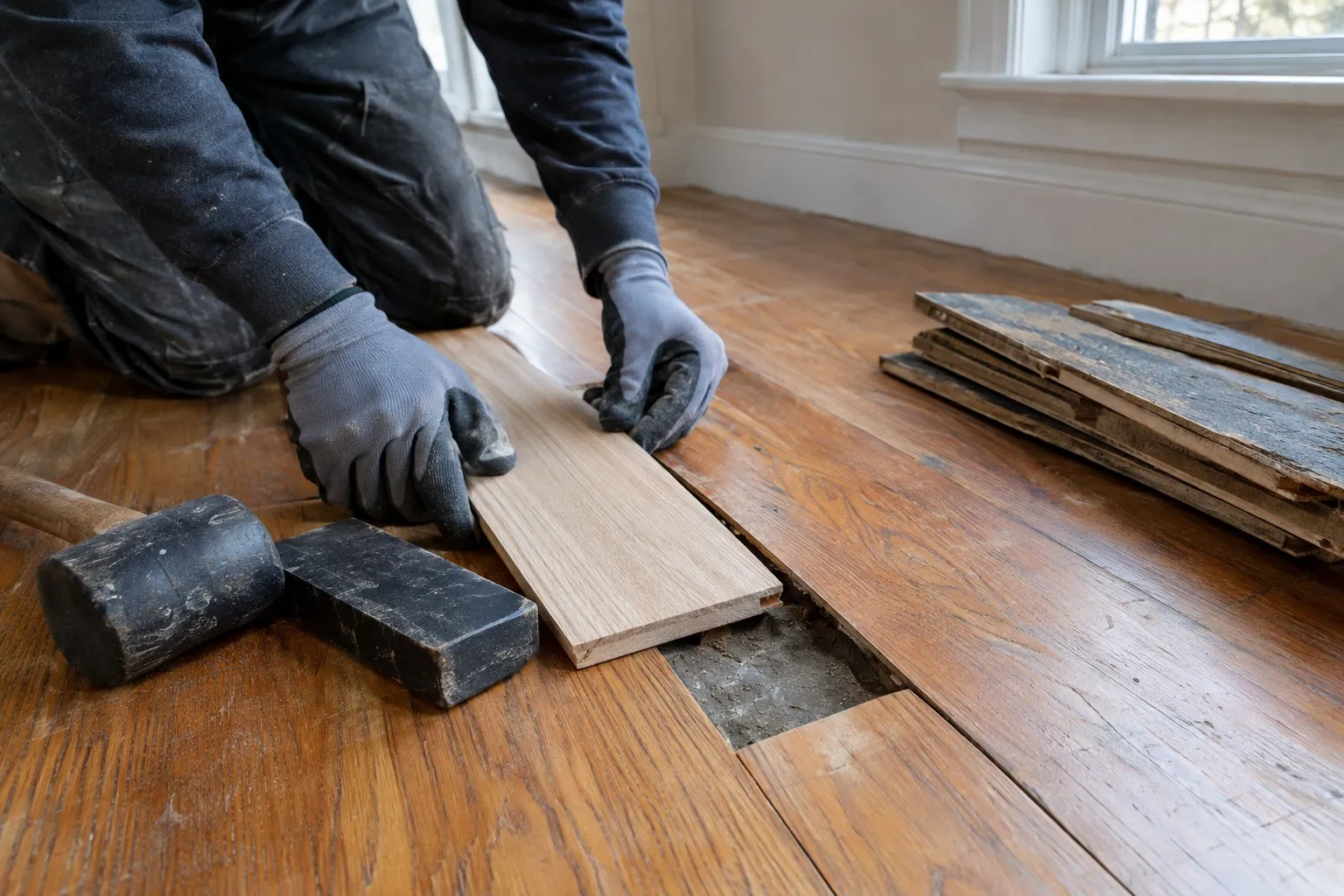

Match the replacement wood to the old floor’s width, milling and thickness. Compare it with sound boards and check how the finish will meet.

Find the water source and address it before a patch. Check moisture in the damaged wood and its base before fitting replacement boards.

Trace a squeak or gap before choosing a remedy. Find the moving board, fastener or base layer and decide what can be reached for repair.

Save the Annadale repair proposal, patch drawing and coating notes. Keep the written terms for a year of workmanship coverage.


 Get your Free In-Home Estimate
Point out the route from the doorway into the hall and show where the boards first changed color or started to move. If wet footwear or an older leak is part of the history, say when it happened. The inspection can distinguish a surface mark from damage below the finish.
Show which boards and thresholds you want left in place, including those at the opening nearest Annadale Road. Check the supporting layer and identify the full extent of the movement before drawing the patch boundary. Compare replacement stock against the sound boards around the repair.
Mark both sides of the join and note where you see gaps or staining. The newer room may have a different base or board profile. Inspect an accessible edge and the support underneath before choosing which pieces need removal and which can remain.
Check whether the movement comes from the board or from the connection at the landing. If you can reach the base from below, show that access during the survey. Review how the patch would meet the nosing and where the crew can safely end the finish.
Show the stain in the light you normally use and take a look from the doorway. Compare the affected board with an adjoining section before deciding whether the color is the only issue. Tell us if the spot has been sanded or repaired before so we can assess the material left.
Address the water source first. Check the condition of the wood and base against what the replacement needs. Define how much finish will be removed and where the patch will touch the sound wood.
Changes in conditions can affect wood movement. Track whether the opening changes over time and whether the board itself moves underfoot. Let the inspection guide whether filler is suitable or the supporting layers need work.
Board age, grain and past coatings can leave differences. Try the proposed replacement wood with the selected finish beside the existing floor. Agree on an acceptable result before removing the damaged boards.