Dustless Floor Refinishing
Dust collection helps control sanding dust in Annadale. Ask how the crew will protect your rooms, doorways and the route out of the house.



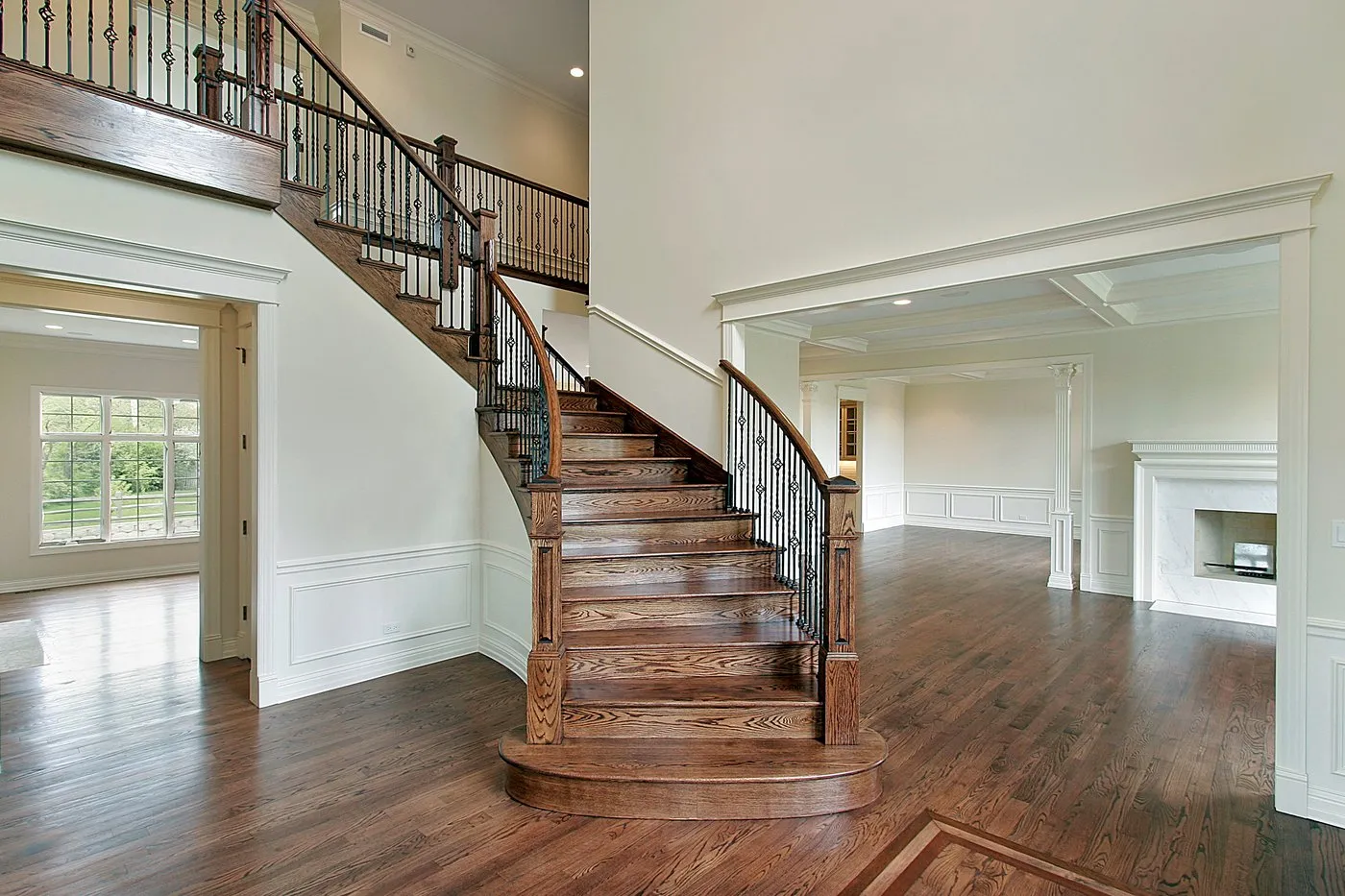
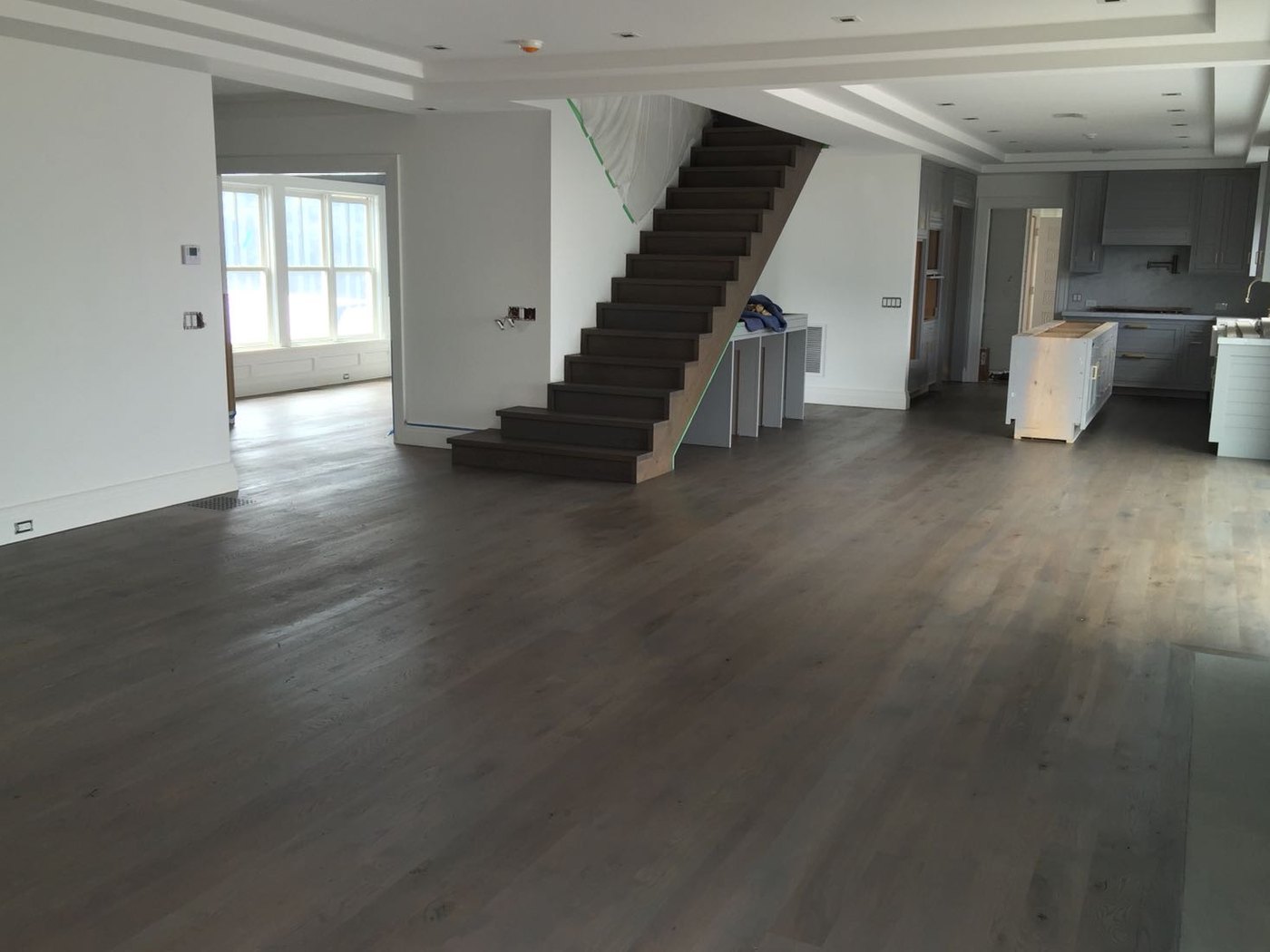

Dust collection helps control sanding dust in Annadale. Ask how the crew will protect your rooms, doorways and the route out of the house.

An Annadale refinishing plan often spans three to five workdays. Set the dates once the floor repairs and coating intervals are known.

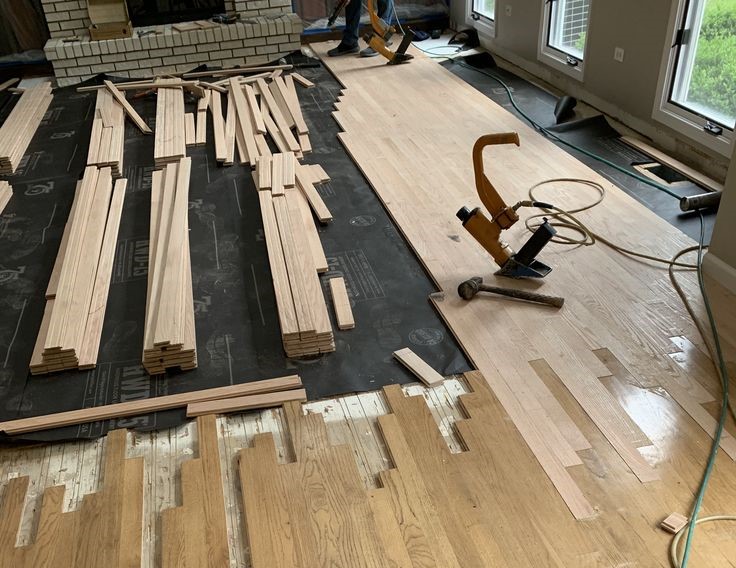
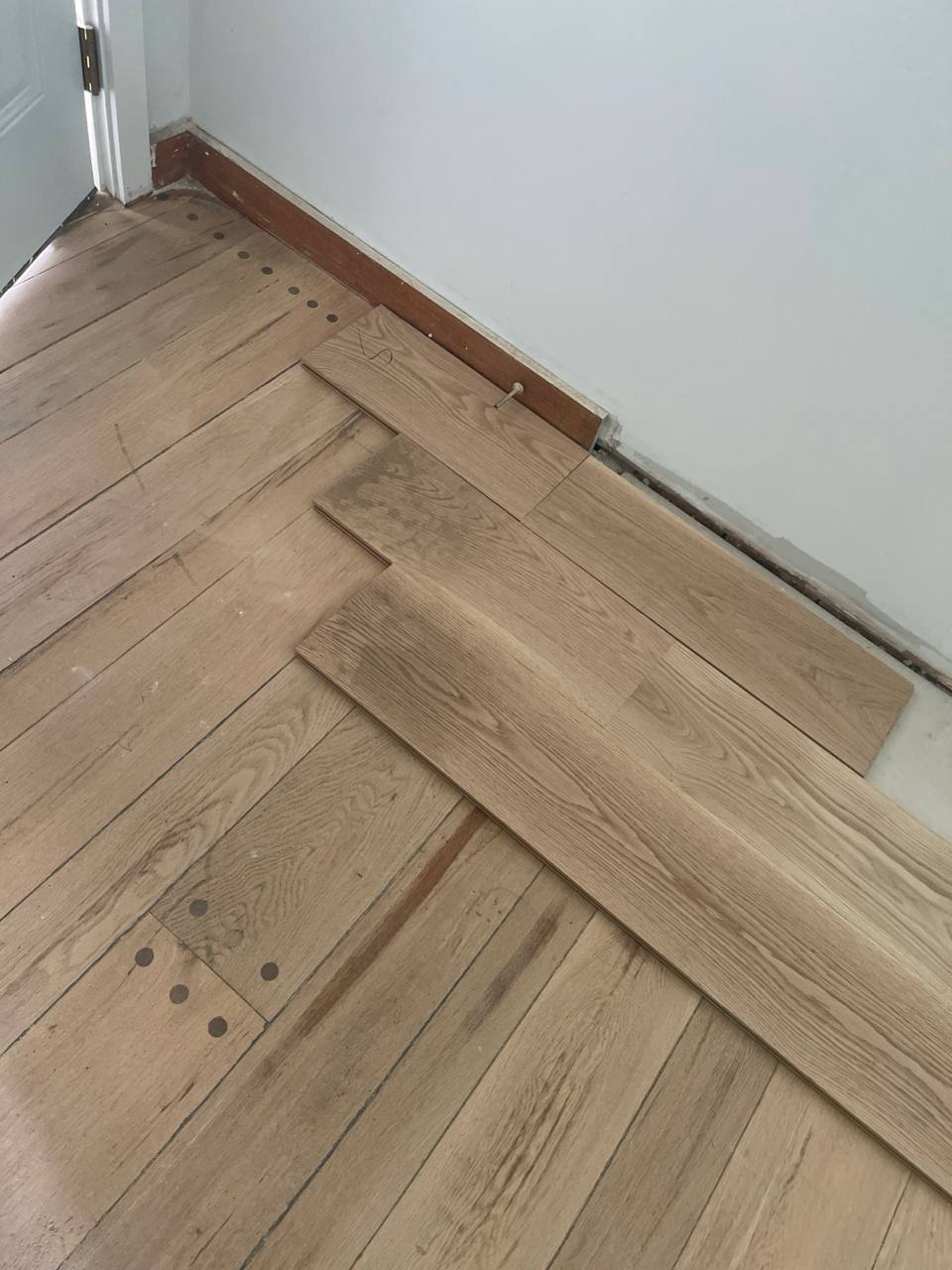
Check loose boards and old patches before sanding. Record the repairs to make and how they will meet the adjacent hardwood.

File your one-year refinishing workmanship terms with your quote and your care guide for the finish applied to your boards.

Use a clear-coated sample to see how Annadale wood looks without added stain. Evaluate it with nearby trim.
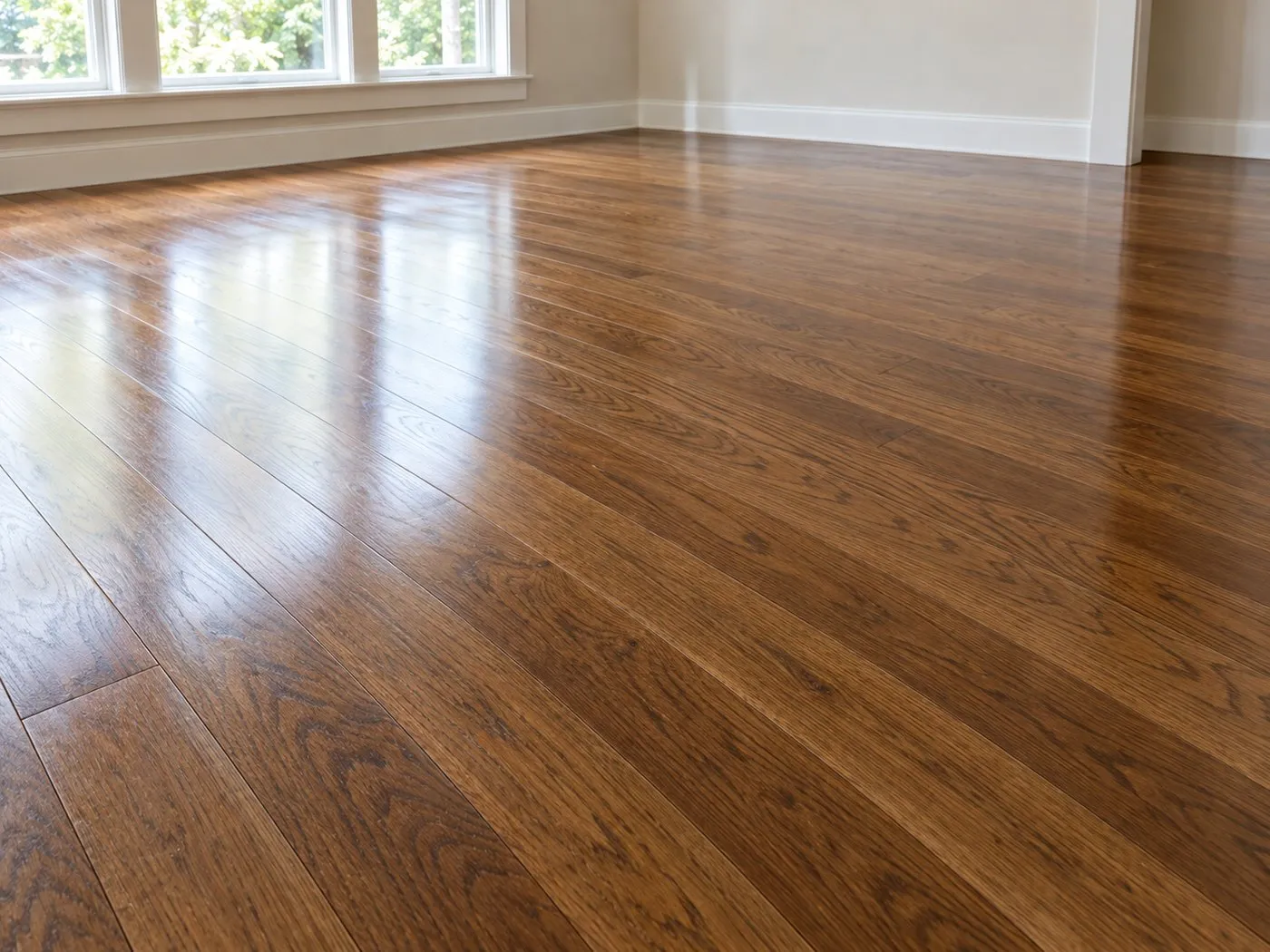
Test Special Walnut on a prepared strip and any newer boards. View the sample with the intended topcoat.
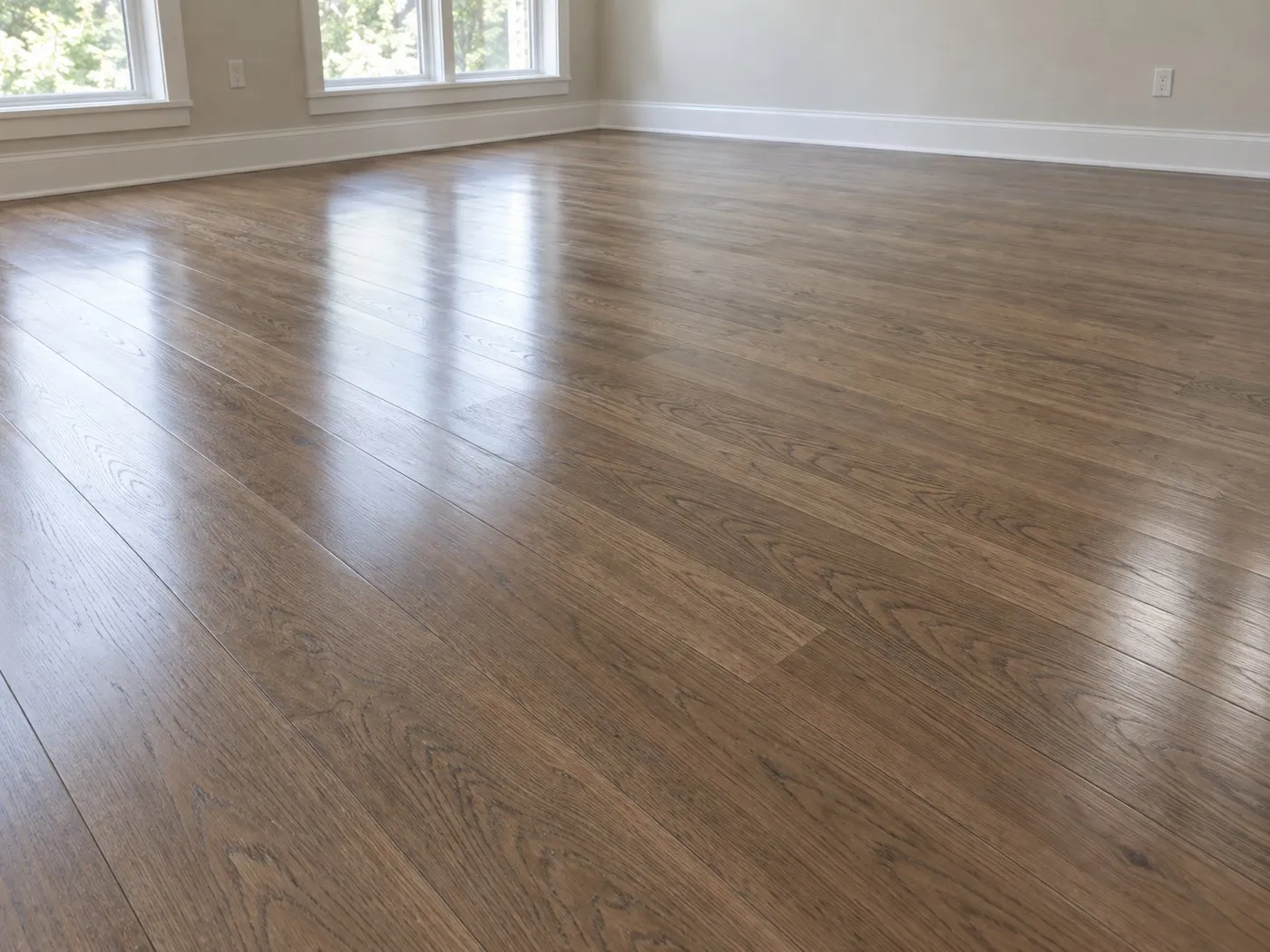
Evaluate Provincial with your older trim. See the sample after the intended protective coat has dried.

Try Early American on the prepared floor. View its color beside the current casing and any retained stair wood.

Test Dark Walnut under your room’s usual lights. Include a patch board if the floor needs repair before sanding.

View Jacobean on an old board and a patch. See how the darker color reads in the parts of the room you use.
 Get your Free In-Home Estimate
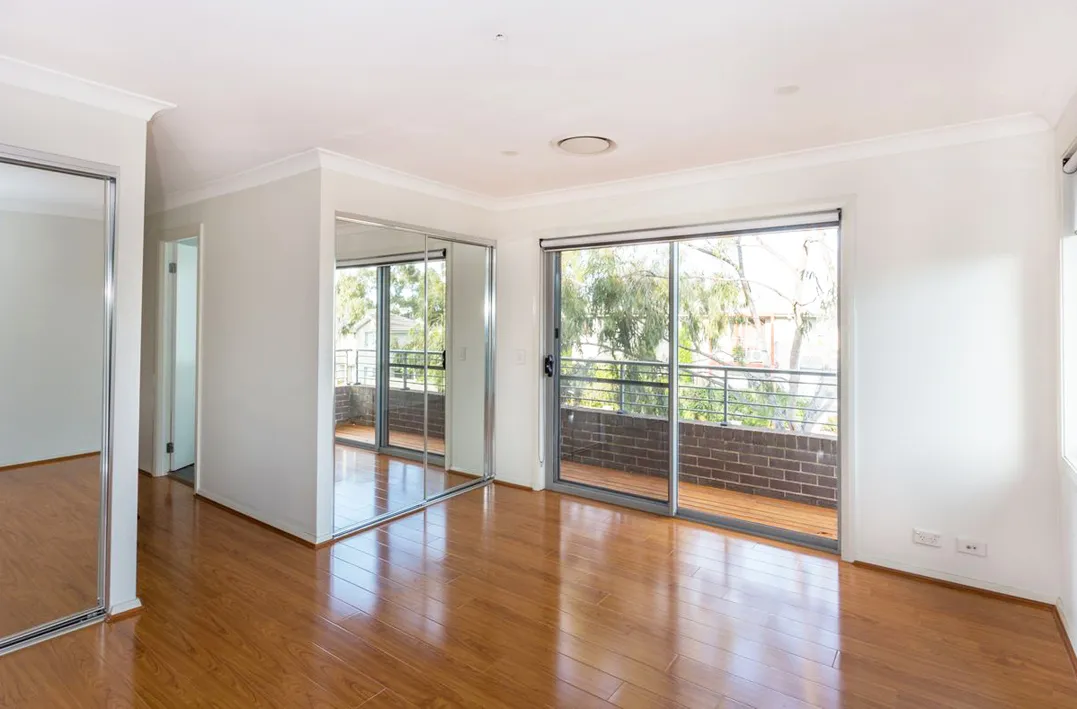
Show where the finish has worn through, especially where the entrance turns into the hall. If you have a floor register or another exposed edge, point it out. An assessment of the usable board thickness and previous repairs can help determine whether the worn area can be sanded or needs a board repair first.
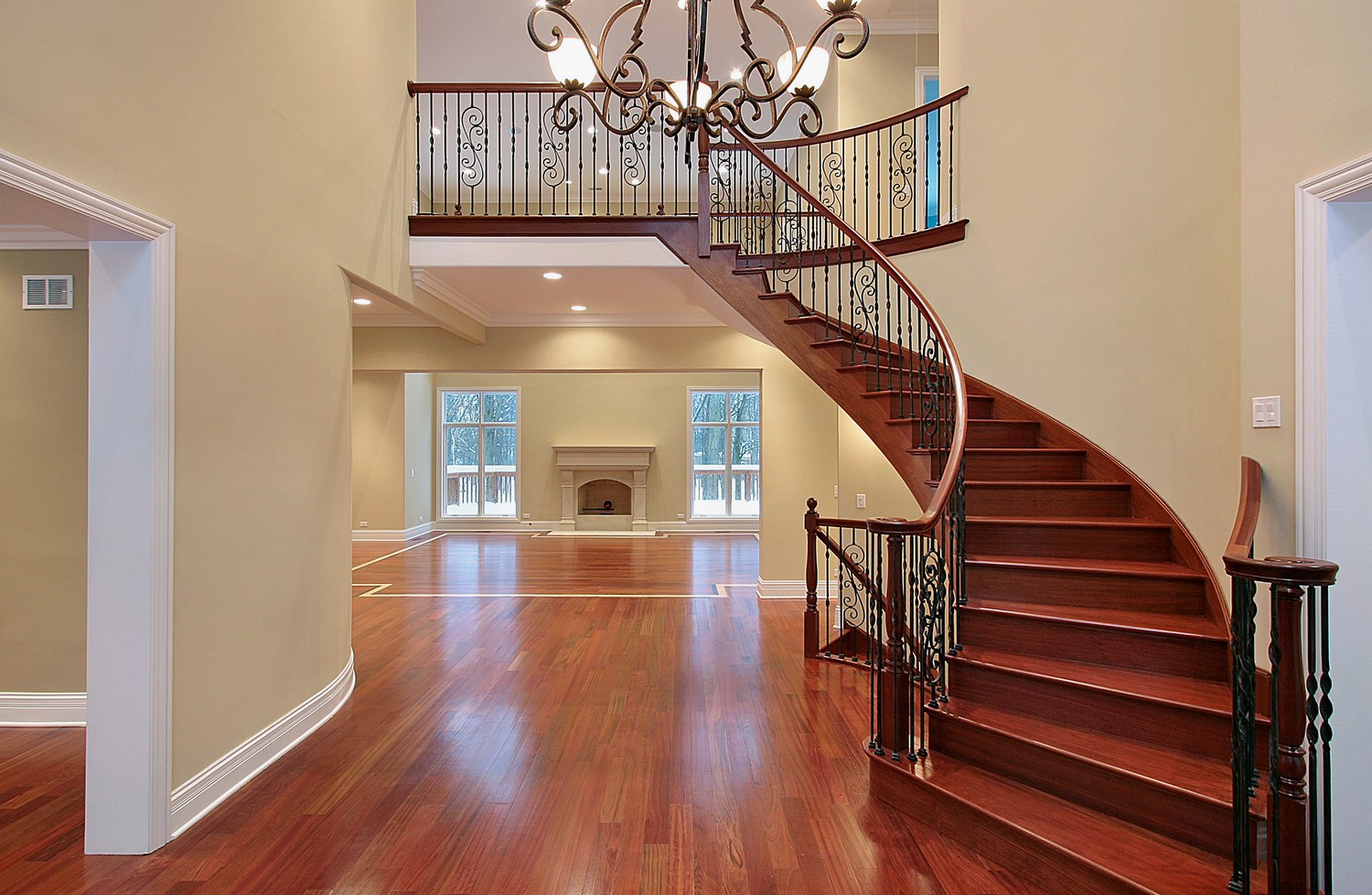
Compare the top landing, the first room and the tread edge before scheduling. The nosing or threshold may provide a clean boundary. If the steps have a different finish or need separate repair, record that in the quote and plan how people will enter while the coat dries.
If the floors meet at an opening, mark exactly which side you want refinished. Review the board direction, color and existing height there. A threshold may separate the work cleanly, or the crew can discuss whether the visible change calls for a transition or a different finishing plan.
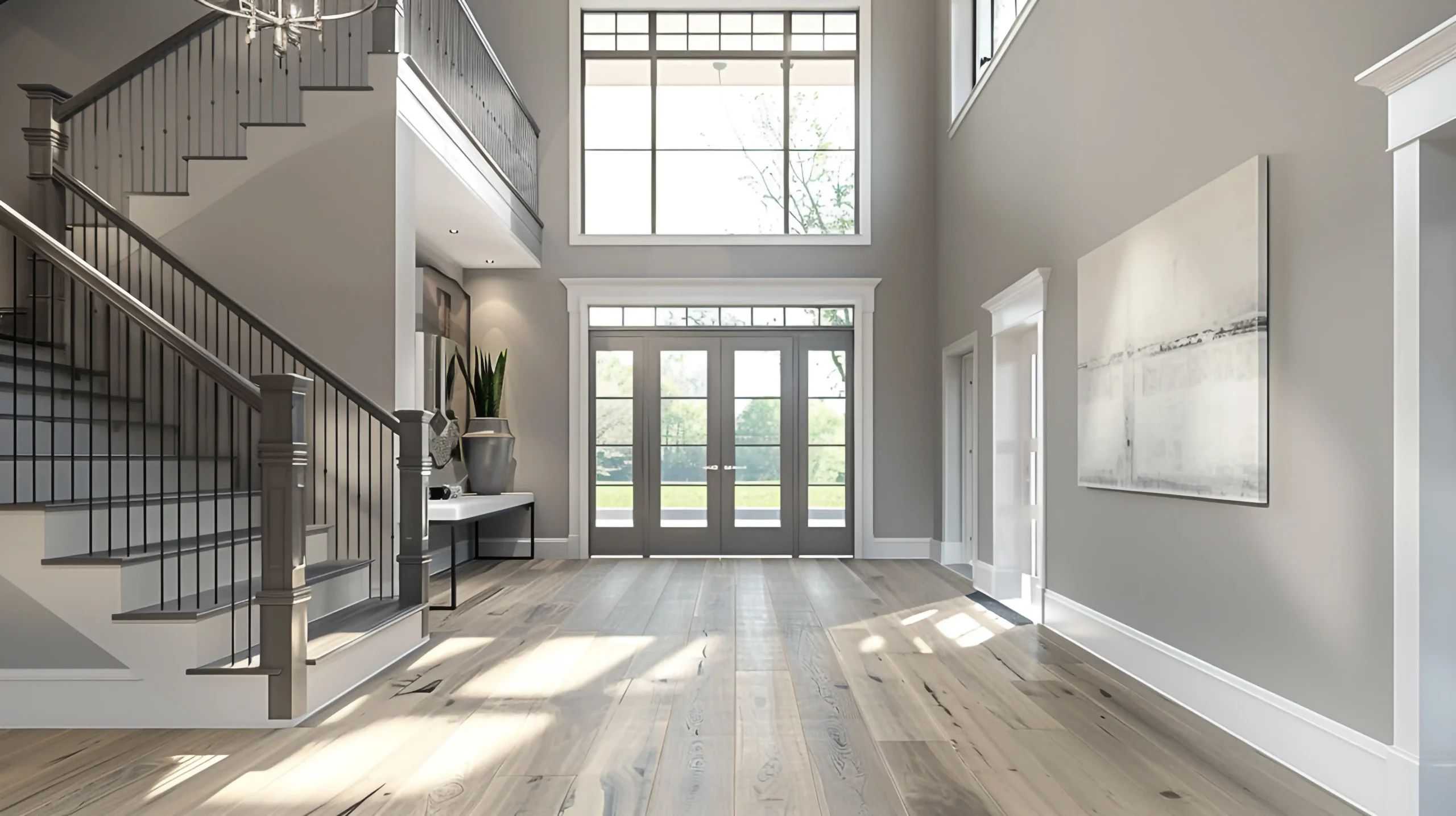
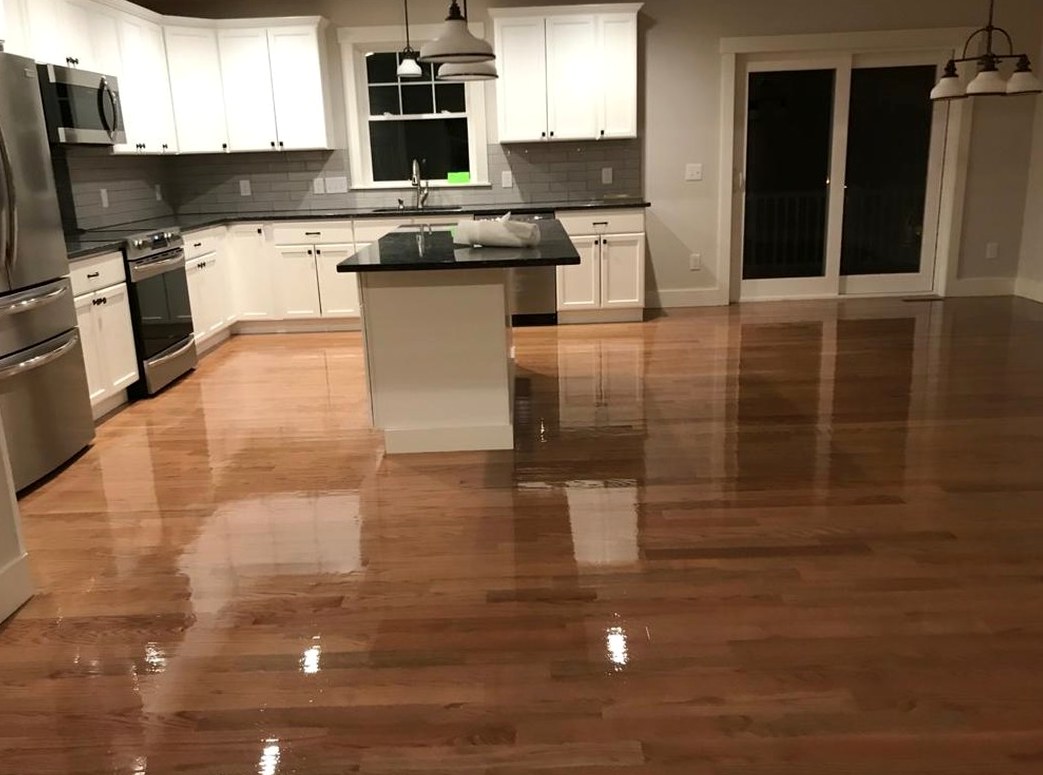
Compare a coated trial at two points where the light differs. If a window faces the park or trees, check the sample during your usual daylight hours and again with the room lights on. View the sample against existing trim, especially if it will stay a different shade.
List the rooms that rely on that hallway and tell us whether a second entrance is usable. The crew can discuss staging the work or arranging another route. Ask when you can walk through each section based on the coating used, and plan for furniture to return later if required.
Inspect movement and determine what the repair entails before sanding begins. Include the affected boards in the written work scope. If new wood is needed, include it in the color trial to see how it will sit beside the original floor.
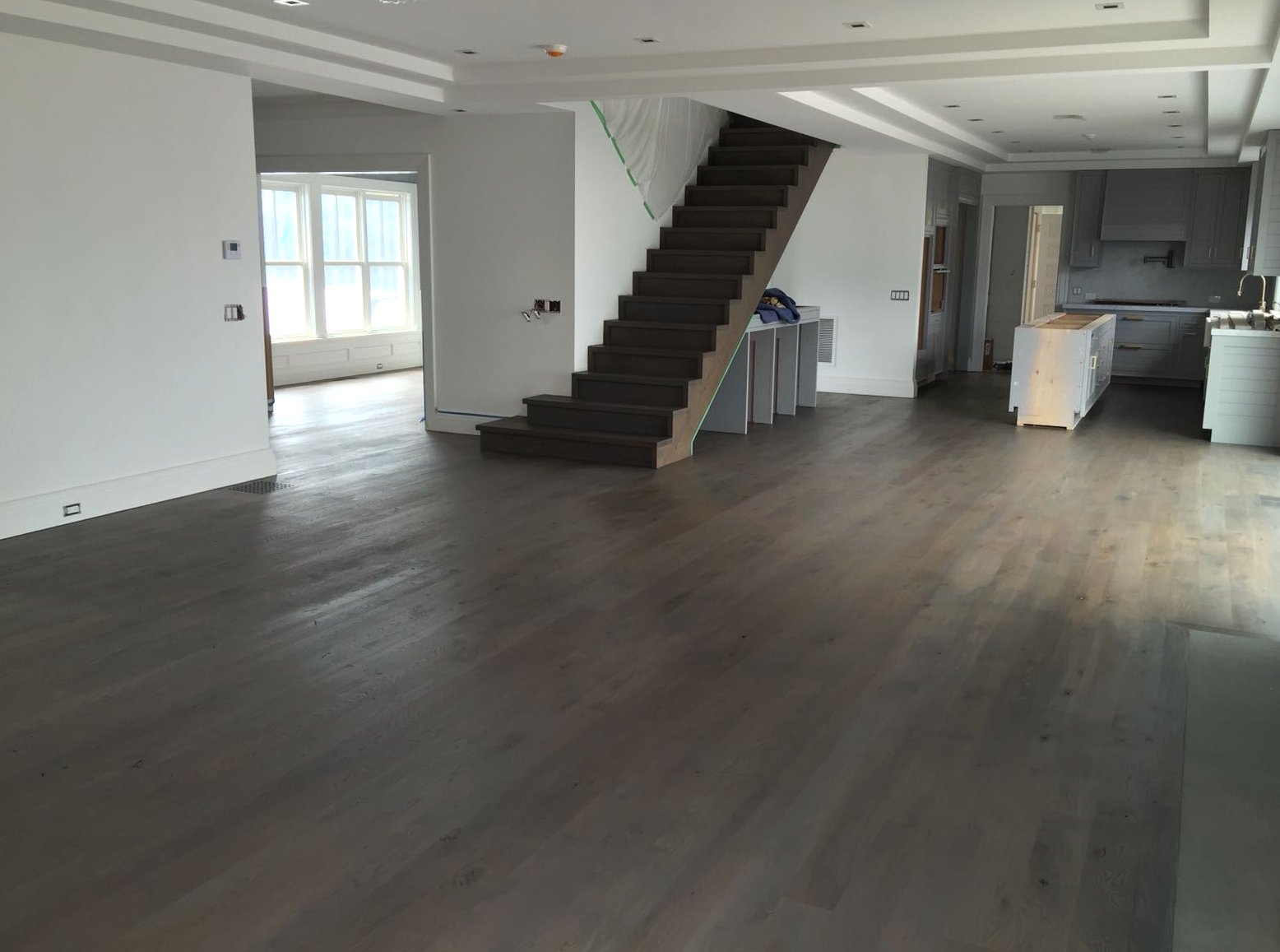
Species, grain, age and repairs can influence the result. Compare prepared samples over the range of boards in the room. Ask which differences the crew expects to remain after applying the selected finish.
Get the date you can walk on the wood and the later dates for returning furniture or rugs. The finish system’s instructions guide each step. Keep the care directions nearby so you can protect the coating during its cure period.