.svg)


Exotic
Wood Flooring

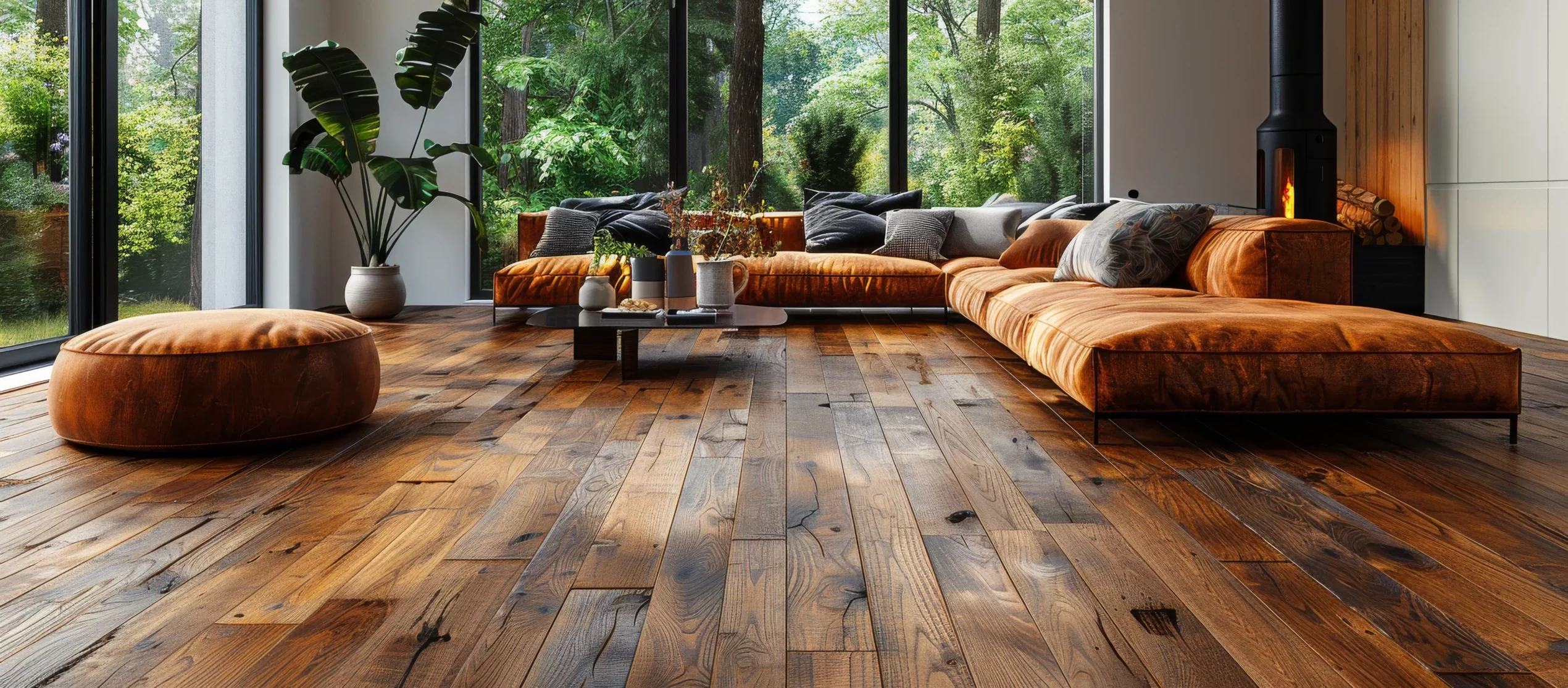
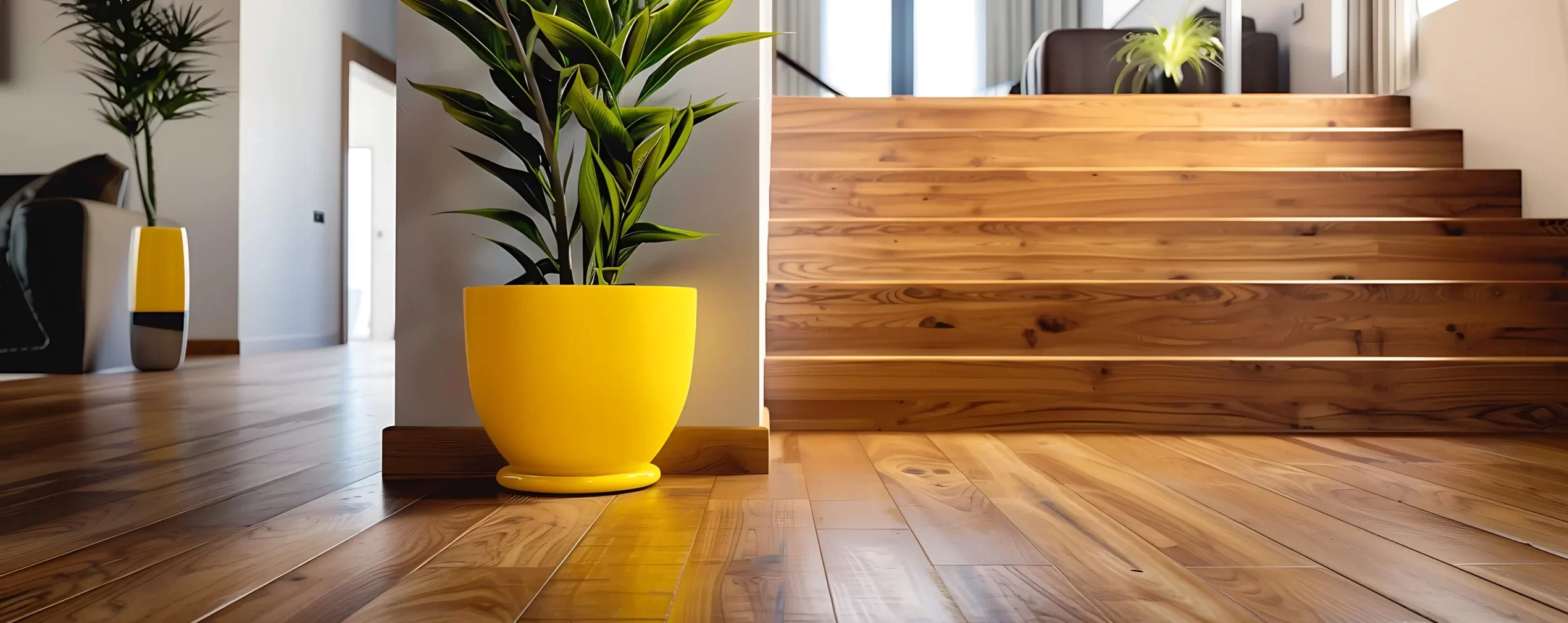
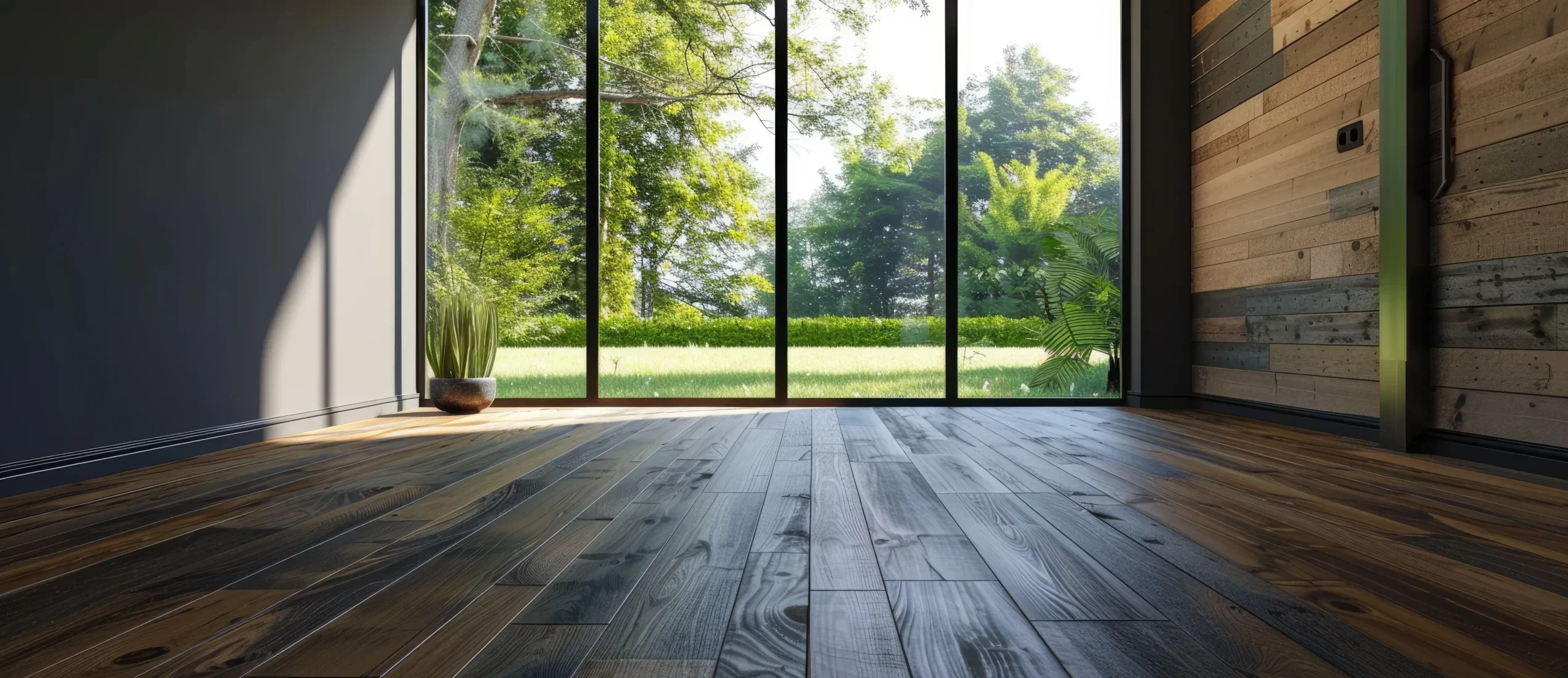


Hard, Rich Woods From South America
Choose raw boards for a site finish or factory finished boards for a quicker install. Tap any wood to see grades, widths and the rate per square foot.
Unfinished Exotic Hardwood
These 3/4 inch clear grade boards come in raw and get sanded and coated after they're down. Ipe and cumaru rank among the hardest floors you can buy, so they shrug off the foot traffic of a busy New Jersey entry hall.


Prefinished Exotic Hardwood
IndusParquet makes its Solido line in Brazil as 3/4 inch solid boards with a micro bevel and a factory finish. There's no sanding on site, which suits a Connecticut family that can't move out for a week.


How Hard Is Hard?
The Janka test measures how much force it takes to press a steel ball into the wood. Red oak scores around 1290, Brazilian cherry 2350, cumaru 3540 and ipe 3680. Higher numbers mean fewer dents from dropped pans and high heels.
Color That Changes With Light
Jatoba and cumaru deepen as sunlight hits them, so a floor that starts orange red slowly turns richer. Rugs left in one spot for years can leave a lighter patch, so we suggest moving them now and then.
Why Exotics Need Extra Care to Install
Dense boards are hard on blades and nails, and some oily species resist certain finishes. Our crew tests the coat on a spare board first, then lets the wood settle into your rooms before fastening.
Raw or Factory Finished?
Raw boards let us sand the floor dead flat and choose the sheen on site. Solido boards come coated with a micro bevel, so the room is back in use sooner and there's no finish smell lingering.
Good for Busy Homes
A Massachusetts mudroom or a New York hallway with a dog takes a real beating. Ipe and cumaru resist dents better than any domestic wood we lay, though no floor is scratch proof.
Moving Between Seasons
Exotic boards still swell a little in summer and shrink in winter. Keeping indoor humidity steady with a humidifier in the heating months helps the gaps between boards stay small.
Exotic Hardwood Questions
How much does exotic hardwood flooring cost?
Unfinished Brazilian teak and plain Brazilian cherry start at $6.59/Sq Ft material, Brazilian walnut runs $6.89/Sq Ft and tigerwood $7.69/Sq Ft. IndusParquet Solido boards are quoted in writing at your visit, along with labor and finish.
Which exotic hardwood is the hardest?
Of the woods on this page, Brazilian walnut, also called ipe, is the hardest with a Janka rating of 3680. Brazilian teak, or cumaru, is close behind at 3540.
Do Brazilian woods get darker?
Yes. Brazilian cherry and Brazilian teak both deepen with sunlight over the first months. Rooms with strong afternoon sun see the change fastest.
Can exotic hardwood be refinished?
Solid 3/4 inch exotic boards can be sanded and refinished like oak, though dense species take longer to sand. That applies to both the raw boards and the IndusParquet Solido line.
Is exotic hardwood a good choice with pets?
It's one of the better ones because the wood is so dense. Claws can still scratch the finish, so a lower sheen and trimmed nails help a floor in your Rhode Island home keep looking good.
Exotic projects can be paid over several months on a financing plan.
Free visits bring raw and finished exotic boards right to your home.
The crew that installs your floor also handles the sanding and finish.
Uneven subfloors get flattened first, because dense boards won't bend to hide a dip.
Curious How These Woods Look in Your Home?
Book a free visit, lay ipe, cumaru and jatoba next to each other in your rooms, and we'll price your project per square foot in writing.
