Waterproof Vinyl Plank Flooring
A waterproof vinyl plank is one part of a floor assembly. Check seams, perimeter treatment and water conditions below it before choosing that product.






A waterproof vinyl plank is one part of a floor assembly. Check seams, perimeter treatment and water conditions below it before choosing that product.

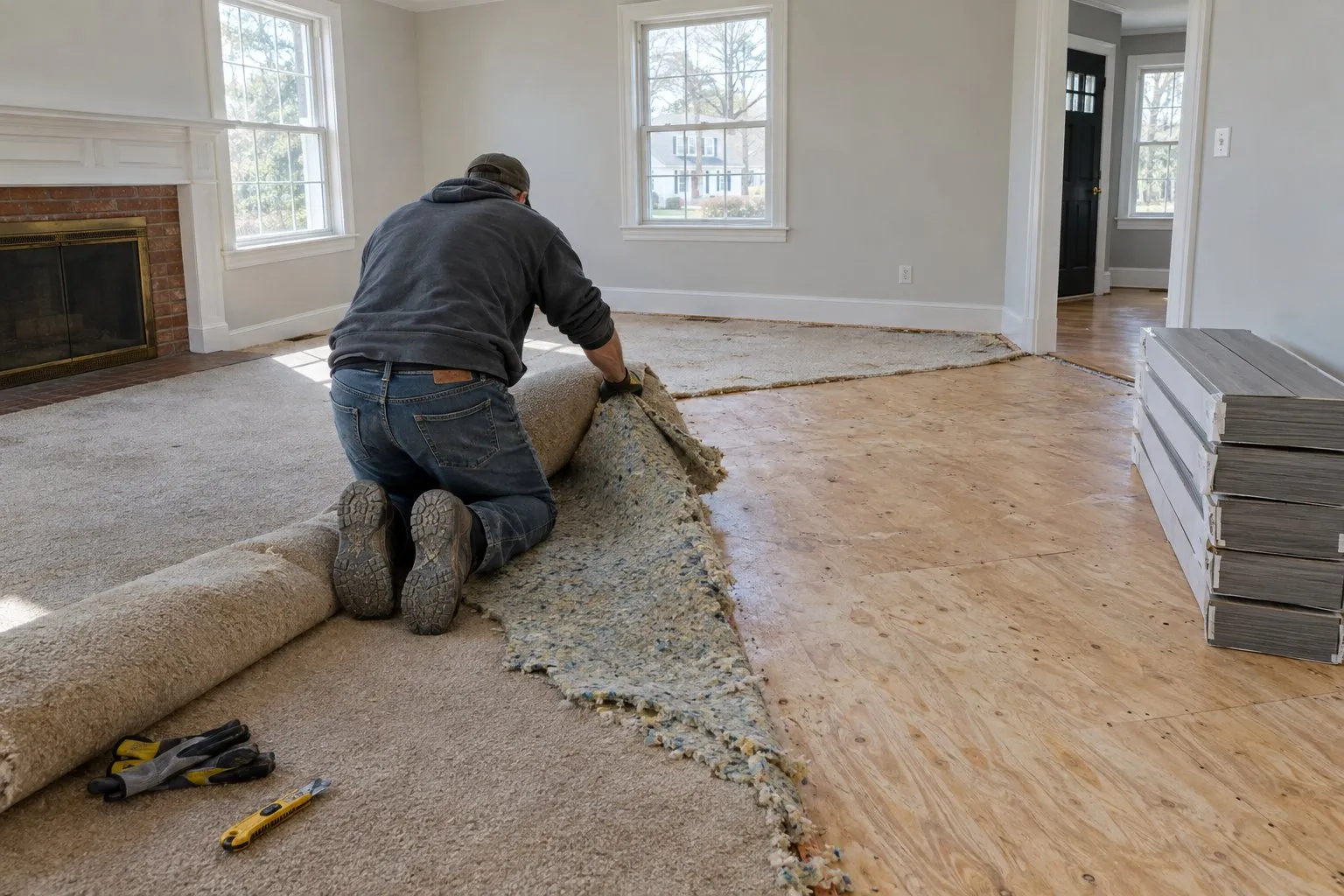
Plan where the vinyl cartons will arrive, who receives them and where they can be stored. Delivery timing should suit the prep and installation.

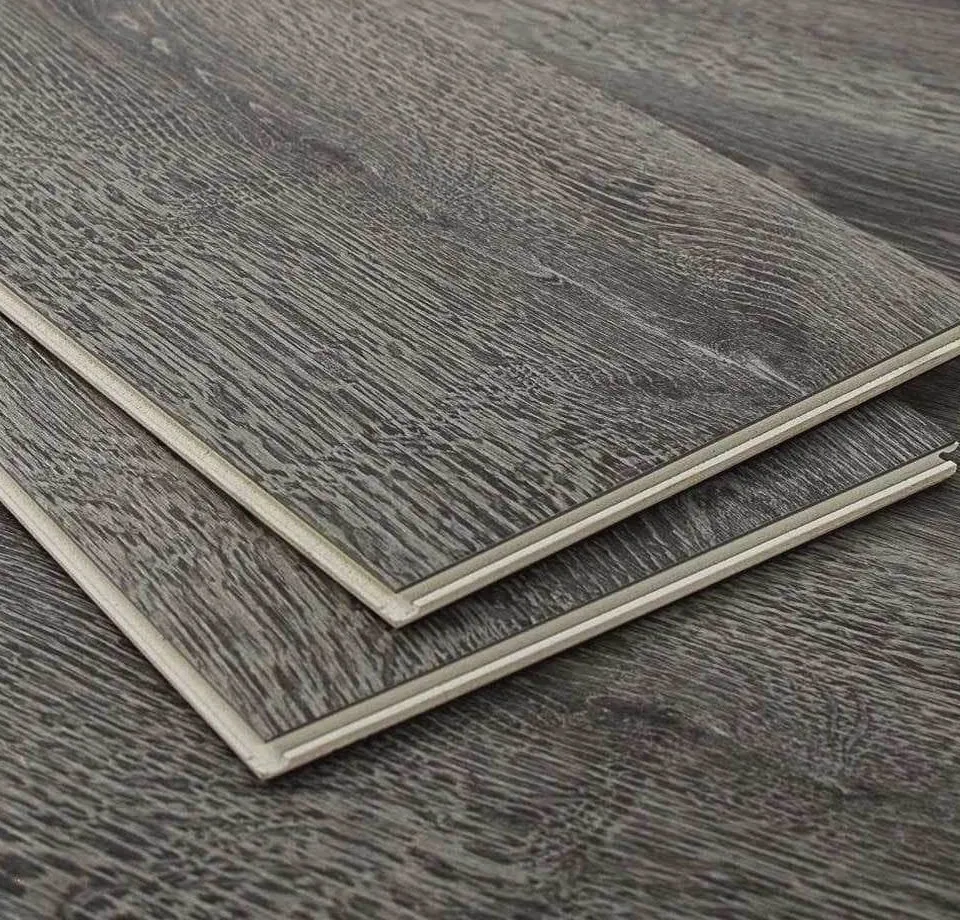
Handle vinyl samples in the room where the floor will be used. Review the printed pattern, texture and sheen with the surfaces staying nearby.

Ask for the vinyl labor warranty in your proposal, including its one-year term, reporting procedure and use and maintenance limits.



 Get your Free In-Home Estimate
Bayside’s planning study identifies attached and multifamily homes around 48th Avenue and Bell Boulevard. Where your property has shared ownership or management, request its current alteration instructions and any required floor-assembly documentation. Give us the proposed plank, backing and underlay details together rather than only a color name. Building instructions vary, so no universal sound rating is assumed. Confirm the delivery entrance and who may authorize work before cartons are purchased for a specification that the property has not reviewed.
Some Bayside detached-house blocks date to the midcentury period documented by City Planning. A house renovated since then may have multiple floor layers or different heights between its original rooms and additions. During the visit, identify which coverings will remain, which will be lifted and where doors have limited clearance. Inspection determines whether the retained surface meets the chosen vinyl tolerances. The construction period is a reason to ask about changes, not proof that the existing base needs replacement.
The Bell Boulevard and Northern Boulevard town center contains commercial uses in the City’s neighborhood study. For a shop there, describe rolling loads, customer traffic and the furniture or displays that will be moved. Check the vinyl product’s use rating and maintenance requirements against that activity. Plan how the entrance stays controlled during removal, adhesive work or fitting, and agree when the business can use the finished floor. A wear-layer number by itself does not resolve these operating decisions.
For work performed by hired contractors, NYC requires construction debris to be handled outside residential garbage collection. The homeowner and contractor should settle who arranges the appropriate private removal and how the material reaches that collection point. Include old vinyl, carpet, trim and any base material actually being removed in the discussion. Household bulk rules should not be used to price a professional demolition load. Making that distinction in the quote avoids leaving disposal as an unresolved task after the new planks arrive.
No. Water-resistant surface behavior does not establish acceptable conditions beneath the planks. Inspect the base and follow the selected product’s moisture and installation requirements.
SPC describes a core construction, while click describes the joining method. Compare the complete specification, including thickness, backing, joint limits and approved applications.
The agreed fitting area and preparation should be identified, along with transitions and exclusions. Supply the exact product information so compatibility and quantities can be checked.
That depends on the specified system. Review cabinet and appliance positions, movement requirements and accessible connections before determining the plank layout and perimeter details.