Dustless Floor Refinishing
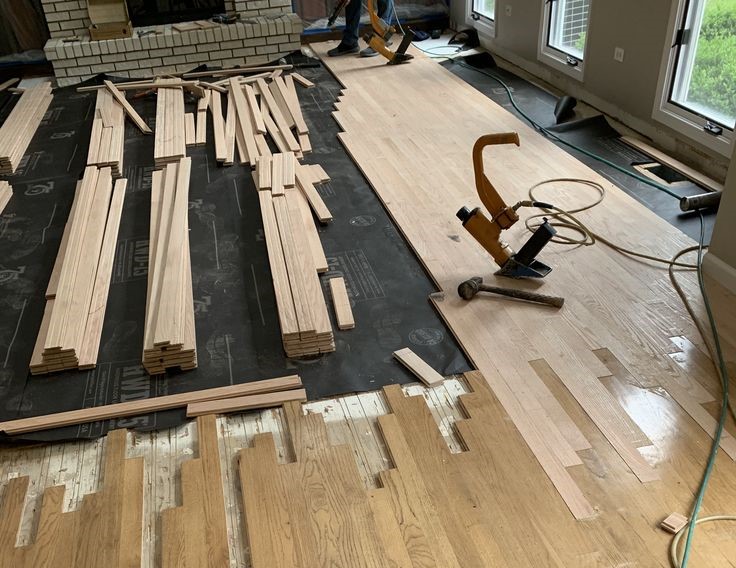
Sanding dust needs containment and cleanup planning. Review room isolation and dust-control equipment as part of the refinishing proposal.



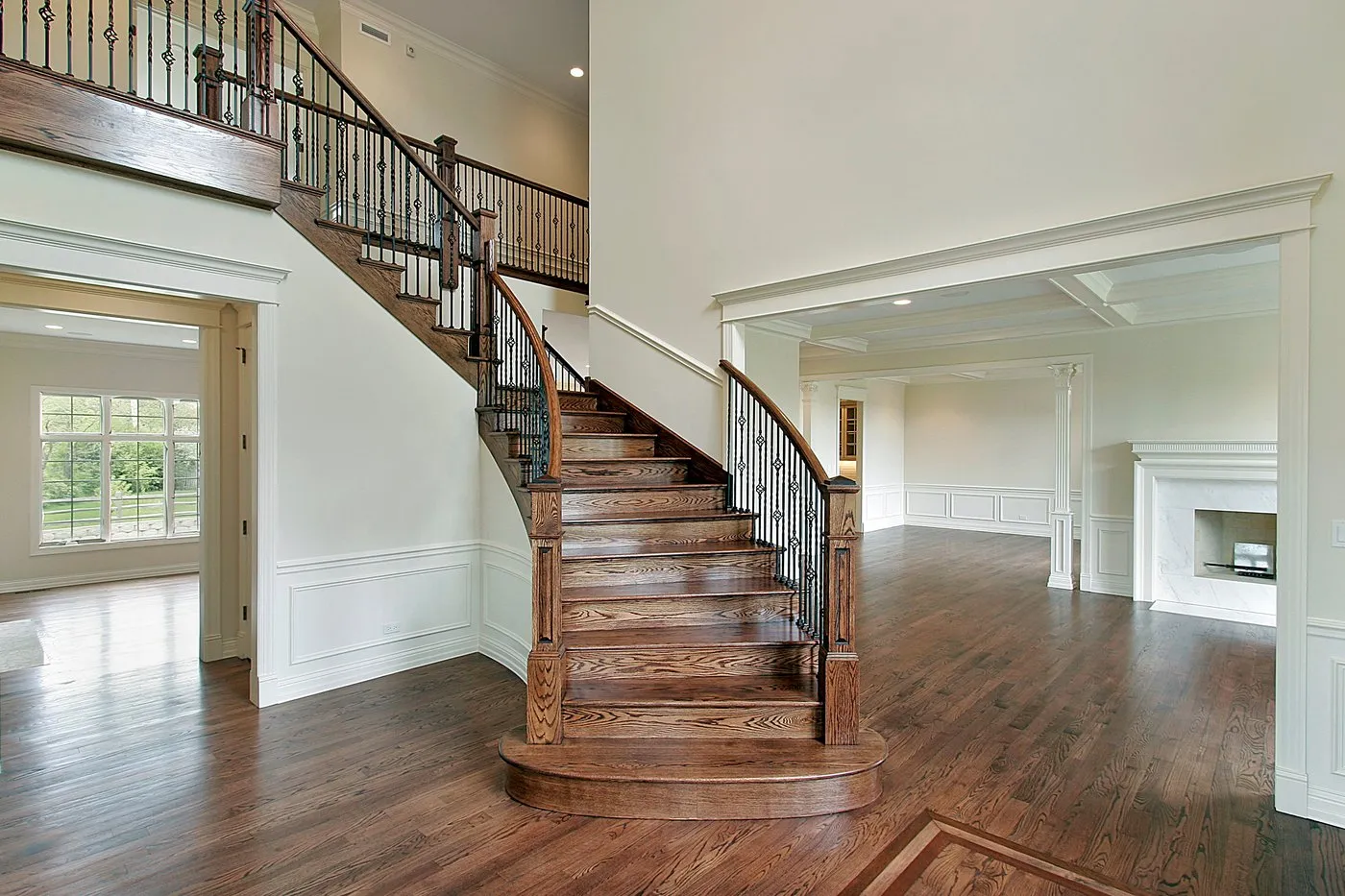
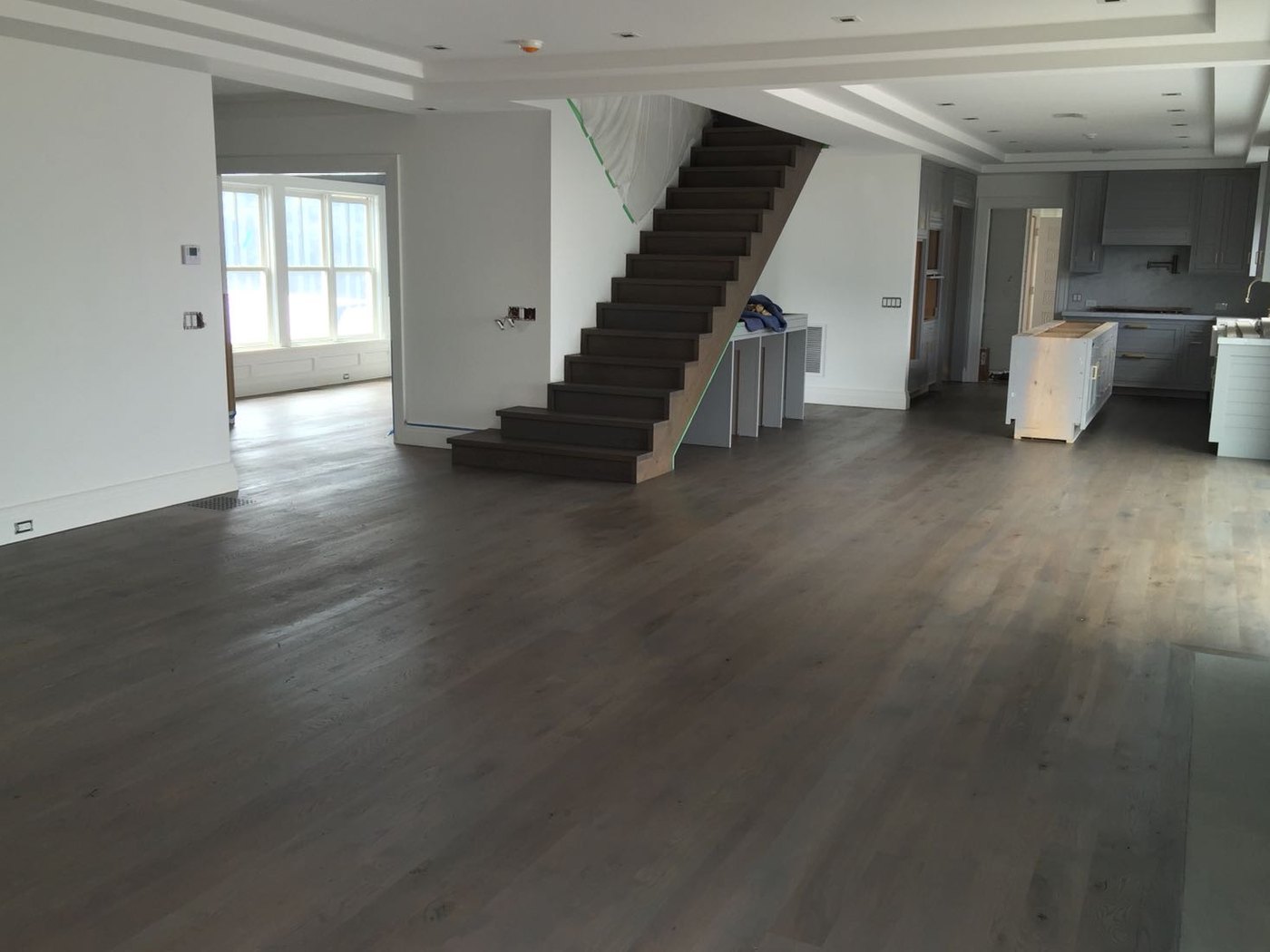

Sanding dust needs containment and cleanup planning. Review room isolation and dust-control equipment as part of the refinishing proposal.

The three-to-five-day plan varies by room size, repair needs and products. Separate the application dates from approved return to use.

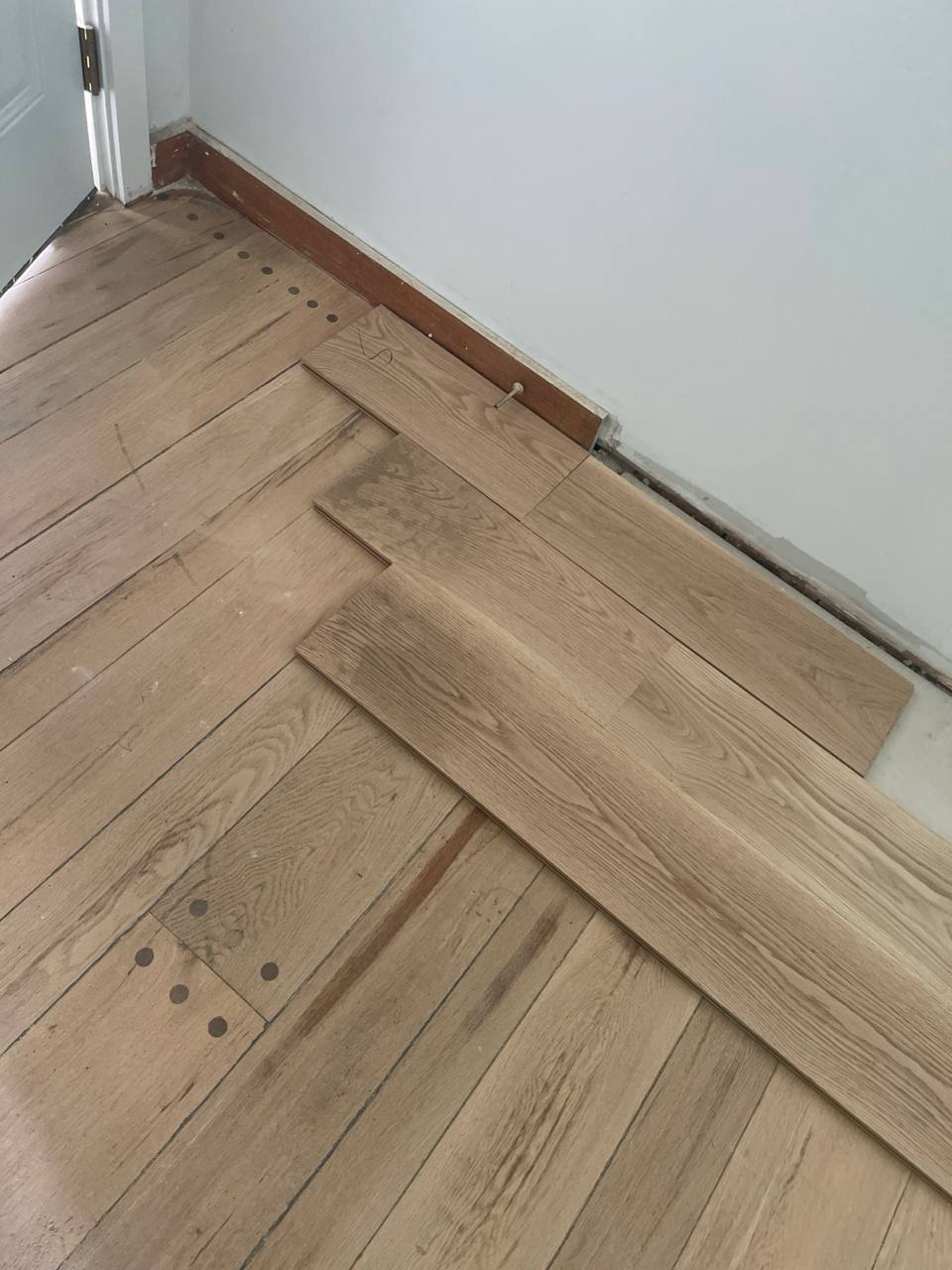
Loose or damaged strips deserve a repair decision before sanding. Specify replacement areas and how their color may differ.

Check the one-year refinishing labor terms and finish-care guidance. Keep product details and the agreed follow-up process.

Natural stain keeps attention on the wood color. Test it with the chosen topcoat to judge the final effect.

Special Walnut introduces a medium-brown reference; judge its warmth on prepared timber with the finish.
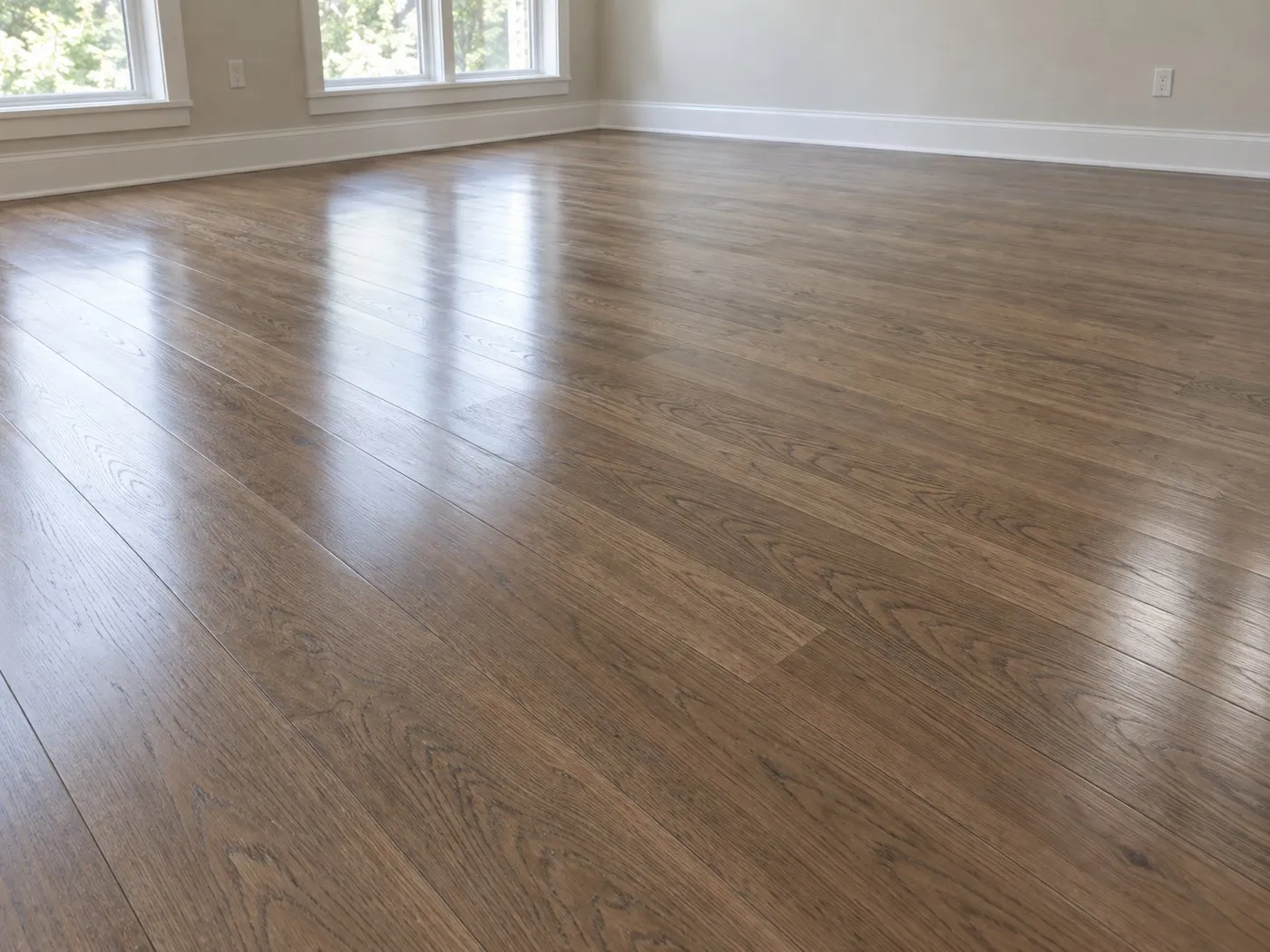
Compare Provincial brown beside trim under normal lights before deciding on your finished floor color.

Early American should be tested on the floor, where grain and old repairs may change perceived warmth or depth.

Dark Walnut adds a deeper reference to the sample group. Review contrast with borders and boards that will stay.

Jacobean is a dark option to test with the finish. Examine grain contrast and how it reads across the room.

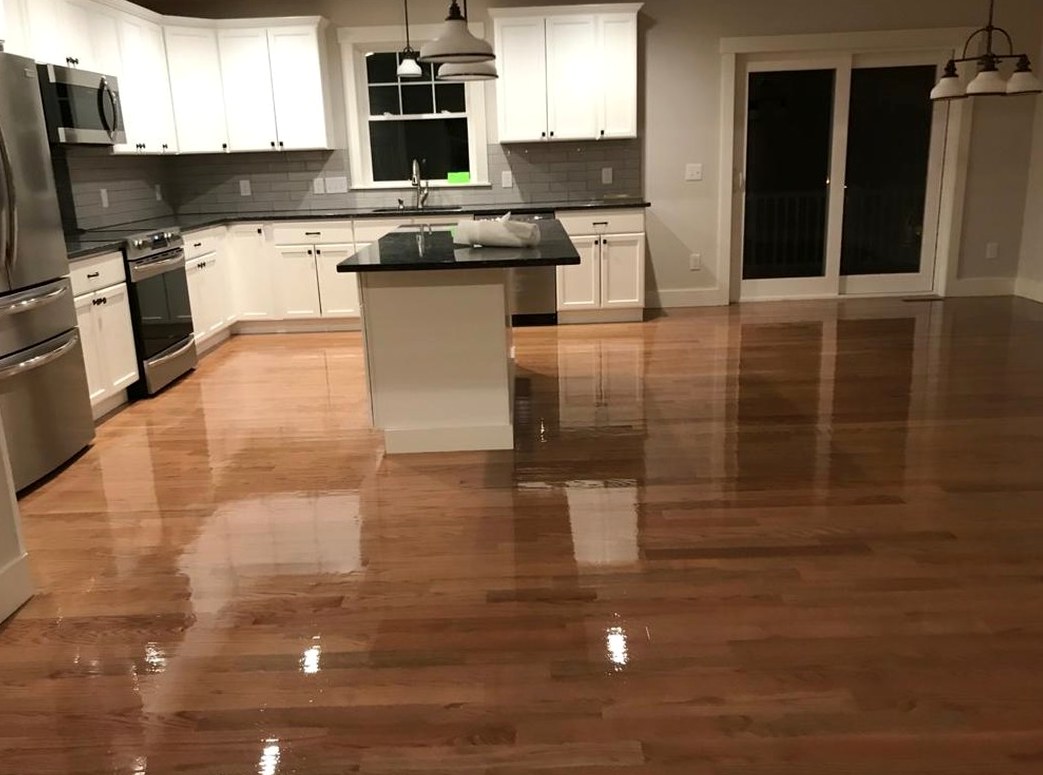
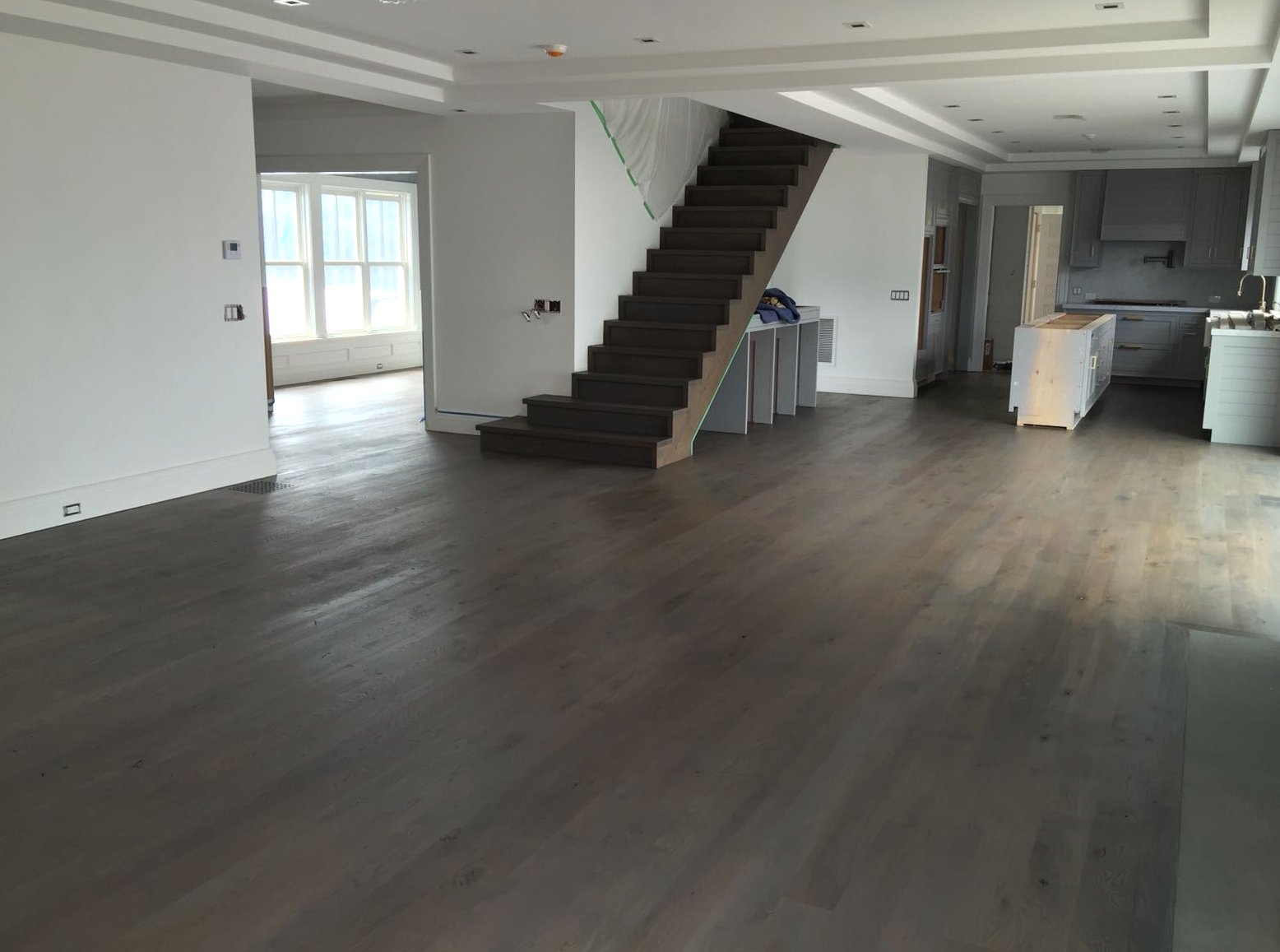
 Get your Free In-Home Estimate
City Planning’s Bayside material describes some single-family detached blocks built during the 1950s. For a house of that era, previous ownership records or renovation photos may explain where floors were sanded, replaced or extended. Show us that history and mark any uncertain areas. The visit still needs to establish wood type, usable thickness and coating condition directly. Those observations determine whether restoration is appropriate; the date of the house does not tell us how many sanding cycles its current boards have received.
One- and two-family detached homes feature prominently in the neighborhood’s planning record. If a hallway or stair is shared, describe which residents need it and when before the floor is scheduled. Draw the work boundary, identify an alternative route if one exists and check the finish manufacturer’s return-to-use guidance. Delivery and sanding arrangements should account for the occupied unit as well as the room being treated. Any access solution must be practical for the actual building, rather than assumed from a standard refinishing timetable.
Bayside’s Bell/Northern commercial center is documented in City Planning’s neighborhood description. A business floor there needs a discussion about opening hours, fixture movement and the surface’s actual traffic. Ask whether the proposed finish suits that use and how its curing instructions affect reopening. Existing coatings and cleaning products should be identified because they influence preparation. Put the operational plan alongside the sanding and repair scope; a generic day count cannot determine when customers, furniture and rolling equipment should return.
NYC distinguishes waste from professional building work from small DIY material discarded by residents. Discuss how the contractor will contain, remove and appropriately dispose of the actual sanding debris and product-related waste. If board repairs are included, their removed pieces should also be covered by the disposal scope. Ask who handles each waste category rather than assuming one residential collection or cleanup event accepts everything. This is a planning detail to resolve before the rooms are emptied and the work begins.
Insufficient usable wood, unstable boards or unresolved moisture can change the proposal. Inspect those conditions before deciding whether sanding, localized repairs or replacement is appropriate.
Use the chart to narrow choices, then judge prepared wood with the intended finish. Existing grain, patches and retained trim affect the appearance of the final combination.
Not necessarily. The application timetable and permitted return of people, furniture and rugs follow different product instructions. Have those stages identified in the project schedule.
Dust management reduces the spread of sanding residue but does not eliminate every particle. Agree on containment, protected areas and the cleanup included in the work.