Dustless Floor Refinishing
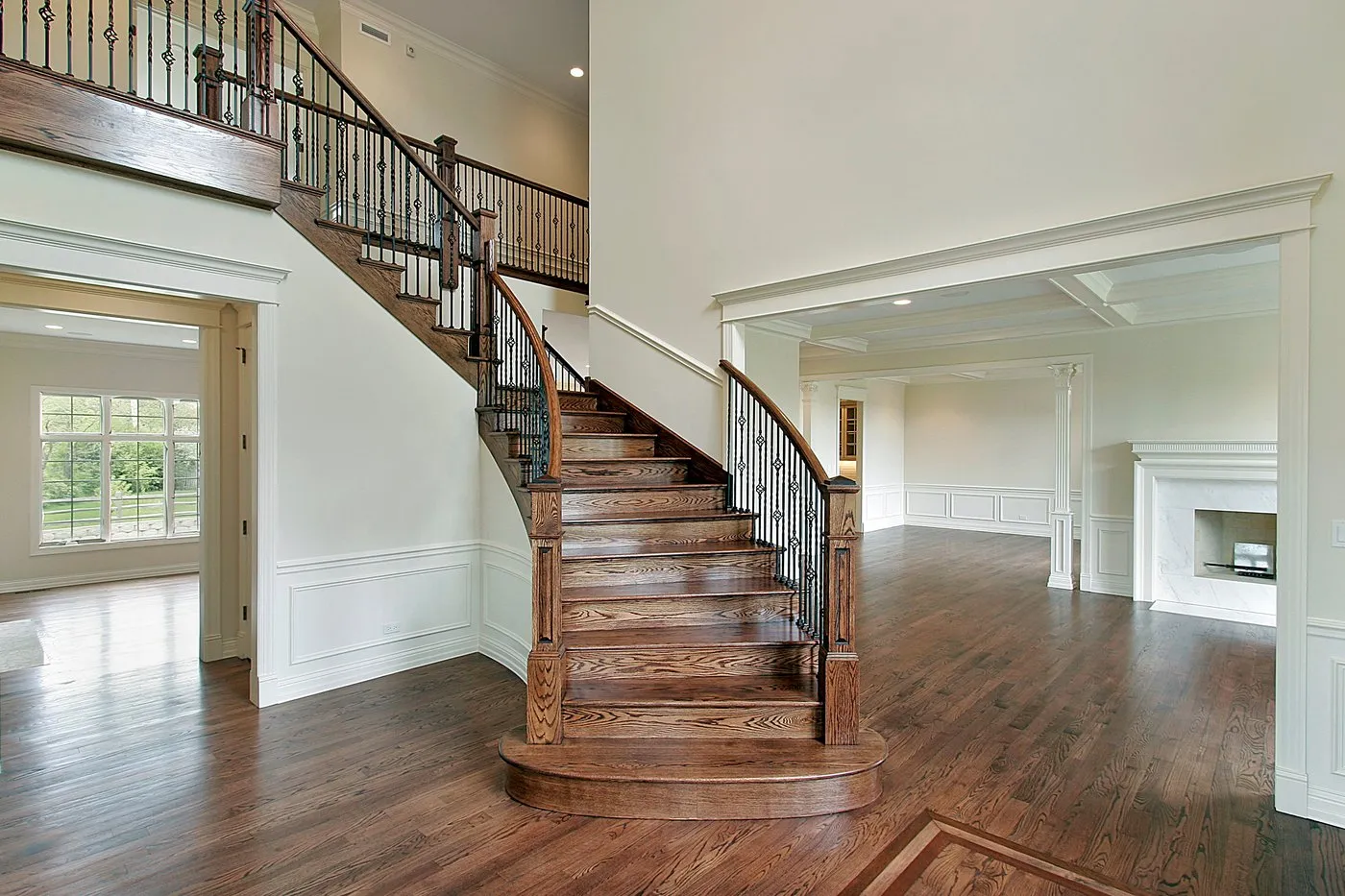
Inspect the floor construction and usable wood before selecting a sanding process. A thin surface layer or extensive damage may require another approach.




Inspect the floor construction and usable wood before selecting a sanding process. A thin surface layer or extensive damage may require another approach.

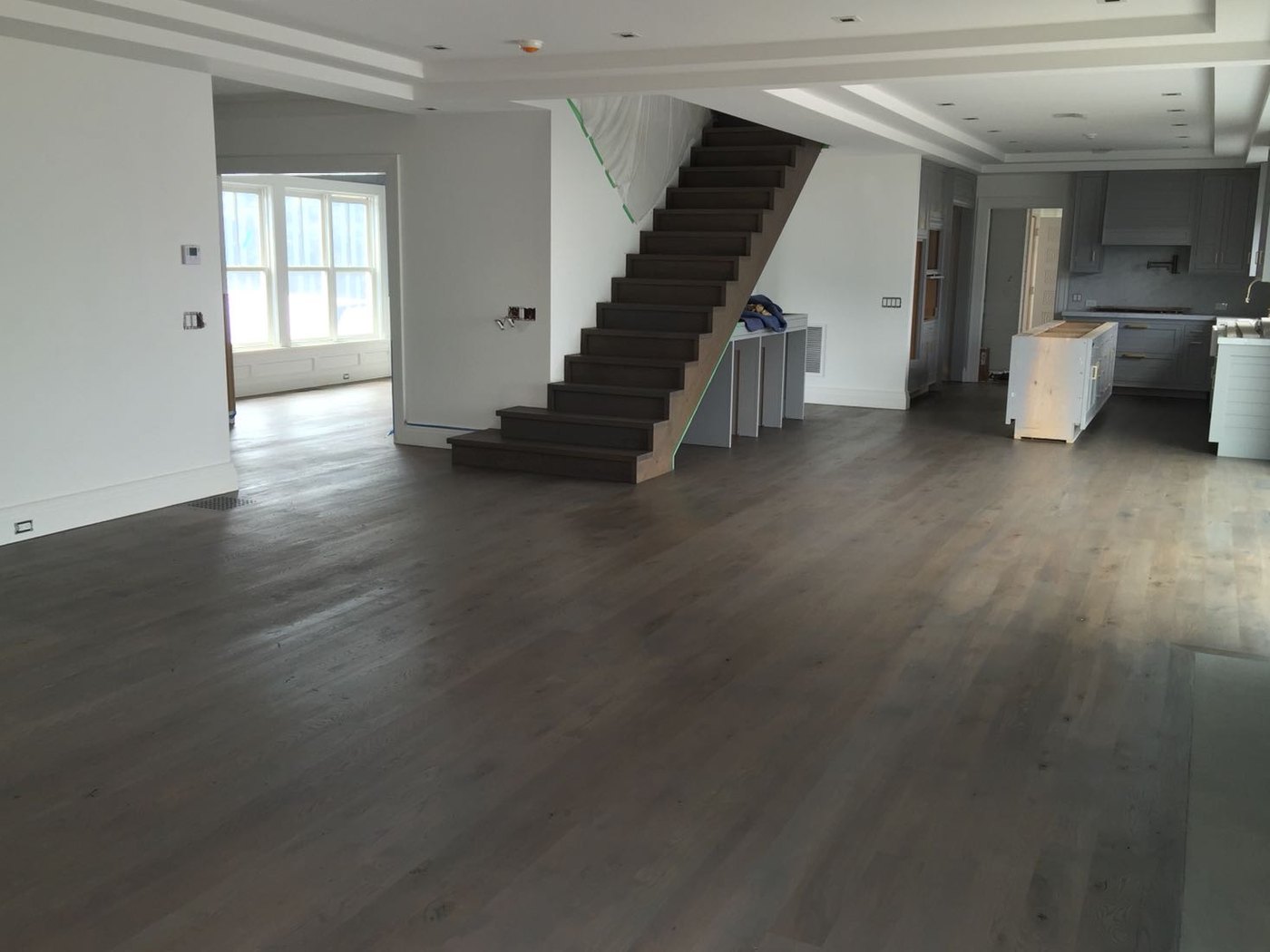
Approve stain on the prepared wood when color is part of the project. Lighting, grain and replacement planks can change the result compared with a sample card.

Review connected rooms as one finish area where appropriate. Doorways, closets and retained sections affect the scope and the edges of the work.

One year of workmanship coverage applies under the written warranty. Keep the finish care instructions, including the project-specific return-to-use guidance.

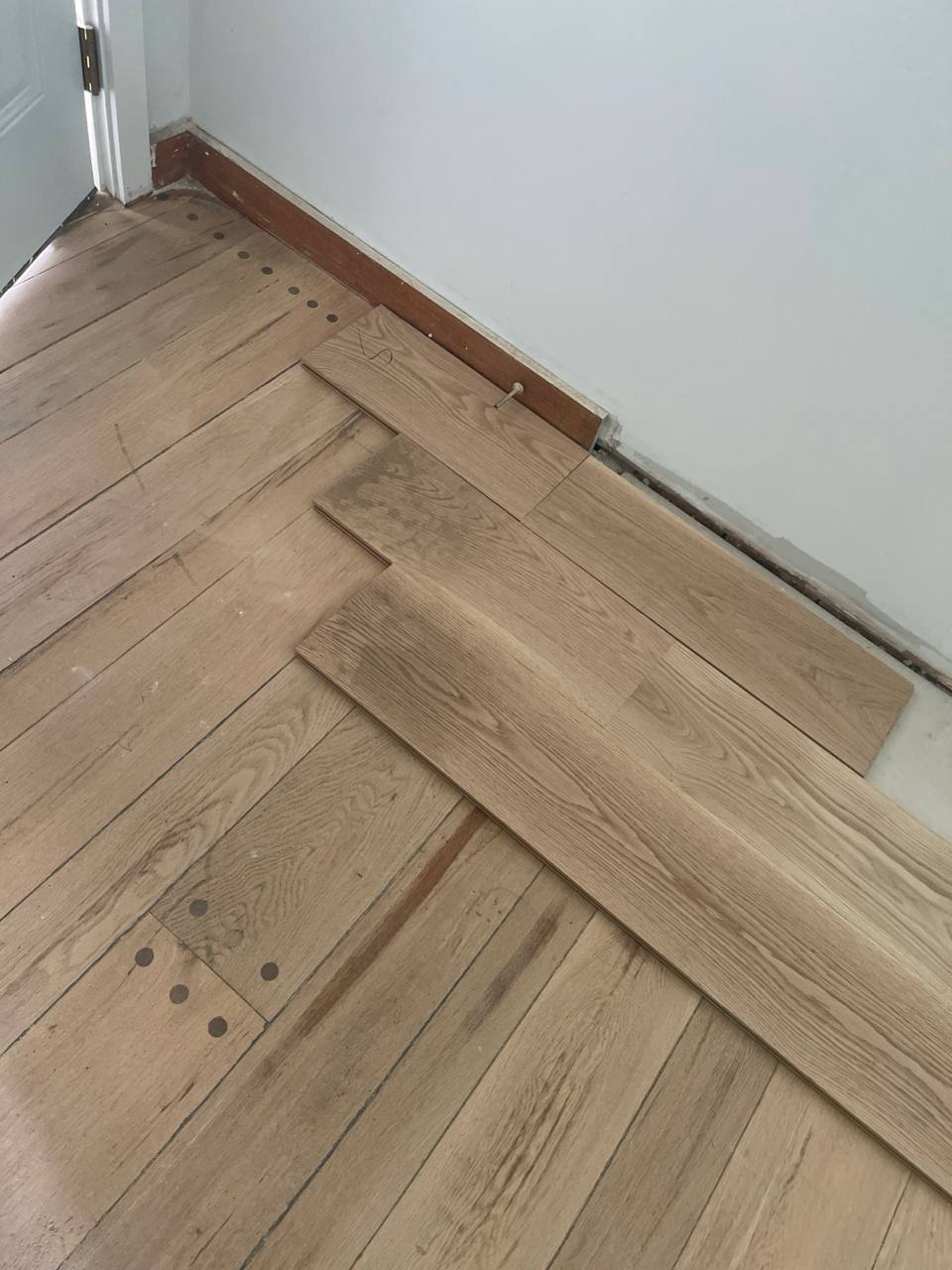
A scuffed traffic path can reveal a different condition from the room edges. Review the entire surface when defining the sanding area.
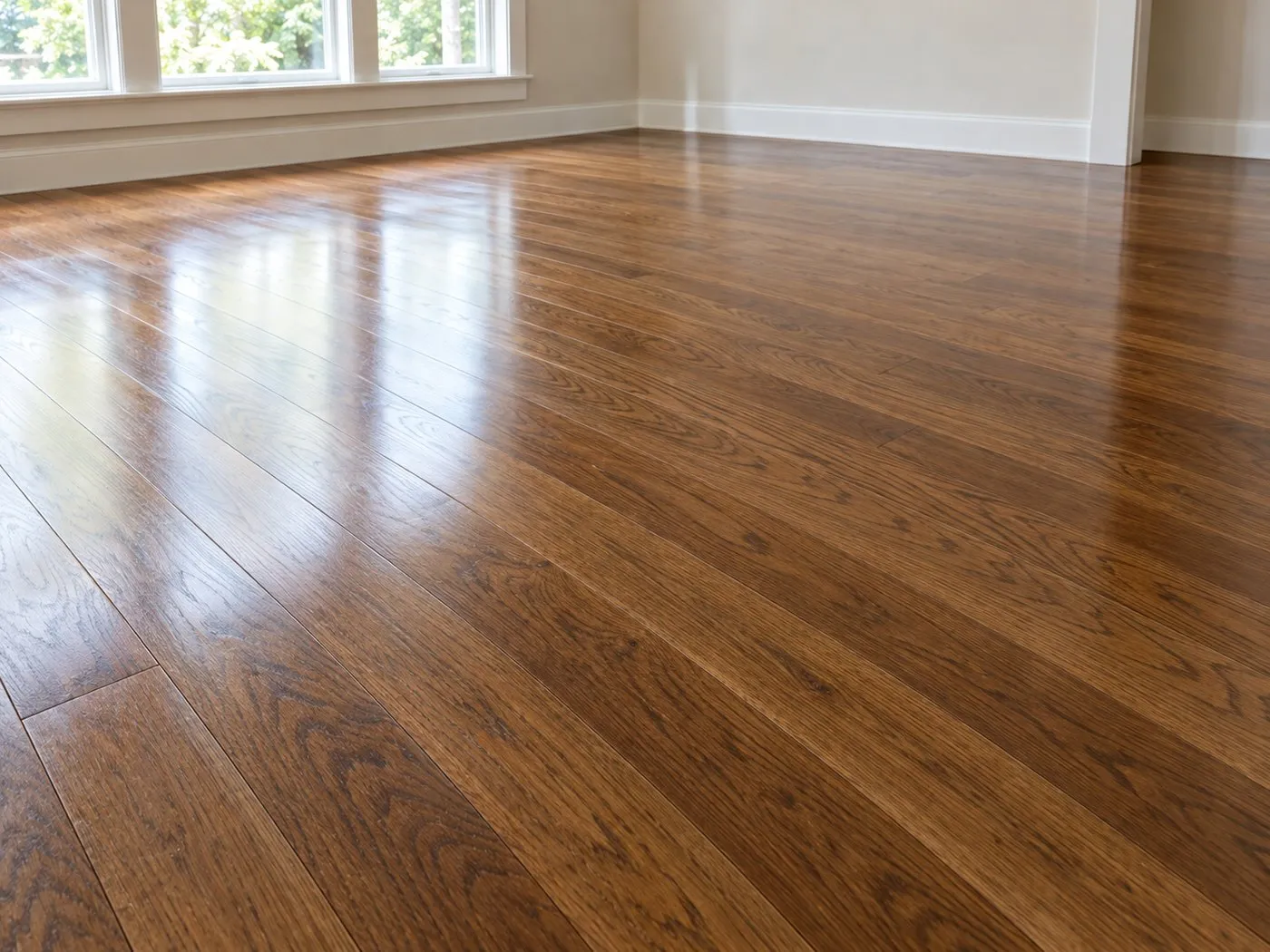
Deep scratches need an assessment of their depth. Removing too much wood simply to eliminate a mark may not be suitable.
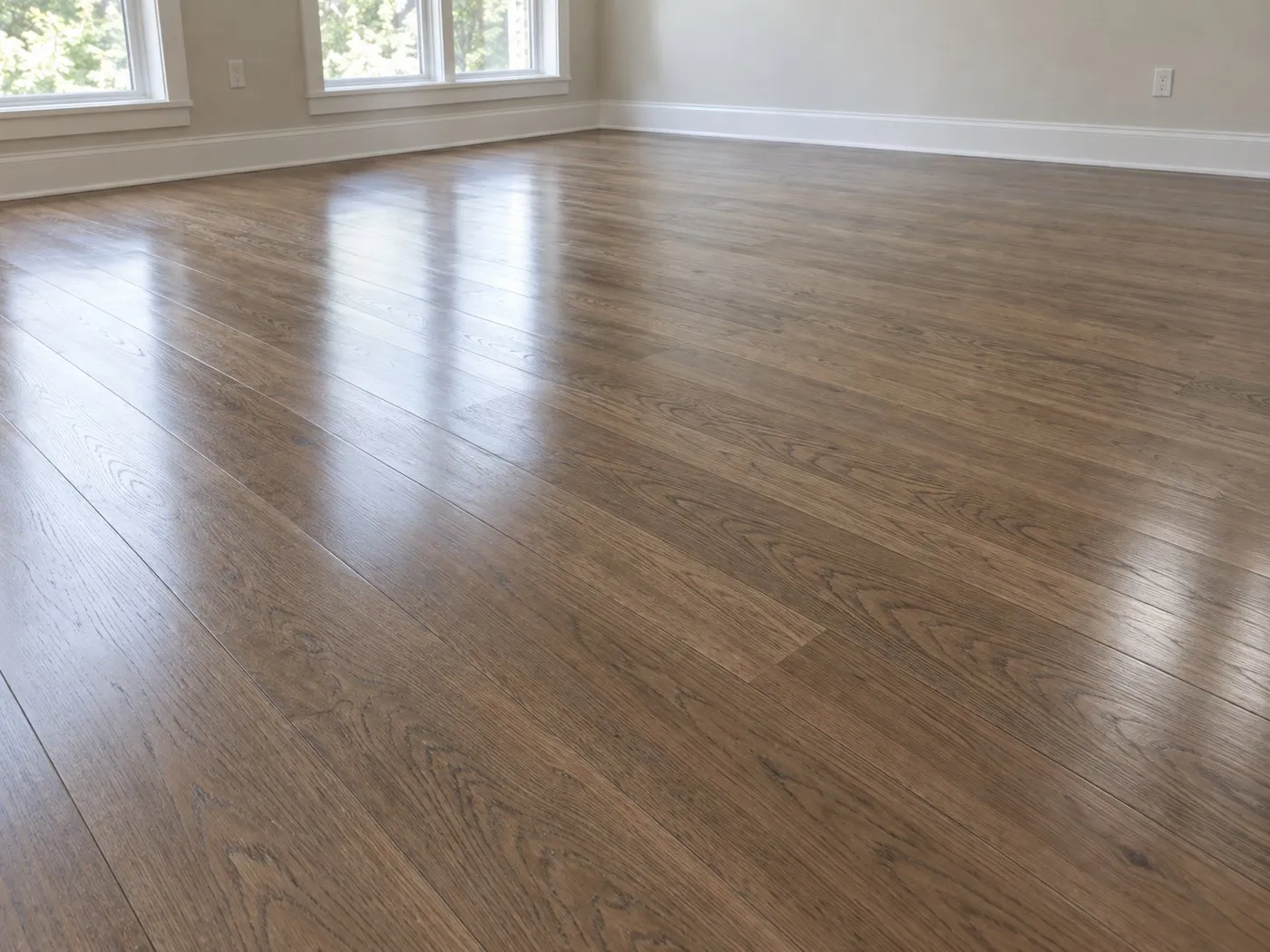
Existing patches can absorb stain differently from older planks. Discuss the expected contrast before approving the color.

Dark marks may extend beyond the available sanding depth. A replacement plank may be needed instead of repeated sanding.

A floor that moves or has loose sections needs that problem assessed before coating. Refinishing is not a structural repair.

Rooms joined without a threshold may benefit from a coordinated finish scope. Discuss where a visible change in color or sheen would occur.

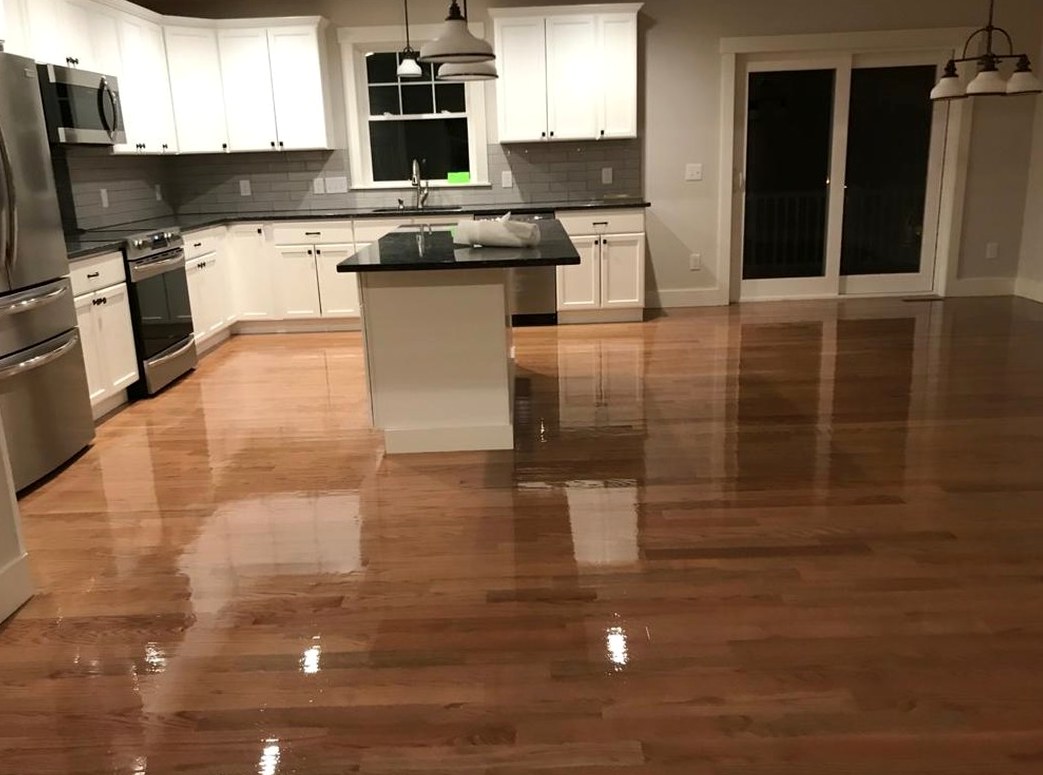
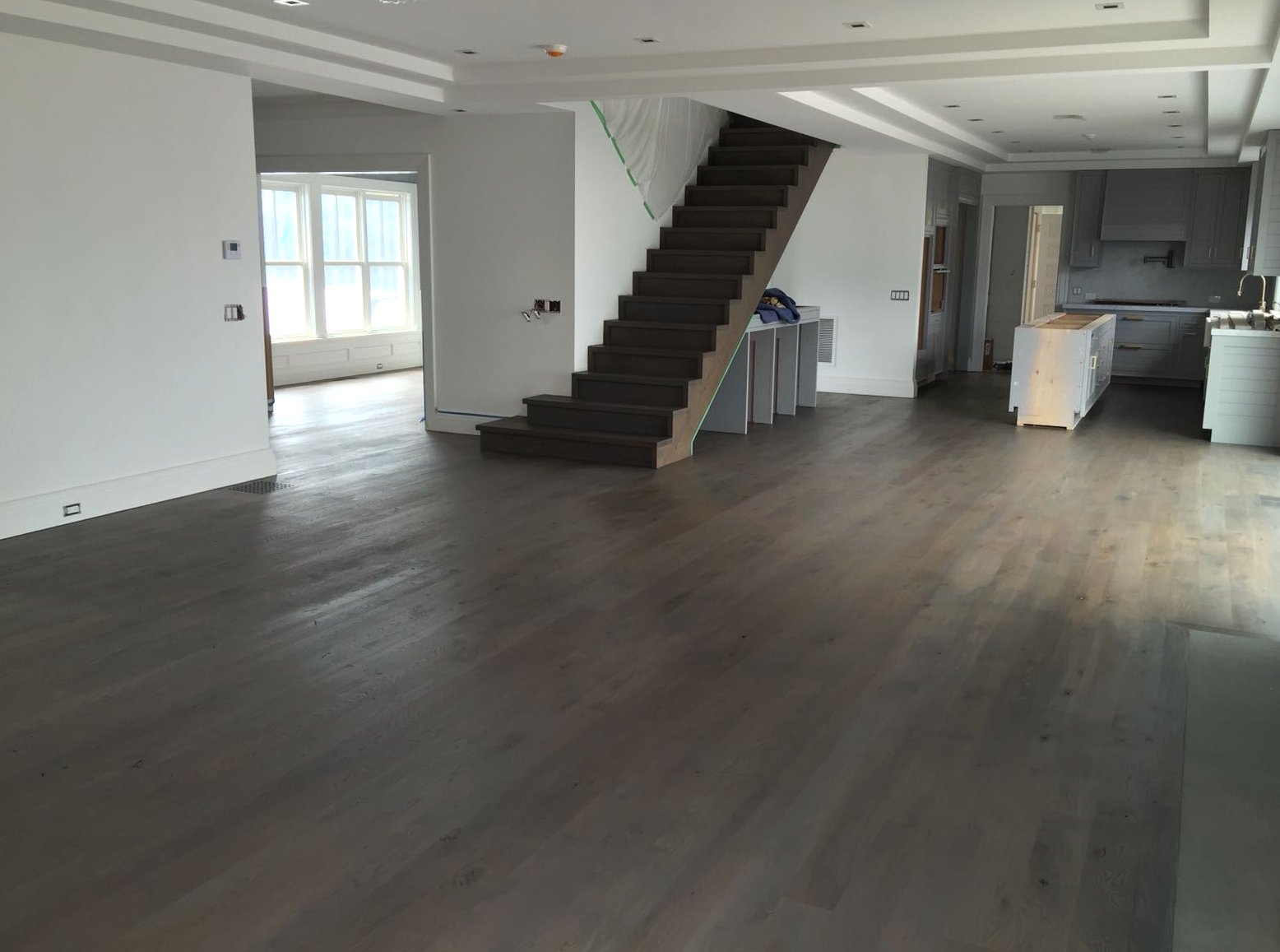
 Get your Free In-Home Estimate
No. Construction, remaining wear thickness and previous sanding determine what is possible. An inspection is needed before promising a full refinish.
Some products can, while others have too little usable wood. Identify the flooring and assess its wear layer rather than relying on total plank thickness.
Not always. A stain may reach deeper than the wood that can safely be removed. The estimate should explain whether a plank repair is more practical.
Plan necessary repairs before final sanding and coloring. The replacement material and surrounding wood should be assessed together.
For a suitable site-finished floor, a sample area can help compare color under the room lighting. Approve the selection before the full floor is stained.
The coating system and site conditions determine the instructions. Walking, furniture and rug placement can have different waiting periods.
That may be possible, but the connection can remain visible. Review the doorway and the difference in color or sheen when deciding the scope.
Only if the written proposal includes that responsibility. Agree on furniture storage and the route through the property before work begins.