Dustless Floor Refinishing
A faded coating and a deeply damaged board are different problems. We assess the existing surface before recommending sanding or explaining the limits of restoration.



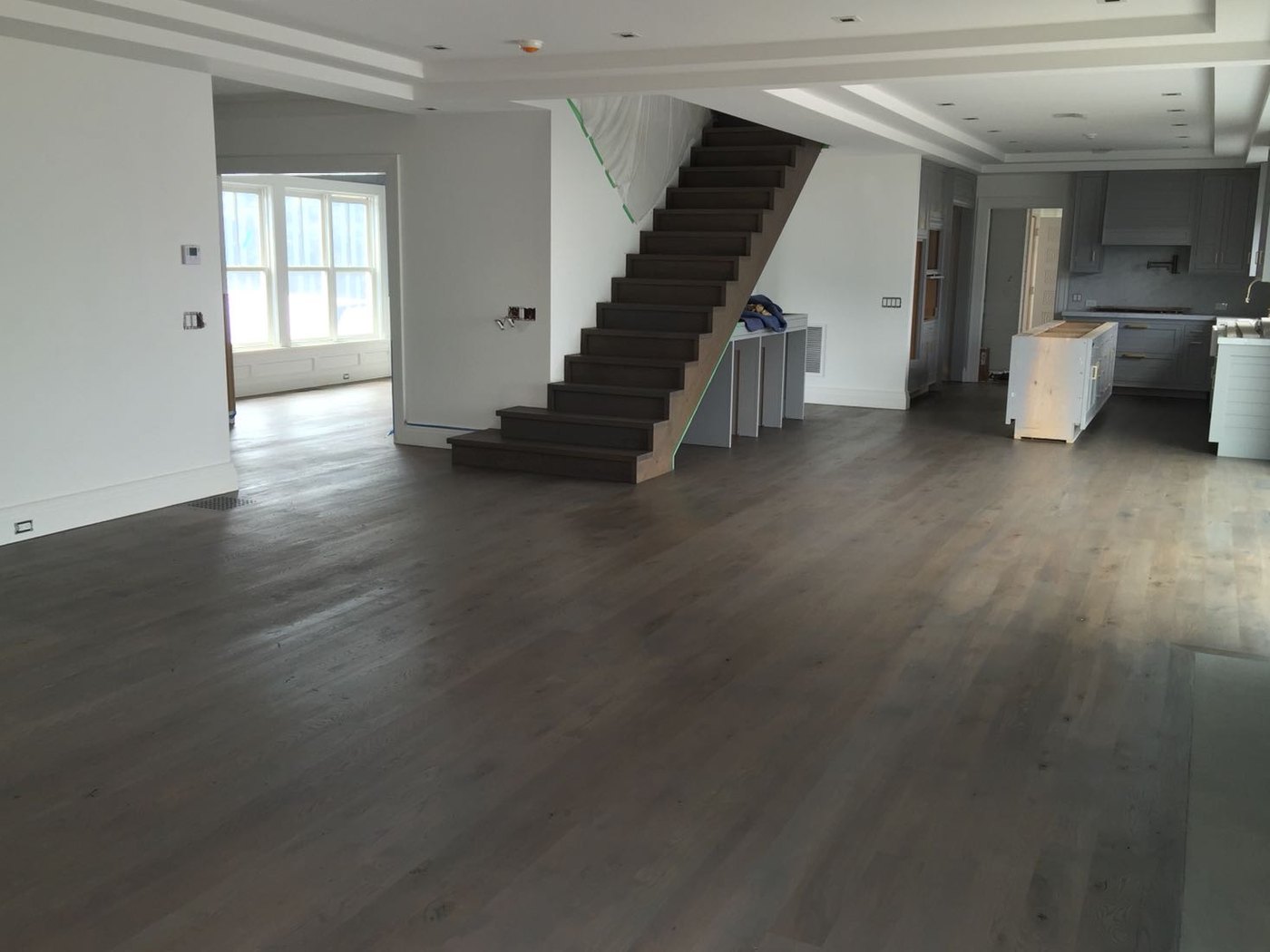

A faded coating and a deeply damaged board are different problems. We assess the existing surface before recommending sanding or explaining the limits of restoration.

Stain and clear finish are separate choices. View the proposed color on representative wood and discuss the finish system before application begins.

Check the rooms and the routes between them. A hallway that serves occupied bedrooms requires a different work sequence from an empty room.

Our labor coverage runs for one year under the written workmanship terms. Follow the specified finish care and return-to-use instructions after completion.

A clear finish keeps the wood's natural variation visible. Review a sample rather than assuming the floor will remain the exact color of bare wood.
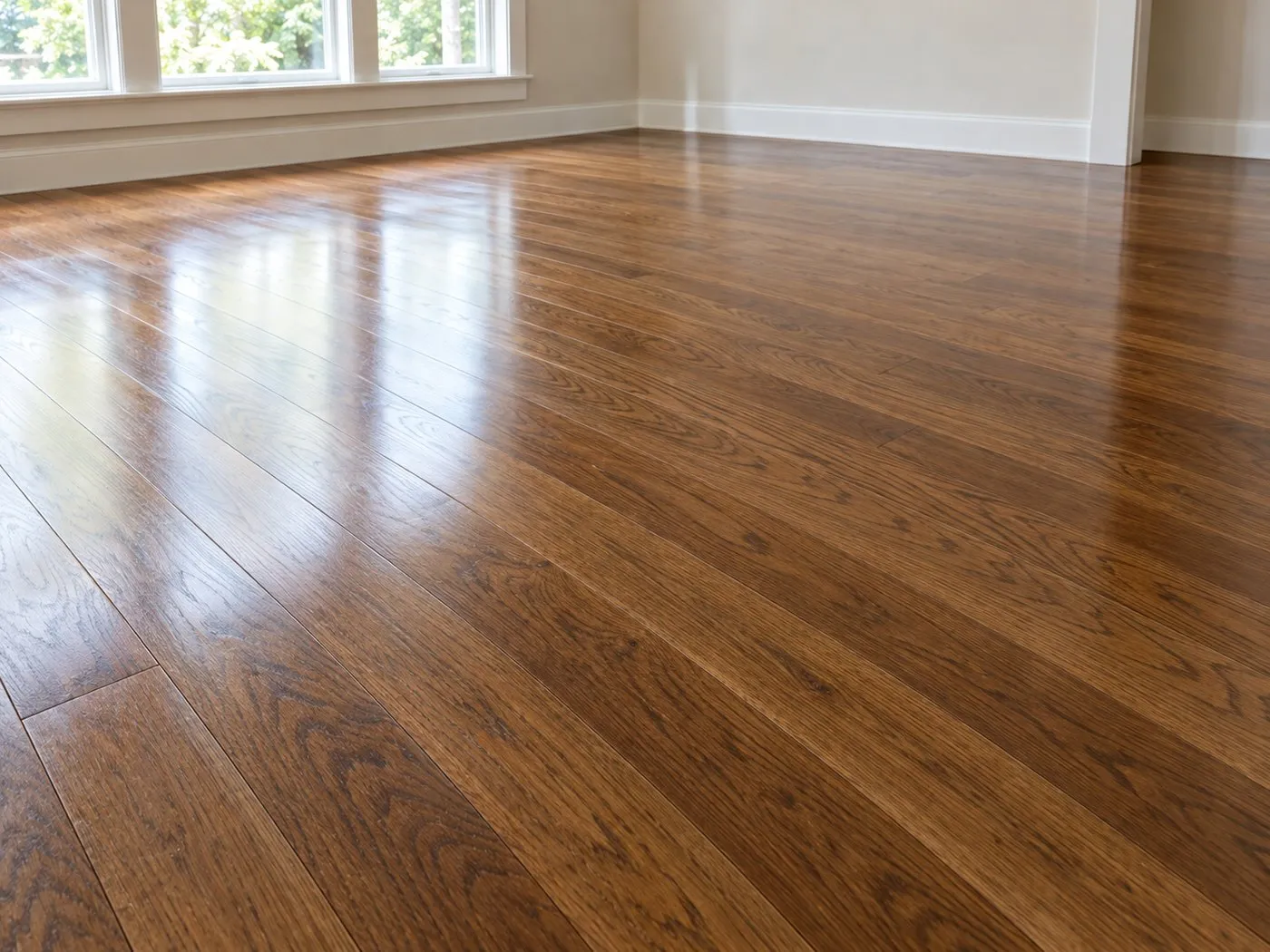
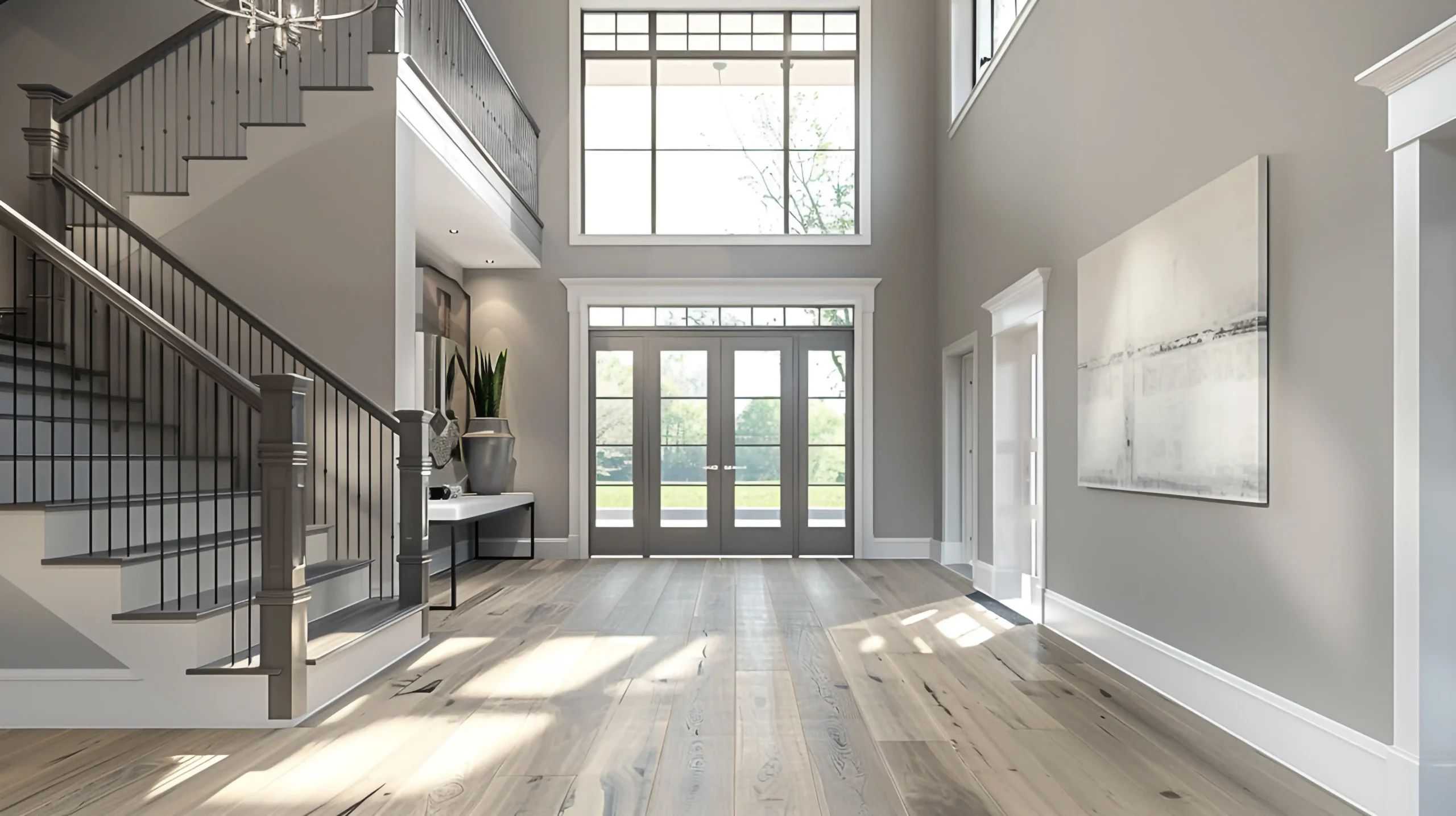
A lighter stain depends on the species and existing marks. Discuss preparation and achievable results before selecting a pale reference photo.
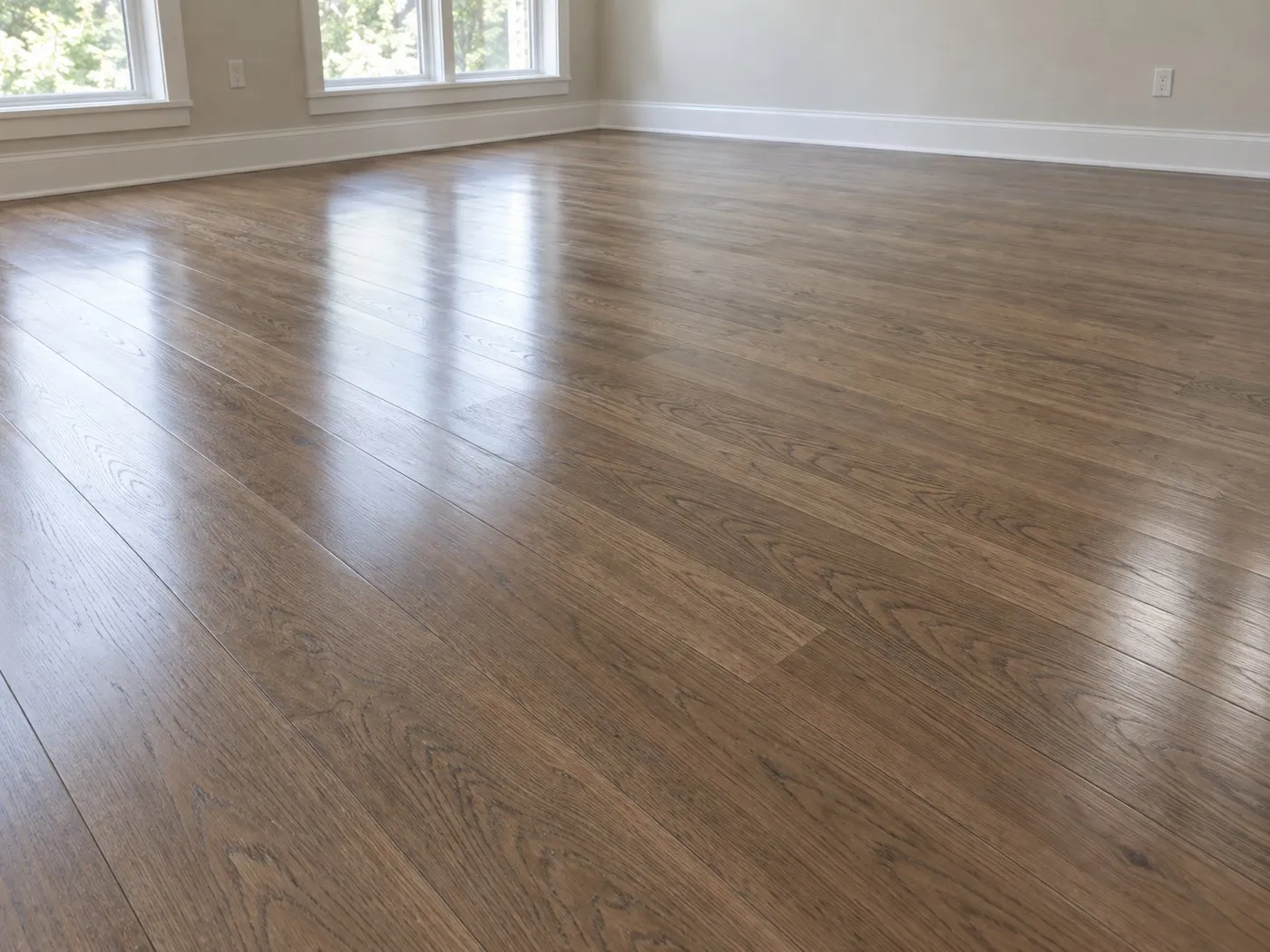
Mid-tone colors can bring together contrasting boards. Patches may still show differences in grain and absorption.

Darker colors may emphasize dust or surface marks. Consider everyday use and care alongside the desired appearance.

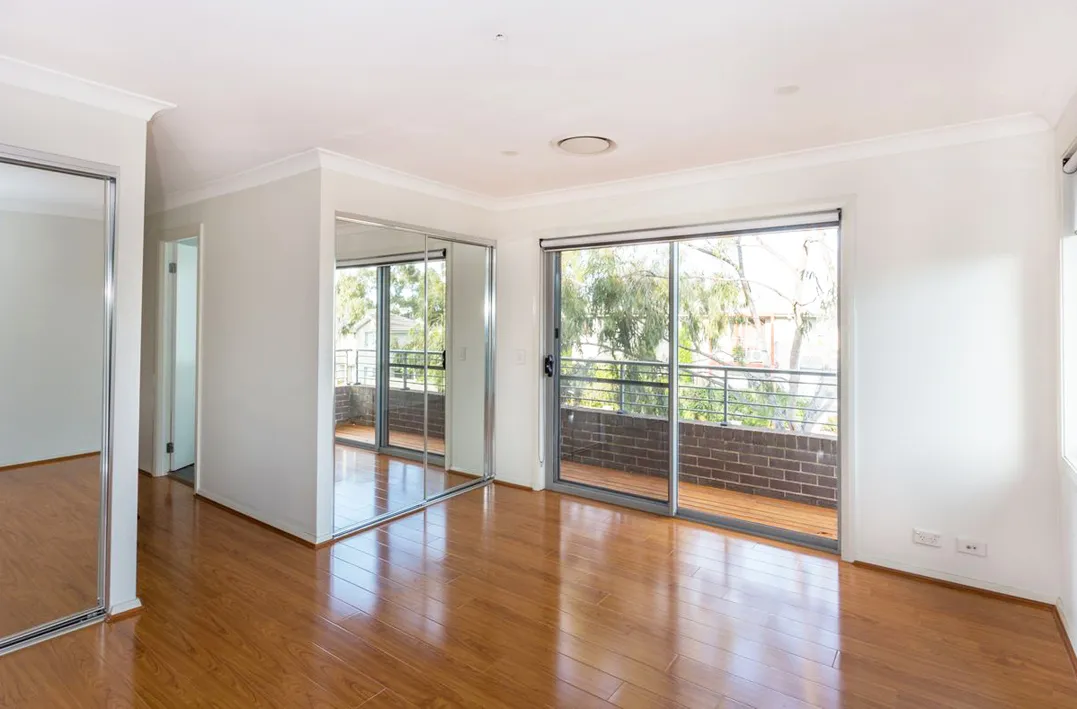
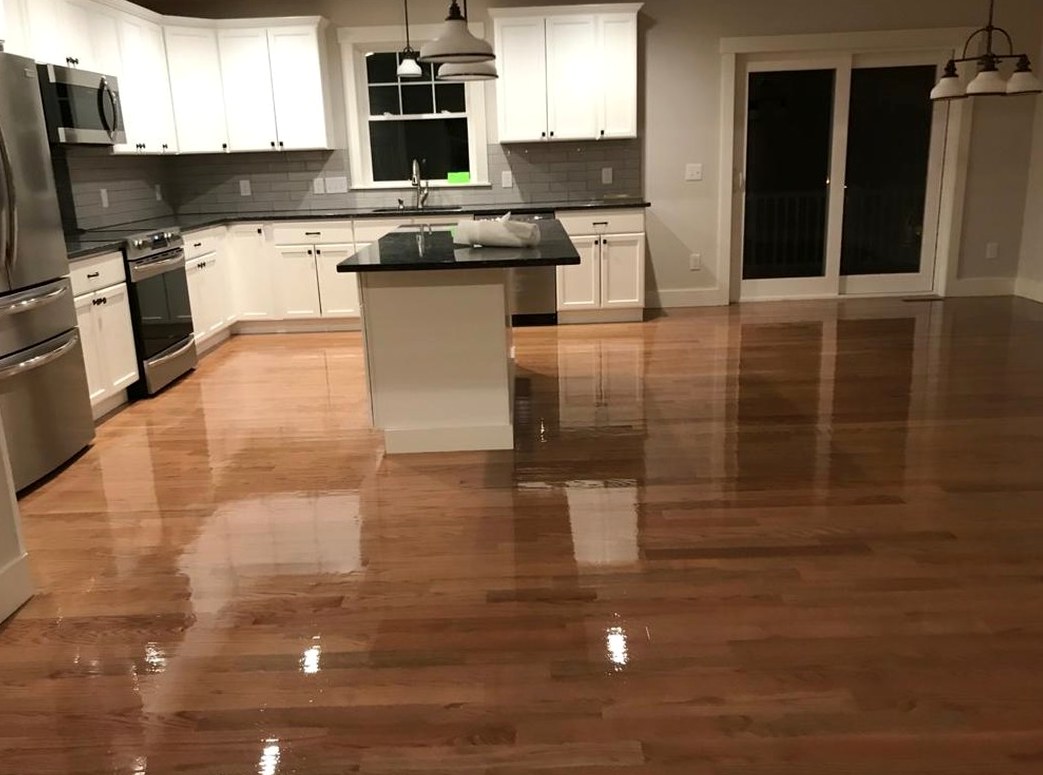
Sheen changes how light reflects across the room. Compare samples from your usual viewing positions before approving the finish.

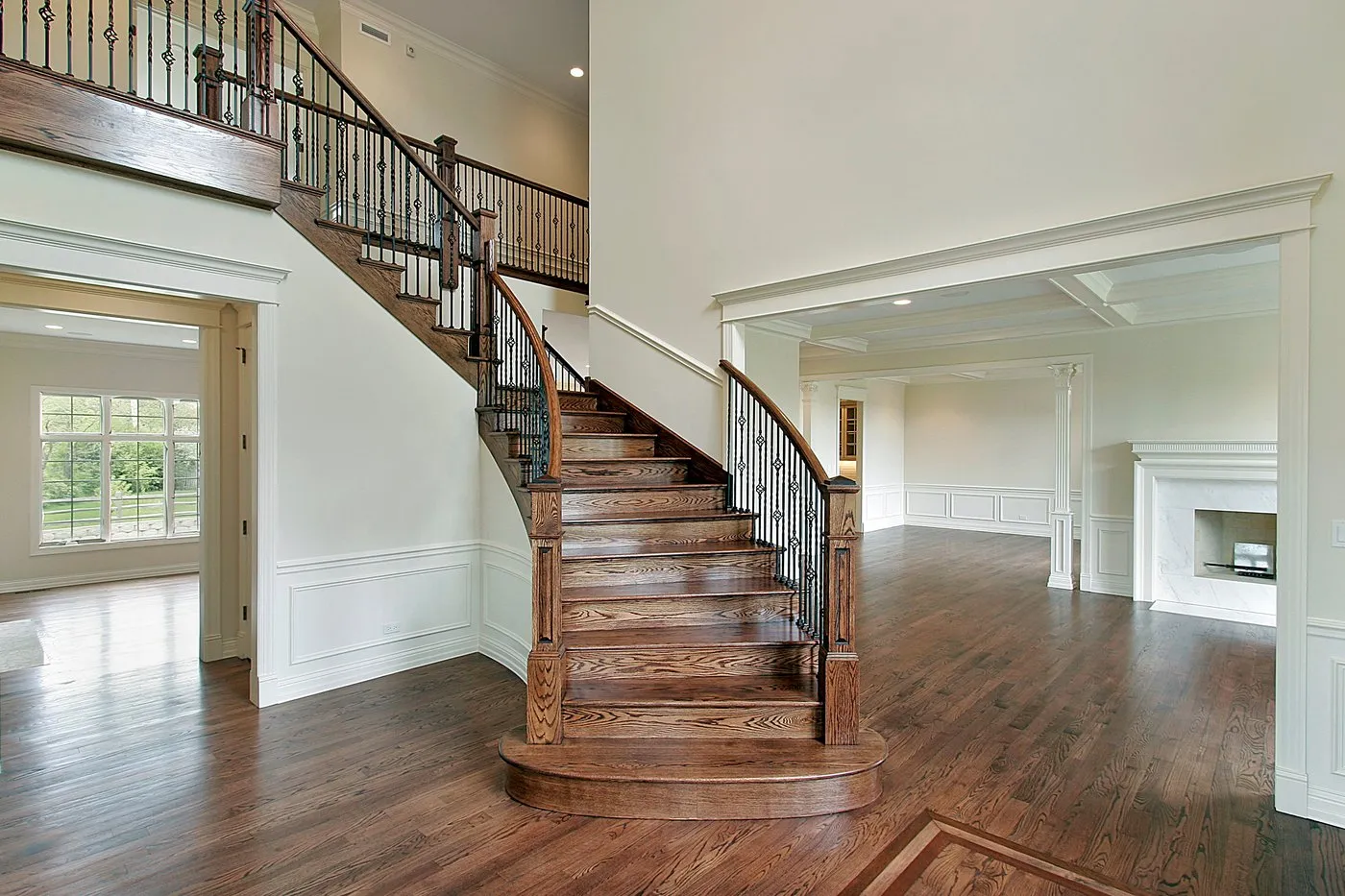
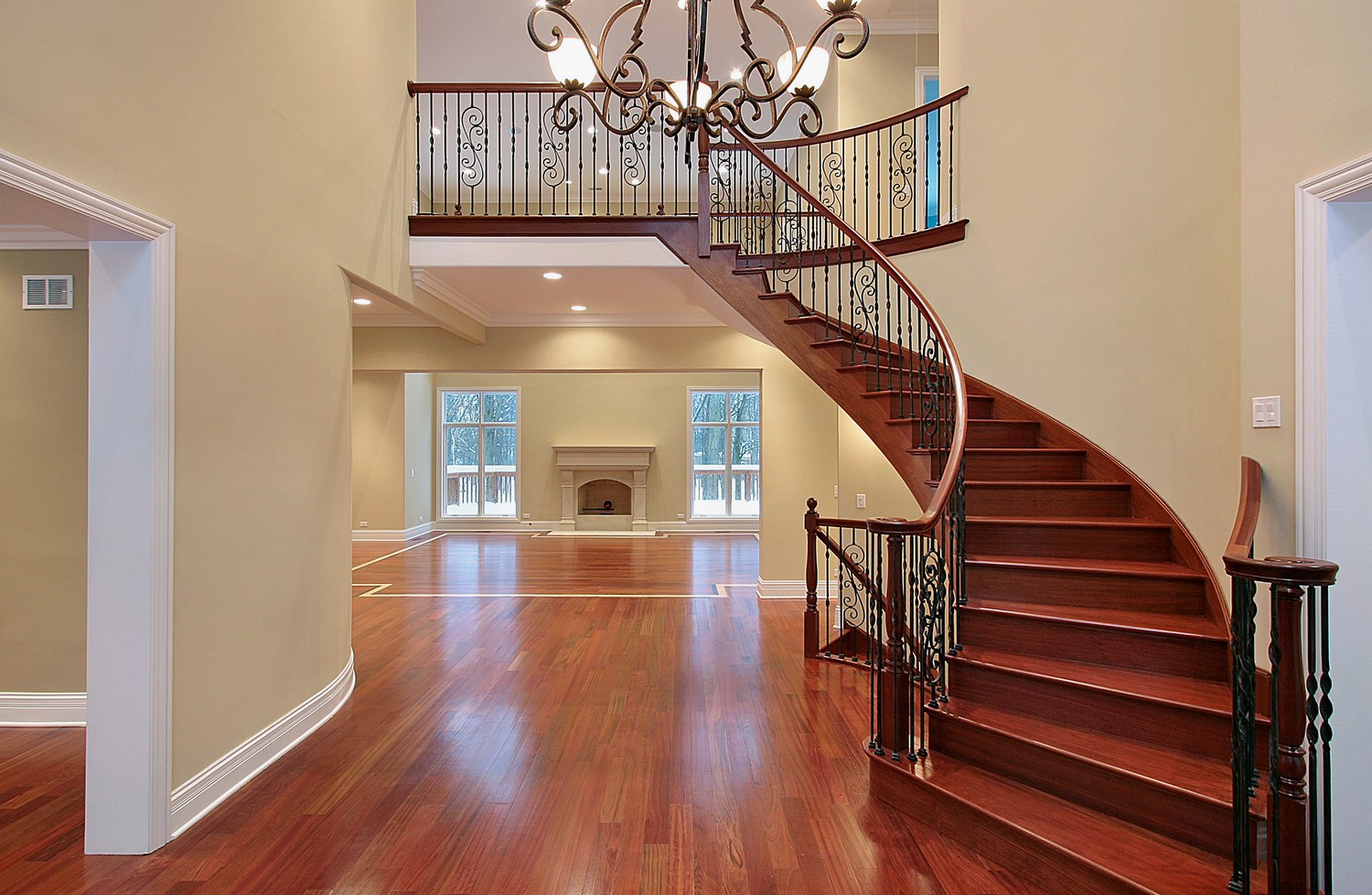
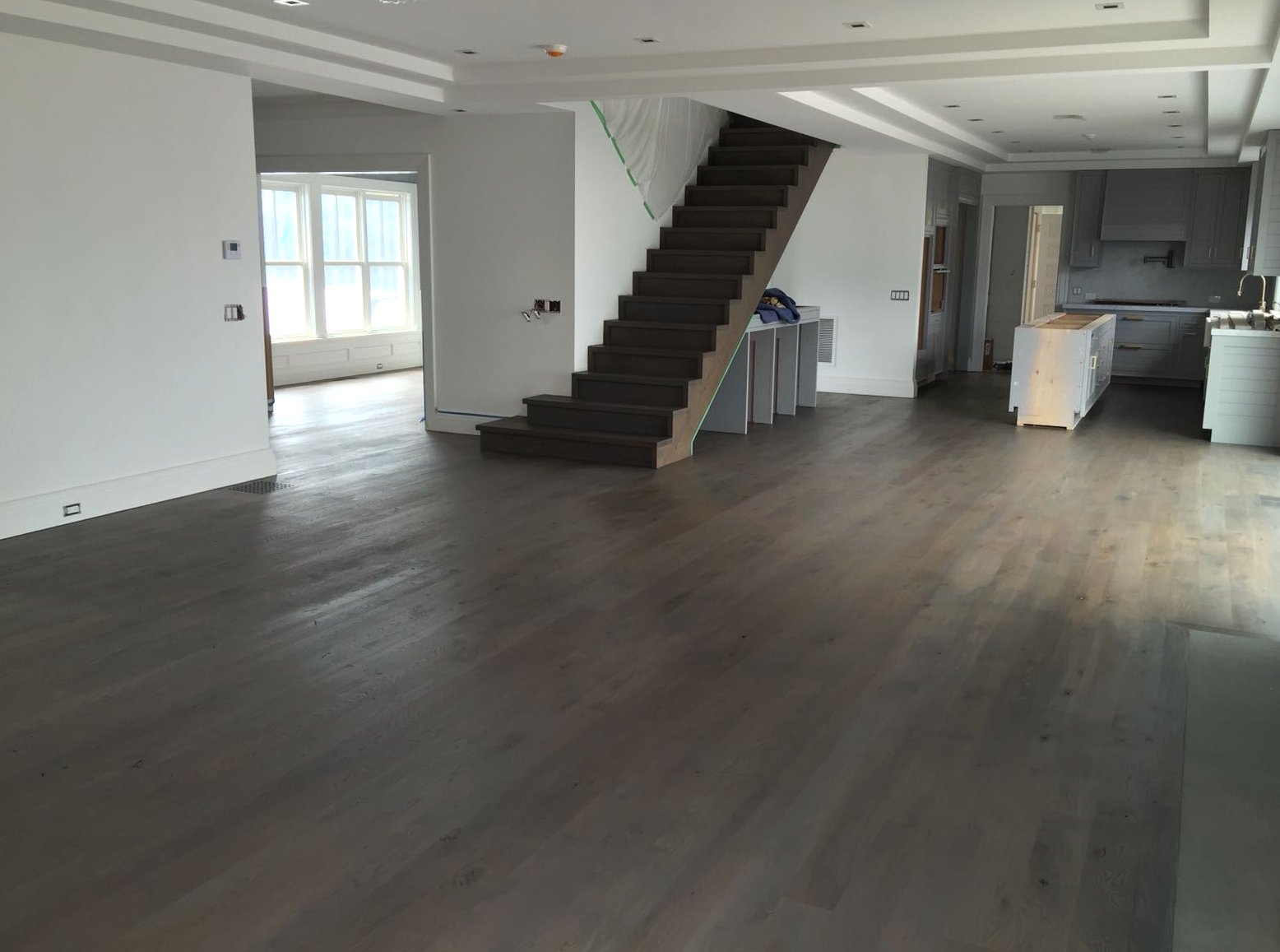
Stair treads and room floors may not be the same wood. Review their color relationship together if both are included in the project.
 Get your Free In-Home Estimate
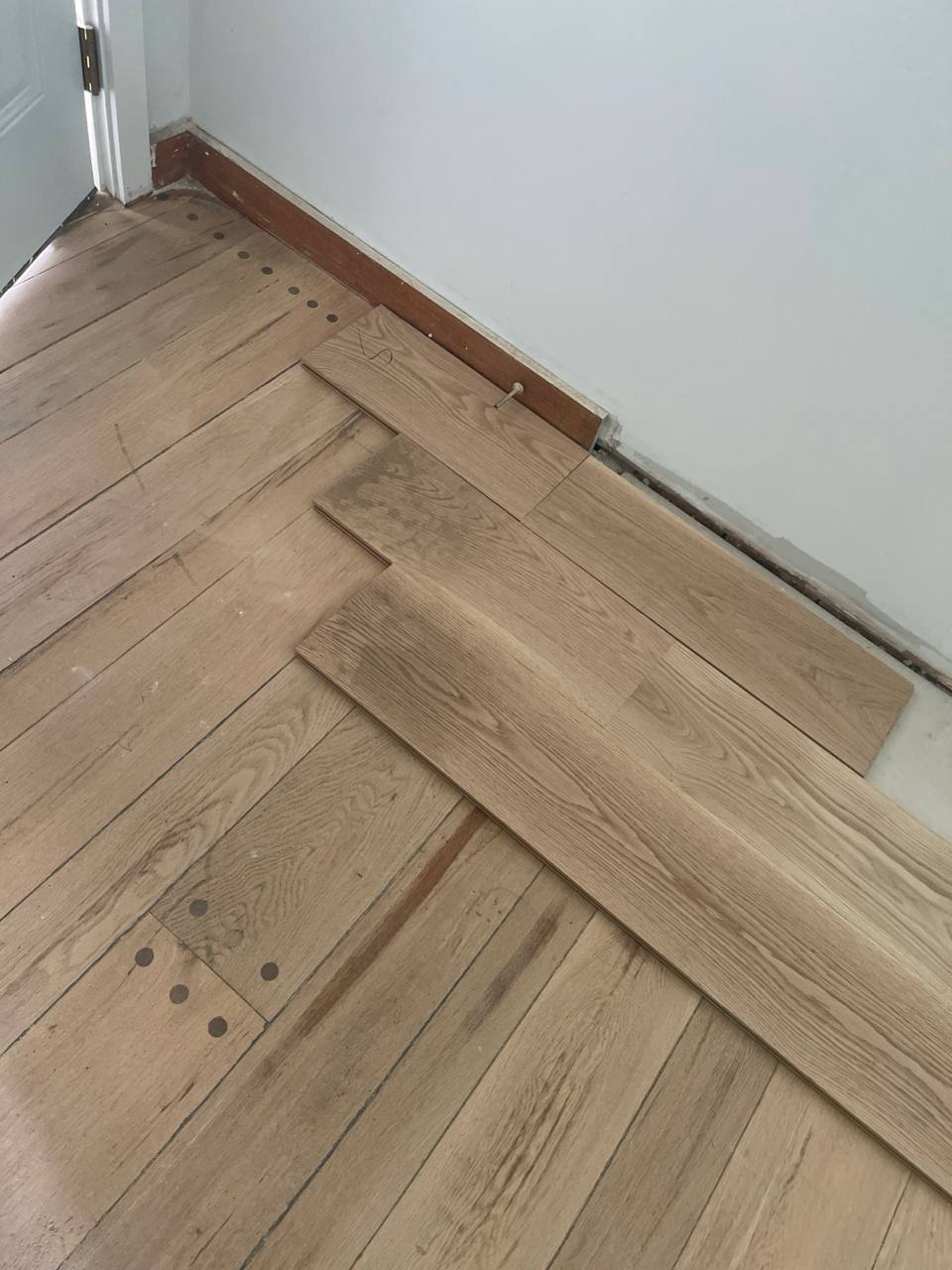
Inspect a board edge at a vent or threshold where possible. Prior sanding, fasteners and repairs can reduce the wood available for another pass. For a floor that has already been sanded around a wall vent, point out the exact spot during the estimate.
The depth and cause of a mark determine what sanding can remove. A trial and inspection help identify where a board repair might still be necessary.
Choose a shortlist first, then sample on the prepared floor. The existing wood, sanding sequence and finish can all shift the color. For a floor that has already been sanded around a wall vent, point out the exact spot during the estimate.
Agree on a route and the rooms in each phase before work starts. Use the chosen finish’s instructions for traffic, furniture and rugs.
Examine whether each patch is stable and whether it differs from the surrounding wood. Compare a sample before deciding to retain or replace it. Bring a photo of a floor that has already been sanded around a wall vent if it is part of the plan.
Choose a deliberate stopping point at a threshold or change in direction. Existing color and sheen can still differ across that boundary.
Identify movement before the sanding phase. Fixing the underlying issue early helps the crew plan the repair and the finish together. For a floor that has already been sanded around a wall vent, point out the exact spot during the estimate.
Measured area, sanding condition, repairs and the chosen finish set the scope. Ask the estimate to identify separately any stair or furniture work.