Dustless Floor Refinishing
Plan dust collection for Eastchester sanding. Protect adjacent surfaces and organize cleaning; collection does not capture every particle.



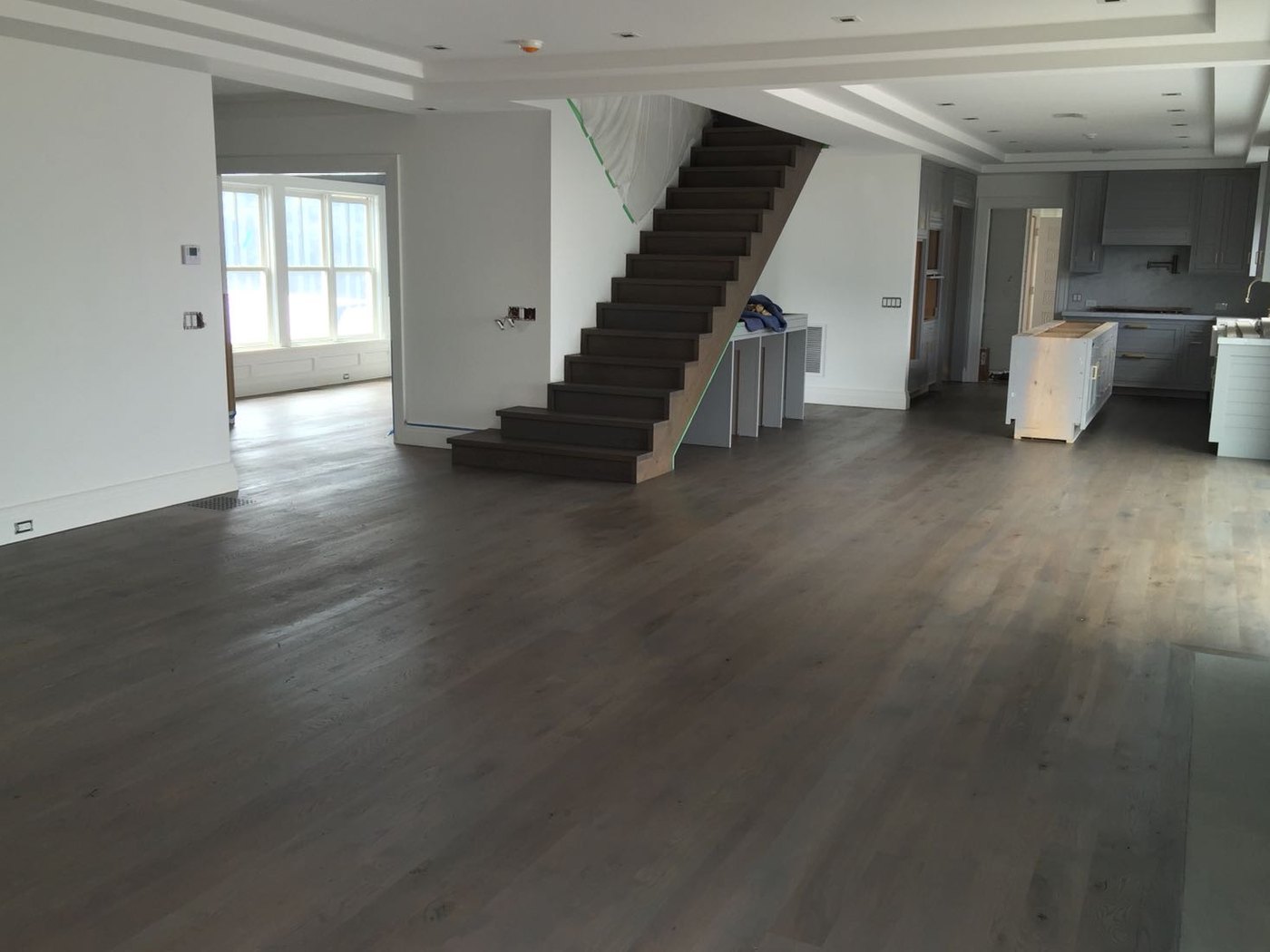

Plan dust collection for Eastchester sanding. Protect adjacent surfaces and organize cleaning; collection does not capture every particle.

Discuss a three-to-five-day refinishing plan for Eastchester. Repairs, stain choice and finish drying determine your project schedule. Mark the areas to retain.

Inspect Tuckahoe boards for splits, deep marks and old repairs. List replacement needs before agreeing on the sanding work. Include the room next door.

Your Eastchester refinishing warranty covers a one-year term. Review its itemized terms and retain finish-care instructions. Review product and labor terms separately.

By Tuckahoe, a clear finish lets the original color and grain show after the wood is sanded.
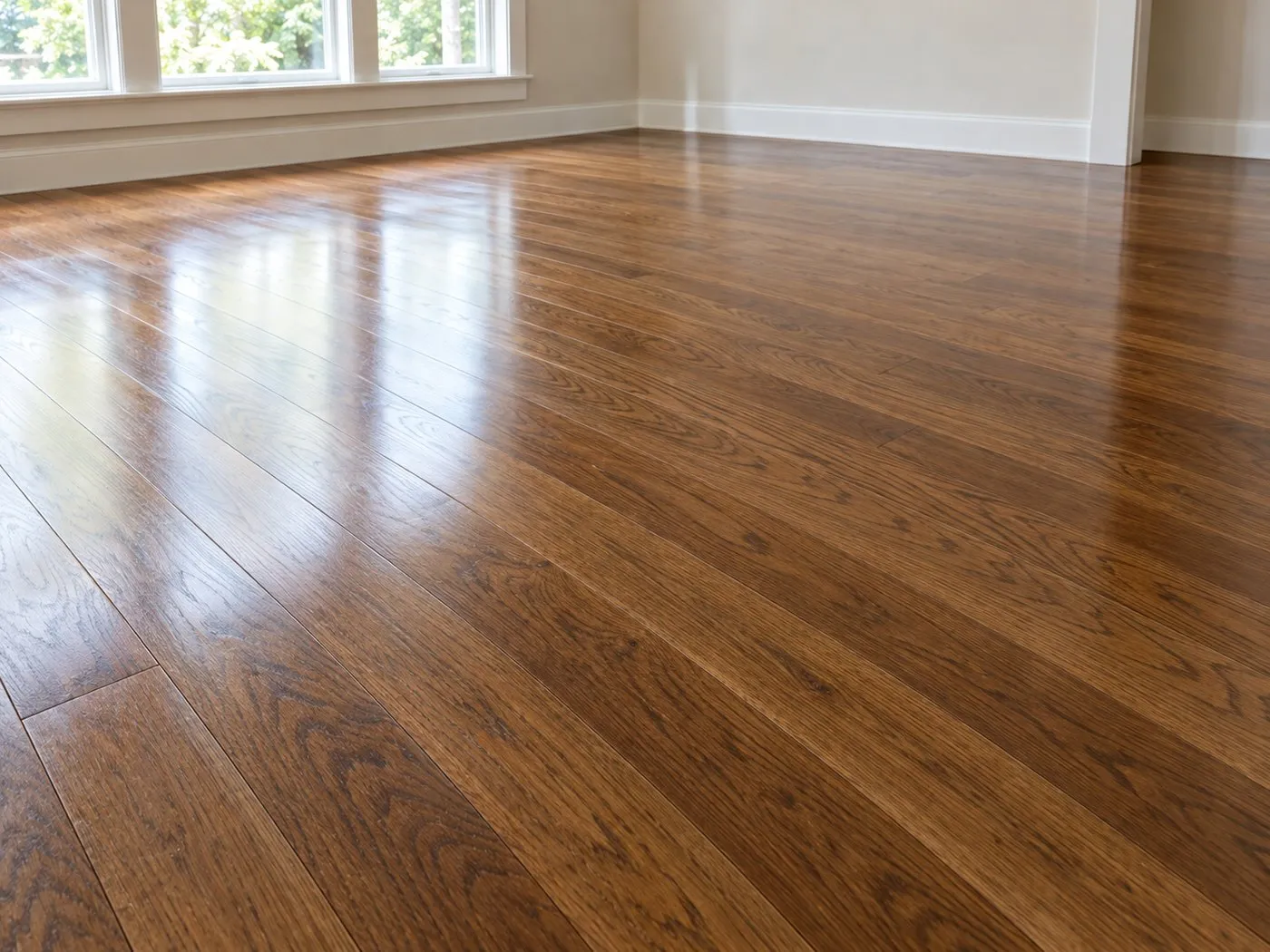
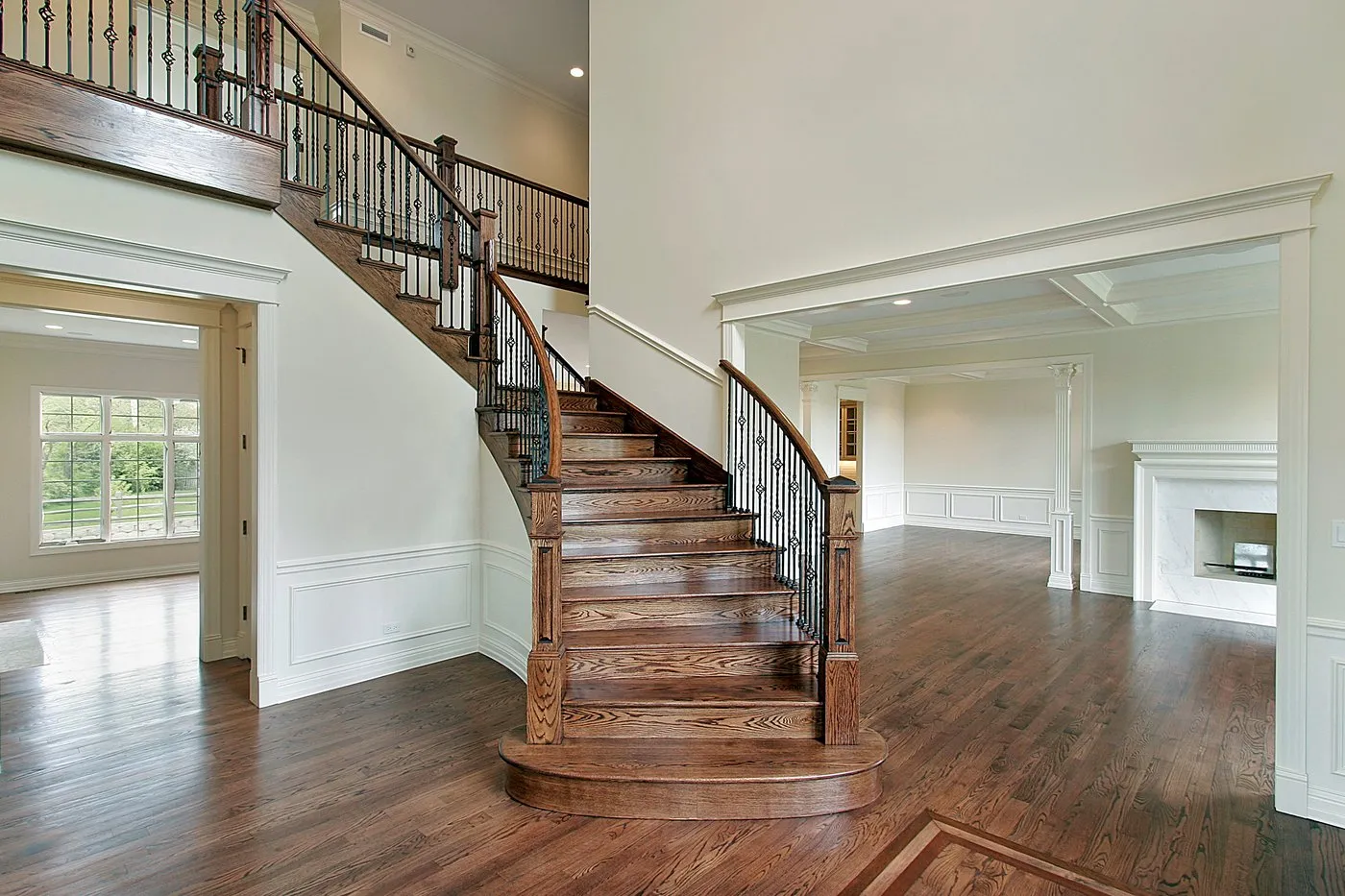
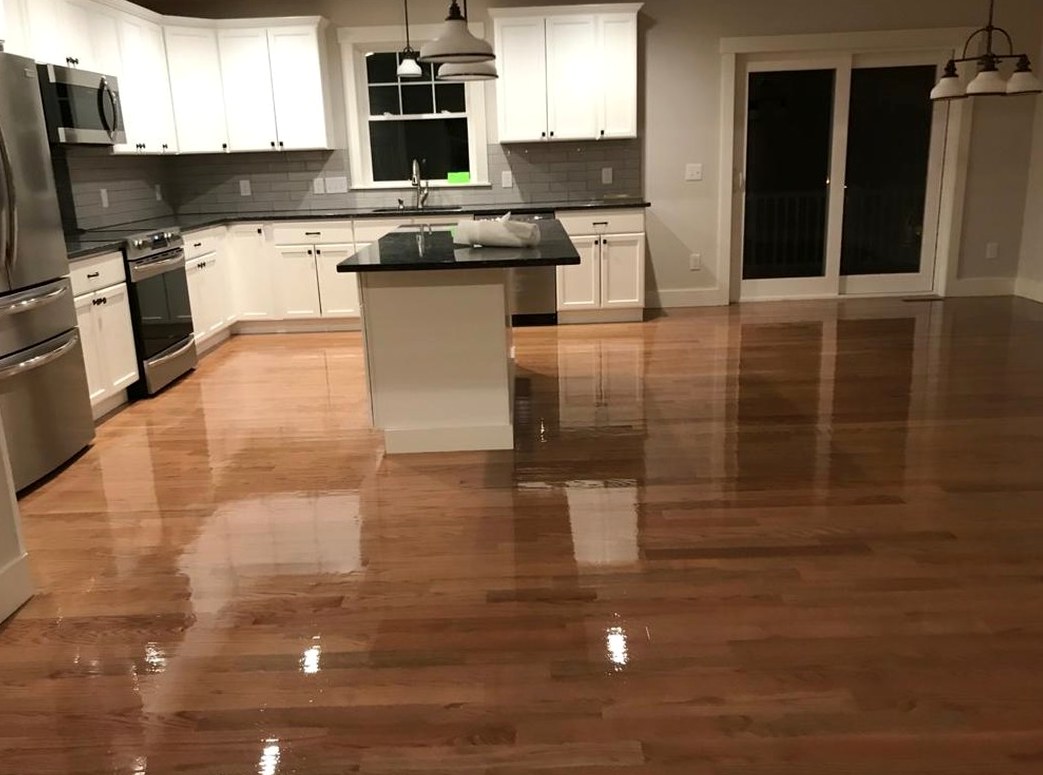
Near Bronxville, a warm medium brown can soften the contrast between oak grain and everyday wear.
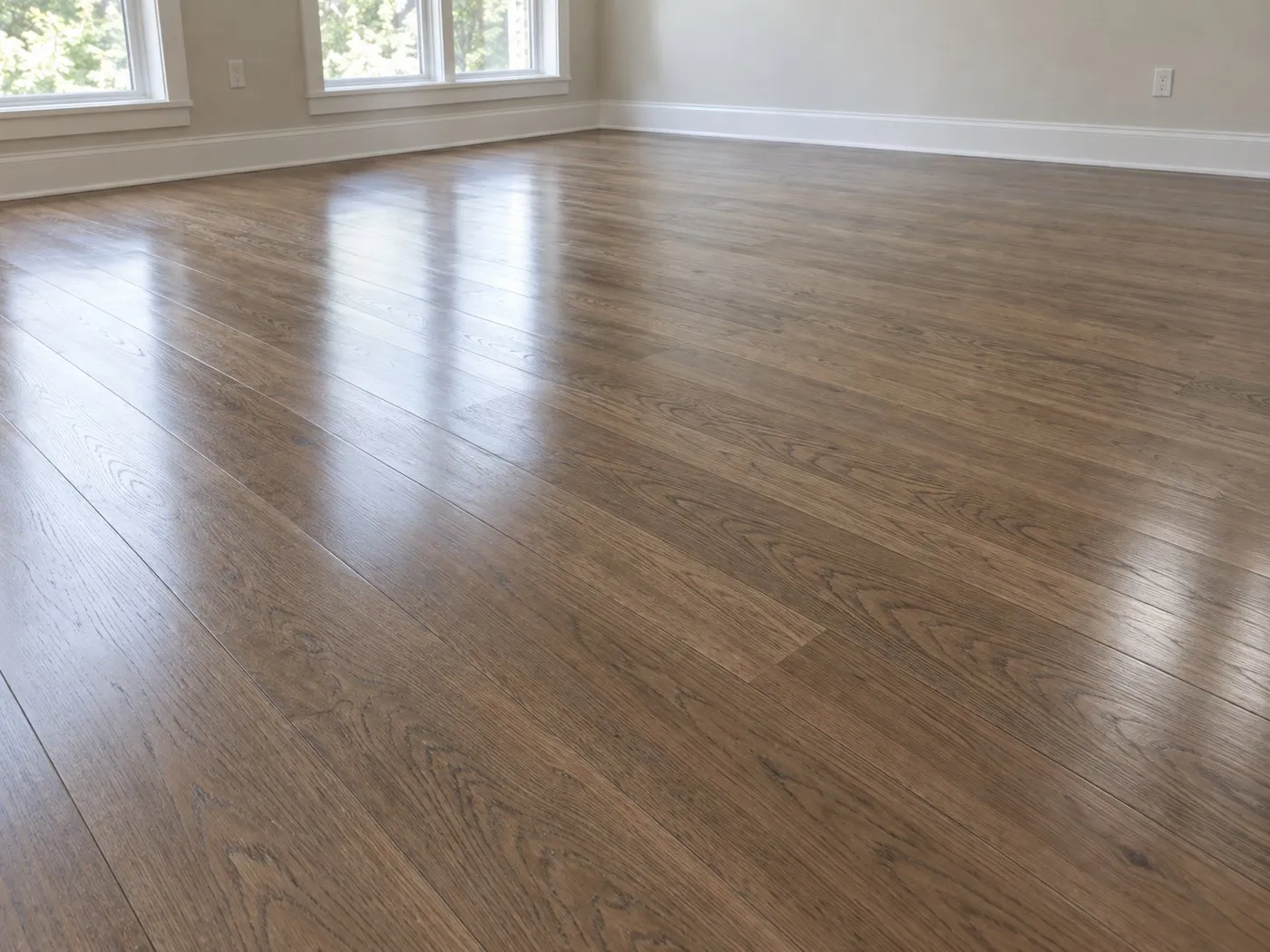
Try a neutral brown on prepared red oak and compare it with the surrounding trim. See samples by Tuckahoe.

By Tuckahoe, a rich brown with a red undertone can also draw out warmth near brick or painted wood.

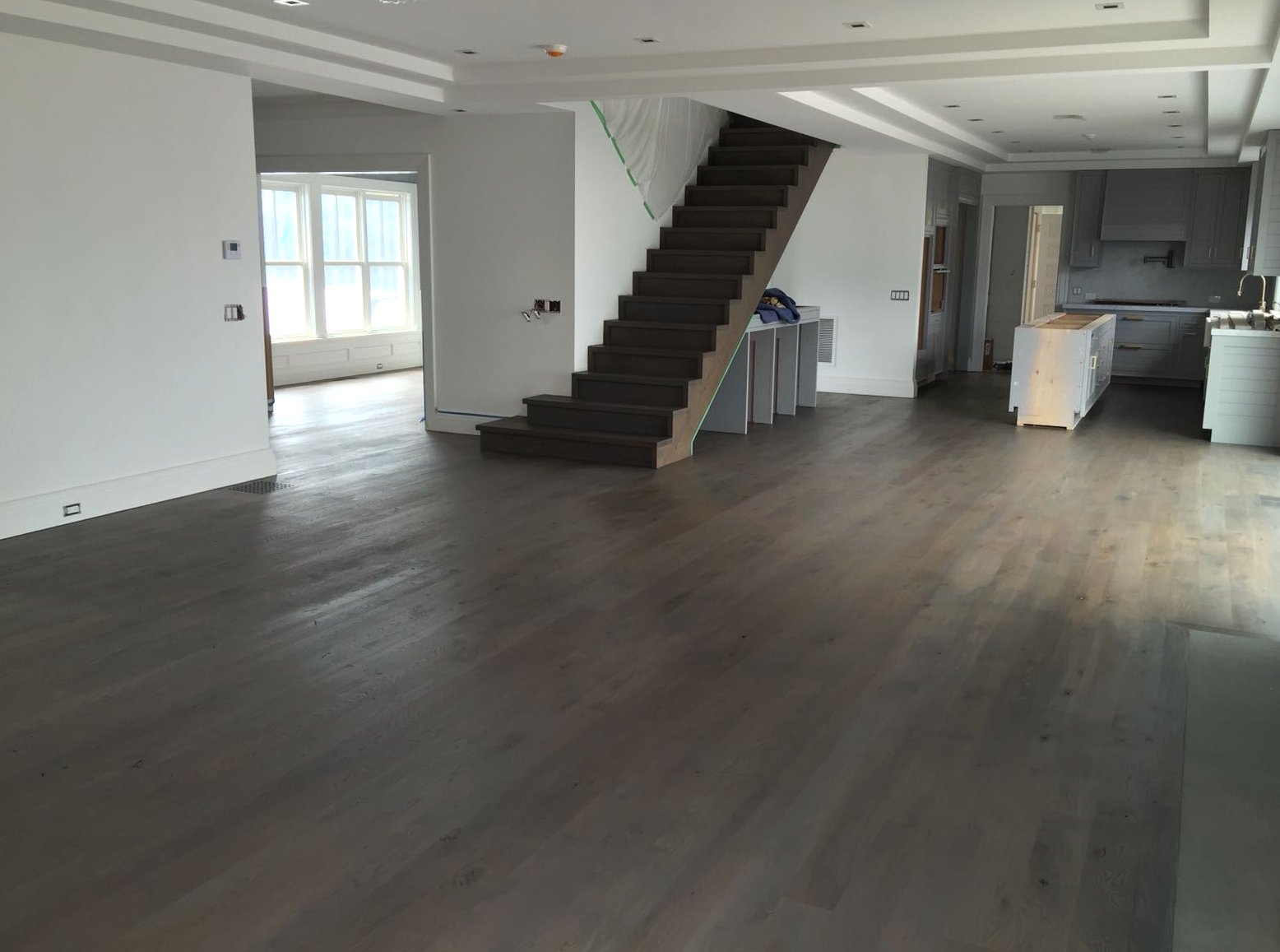
A dark walnut trial helps show how much grain stays visible under the chosen finish.

Near Bronxville, espresso is nearly black. Test a sample in full daylight before choosing it for a large room. Ask what the quote covers.
 Get your Free In-Home Estimate
Specify Westchester County with the full street address. This service page concerns the town containing the villages of Tuckahoe and Bronxville. That location detail prevents confusion while the rooms and existing wood are discussed.
Bronxville identifies townhouses among its housing types. If yours depends on one stairway between occupied levels, discuss that access constraint before selecting the work sequence. Sanding, coating and permitted foot traffic need a plan that suits the actual layout. The village's posted weekday construction hours also matter when a shared entrance must remain available. Confirm the work sequence with occupants and building management before the first sanding visit.
The village describes Tudor and Colonial homes among its architectural styles. Keeping existing trim makes an on-floor color sample especially useful: compare prepared wood with that retained woodwork. The architectural label alone does not identify the floor species or its sanding depth.
Bronxville permits construction and repair activity between 8 a.m. and 6 p.m., Monday through Friday, excluding holidays. Build the sanding and coating sequence around the applicable work window. Drying and curing continue after a workday ends, so ask separately when the household can cross a hall, return furniture or use the only staircase.
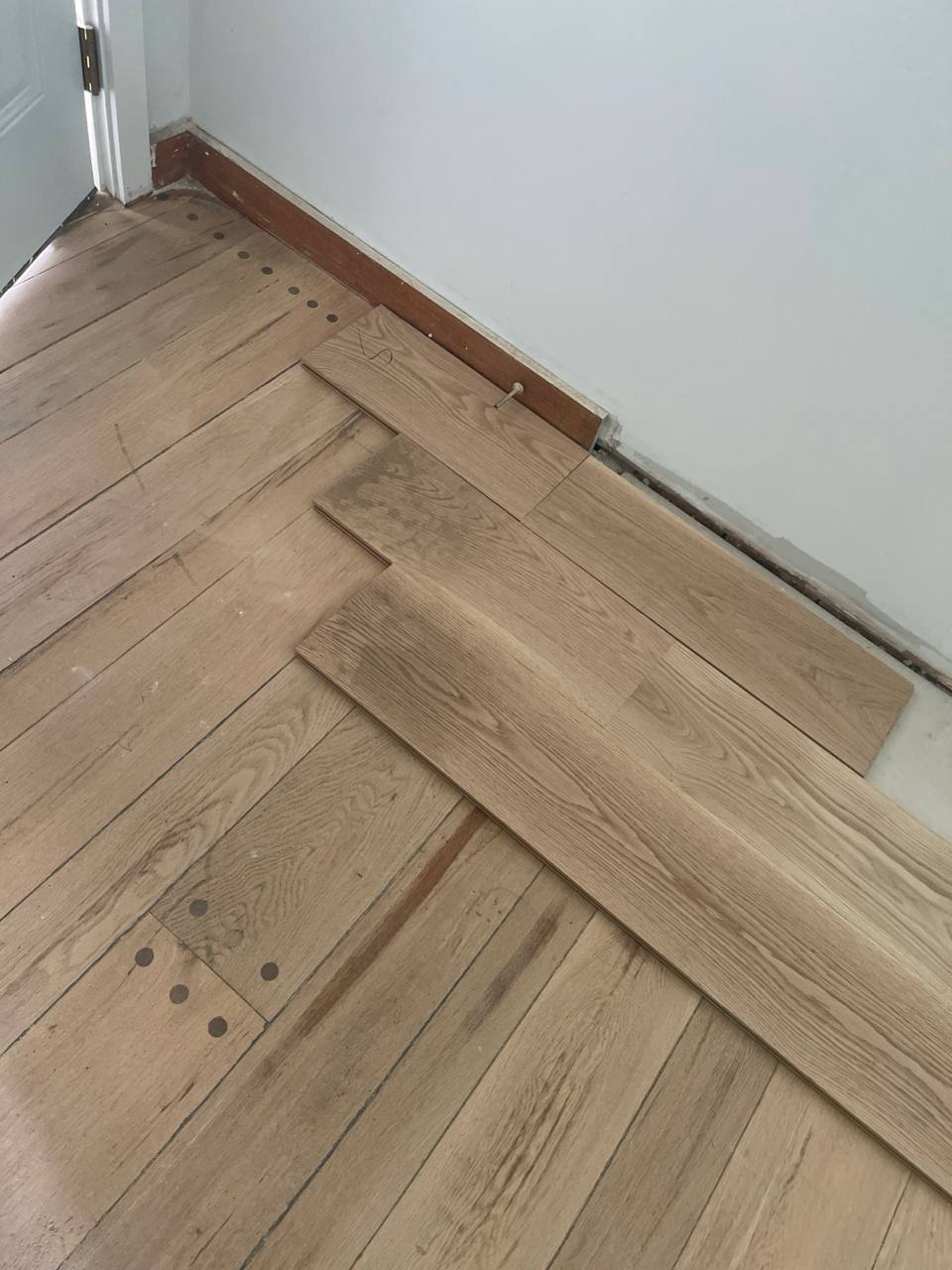
Inspect the construction and usable wear surface, including any earlier sanding. Thin or badly damaged sections may need a different treatment. Establish that assessment before choosing stain colors or promising full-floor restoration.
Collection reduces airborne sanding dust but does not eliminate every particle. The work plan should address adjacent surfaces, containment and cleaning, with expectations stated before the equipment is brought into the rooms.
Treat it as a discussion point for the specific project. Repairs, staining steps, coating intervals and site conditions affect the calendar. Ask separately about light foot traffic, furniture return and rugs under the chosen finish instructions.
A screen can help narrow preferences, but it cannot show your prepared wood accurately. View the actual stain sample in the room and review its protective coating before making the final color decision.