Samples on Your Own Wood
Review samples on the prepared Tuckahoe floor. A stain manufacturer's label cannot predict every variation across the boards. Show where the two floors meet.



Review samples on the prepared Tuckahoe floor. A stain manufacturer's label cannot predict every variation across the boards. Show where the two floors meet.

Fine-grit preparation for Bronxville wood must follow the chosen stain system. Check the prepared surface before sample approval. Check the edge at the doorway.

Eastchester stain application needs even preparation and controlled overlap. Match application to the selected stain product. Include the door in your measurements.

Retain the one-year Eastchester staining workmanship warranty with your stain selection. Record the sheen and finish-care guidance.


 Get your Free In-Home Estimate
Eastchester includes the villages of Tuckahoe and Bronxville along with its unincorporated neighborhoods. For the sample visit, send your street and unit details with a list of spaces being stained. In a Bronxville townhouse or apartment, identify retained doors and trim before preparation so the sample can be judged beside the surfaces that will remain, with access to each work area agreed in advance.
Bronxville includes Tudor, Colonial and Victorian houses, but the relevant comparison is your actual trim and doors. Review the prepared floor color alongside retained woodwork. Style names and online photographs cannot predict how those surfaces will look together.
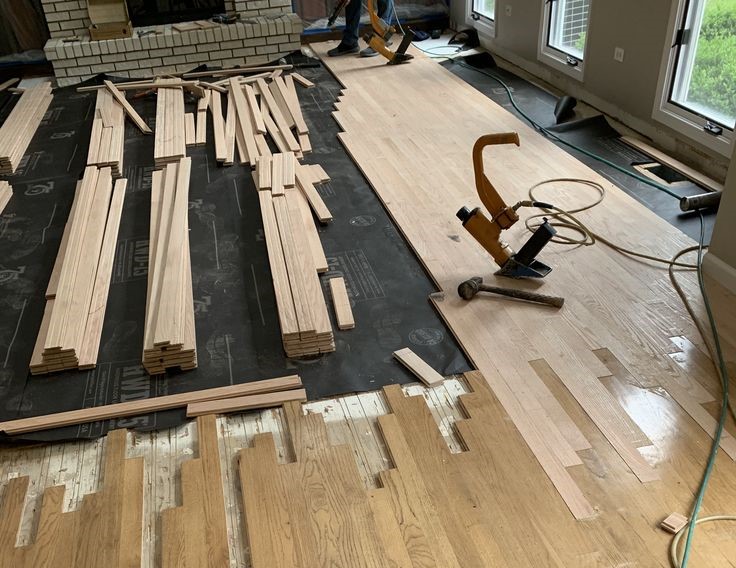
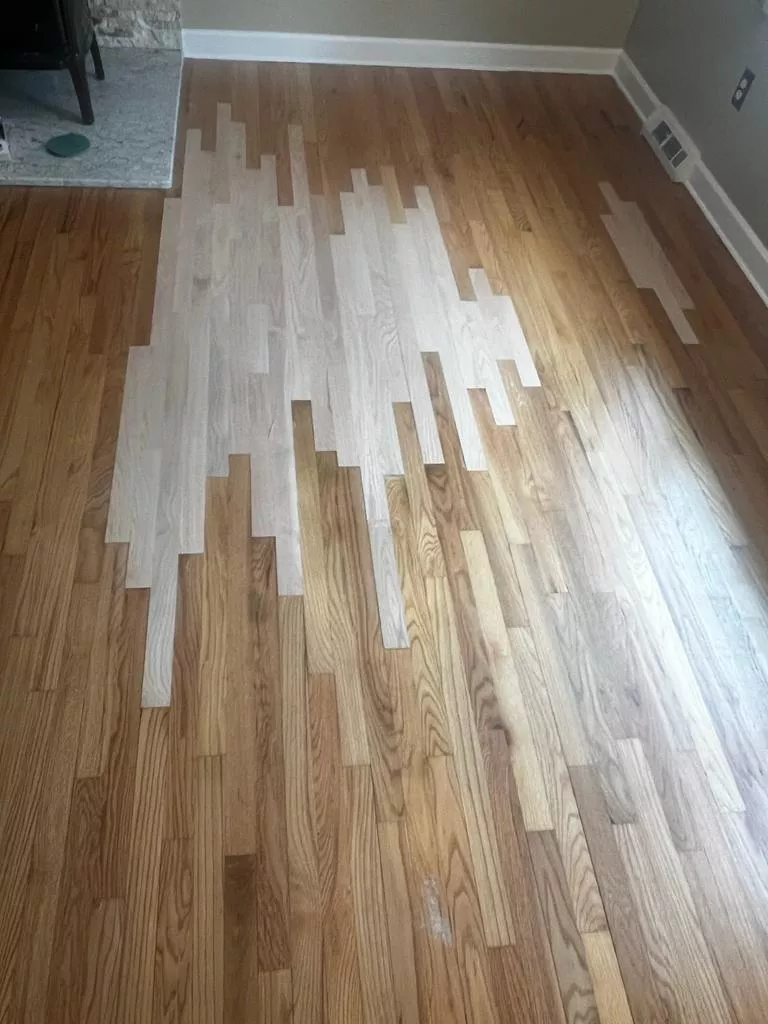
Show each repaired section during the preparation assessment. Compare the replacement wood with the surrounding boards before applying a full-room color. A sample across both areas can reveal variation that a small test on only one board would miss.
The Building Department in Bronxville lists an 8 a.m.-6 p.m. weekday construction window and rules out weekends and holidays. Plan the preparation and application visits with those restrictions in mind. If a townhouse has one route between bedrooms and the entrance, agree on access before the stain work; the finish instructions determine when that route can be used again.
A natural appearance can be achieved with a suitable clear protective coating, without adding a colored stain. Test the coating on prepared wood because the finish itself changes how the bare surface looks.
The underlying wood tone and preparation influence the result. Test the proposed toning approach on the actual oak and compare it with the room finishes. A product color name cannot guarantee a uniform neutral appearance.
Record the selected products, proportions and approved sample, together with the intended protective sheen. That record makes the color decision reviewable, while allowing for natural differences between boards and future replacement material.
Use samples from the relevant wood surfaces when species or preparation differs. Treads, landings and room boards can respond differently to one stain formula, so approve their relationship before the full application.