
Boards Matched to Yours
Match Tuckahoe replacement floorboards by species and dimensions. The stain color alone does not establish joint compatibility with the old wood.



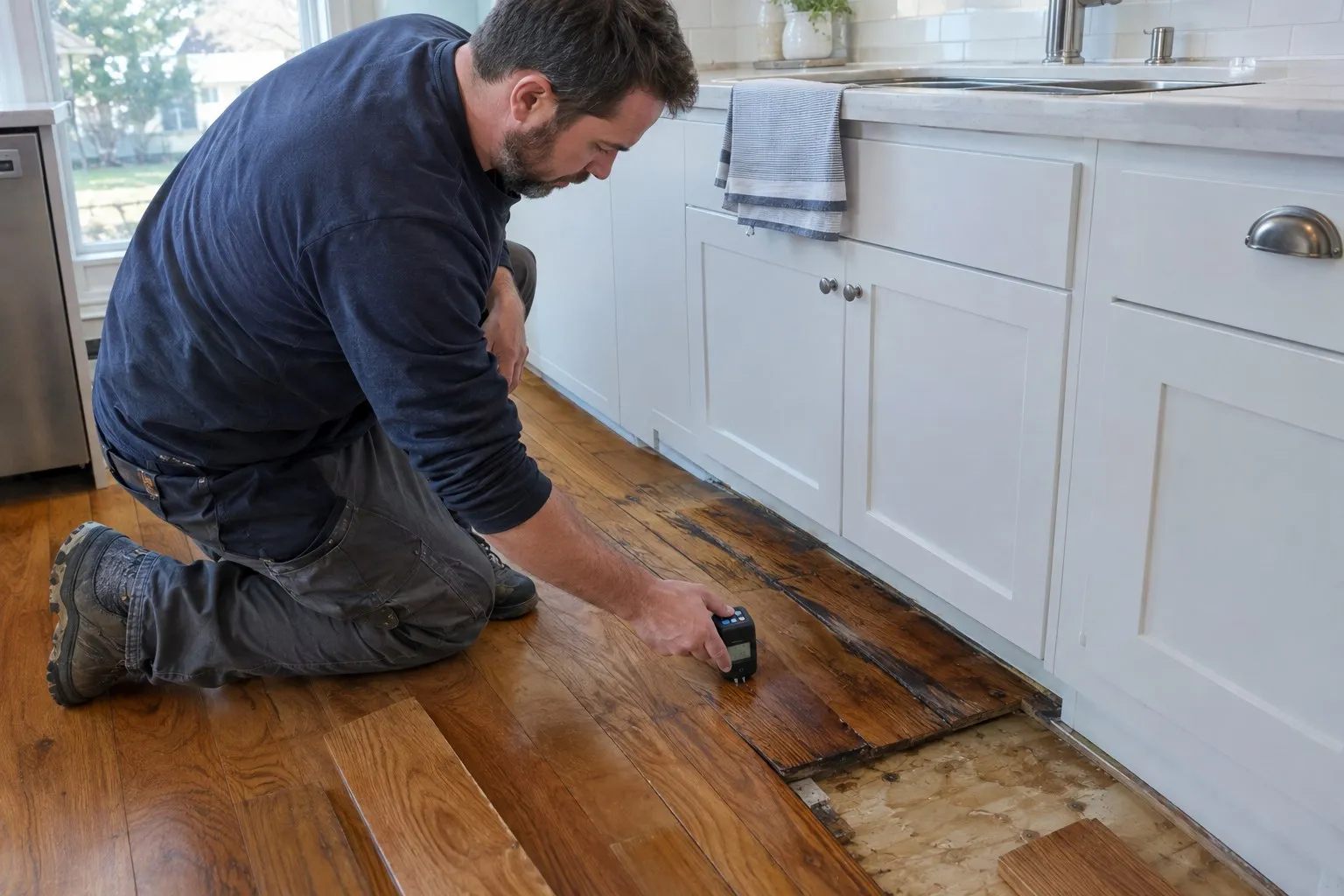
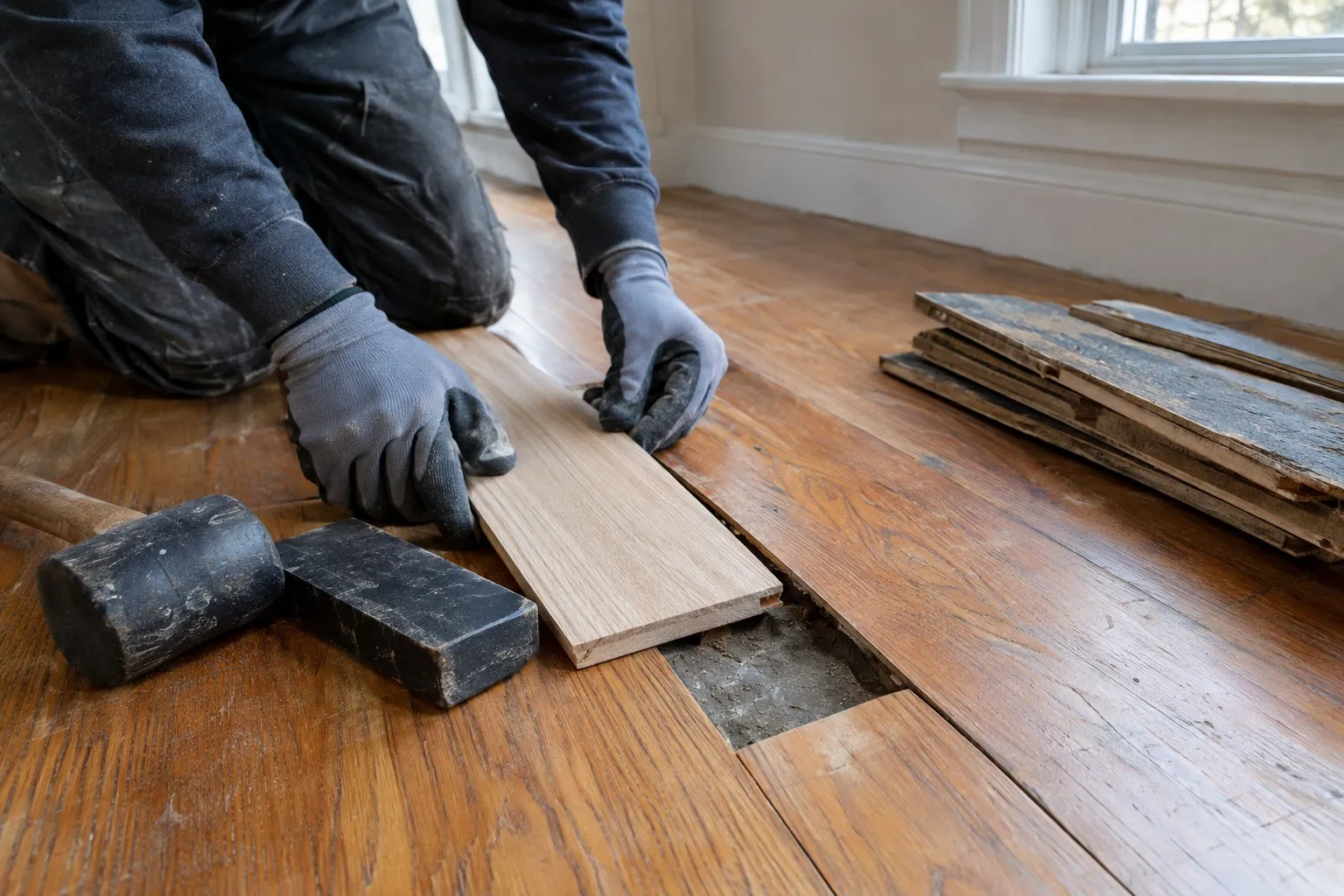

Match Tuckahoe replacement floorboards by species and dimensions. The stain color alone does not establish joint compatibility with the old wood.

For Bronxville water damage, identify the source and remaining dampness. Replacement boards cannot substitute for correcting the cause.

Movement in Eastchester boards needs cause-finding before filling gaps. Check accessible connections and avoid masking ongoing movement.

The Eastchester repair warranty includes one-year workmanship terms. Keep your written scope and the documented repair limits.


 Get your Free In-Home Estimate
Use the Westchester street address and any applicable village name. Tuckahoe and Bronxville are within Eastchester, while adjacent cities have their own addresses. Clear location details help pair the damage photos with the correct inspection request.
Describe the affected rooms, when the water appeared and what has been done to resolve its source. If building management is involved, coordinate access and share the relevant repair information. Flooring replacement begins with the actual condition, not the apartment label.
Possibly, but first compare construction, width, thickness and the joint profile. Removing closet boards also creates work in that location. Both areas and any difference in finish appearance need to be included in the repair discussion. Tuckahoe's mix of houses and multifamily buildings also makes it useful to identify whether material removal crosses a shared entrance or stays inside a private dwelling.
Bronxville's posted construction schedule allows weekday work between eight in the morning and six in the evening, with weekend and holiday restrictions. Coordinate the inspection, board replacement and coating visits within the applicable rules. For a shared building, also arrange entry and protection of common areas so a small repair can be completed with an agreed access plan.
A dark mark may extend deeper than the available sanding allowance. Inspect the affected wood and its thickness before promising removal. In some cases, replacing boards is more appropriate than removing additional surface material.
Determine whether the opening changes with indoor conditions or reflects another cause. Filling an active gap without understanding that movement can give an unreliable result. Specify treatment only after the behavior and supporting structure are assessed.
Consider depth, location, finish type and usable wood. A surface mark and a gouge through the wear layer require different responses. The proposal should distinguish local treatment from any larger sanding or replacement area.
Keep the scope, replacement-board information and written one-year workmanship terms. Document any retained damage or visible matching limits that were agreed, along with the care directions for the repaired finish.







