Dustless Floor Refinishing
Plastic sheeting goes over doorways and vents first. Between sanding passes we vacuum sills, walls and corners so grit never ends up trapped under the fresh polyurethane.



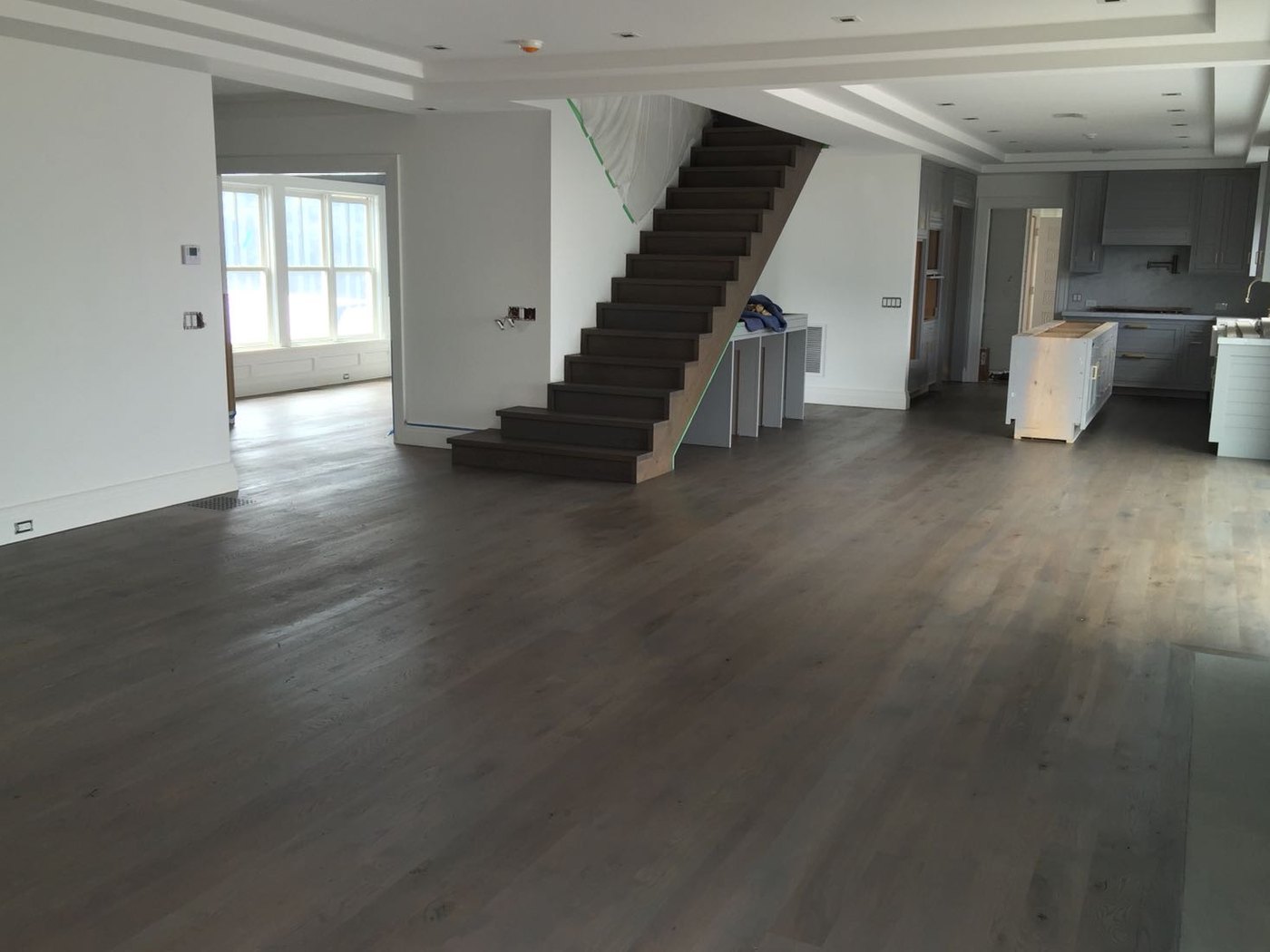

Plastic sheeting goes over doorways and vents first. Between sanding passes we vacuum sills, walls and corners so grit never ends up trapped under the fresh polyurethane.

Most homes wrap up in under a week, larger ones take somewhat longer. You get the calendar ahead of time, showing the first day for bare feet and the day sofas move back.

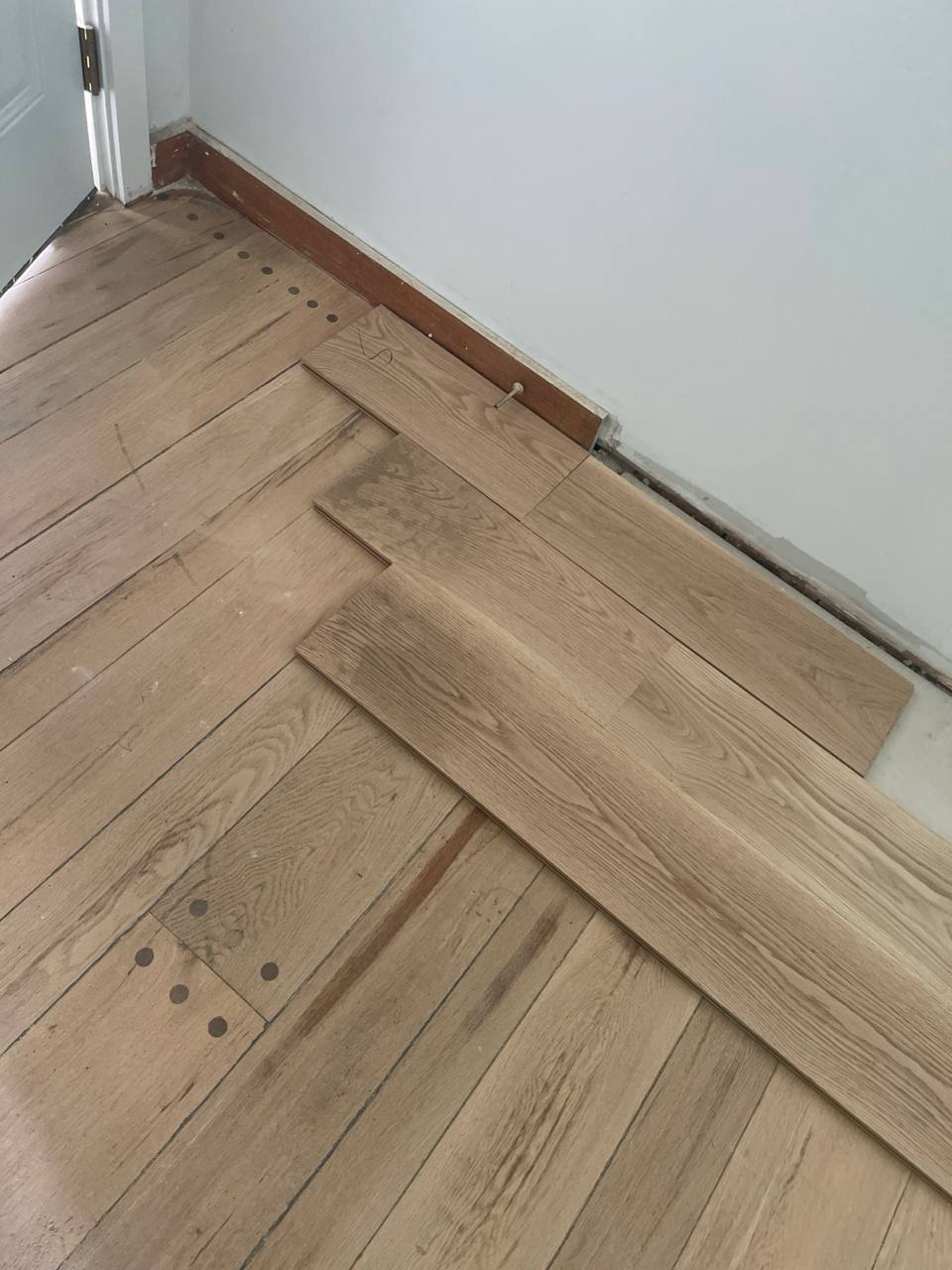
Black pet stains, a split strip or a soft spot get handled before sanding. We price those repairs once we see them, and doing them early helps the patch disappear.

Licensed, insured NWFA sanders on our own payroll handle the job, guaranteed for twelve months. Half is paid at the start, half when the last layer has cured.

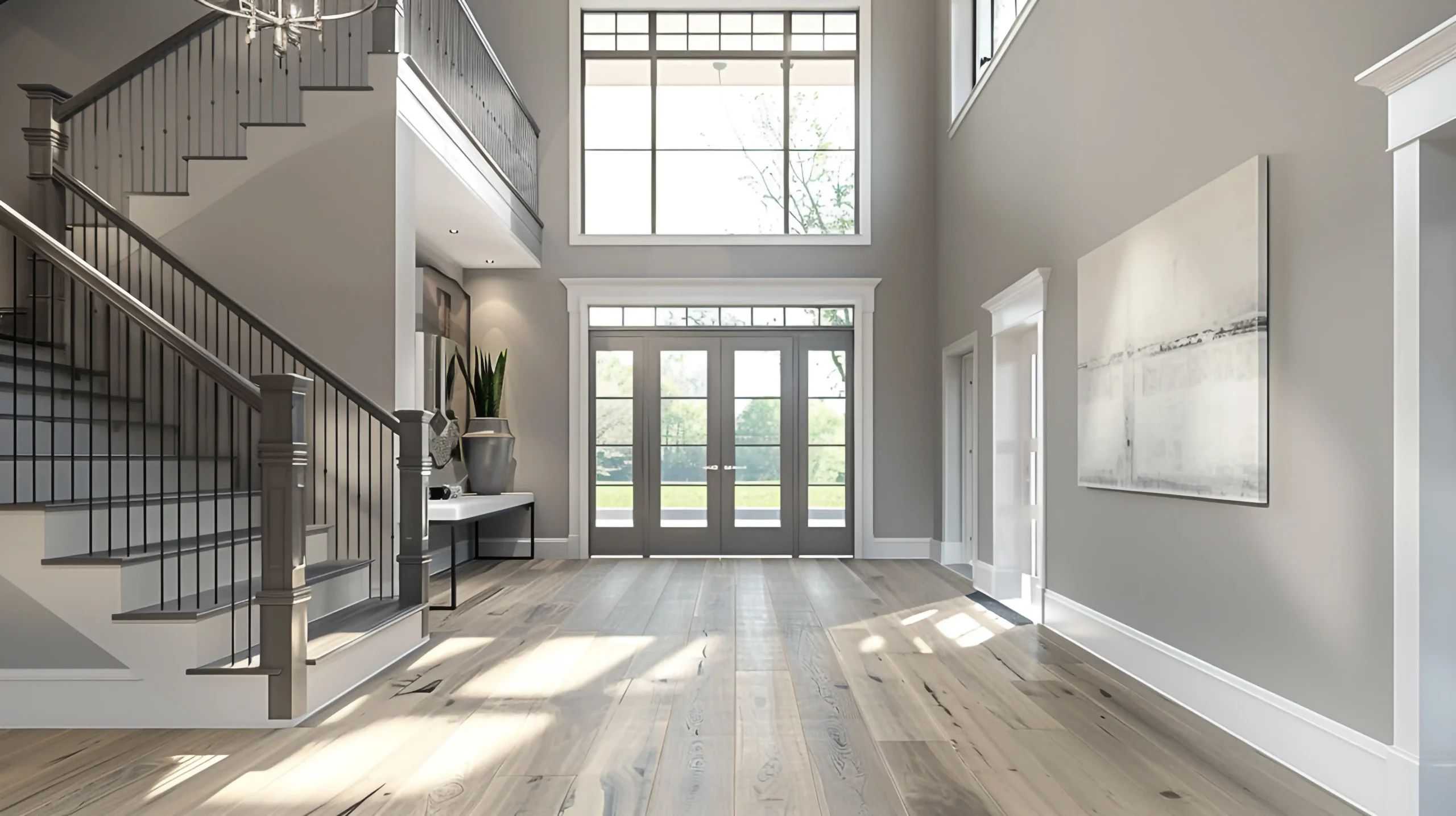
Clear finish only, no stain, so blond white oak keeps a beachy lightness in sunlit rooms that look out on the bay.
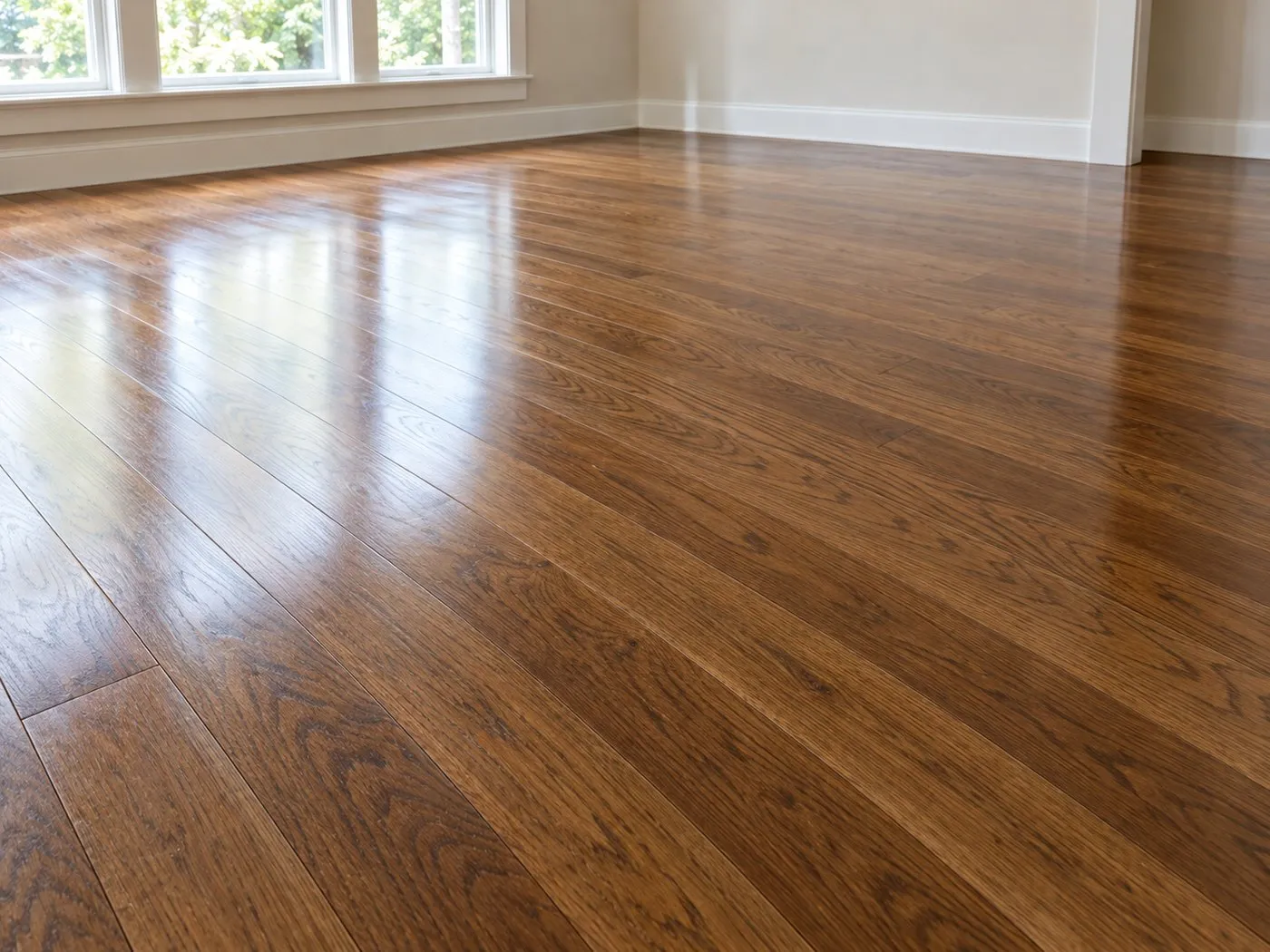
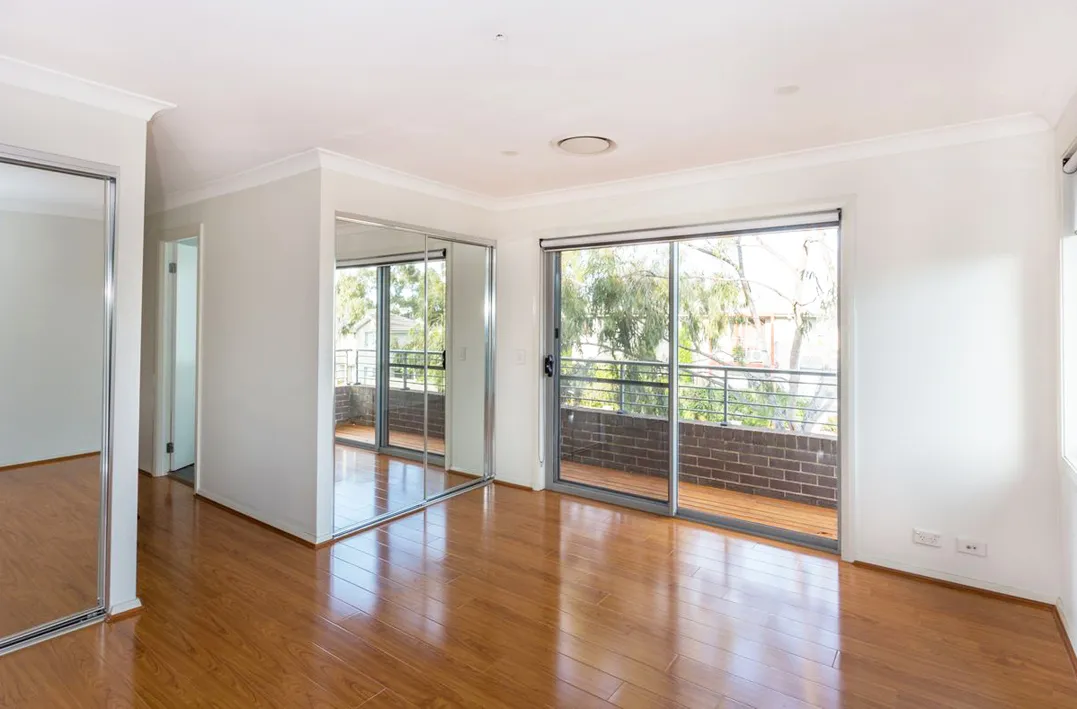
A warm middle brown that hides daily scuffs well, popular in kitchens and back halls that get heavy traffic.
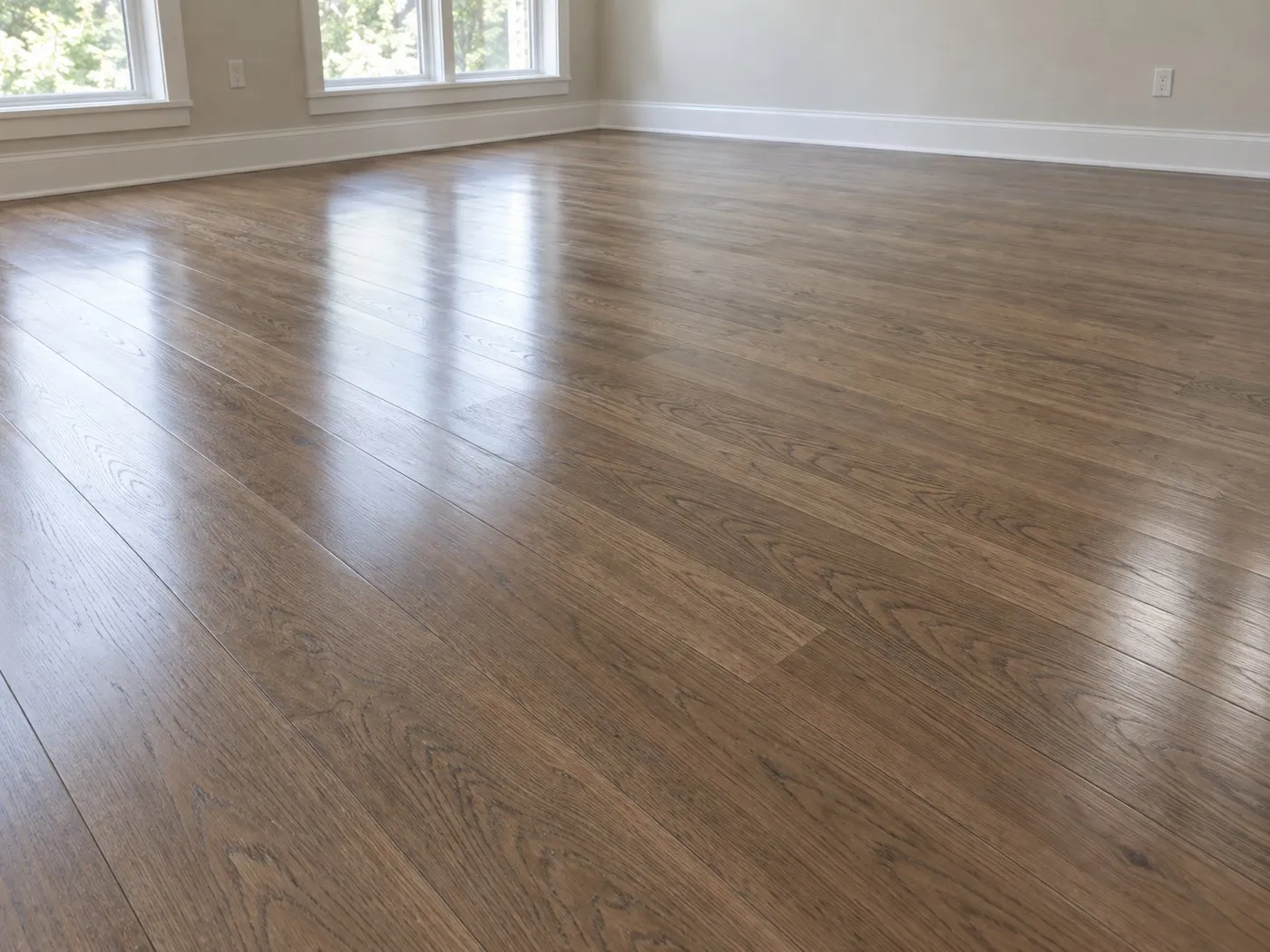
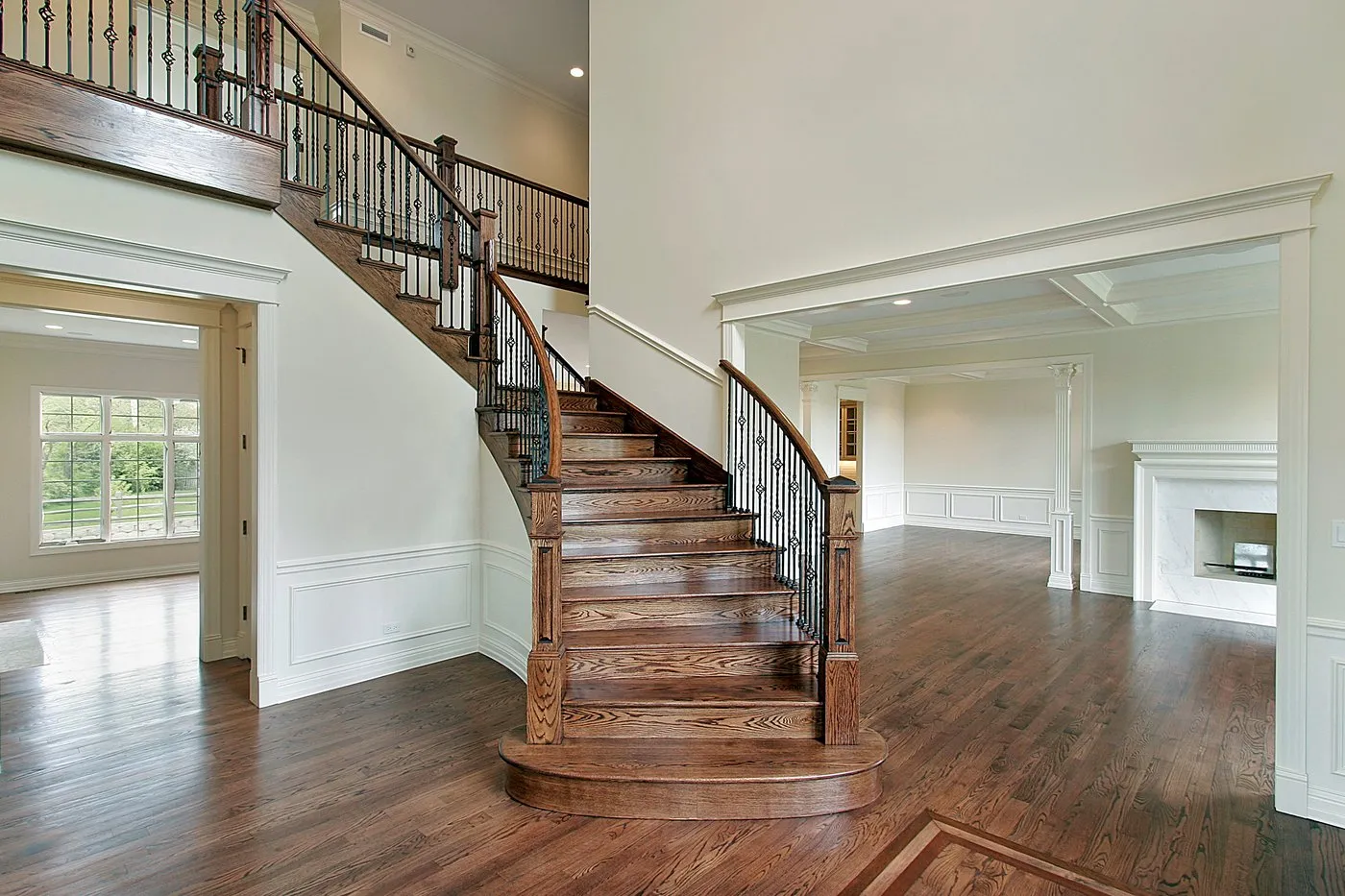
A quiet mid brown that sits well beside white or wood trim, softening the orange glow red oak gets after decades.

A reddish brown close to cherry, a good match for a Victorian near Adams National Historical Park.

Deep coffee brown with no hint of black, a shade that makes Sunday dinner feel formal while every grain line stays visible.

Close to black, this pick turns a big open room dramatic. It shows dust and pet hair faster, and we say so plainly before you choose.

 Get your Free In-Home Estimate

Two or three rooms generally need three or four days: sanding, then finish layers with drying time between. A whole house may run closer to a week.
Our sanders connect to strong vacuums that catch most dust at the source. We also seal doorways with plastic and vacuum again between every pass.
Bare feet are usually fine roughly a day after the last layer. Furniture should wait a few days longer, and rugs about two weeks while the finish hardens.
Sanding and refinishing together come to $2.50/Sq Ft. Staining adds $2.00/Sq Ft, and if furniture needs moving, we take care of it for a flat $250.
Most solid oak can be sanded several times. Thin engineered floors are different, so we check the wear layer at the walkthrough before quoting anything.
Shallow marks generally disappear under the sander. Deep black stains usually mean replacing those strips, which we price after seeing them and finish to blend with the rest.
Half, 50%, is paid as sanding begins, and the other 50% at the end, once the closing layer has dried and you have checked every room.
Not always. Many families stay in other rooms. Finish fumes are strongest for a day or so, so some people plan a night away when the last layer goes on.