Dustless Floor Refinishing
Heat vents get taped over, doorways get plastic sheeting, and the floor is vacuumed between each sanding pass so leftover grit can't scratch the next one.



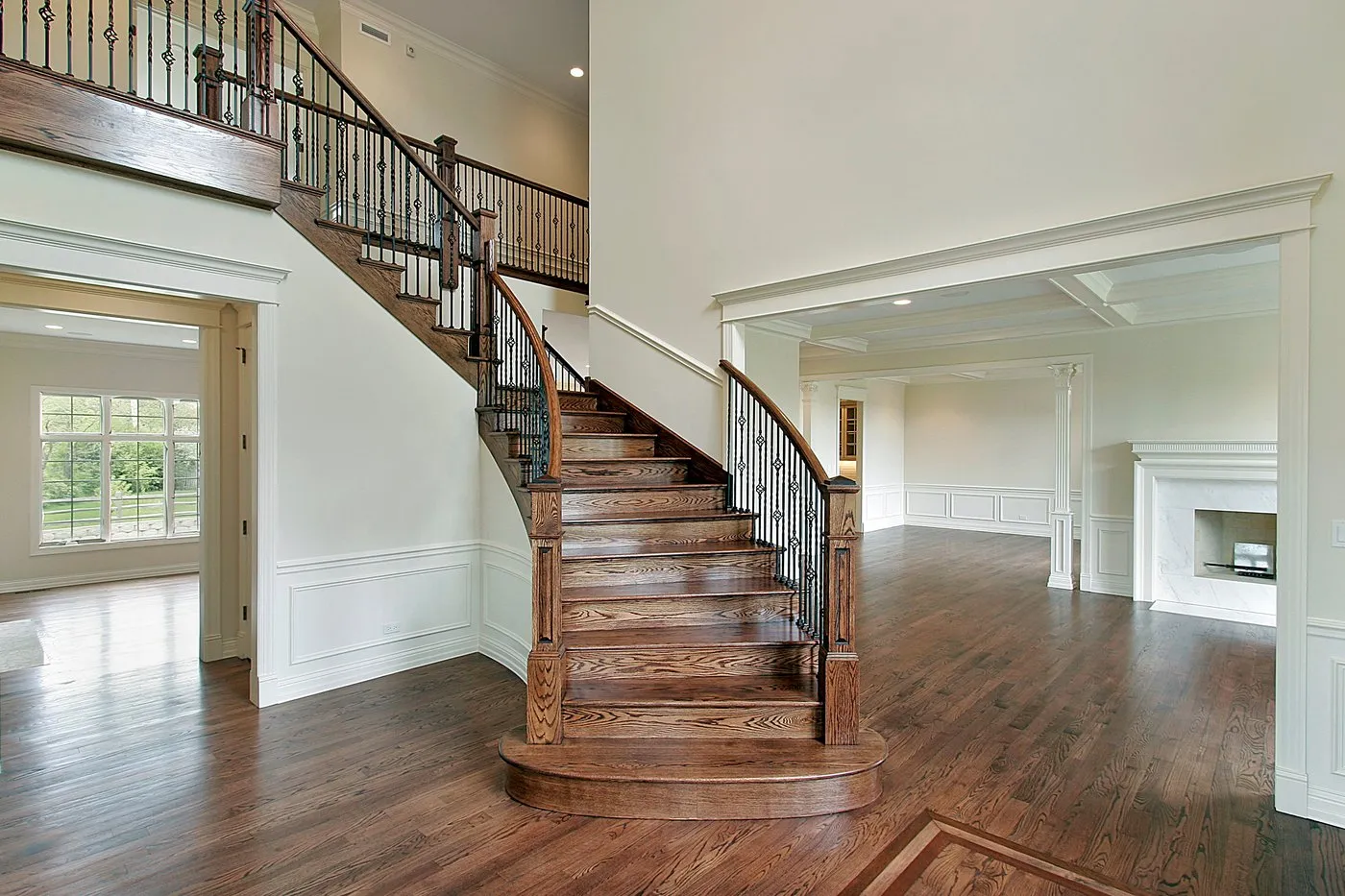
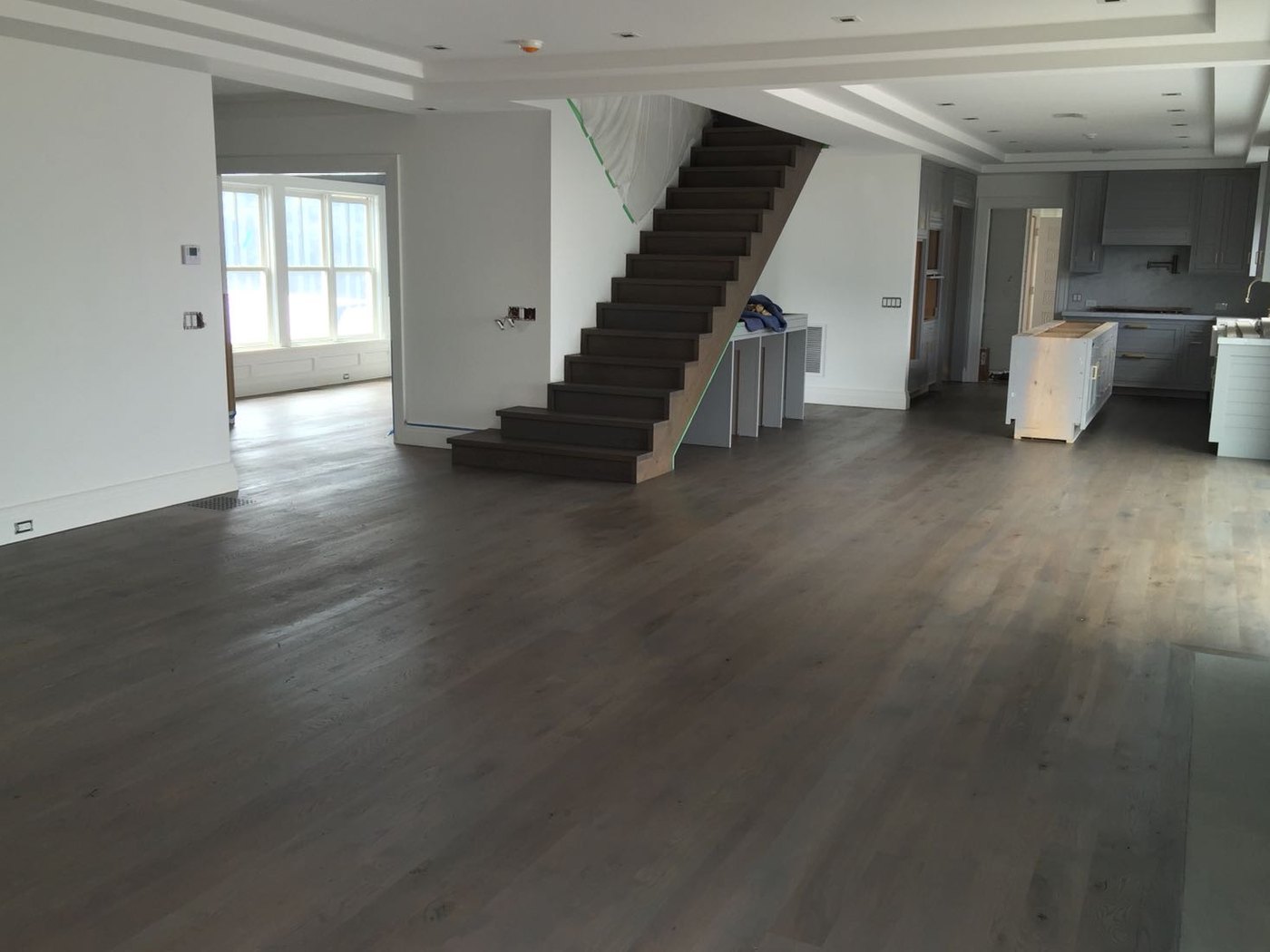

Heat vents get taped over, doorways get plastic sheeting, and the floor is vacuumed between each sanding pass so leftover grit can't scratch the next one.

A typical first floor is a few days of work. Barefoot traffic is fine by the next morning; give the finish a couple more days before the sofa comes back.

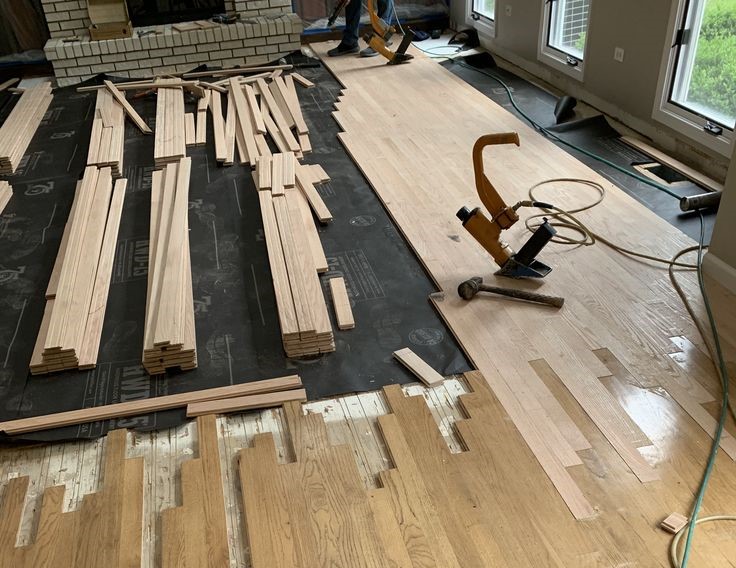
Cracked strips and dark pet spots are fixed before the sanders start, so every repair disappears under the same finish. Repair costs are quoted upfront.

One year of protection on our refinishing labor. Half is collected when sanding gets underway, with the balance due after the top layer has fully dried.

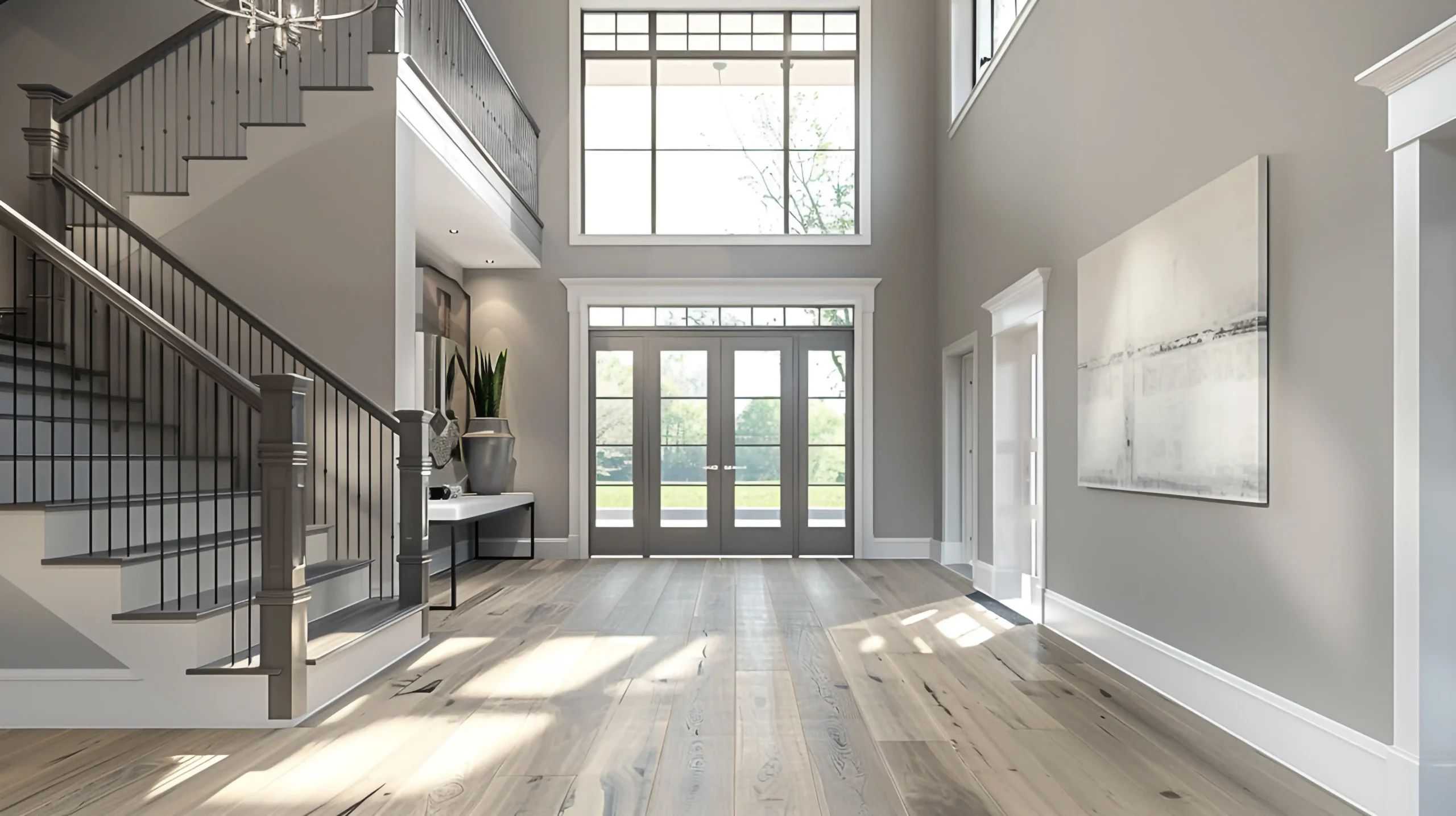
For a sunny room in Moores Corner, white oak gets just a clear seal and keeps its pale, Scandinavian look.
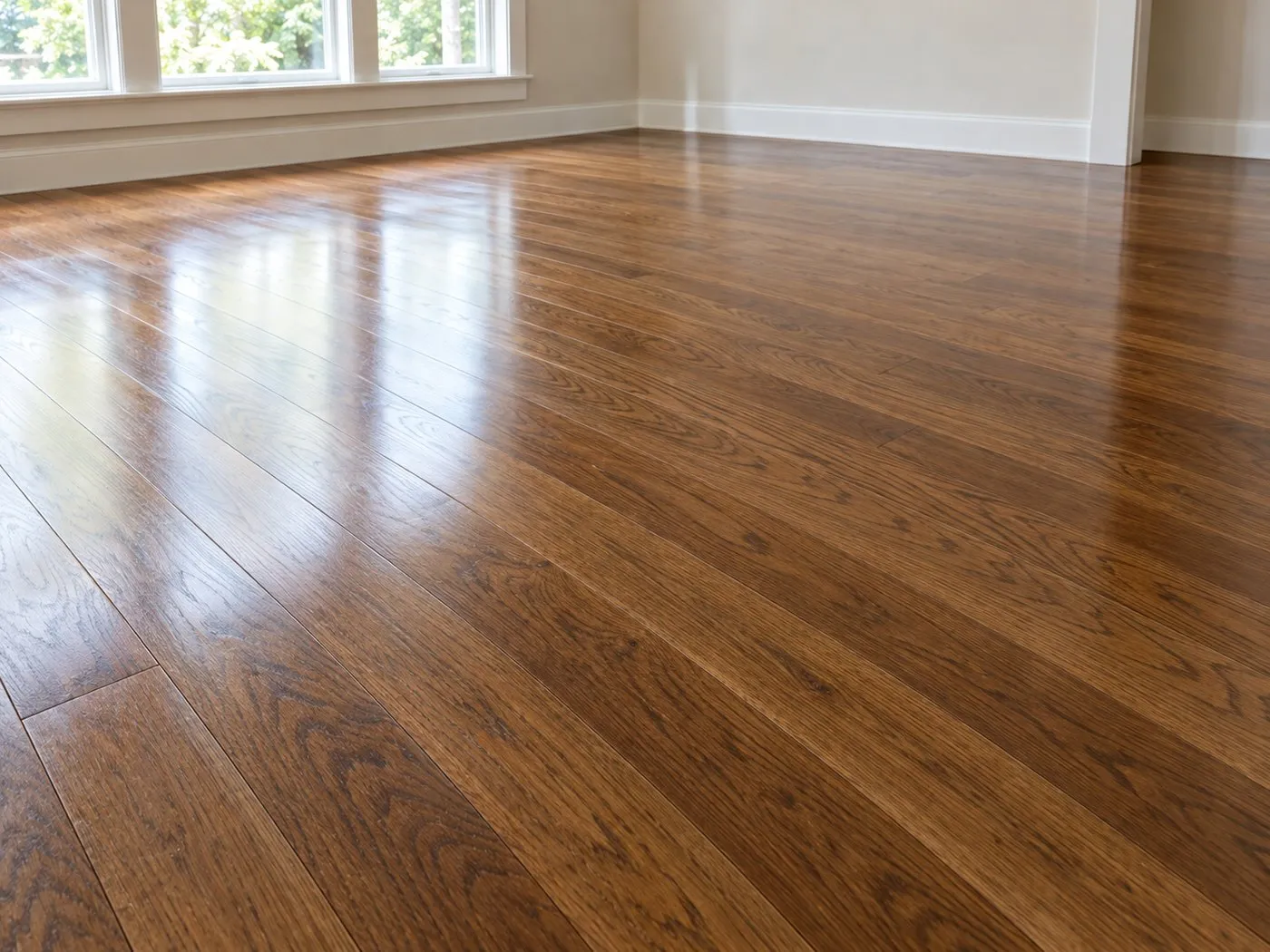
A medium brown hides dust and mud well, practical for a busy kitchen near Route 63.
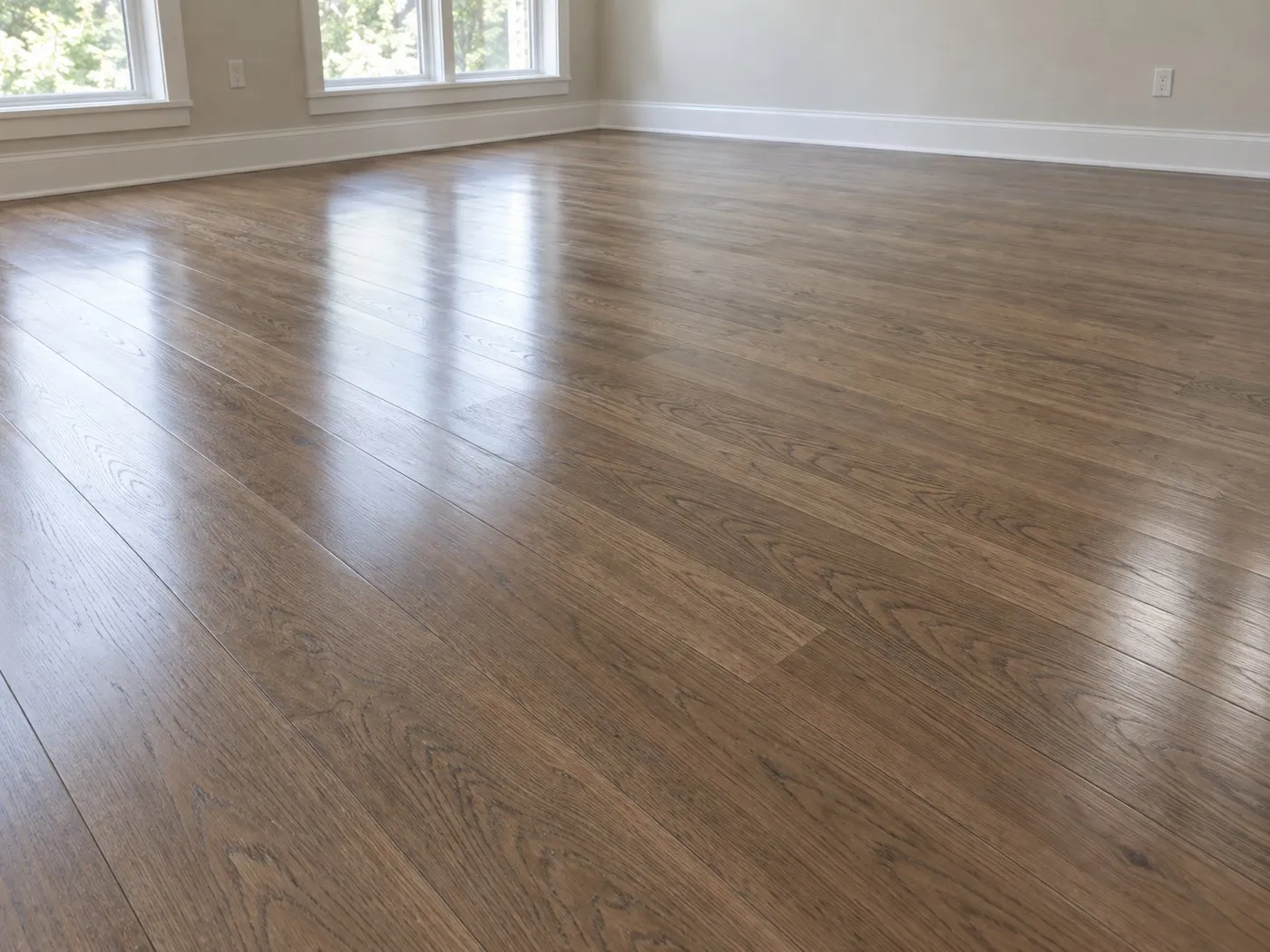
An earthy middle brown sits comfortably beside white or wood trim, and it calms the orange glow that aged red oak often takes on.

A warm, slightly reddish brown fits nicely in a North Leverett farmhouse style home with white trim.

Rich chocolate brown, deep but not quite black, makes a dining room near Leverett Pond feel a bit more formal.

Nearly black floors look striking in an open layout, but they show pet hair and dust faster, and we'll tell you that honestly before you decide.

 Get your Free In-Home Estimate

Refinishing is $2.50/Sq Ft, which includes sanding and the clear finish. Stain is an extra $2.00/Sq Ft for a color change. Moving furniture is $250.
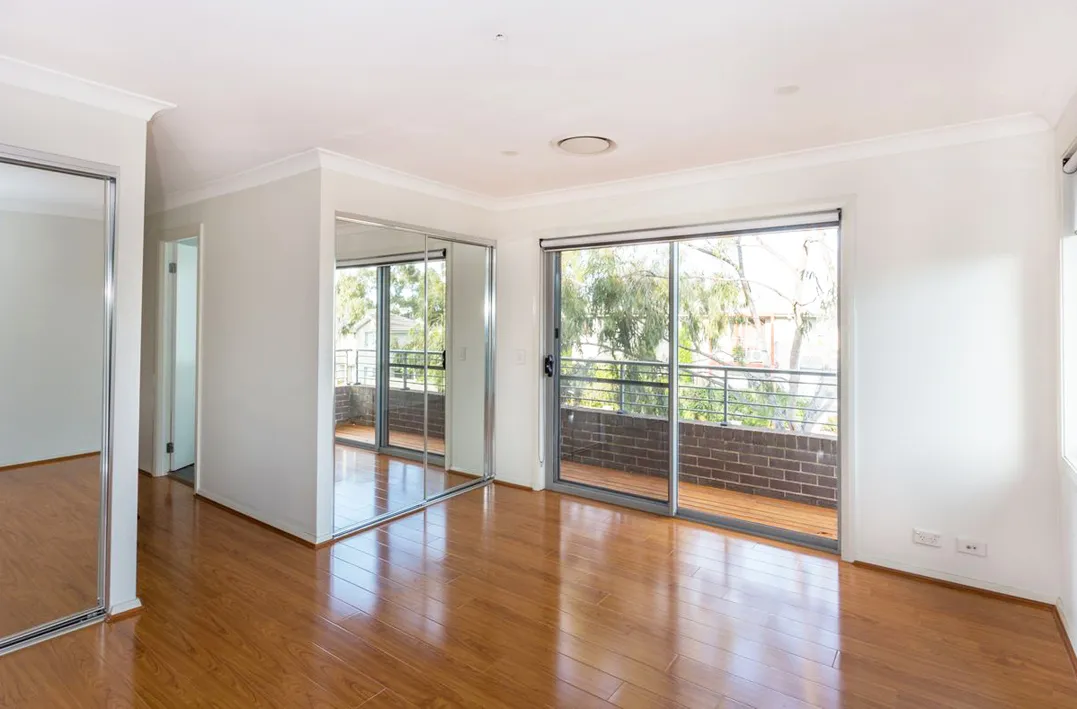
Satin is the most popular since it hides scratches and dust well. Matte looks more natural and modern. Gloss shines but shows every scuff, so it fits low traffic rooms best.
It depends on traffic. Many homes need a full sanding every eight to twelve years. Keeping grit off the floor and using felt pads helps it last much longer.
Yes. We can refinish a single room, though the sheen and color may look slightly different from the rooms next to it. Doing connected rooms together keeps it uniform.
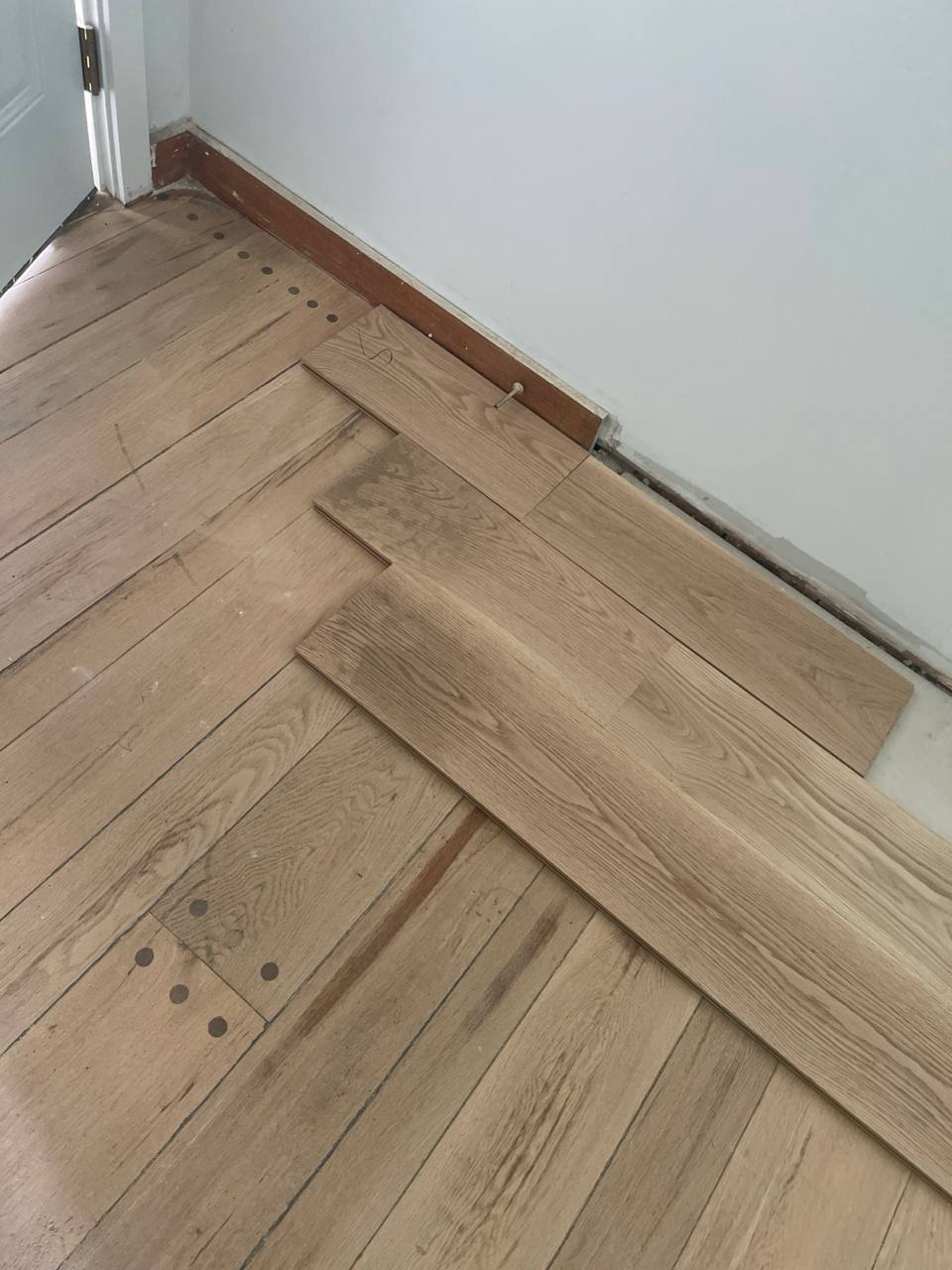
Staple and tack strip holes get filled before the final sanding. They blend in well, especially once the finish is applied.
Light gray marks frequently come out with sanding. Black rings from plant pots or pet accidents have usually soaked deep, and those strips get swapped for new ones first.
We split it in two: fifty percent on the morning sanding starts, the balance when the final layer is dry. There's no charge for the estimate itself.
Water based dries faster, has less odor and stays clear. Oil based gives a warmer amber tone. We'll show you both and help you choose.