Samples on Your Own Wood
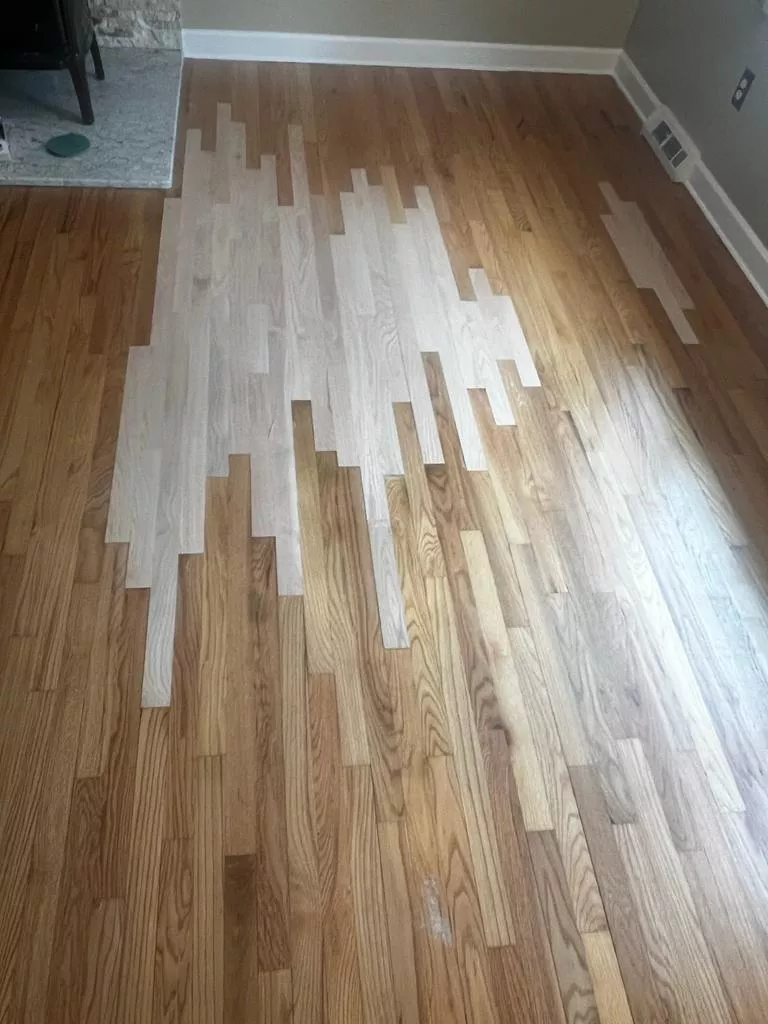
Review the existing species and old patches before selecting a shade. Different wood can take color differently.



Review the existing species and old patches before selecting a shade. Different wood can take color differently.

Define the boundary at connected rooms and stairs. The finish plan should show where the color change will stop.

Compare samples under daylight and the lighting normally used in the room. A photograph is a starting reference, not final approval.

Ask for the written workmanship terms and retain the product care instructions. Confirm the agreed scope and any exclusions before work begins.


 Get your Free In-Home Estimate
Stain adds color; it does not repair physical damage. Assess repairs before choosing the preparation and color system.
No. The coating choice also influences the final appearance. Discuss sheen and color together before approving the finish.
Include the property address, photos of the affected rooms and approximate dimensions. Mention previous work and any building access restrictions.
The existing surface and selected system need inspection. Ask the proposal to distinguish removal, preparation and finishing from the main installation or restoration work.
Discuss essential access and furniture locations before scheduling. The proposed sequence must allow for the actual work and product return-to-use instructions.
Check the rooms, materials, preparation, transitions and exclusions. Confirm who handles furniture and removal, and how changes discovered during work will be addressed.
A photo is useful for context, but approve a dried sample on the prepared floor itself. Check it in daylight and again under the fixtures used at night.
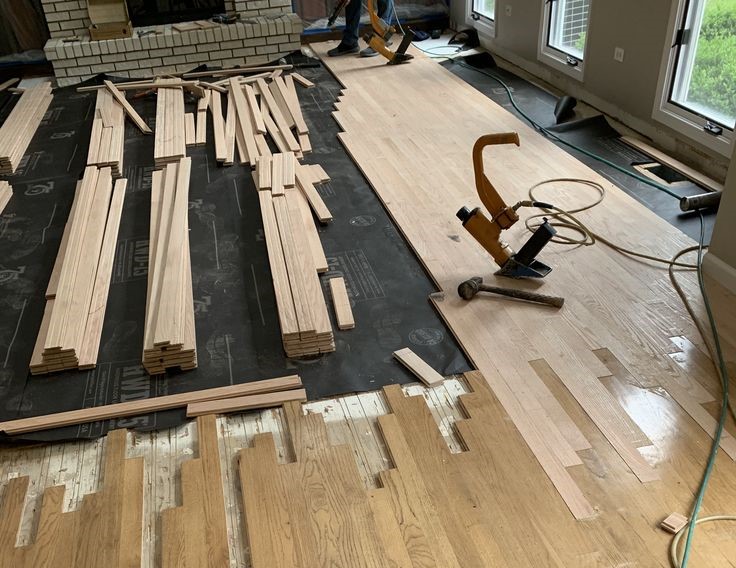
Test the two sets of boards next to each other. A patch with different grain or species can absorb the stain differently even with the same preparation.