Dustless Floor Refinishing
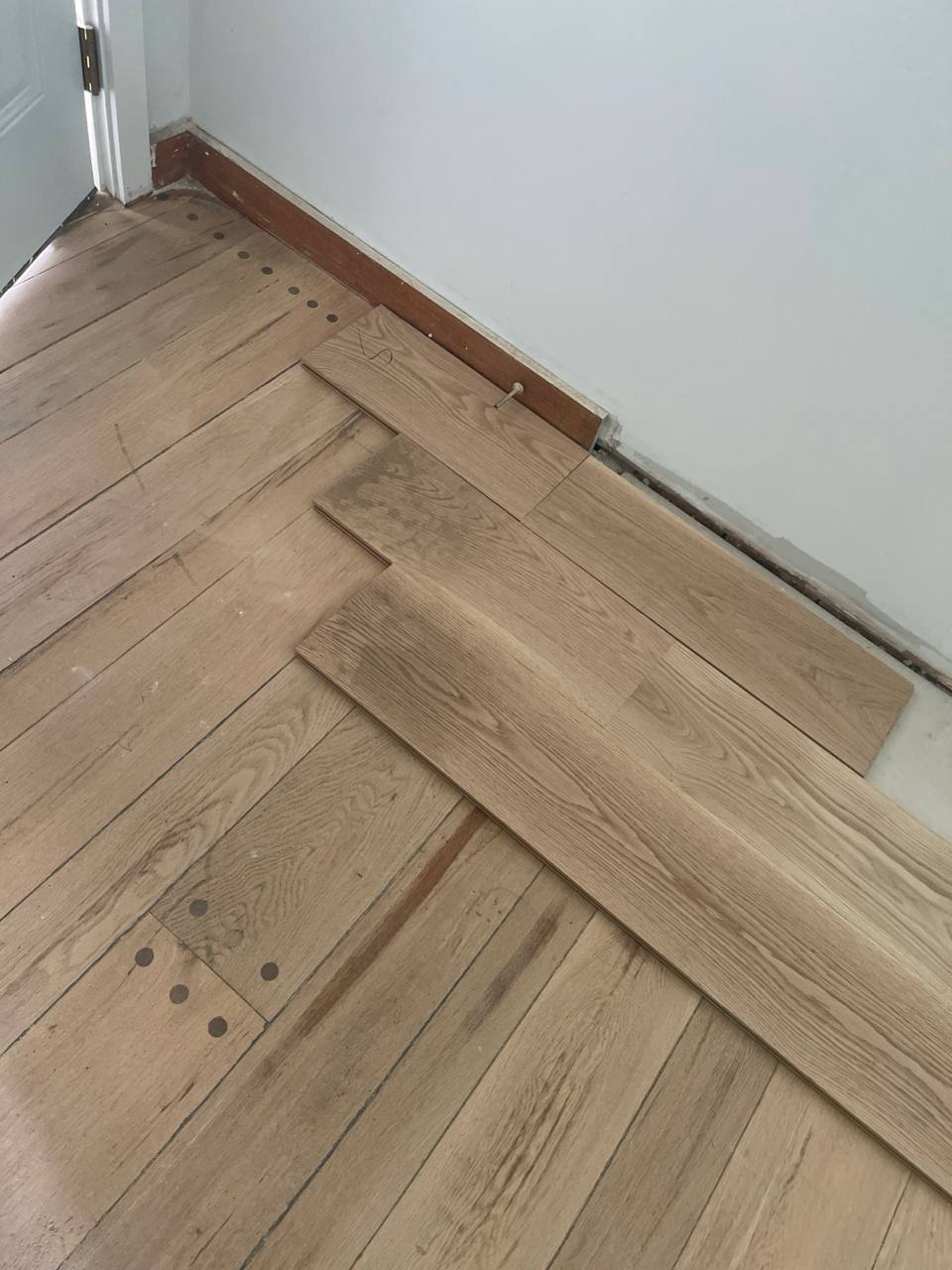
Look for bare areas, deeper marks and old repairs. Identify them during the inspection rather than assuming a new coating will conceal them.



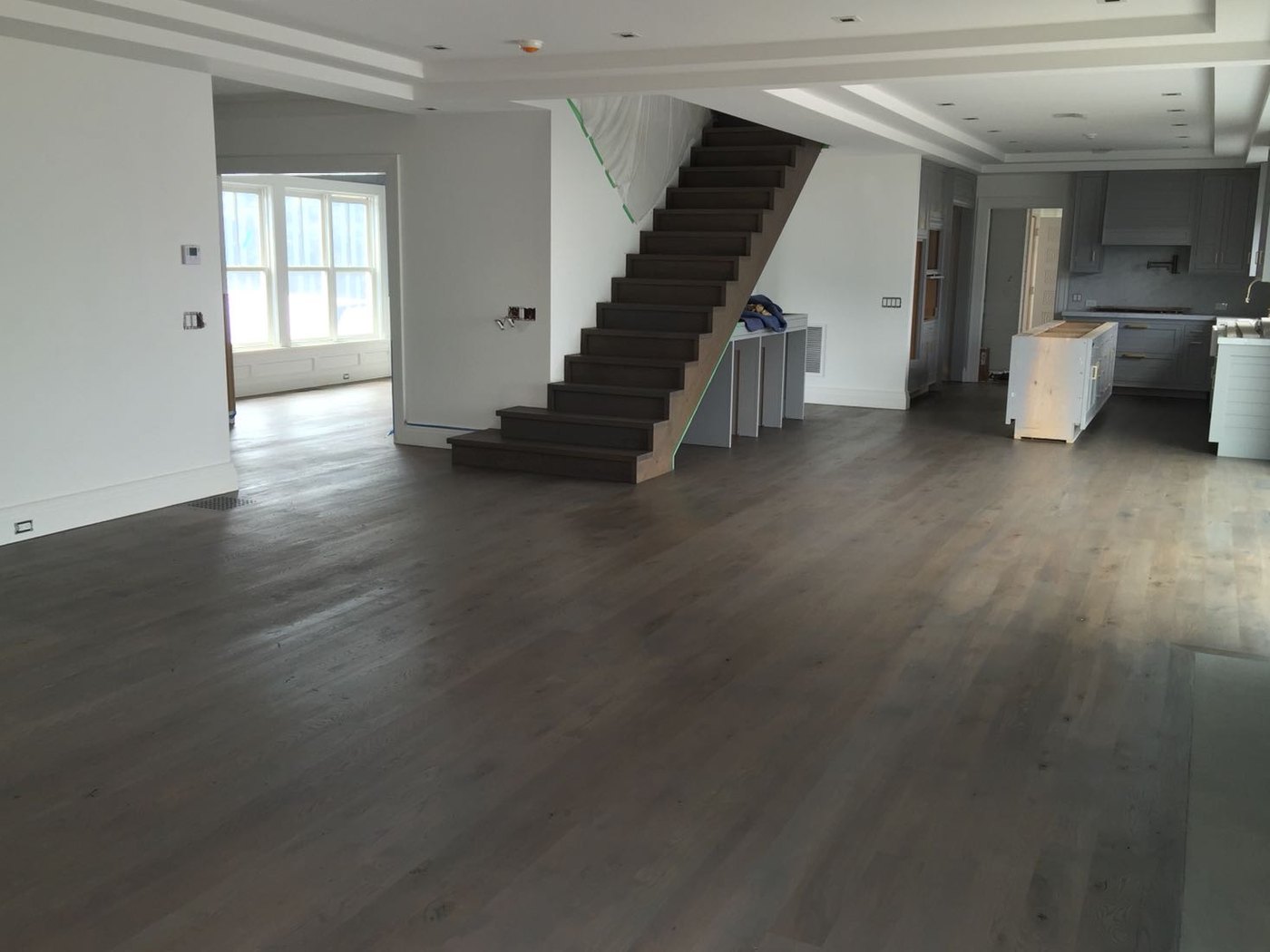

Look for bare areas, deeper marks and old repairs. Identify them during the inspection rather than assuming a new coating will conceal them.

Agree on the rooms and finish boundaries before preparation. A doorway may provide a practical stopping point.

Usable wood thickness and earlier sanding affect the options. The age of the floor alone does not determine whether it can be sanded again.

Ask for the written workmanship terms and retain the product care instructions. Confirm the agreed scope and any exclusions before work begins.

Look for bare areas, deeper marks and old repairs. Identify them during the inspection rather than assuming a new coating will conceal them.
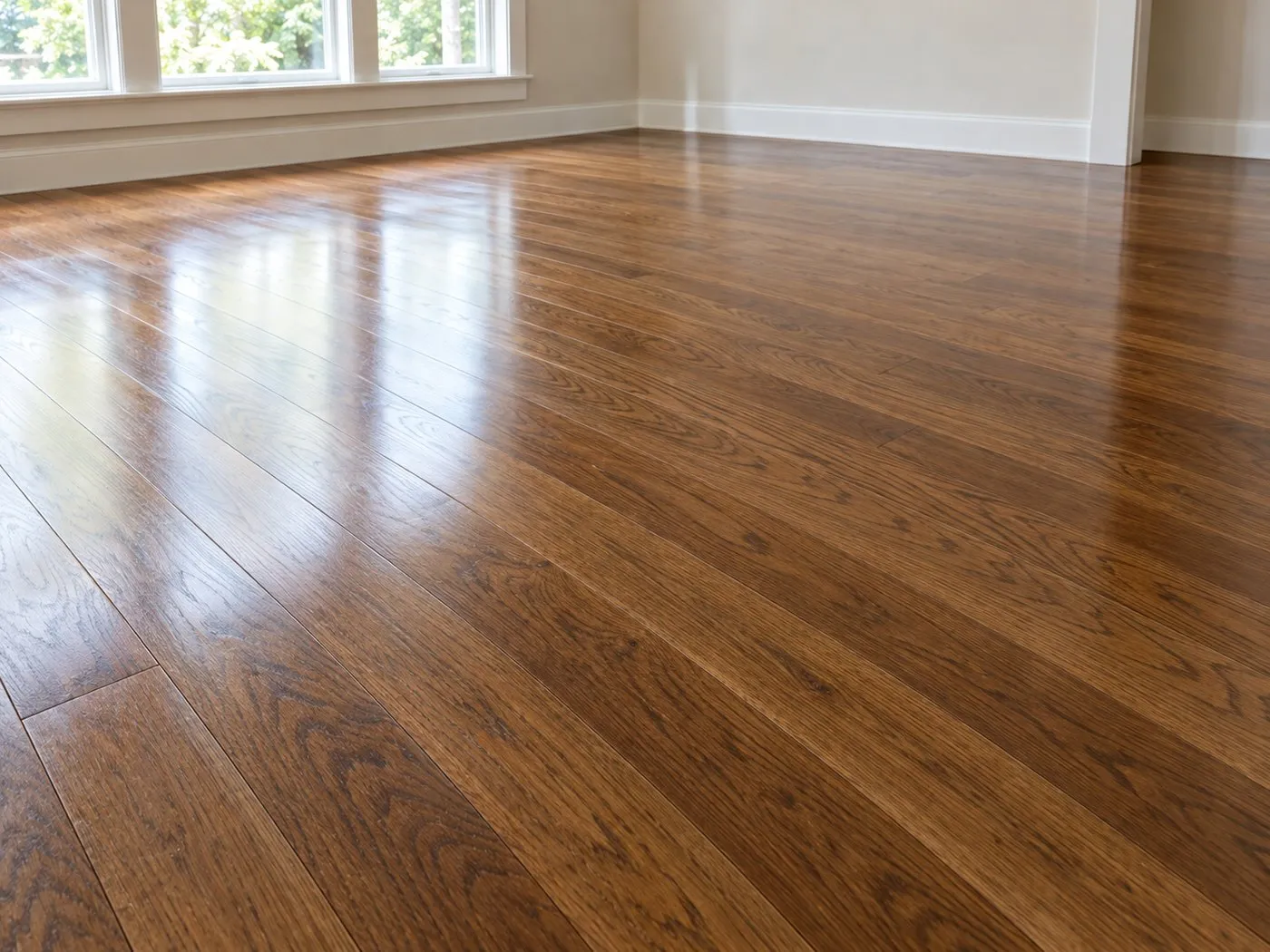
Usable wood thickness and earlier sanding affect the options. The age of the floor alone does not determine whether it can be sanded again.
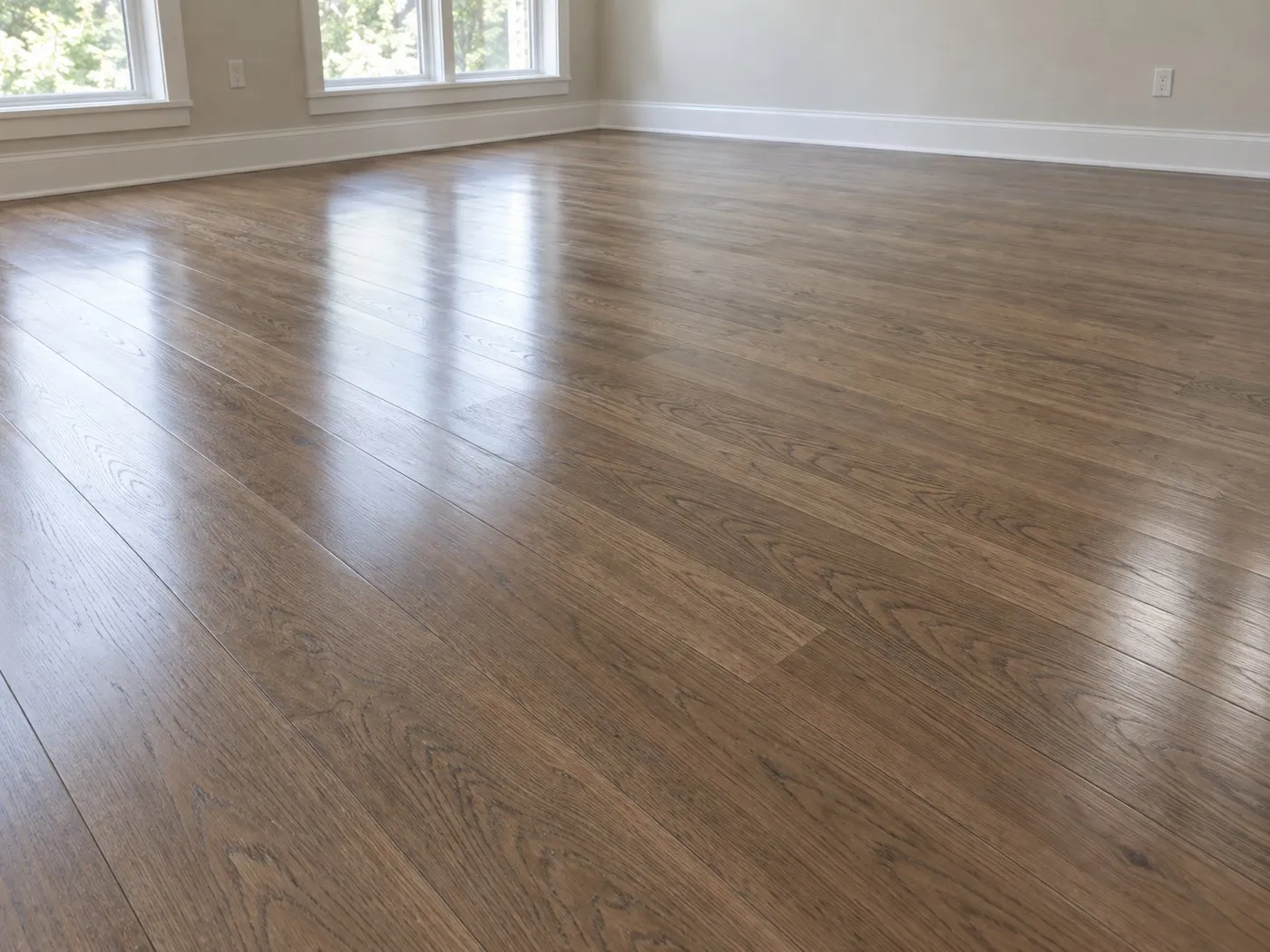
Agree on the rooms and finish boundaries before preparation. A doorway may provide a practical stopping point.

List the rooms that must remain accessible during the project. Furniture and delivery arrangements belong in the work plan.

Photograph the transitions to surfaces you will keep. Include those junctions in the estimate discussion.

Confirm the specific product care and return-to-use instructions before moving furniture back into the completed space.
 Get your Free In-Home Estimate
No. A maintenance coat refreshes suitable existing finish; full refinishing involves more extensive preparation. The floor condition guides the choice.
Not necessarily. Deep damage or contamination can remain or require board repairs, so discuss visible problem areas during the assessment.
Include the property address, photos of the affected rooms and approximate dimensions. Mention previous work and any building access restrictions.
The existing surface and selected system need inspection. Ask the proposal to distinguish removal, preparation and finishing from the main installation or restoration work.
Discuss essential access and furniture locations before scheduling. The proposed sequence must allow for the actual work and product return-to-use instructions.
Check the rooms, materials, preparation, transitions and exclusions. Confirm who handles furniture and removal, and how changes discovered during work will be addressed.
Daylight, species and old repairs can make an identical stain read differently. Compare dried test patches in both rooms before settling on a color.
Follow the cure instructions for the coating in the quote. Ask separately about walking, furniture and rugs because each can have a different return time.