Samples on Your Own Wood
Yorktown stain samples should include the actual wood and clear finish. View the result beside fixed finishes in daily light.



Yorktown stain samples should include the actual wood and clear finish. View the result beside fixed finishes in daily light.

Fine-grit prep follows the stain system and floor condition. Inspect prior coatings and sanding marks before selecting abrasives.

An even shade needs consistent prep and application. Control overlaps through the product’s sequence and approved conditions.

Yorktown stain work has one-year labor terms. Save sample approval and product data with a proposal and the finish care directions.


 Get your Free In-Home Estimate
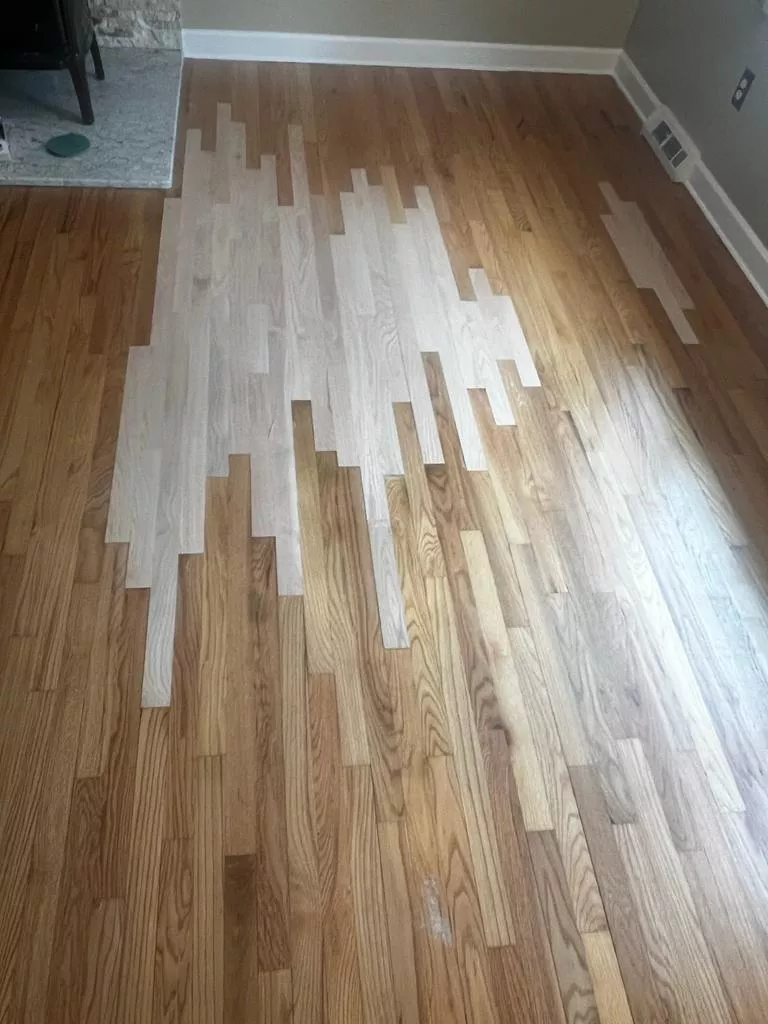
Yorktown’s preservation brochure describes a large historic-house survey spanning its separate communities. Identify the woodwork, decorative borders and rooms that should retain their appearance in your own home. Bring any relevant property records and seek guidance from the town when the proposed change affects recognized features. Test the stain with its protective coating beside those retained surfaces, including known patches in the sample. A recorded color boundary helps the owner compare the intended change with the character they want to keep.
Croton Heights is among Yorktown’s documented historic communities, and the municipal inventory lists older residences there. If your interior includes later additions or repaired floors, mark those areas before selecting a sample location. Compare color across the wood actually present and view the coated sample next to retained trim. Include the doorway or landing where the stained area will meet an unchanged room. This makes the appearance decision useful for the whole connection, including differences in age or repair stock.
Yorktown’s landmarks brochure names Kitchawan and Shrub Oak within the town’s group of historic settlements. State the full property location and proposed rooms as you arrange the appointment. Send photos showing the flooring and fixed finishes, then describe known repairs and the surfaces that stay untouched. During the visit, choose sample positions and lighting conditions that represent the actual interior. Those details help focus the consultation on retained features and present room use rather than a detached color swatch.
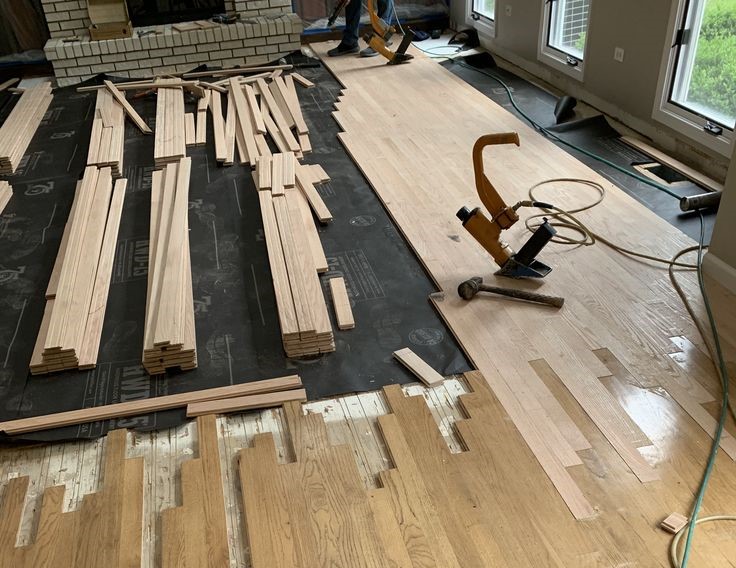
Species, grain, prior work and absorption affect the result. Approve a representative sample from the wood involved in the project.
Keep the product identifiers, sample location and chosen protective finish with the formula. The record should describe the approved system as well as the color.
The protective coating can alter tone and reflection. Review the complete combination before making the final appearance decision.
Consistent preparation and the product’s application sequence matter. Define workable sections and follow the specified timing and conditions.
Record the selected coating’s traffic, loading and covering requirements. Arrange household access around those dates before application begins.