Dustless Floor Refinishing
Dust collection needs equipment access and room protection. Plan furniture movement and household passages before Yorktown sanding begins.



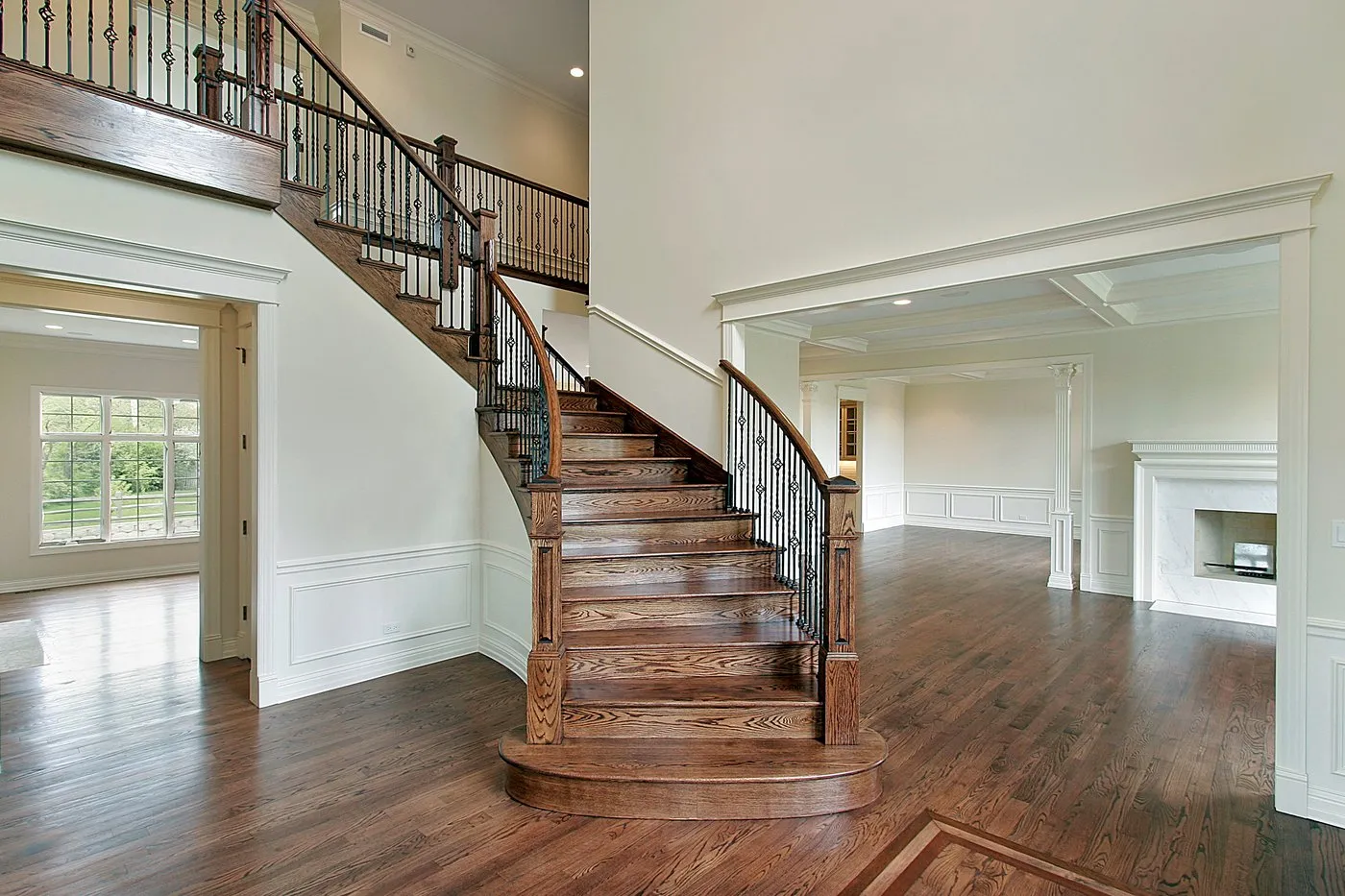
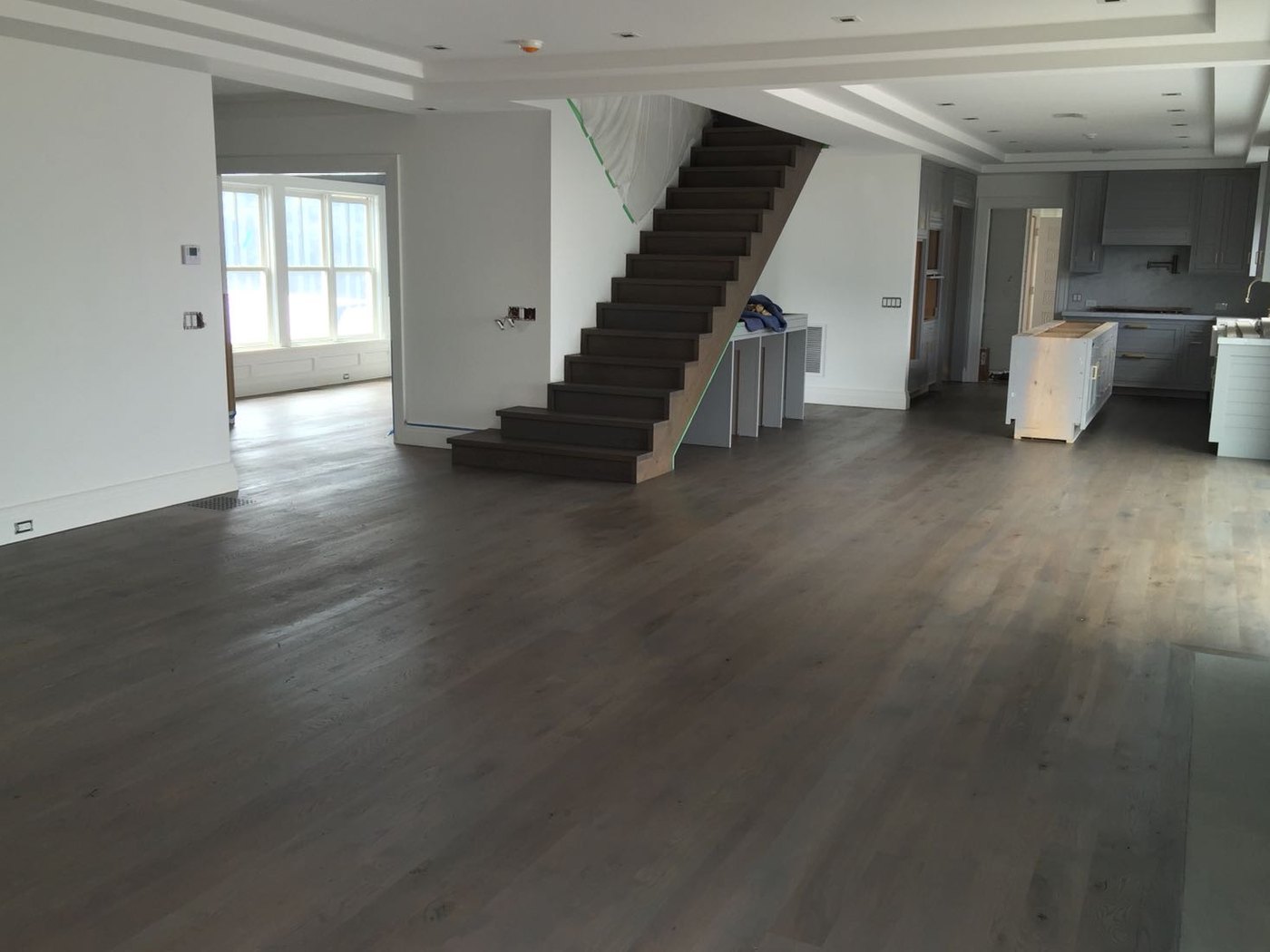

Dust collection needs equipment access and room protection. Plan furniture movement and household passages before Yorktown sanding begins.

Set the Yorktown refinishing schedule around repairs and the chosen coating. Log separate permissions for walking, furniture and rugs.

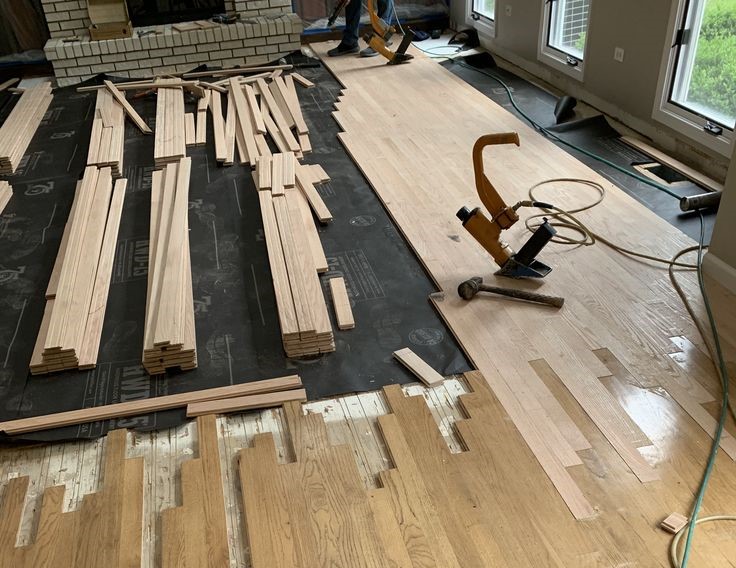
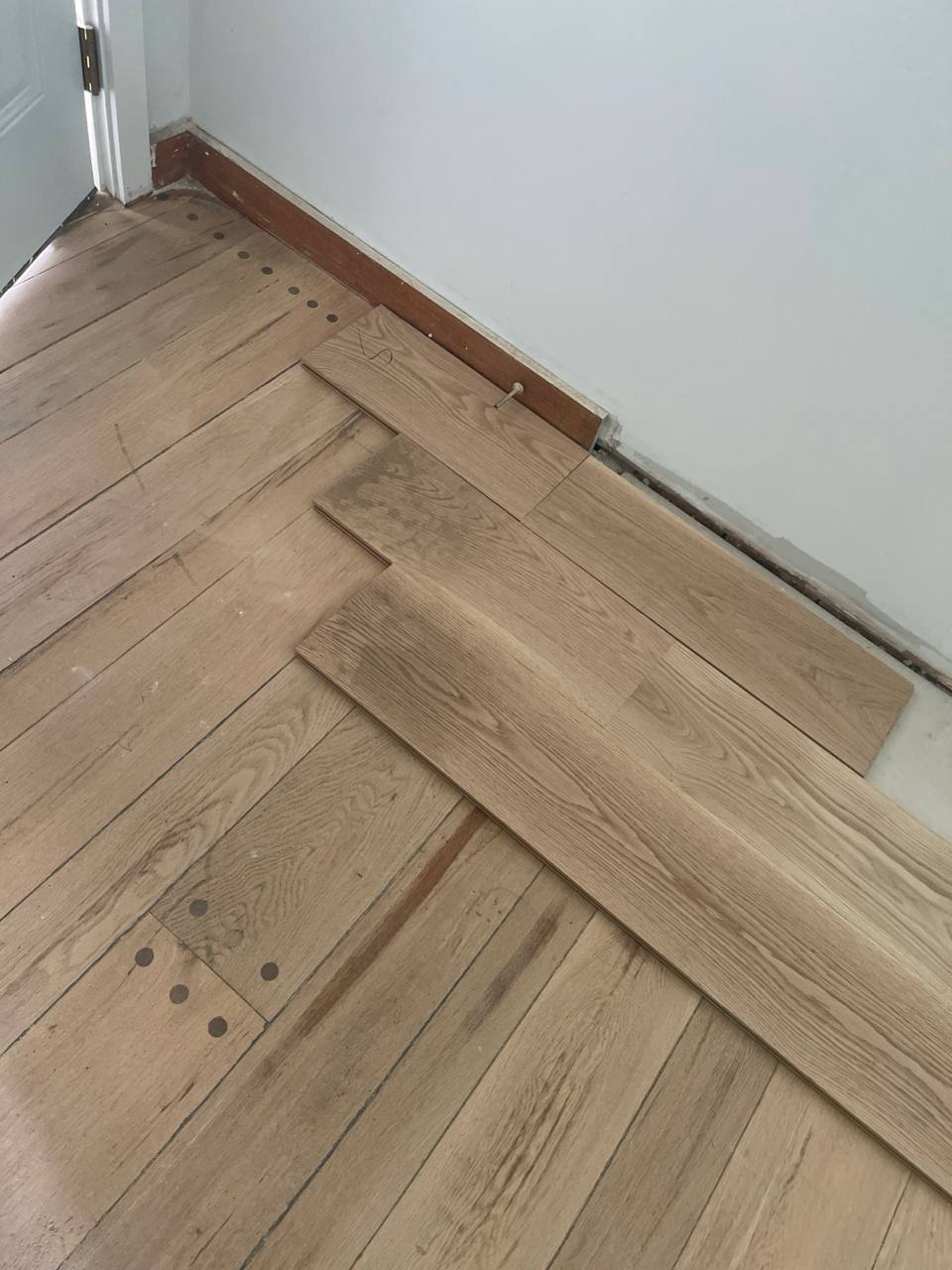
Plank repairs belong in the sanding plan. Record damaged areas and compare patch stock with remaining wood before sampling.

Yorktown refinishing has one-year labor coverage. Keep finish and prep records with the warranty and floor care directions.

Natural needs viewing under its clear finish. Review the wood’s tone and reflection in the room’s daylight.
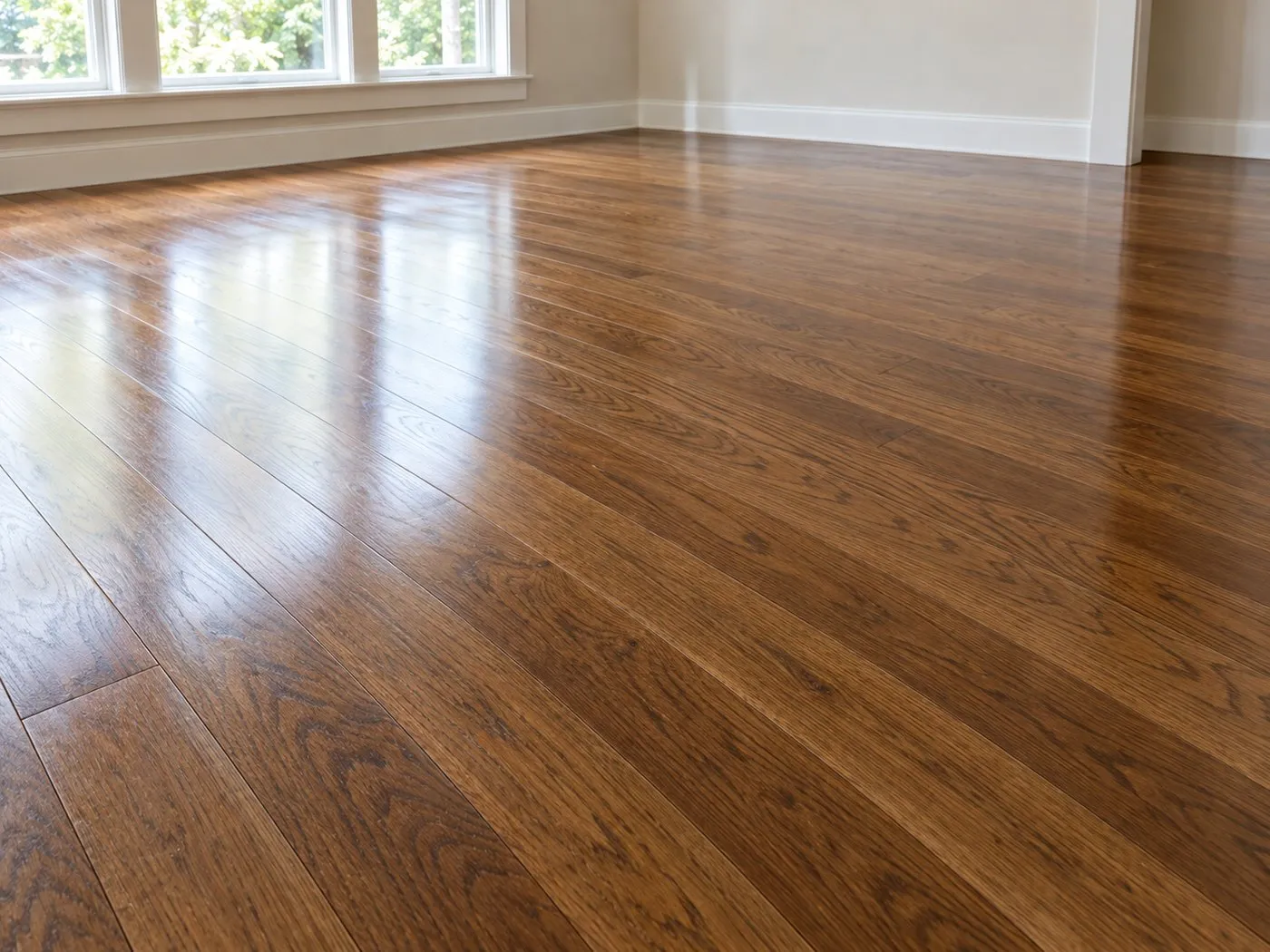
Special Walnut needs testing beside fixed woodwork. Review the prepared planks under daylight and lamps.
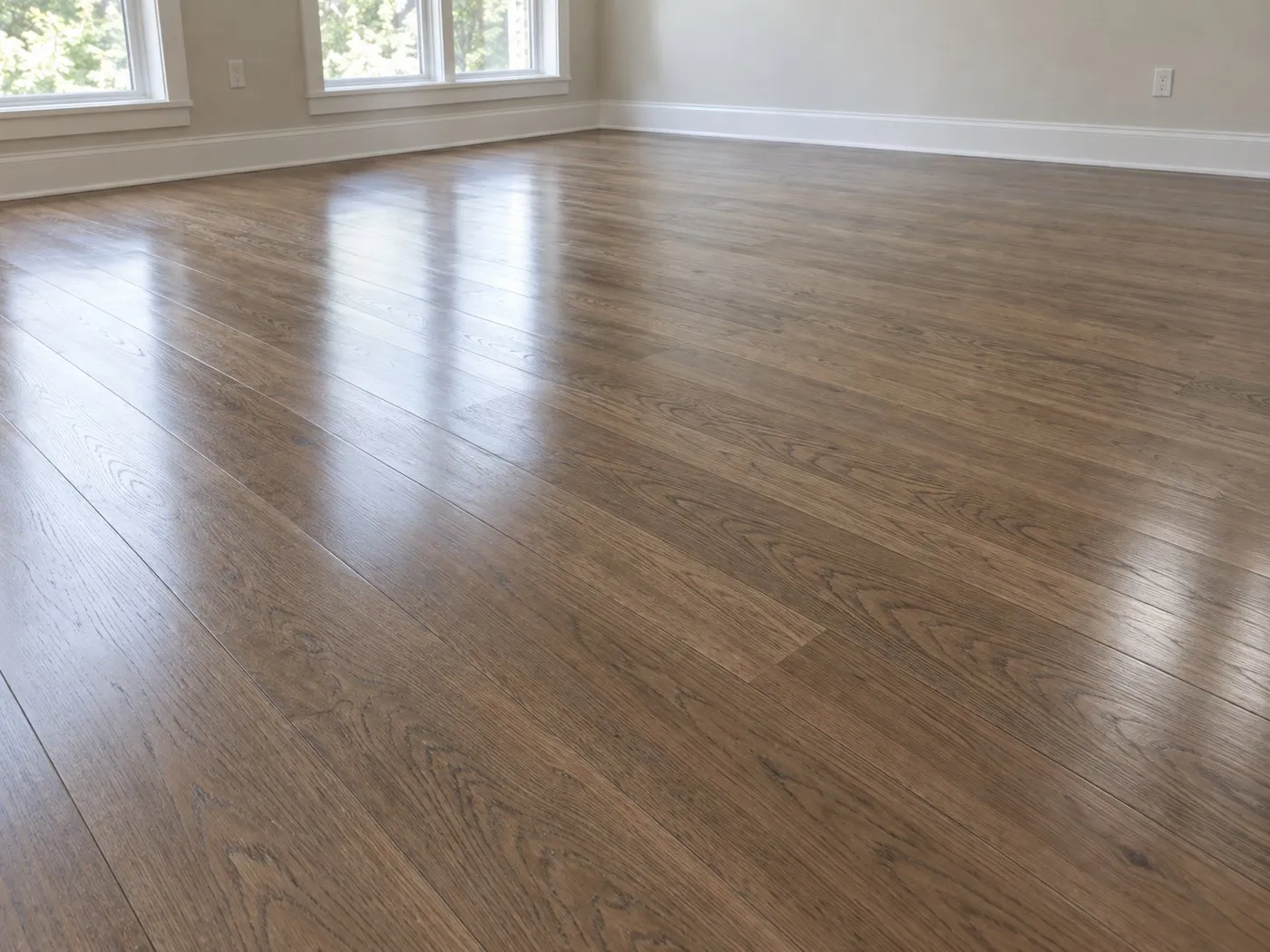
Provincial may read differently on repairs. Assess patch stock in the test area before shade approval.

Early American samples should include the clear coating. Assess the effect beside trim that will stay in place.

Dark Walnut can highlight grain differences. Inspect repair stock and older planks under the same sample system.

Jacobean’s depth makes room lighting worth checking. Check light dust visibility before choosing the shade.
 Get your Free In-Home Estimate
Yorktown’s preservation materials describe historic houses across several communities and encourage attention to their character. Identify the flooring details, trim and room borders you want to preserve before discussing renewal. Bring records of prior sanding or repairs if they exist, and seek property-specific town guidance where relevant. An assessment should establish usable plank thickness, damage and existing coatings, then mark a sanding boundary around the retained features. Include patches in the sample so preservation priorities and the expected finished appearance are considered together.
The town’s inventory includes older residential resources in Croton Heights, alongside the community’s wider historic setting. For your own floor, collect known repair information and photograph the planks and surrounding woodwork. Mark rooms that stay unchanged and identify any sections from later alterations. The consultation can then assess where sanding stops, how repaired wood takes color and what trim requires protection. Keep those choices in the proposal before furniture is moved.
The municipal brochure explains that Yorktown developed through distinct settlements, including Shrub Oak, Jefferson Valley and Kitchawan. Provide the actual property address, the entrance used for equipment and the rooms under consideration. Discuss furniture storage and the household spaces that must remain reachable. When those details are assessed with the floor, sanding and coating can be sequenced around the building’s access rather than left to be resolved on the first workday.
Assess the coating and damage first. Depending on compatibility and condition, the proposed renewal may preserve color or require preparation that exposes the wood.
New and aged wood can absorb color differently. A shared sample lets you judge the variation before the entire floor is treated.
Collection equipment assists with sanding dust. The proposal should still address furnishings, adjacent rooms and the route used by equipment.
Repairs, site conditions and the actual coating sequence affect timing. Confirm the job’s dates and distinguish working time from the finish’s separate curing requirements.
Appearance does not establish readiness for loading. Follow the specific coating instructions for permitted traffic, furniture and coverings.