Samples on Your Own Wood
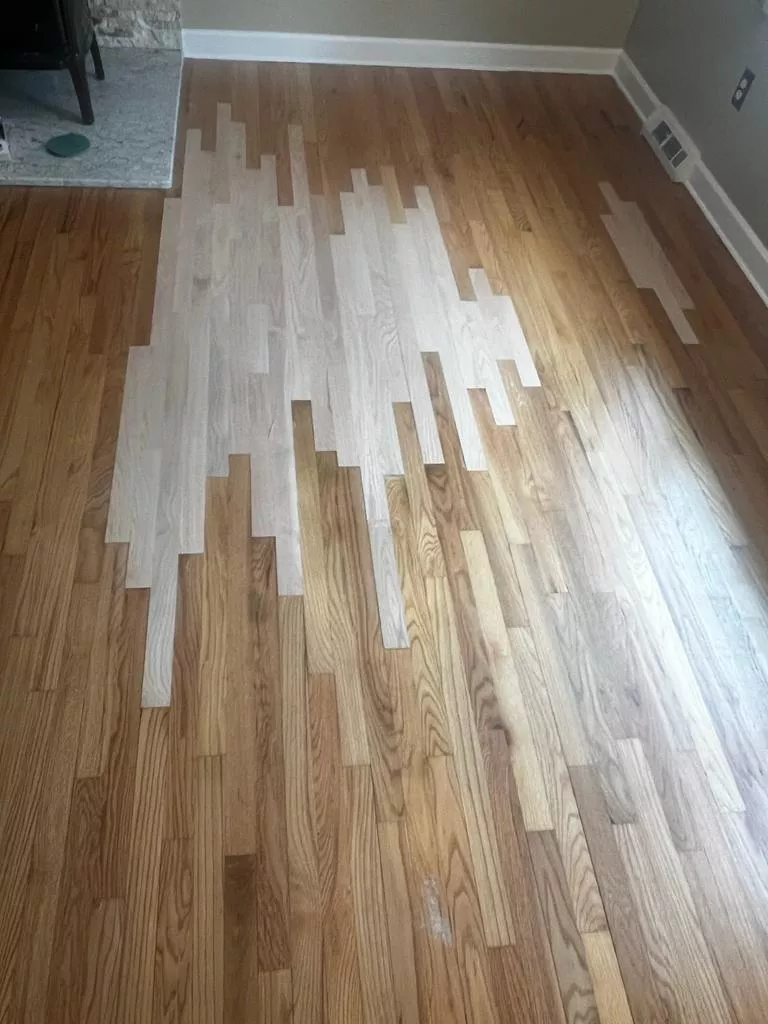
Wood species and existing patches can respond differently to color. Assess those variations before treating a sample as a promise for the entire floor.



Wood species and existing patches can respond differently to color. Assess those variations before treating a sample as a promise for the entire floor.

The floor must be prepared for the specified system. Sanding suitability, stain selection and coating requirements should be agreed as one sequence.

View samples from the room’s main entry and near the furniture you will retain. White Plains home lighting can differ from showroom or screen images.

Keep the written workmanship coverage and finish-care instructions. The selected appearance does not replace the maintenance needed by the completed floor.


 Get your Free In-Home Estimate
Use images to describe a direction, then compare a sample on suitable prepared wood. Screens, lighting and the wood itself can change the apparent color.
No. Species, grain and preparation influence color. If the floor contains different woods or repairs, discuss those variations before selecting the sample.
The preparation method needs assessment first. Remaining usable wood and prior treatments affect whether the planned sanding and staining are appropriate.
No. Discoloration or damage may extend beyond what can be safely removed, and color can emphasize some differences rather than conceal them.
Agree on the sample before the full area is colored. Review it with retained finishes and room lighting, after the proposed preparation has been considered.
Color selection and the protective finish are separate parts of the plan. The compatible system and its application requirements must be specified together.
An exact match is not assured. Wood age, species, earlier finish and lighting all affect the comparison at the doorway.
Show the existing floor, repaired areas and the trim or furniture you will keep. Bring reference images as a starting point and discuss the finish appearance you prefer.