Dustless Floor Refinishing
Sanding is considered only after the remaining wood has been assessed. Previous sanding and uneven areas can limit what can safely be removed.



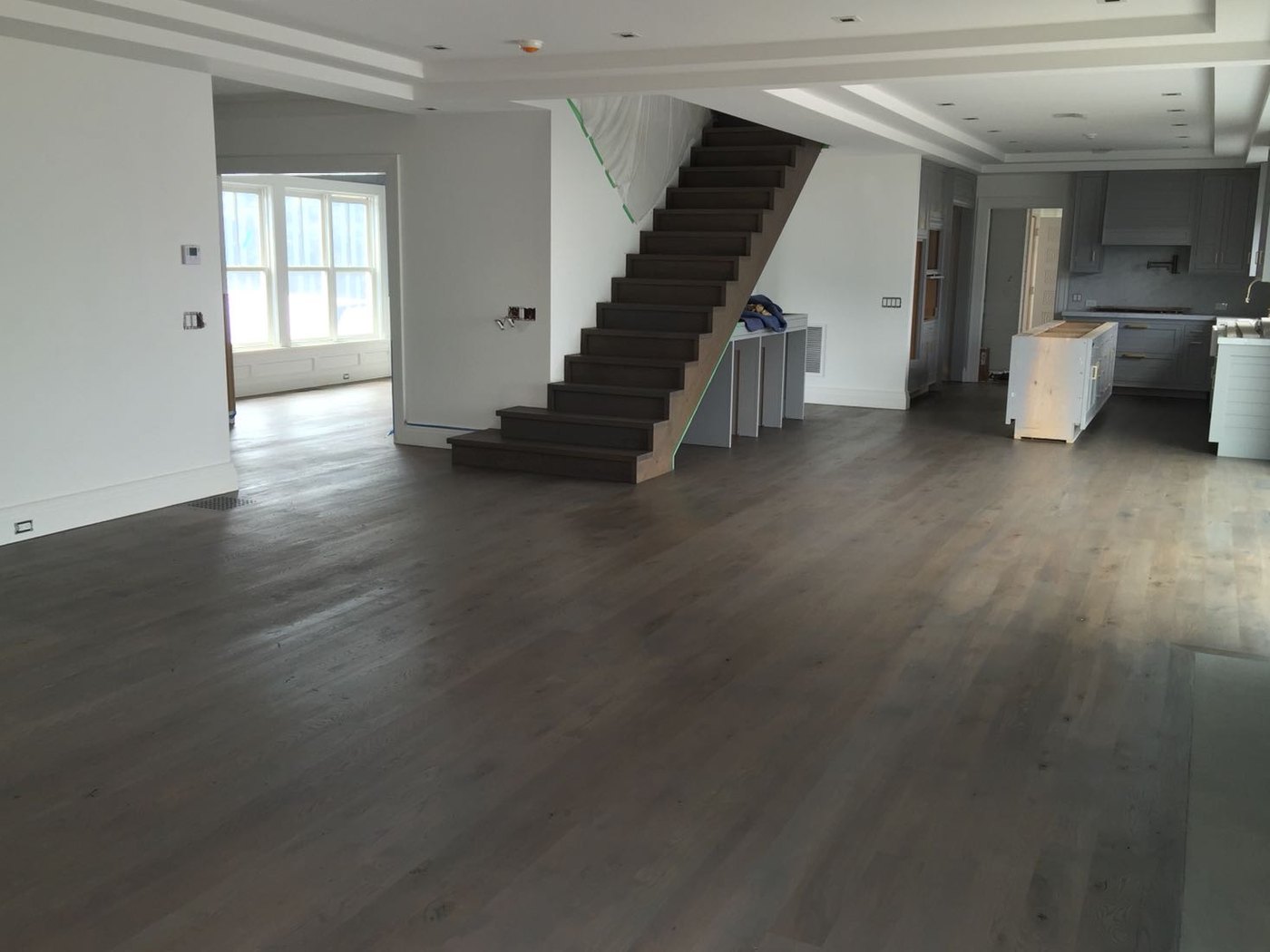

Sanding is considered only after the remaining wood has been assessed. Previous sanding and uneven areas can limit what can safely be removed.

Review the finish system and the time each stage requires. Room access, ventilation instructions and furniture return must follow the product used.

Mark deep scratches, worn routes and old patches during the visit. Looking at the whole connected floor helps define the repair and finishing boundaries.

Workmanship coverage follows the written terms. Keep the finish care instructions and report concerns with photographs and a description of the affected area.

Surface wear and damage within the wood require different responses. Identify bare areas and scratches during the inspection.
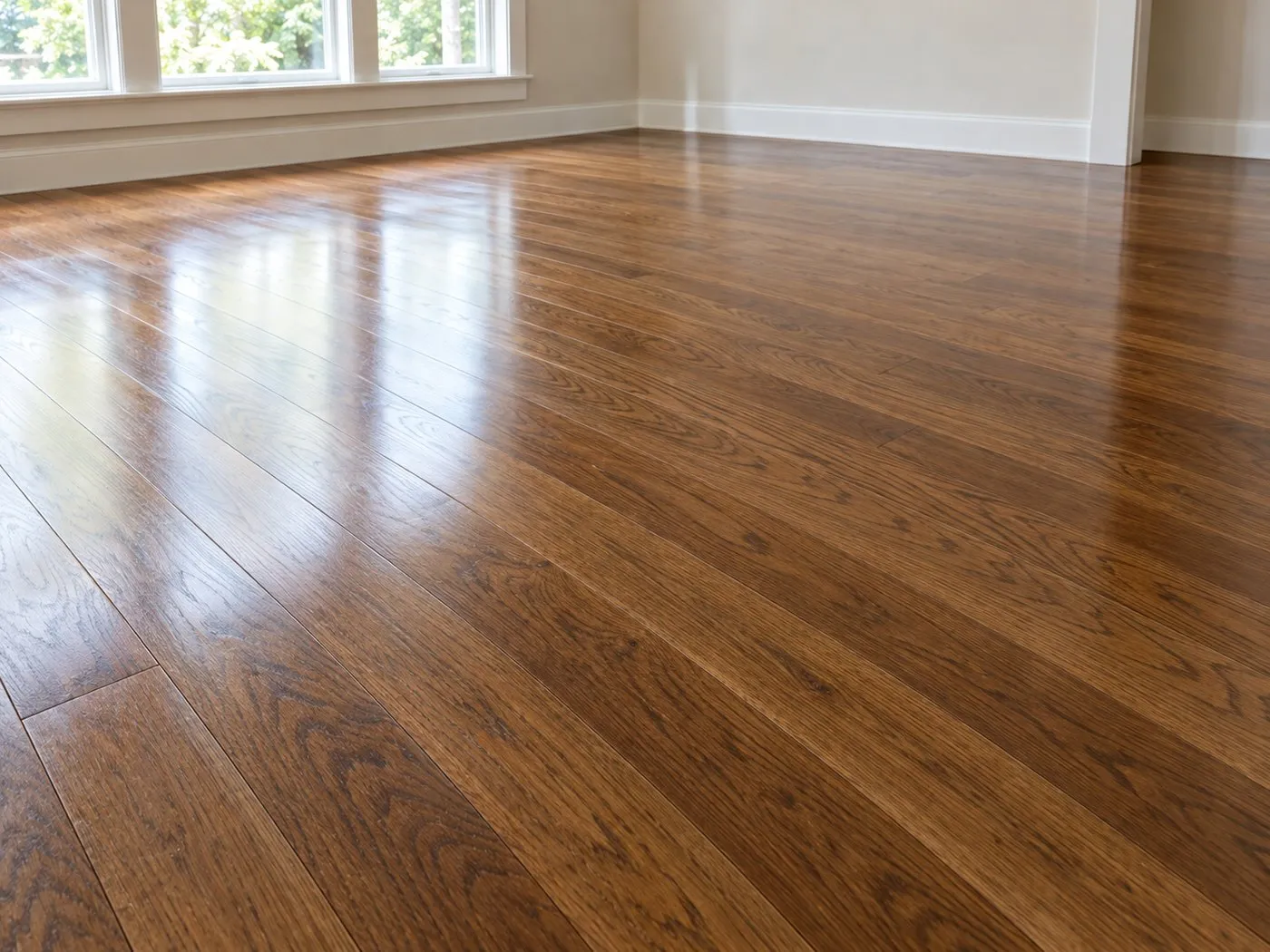
Old repairs may take stain differently from adjacent boards. Compare samples with those variations in view.
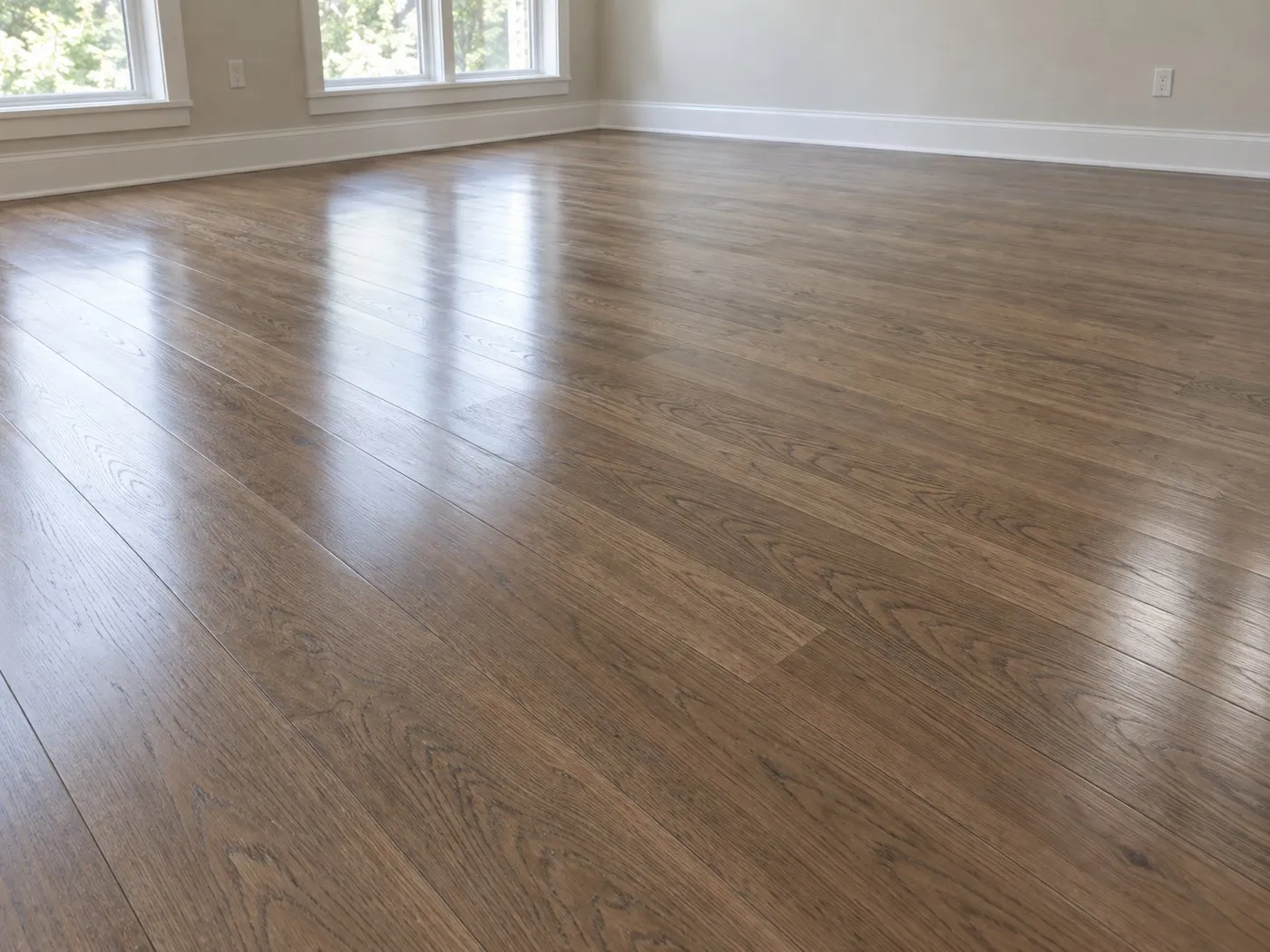
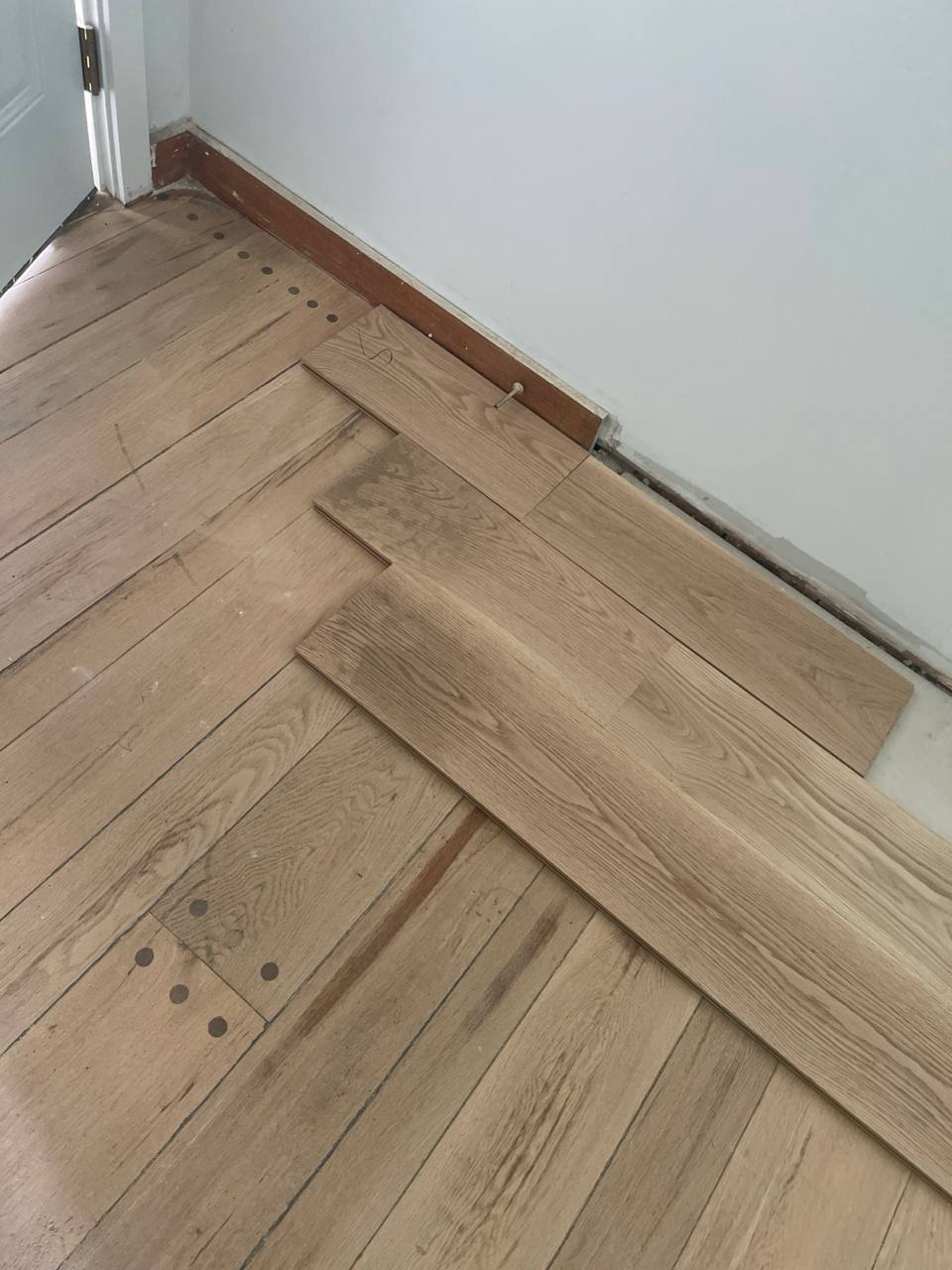
Engineered flooring needs a usable-wood assessment. Overall plank thickness does not establish whether another sanding is possible.

Agree on a stain sample before the full area is colored. Review it in the room rather than relying on a printed chart alone.

Drying and cure instructions serve different purposes. Follow the selected finish’s guidance for walking, furniture and rugs.

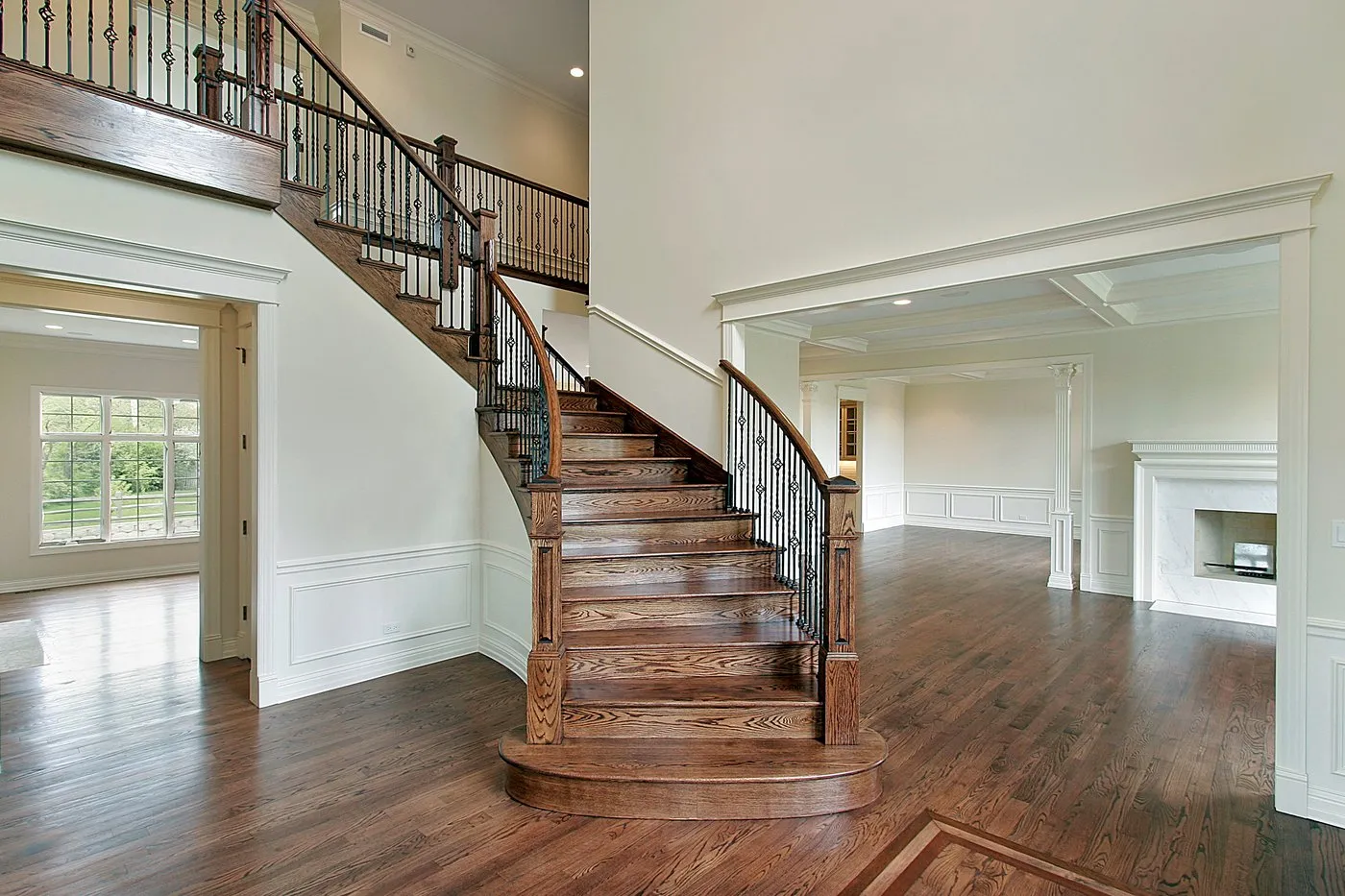
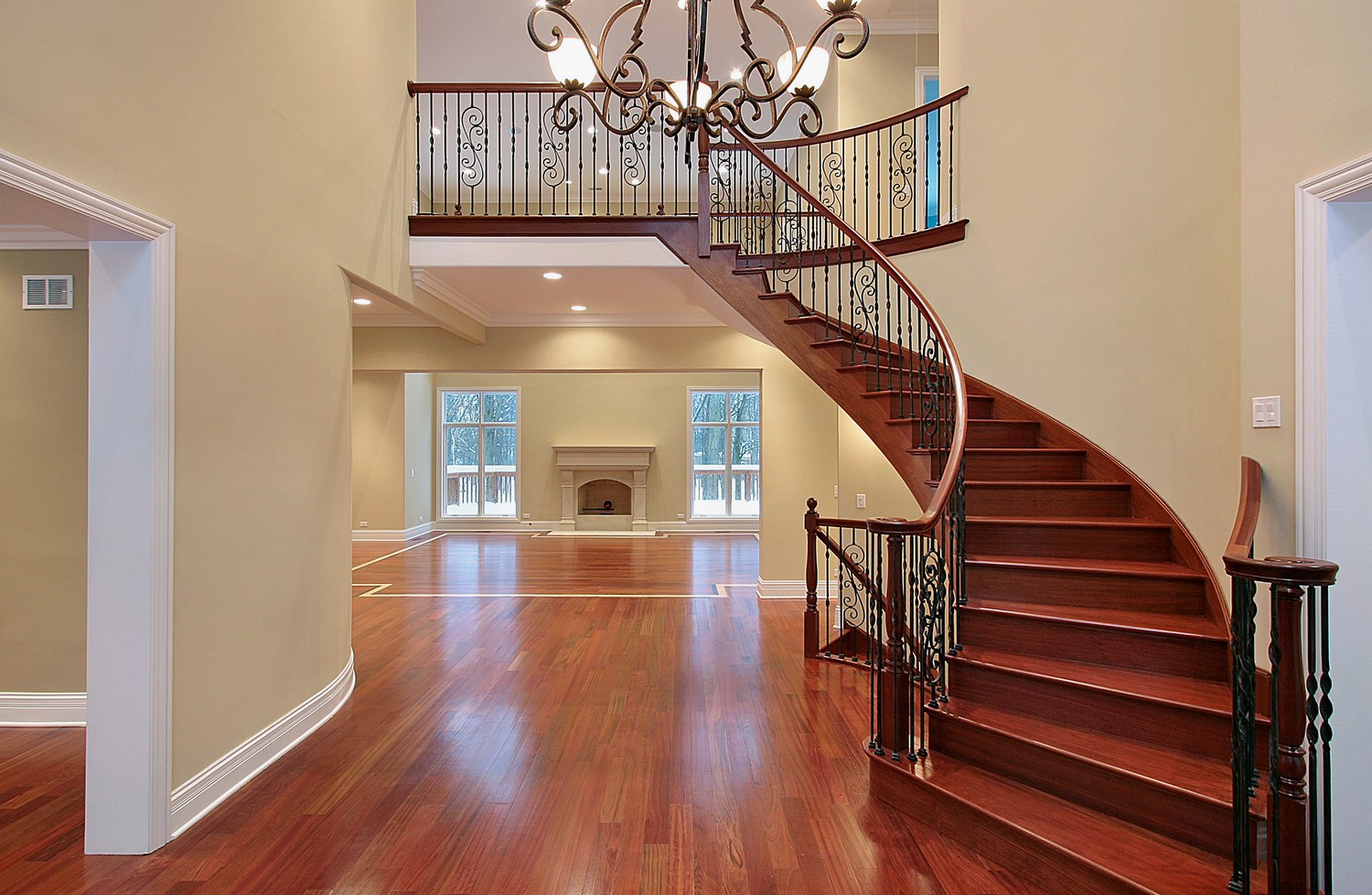
Stair treads and landings should be identified separately. Their access requirements may differ from the adjoining room.
 Get your Free In-Home Estimate
An inspection is needed. Remaining usable wood, past sanding, flatness and damage determine whether another full sanding is appropriate.
No. A compatible recoat works with the existing finish, while sanding removes the coating and some wood. Condition and contamination affect which approach can be considered.
Not necessarily. Some discoloration extends too deeply to remove safely. The estimate should explain where repair or replacement may be needed.
Color options depend on the wood and the existing treatment. Discuss the intended direction, then evaluate a sample on suitable prepared wood.
Review access routes at the estimate. The work sequence must account for the household and the time needed before the coated floor can be used.
Do not assume so. Treads, risers and landings should be identified and priced in the written proposal.
Follow the specific finish instructions supplied for the project. Walking time, furniture placement and rug placement may have different requirements.
Provide broad room photographs, close views of damage and any known sanding history. Note building access restrictions and which areas must remain reachable.