Samples on Your Own Wood
Approve stain samples on the Peekskill boards. Review old patches and retained trim so the decision reflects the actual room.



Approve stain samples on the Peekskill boards. Review old patches and retained trim so the decision reflects the actual room.

Fine sanding should follow the selected stain system. Confirm the preparation sequence before judging color on a small test area.

Even absorption depends on your wood and preparation. Examine your Peekskill surface and test stain before broad application.

File your one-year workmanship terms with the approved stain record. Review care and coating directions for the Peekskill flooring.


 Get your Free In-Home Estimate
Identify the doors, skirting and other wood details you intend to preserve before the sample visit. Nelson Avenue’s mapped historic area gives the renovation a local architectural context; the color review should focus on the actual retained surfaces in your home. Compare prepared floor samples beside them and include repair boards. Agree on the desired relationship between wood tones, then record the stain, sheen and boundary of the work.
Review prepared samples at floor level beside permanent doors, cabinets and trim. For a Peekskill home along the Hudson, include each connected room in the comparison if light and retained finishes differ between spaces. Look in daylight and under the lamps normally used there, then consider the planned coating sheen. An inspiration image can help narrow preferences; the recorded approval should describe the result on the actual boards being treated.
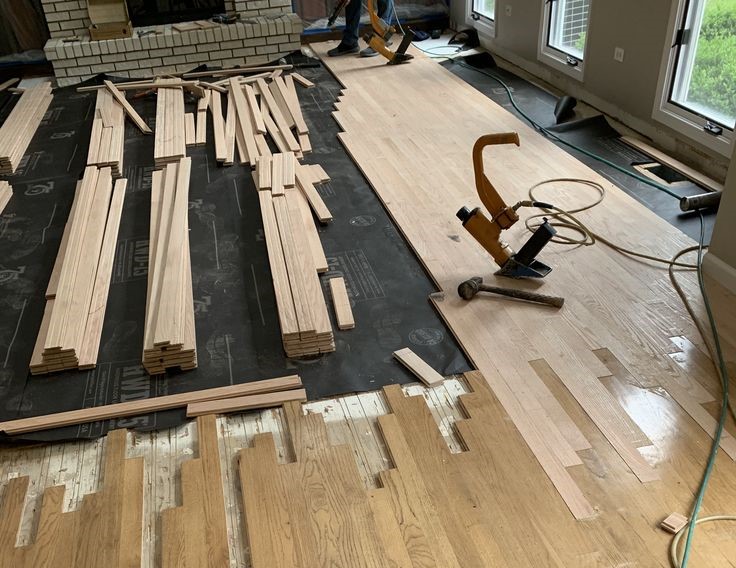
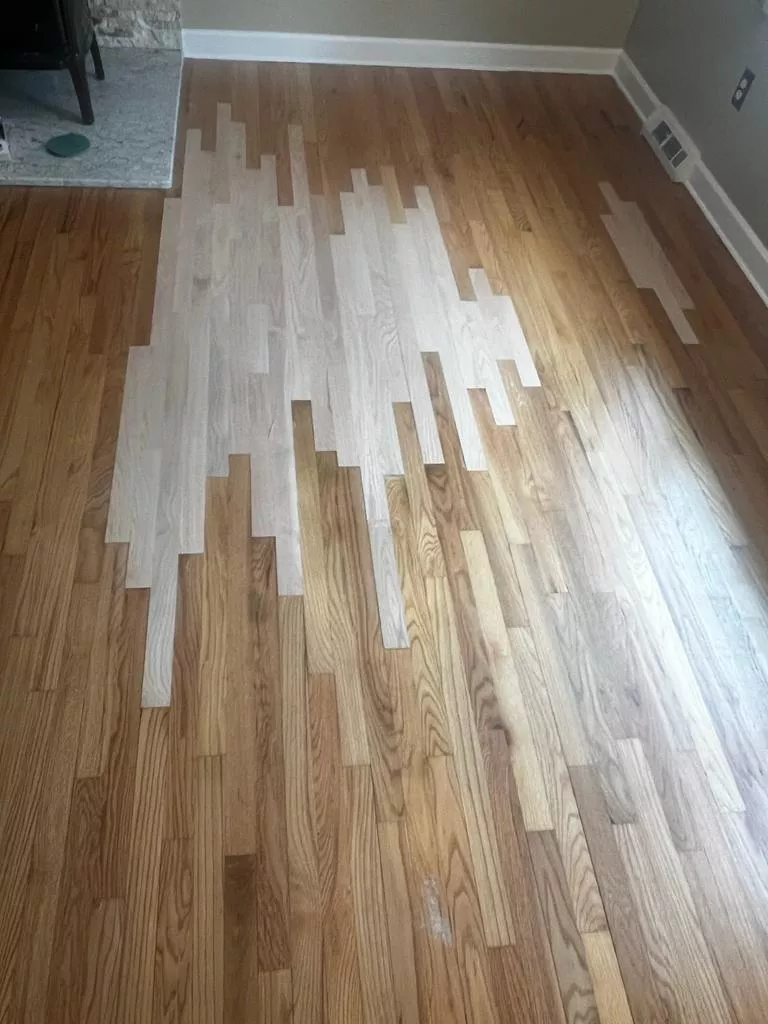
Replacement stock may absorb color differently from the original floor. Testing both shows the likely contrast before the whole area is treated.
The outcome depends on the individual wood and preparation. Assess toning samples rather than promising that a named color will remove every warm tone.
Studios and artist lofts contribute to Peekskill’s local arts scene. If the workspace has a retained wood surface or a specific palette to coordinate with, identify that reference during the visit. Test the proposed stain on the floor’s prepared wood and compare it under the studio’s lighting. Record the approved sample while allowing for grain variation; a custom mix cannot make every species or patched board identical.
Do not rely on color to conceal preparation problems. Evaluate the prepared wood and sample before broad application.
Evaluate the tread, landing and hallway materials together before approving one formula. In a downtown Peekskill renovation, identify which surfaces will remain and any shared access needed while finishing interrupts the route between rooms. Prepare samples on both wood surfaces, including repair pieces, and review them at the landing junction. Record the agreed color relationship and work boundary so any difference in grain or absorption is understood before application.
Keep the stain selection or mix, sample decision, coating system and work boundary in the project record so the intended finish is clear.