
Boards Matched to Yours
Matching boards means checking species, width and thickness. Check repair stock against the Peekskill floor before approving the patch plan.



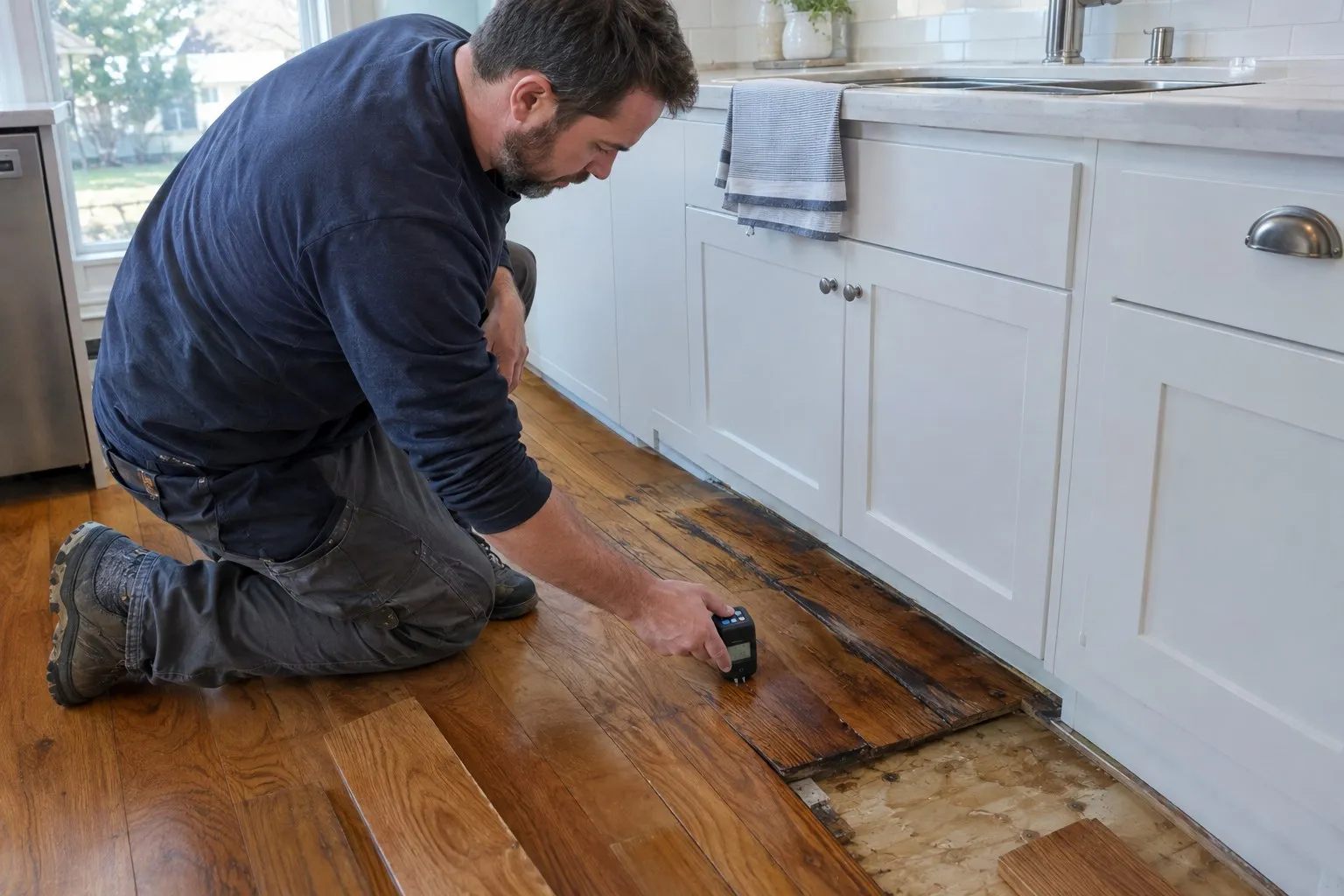
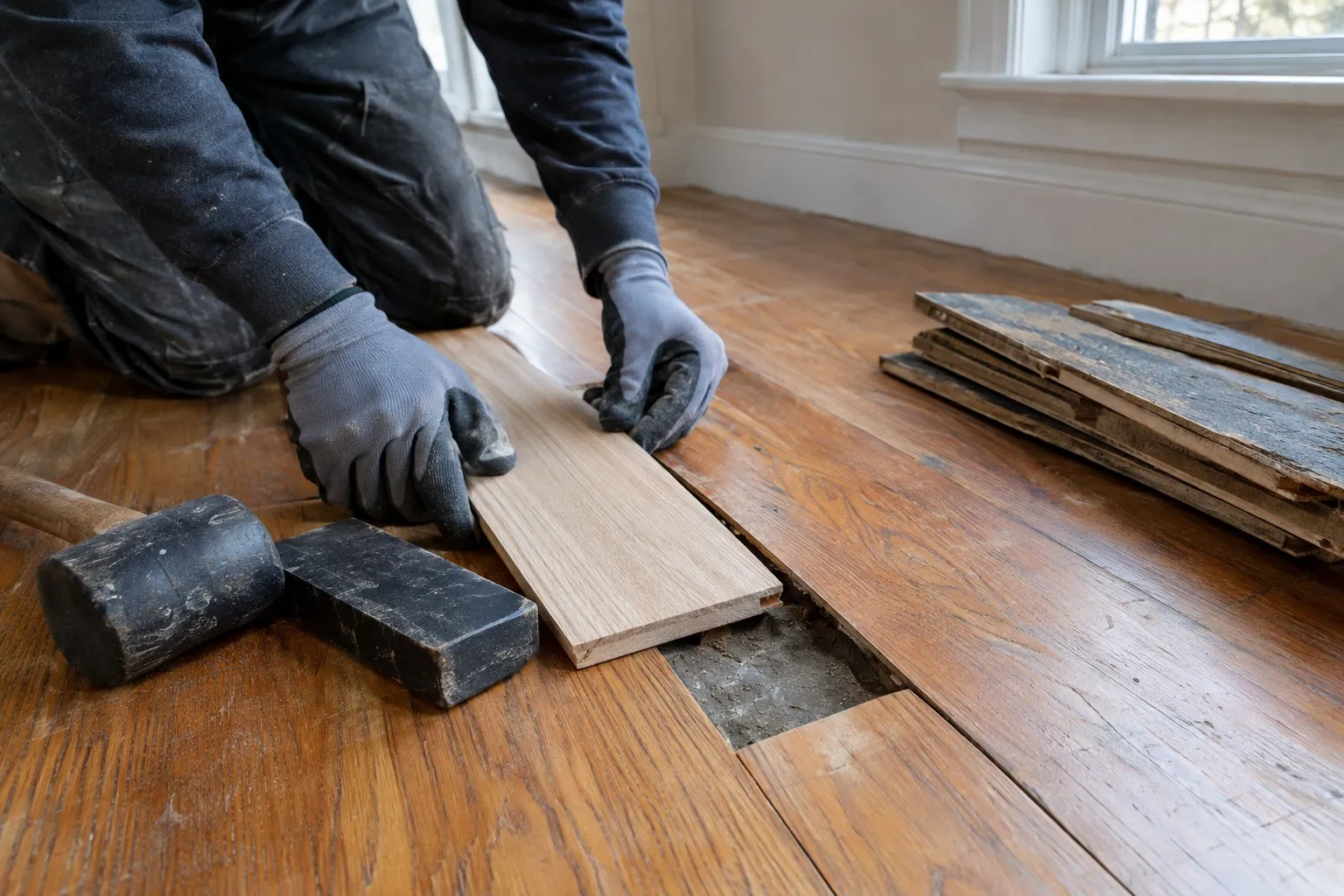

Matching boards means checking species, width and thickness. Check repair stock against the Peekskill floor before approving the patch plan.

Water damage needs a source investigation. Resolve an active leak and check site conditions before covering the damaged Peekskill area.

Squeaks and gaps need different checks. Locate movement and inspect support before deciding whether fastening or board repair will suit.

The one-year repair warranty follows the written scope. Retain the defect details and separate finish work with your proposal.


 Get your Free In-Home Estimate
Send a detailed damage photograph plus a room view showing its relationship to doorways and retained flooring. For a downtown Peekskill home, describe the entrance and any shared access needed for the visit. Inspect dimensions, species, fastening and neighboring boards before choosing repair stock. Then discuss the finishing boundary: the coating area may extend beyond the physical patch, so the proposal should make both scopes clear.
Compare potential repair stock beside the floor and retained trim before approving the patch. For a home in Peekskill’s Nelson Avenue historic area, identify the details you want to preserve and bring any spare boards or old product records to the assessment. Match dimensions and construction, then review grain and stain response. Define the repair opening and coating boundary together so the proposed appearance and the practical work are understood before removal.
Describe the exact location, when it occurs and whether movement is visible. Access to the supporting construction may also affect the repair options.
Report when the mark appeared, whether it has changed and any known plumbing, appliance or exterior water event. For a Hudson waterfront property in Peekskill, identify the particular room and floor level rather than describing only the neighborhood. Inspect the affected boards and support, address any active source and confirm suitable conditions before replacement. The estimate should explain which material can remain and the finishing treatment proposed for the patch.
Have the depth of the mark and the remaining usable wood assessed before choosing a treatment. In a downtown or Nelson Avenue room where surrounding flooring and trim will stay, compare the likely appearance of sanding with a localized board patch. Include replacement stock in any stain sample. The approved scope should explain the physical repair and coating boundary, particularly when removing more wood would compromise the existing floor.
A single opening may not explain what the floor is doing. The distribution, conditions and board movement help determine an appropriate treatment.
A fill may remain visible because it does not reproduce the original grain. Review the likely appearance against a replacement-board option.
The required finishing area depends on the patch and surrounding coating. Ask for the repair boundary and coating scope to be described separately.







