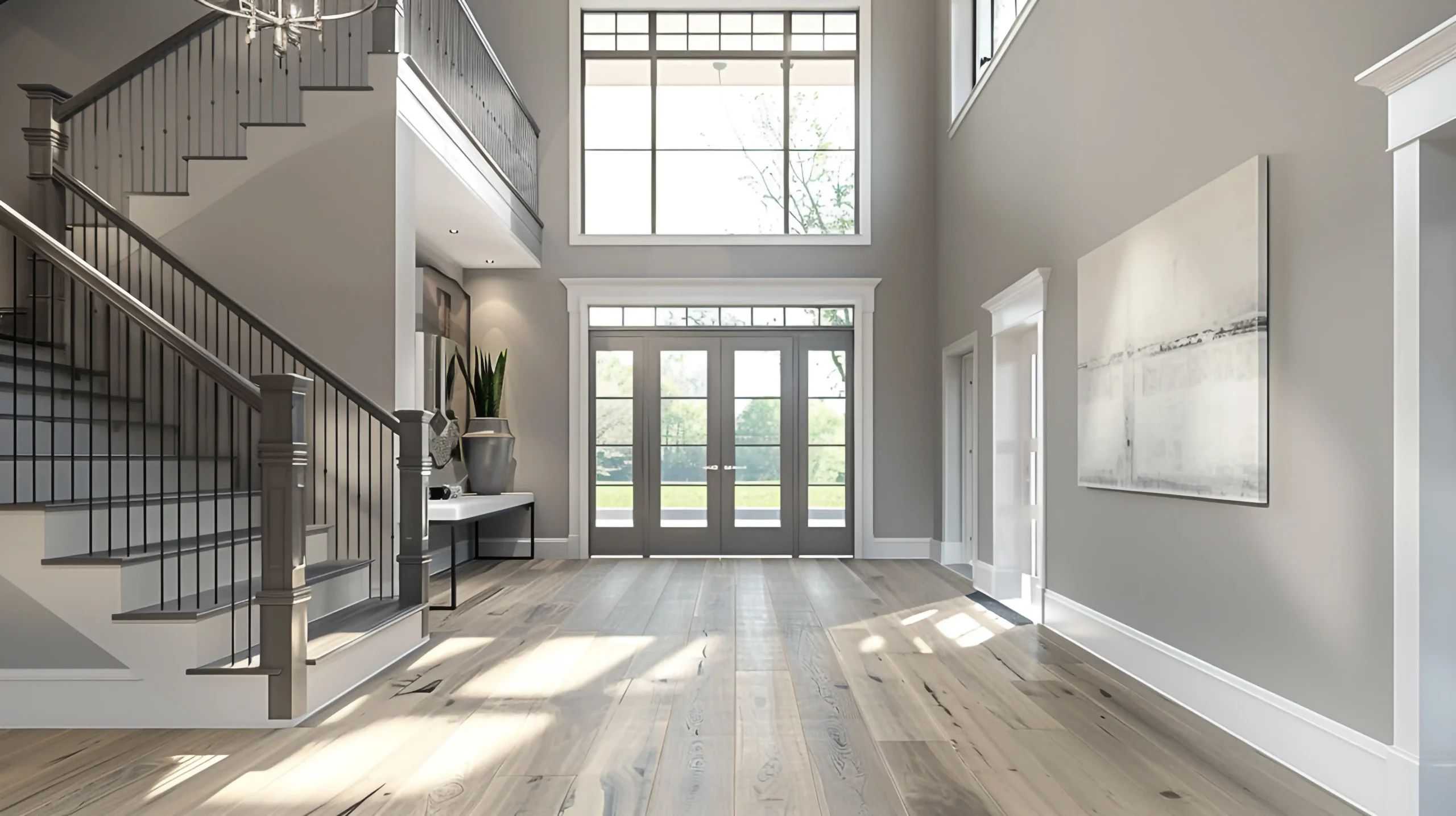
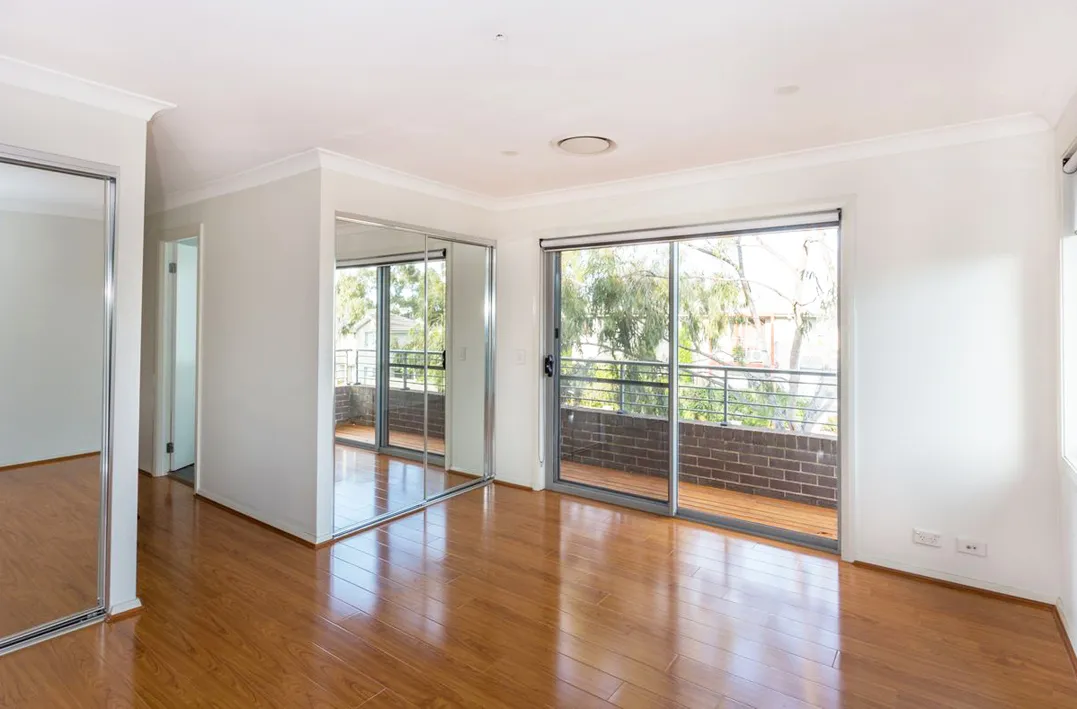
Dustless Floor Refinishing
Dust collection limits sanding dust but cannot remove every particle. Discuss containment and workroom separation for your Peekskill home.



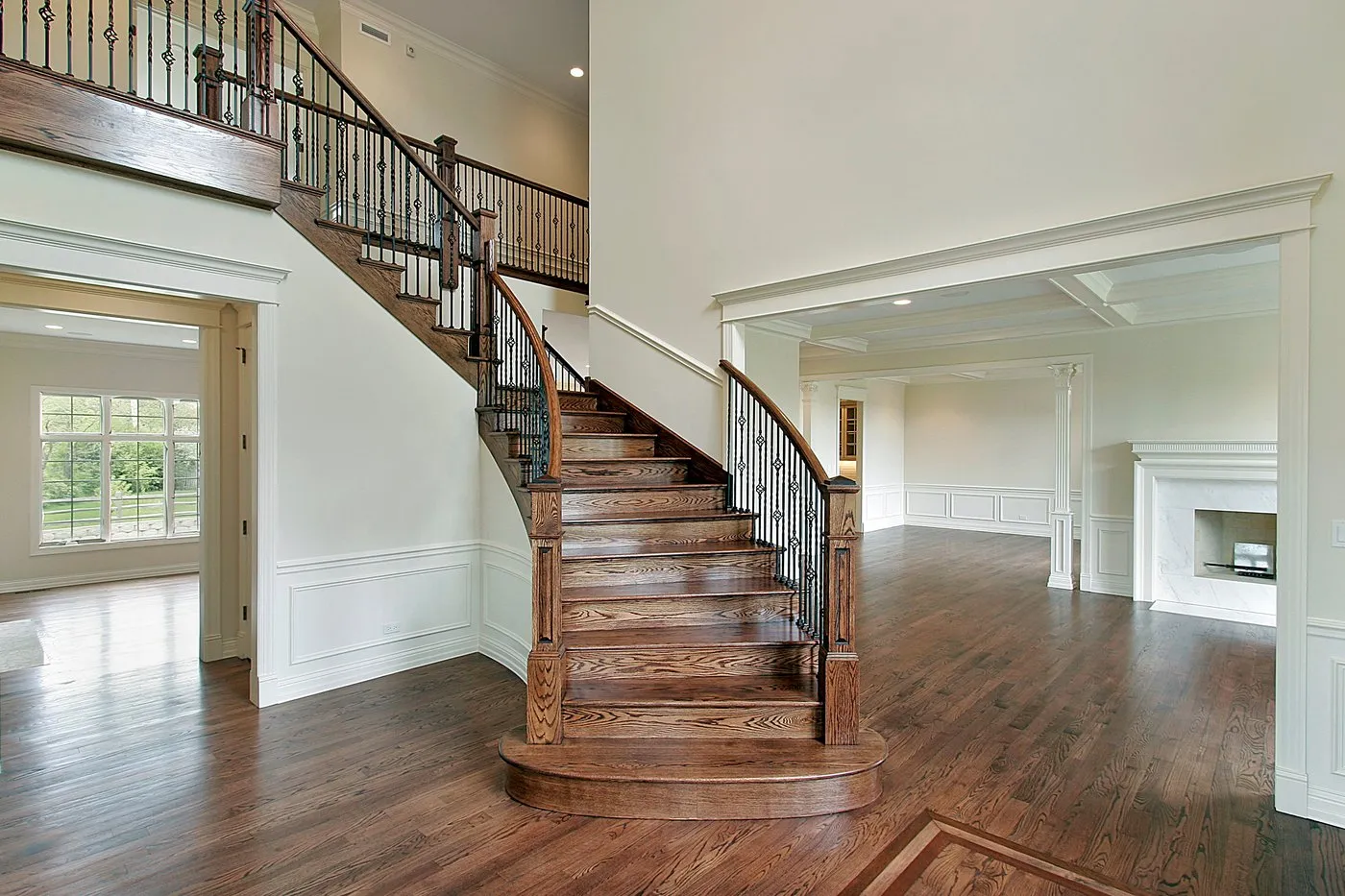
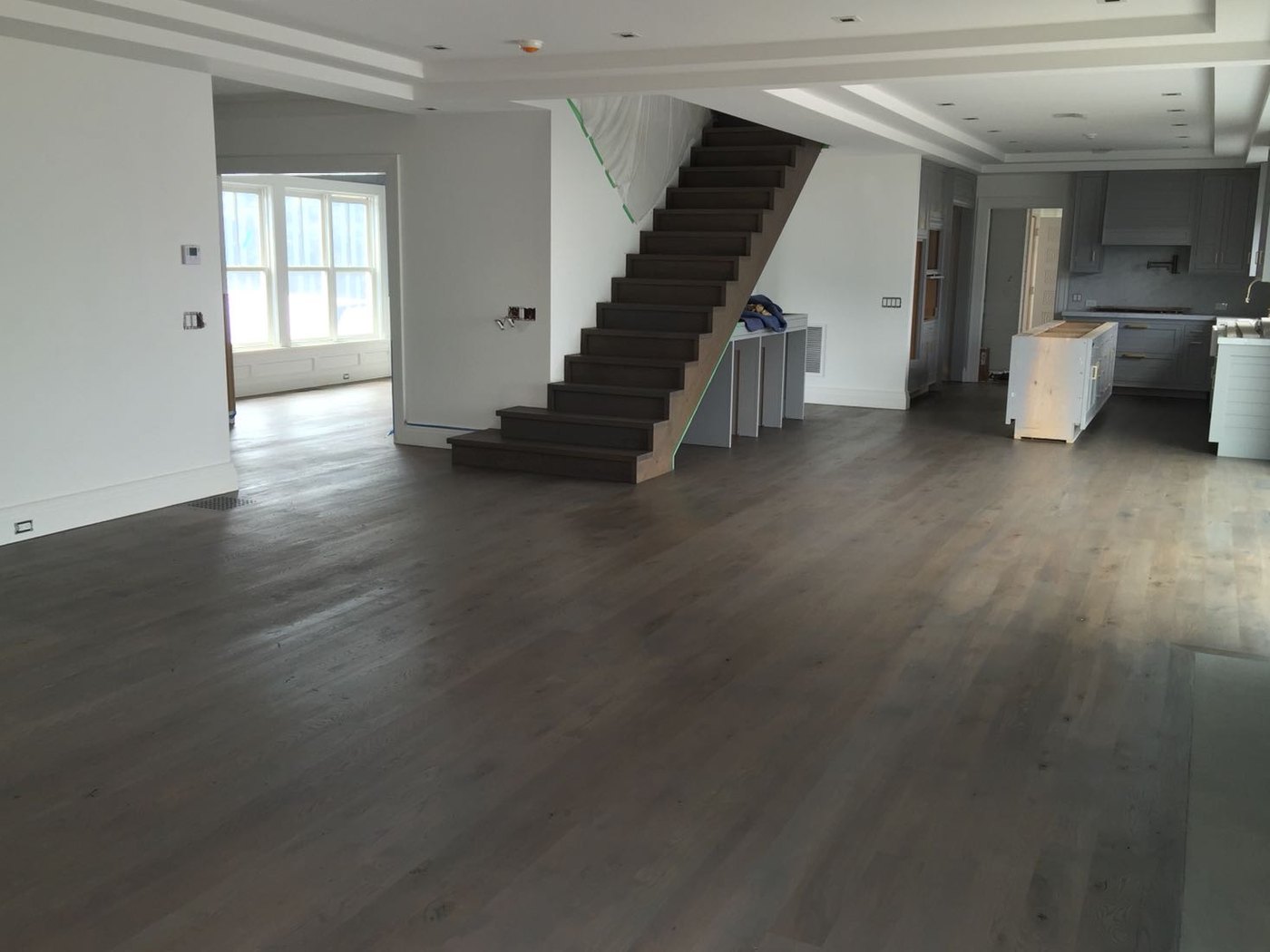

Dust collection limits sanding dust but cannot remove every particle. Discuss containment and workroom separation for your Peekskill home.

Three to five days is a planning window, not a cure time. Confirm the chosen finish’s traffic and furniture schedule for those spaces.

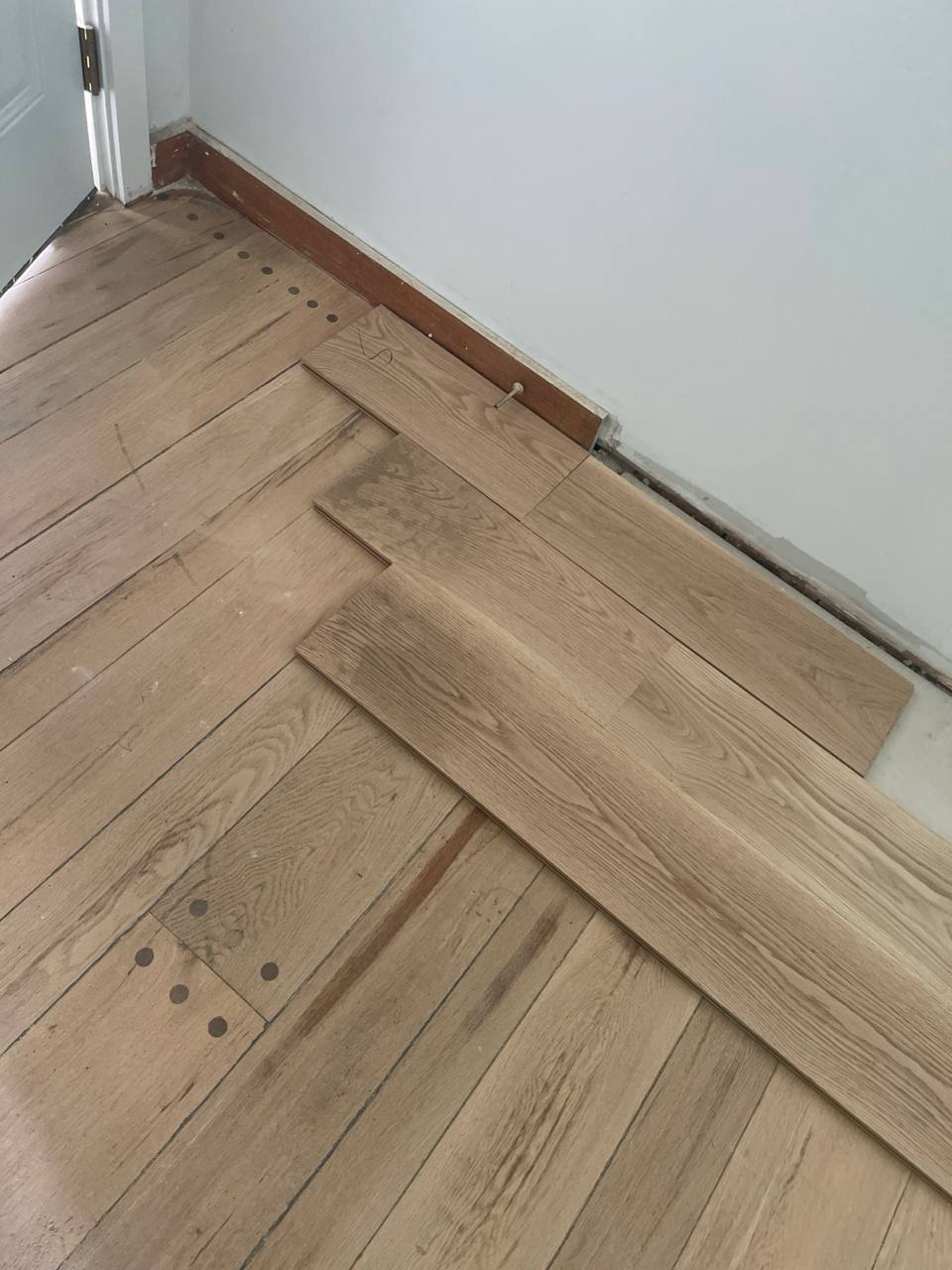
Sort surface wear from damaged boards during the first visit. Identify needed Peekskill repairs before sanding and coating.

The one-year refinishing warranty follows the agreed terms. Keep the coating details and care guidance with the work scope.

A natural finish shows more of the wood’s tones. Examine old patches beside your original Peekskill boards.
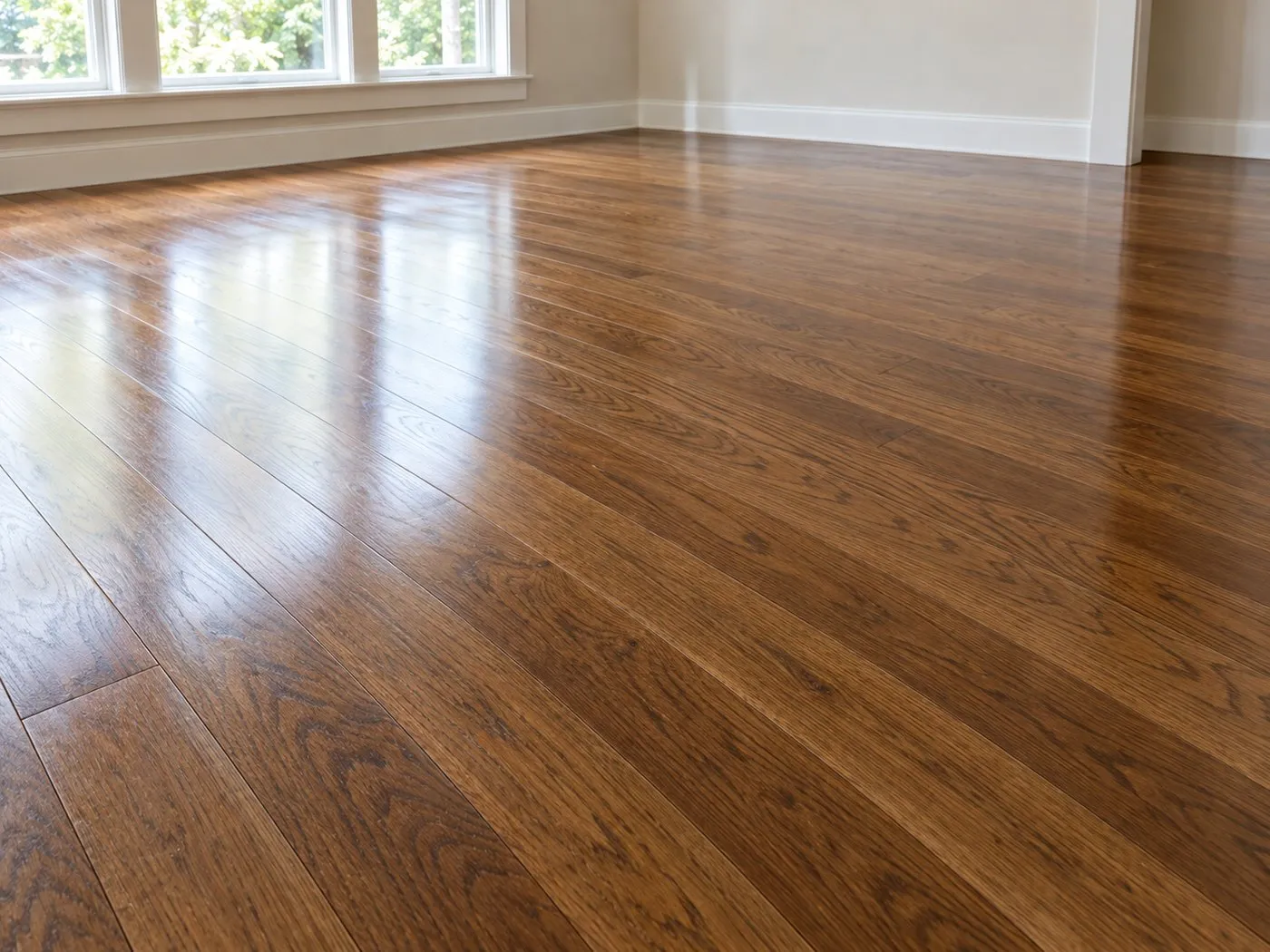
Special Walnut can read differently across species. Compare a sample beside the woodwork that will stay.
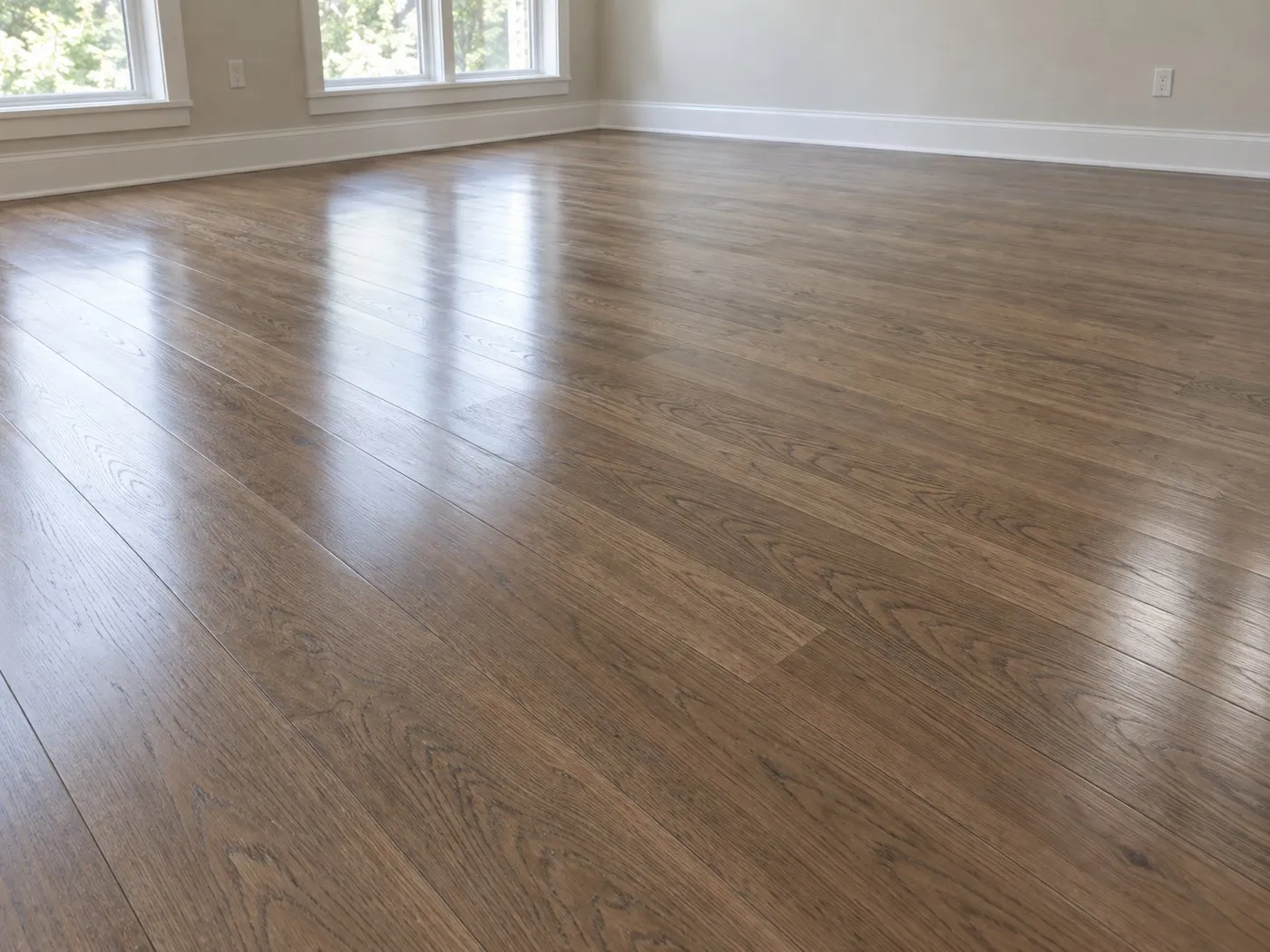
Provincial needs a prepared-wood sample. Review the color in daylight and under the work room’s lamps.

Early American should be judged on the actual boards. Check replacement pieces when assessing the sample color.

Dark Walnut can emphasize grain contrast. Compare the test area with remaining doors before full-floor approval.

Test Jacobean to see its depth on your wood. Review patched sections and the selected sheen before coating.
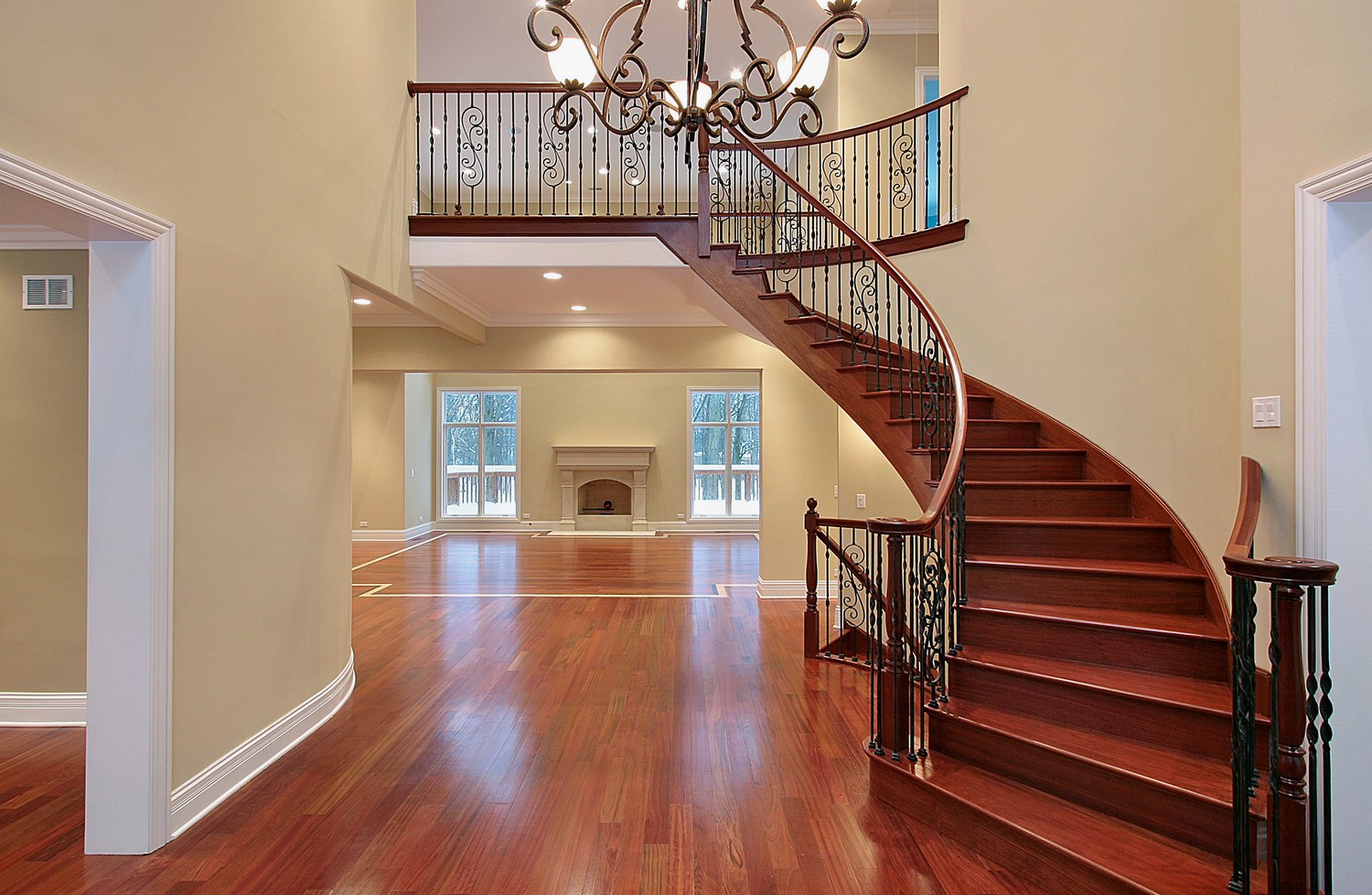
 Get your Free In-Home Estimate
Identify the woodwork and adjoining floors you intend to retain, then share any known sanding or repair history. Nelson Avenue’s mapped historic setting provides a useful context for preserving the room’s appearance. During the survey, inspect board edges and patches to establish suitable preparation. Compare stain samples beside the retained details, and agree on the finish boundary so the restoration scope supports both the wood’s condition and the look you want.
The usable wood above joints or the remaining wear layer, existing damage and prior work all matter. This cannot be established from a stain-color photograph.
Treat the home’s real circulation as the starting point. In a downtown apartment where one hall connects bedrooms to the entrance, coating that hall can interrupt access beyond the room being refinished. Identify those routes during the visit and decide where the finish will stop. A doorway may provide a useful visual boundary, but the agreed schedule must also explain when the household can use each affected area.
Collection reduces debris at the equipment, but complete absence of dust should not be promised. Discuss isolation and cleanup as part of the scope.
Peekskill’s arts identity includes working lofts and studios. If the floor supports a work area, describe equipment, storage and substances used there before choosing a finish. The inspection still needs to establish sanding suitability and any repairs. Then compare the coating’s permitted use and maintenance with the studio’s activities, and arrange storage outside the work zone for preparation and the specified return-to-use period.
No. Project duration and coating cure are different. The specific finish instructions govern when traffic, furniture and rugs can return.
Place the prepared samples beside the doors, trim or cabinetry that will remain. For a Peekskill Hudson waterfront home, review any room included in the project under its own daylight and evening lamps, especially when connected spaces receive light differently. Include patches in that comparison and select the coating sheen at the same stage. Record the approved appearance before the color is applied across the full planned floor area.
Mention wax, polish, previous coatings and any known refinishing work. These details help determine which preparation and compatibility checks are needed.