Samples on Your Own Wood
Bring your color references, but compare them with the wood that will receive the stain. Existing grain and natural tone remain part of the result.



Bring your color references, but compare them with the wood that will receive the stain. Existing grain and natural tone remain part of the result.

Review representative samples in the room during normal daylight and evening use. Record the selected color and finish system before the full application.

We identify the rooms and stopping points before preparing samples. A hallway or repaired area may need attention when the color continues into another space.

The written one-year workmanship terms cover the agreed labor. Keep the stain selection, finish information and care instructions with your project documents.


 Get your Free In-Home Estimate
Use photographs to explain your preference, then compare a sample on the actual wood. Screens and lighting can change the appearance significantly.
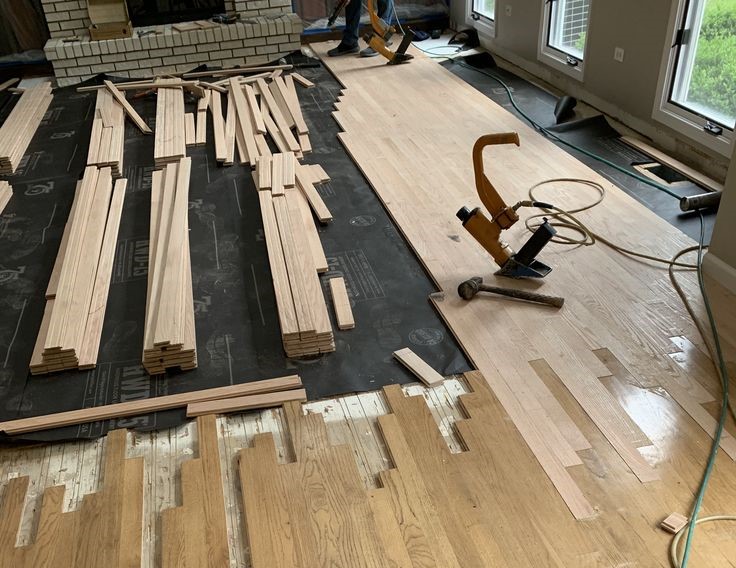
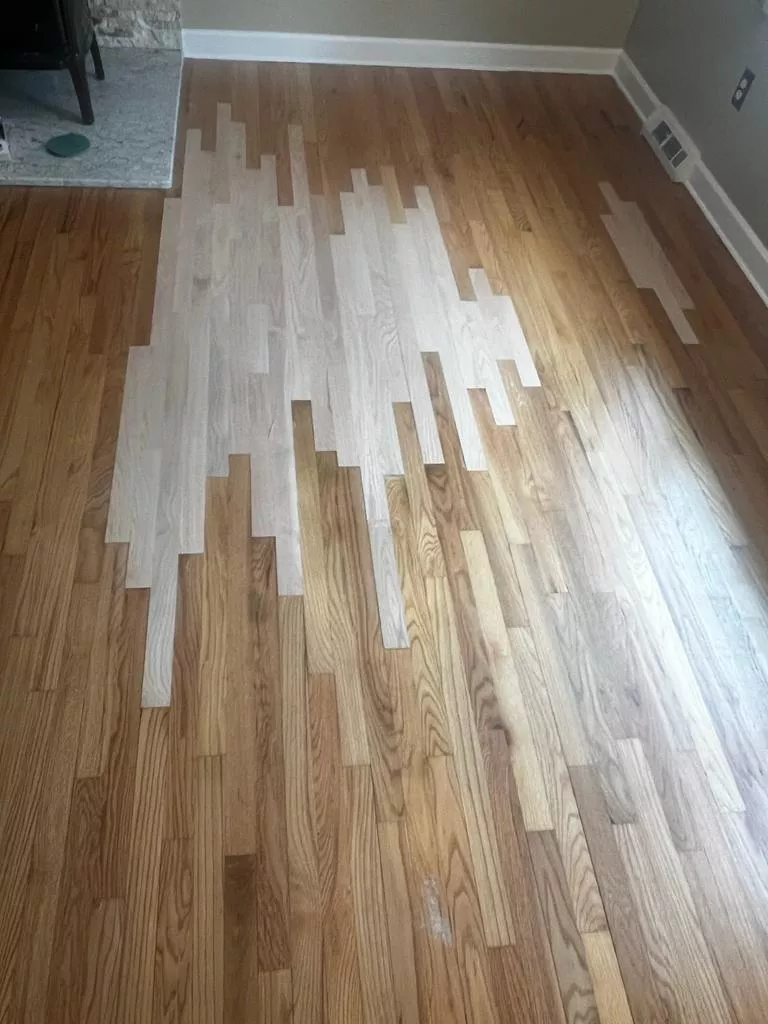
Not always. Differences in species, age and preparation can affect the result. Review a sample that includes representative retained and replacement wood.
The existing color and coating need assessment first. The wood species, preparation and any deep marks affect what result is achievable.
Stain changes the wood color; a compatible finish provides the surface coating. The proposal should identify the intended system rather than treating them as interchangeable.
They can coordinate or contrast. Compare both woods and their lighting before deciding, since the same product can look different on each surface.
No. Deep marks or damaged wood may remain visible. Assess those areas before relying on color to disguise them.
Approve the representative sample before application across the full floor. Keep the selected product or formula with the job details.
Bring color references and photographs of the rooms. Point out trim you are keeping, adjoining floors and any previous patches that should be considered.