Boards Matched to Yours
Point out the damaged area and describe when you first noticed it. Photographs and any known leak history help prepare for the visit, but the floor still needs inspection.



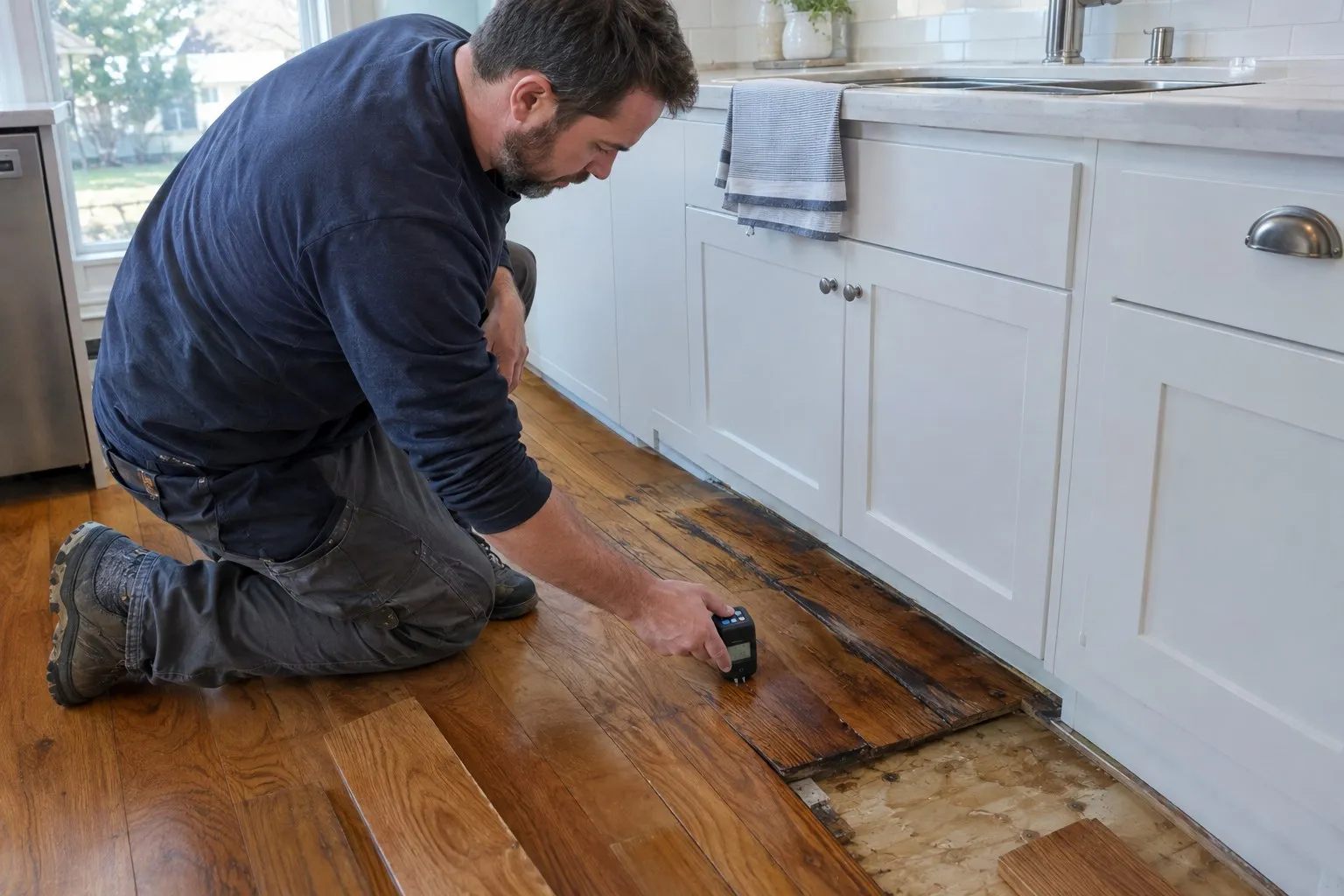
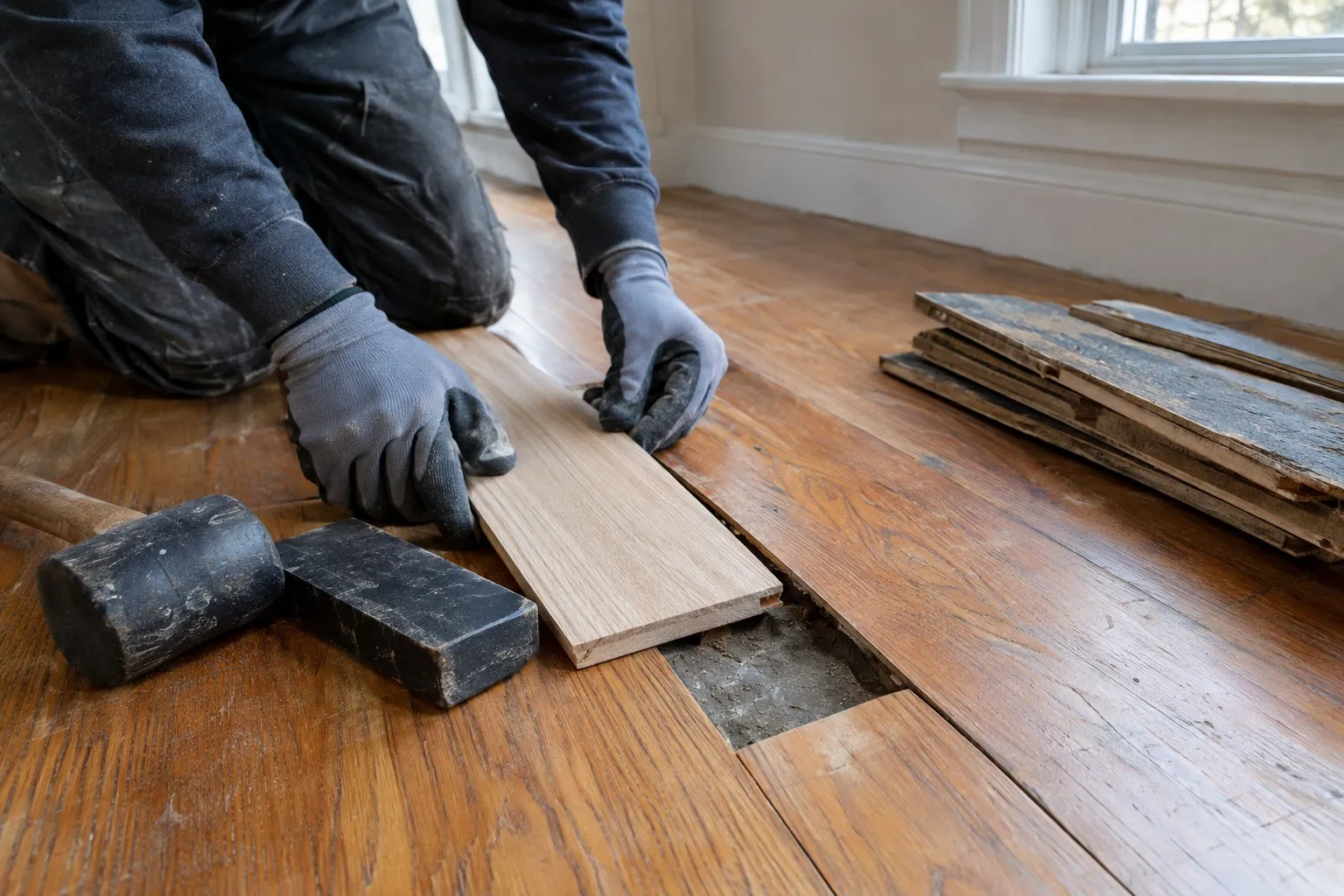

Point out the damaged area and describe when you first noticed it. Photographs and any known leak history help prepare for the visit, but the floor still needs inspection.

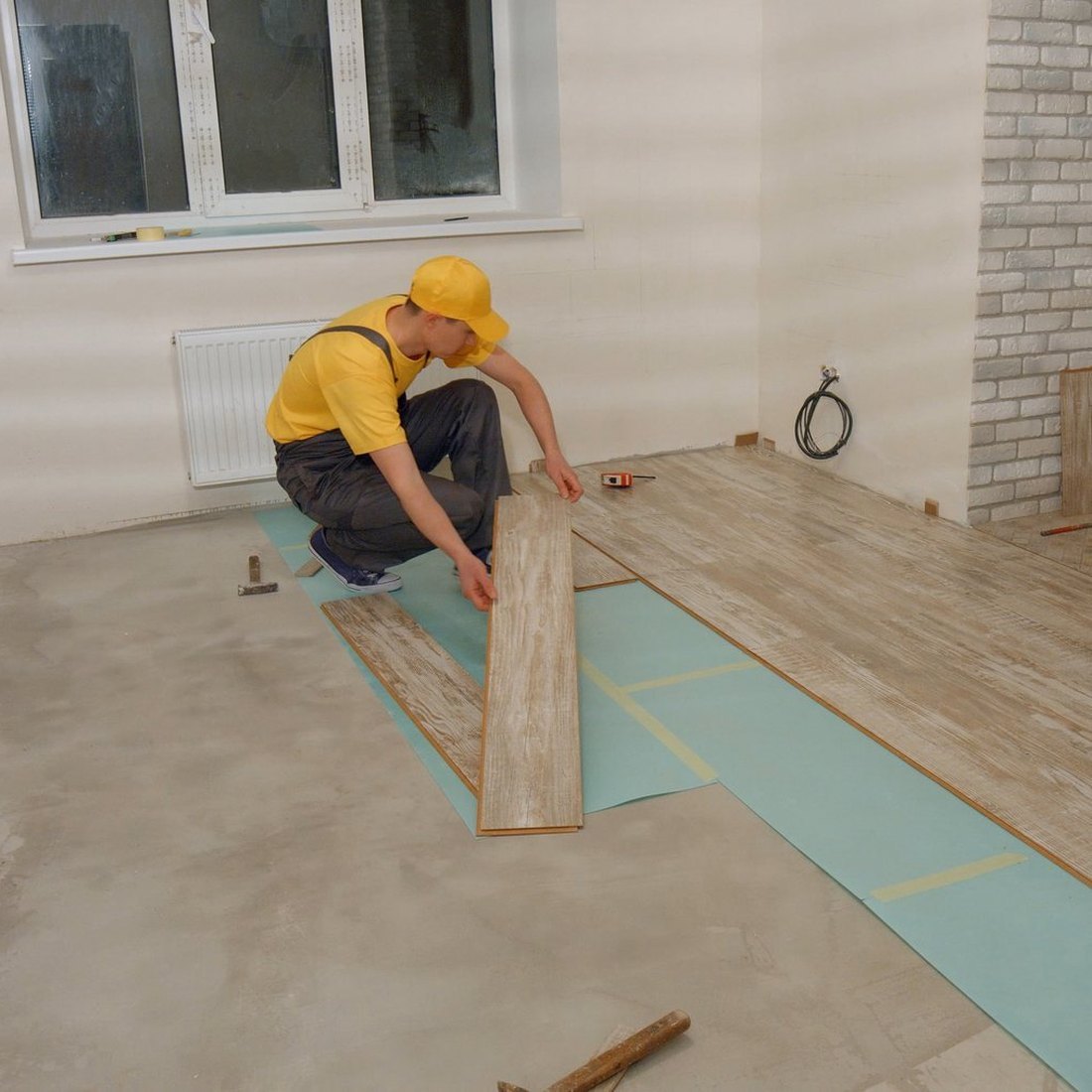
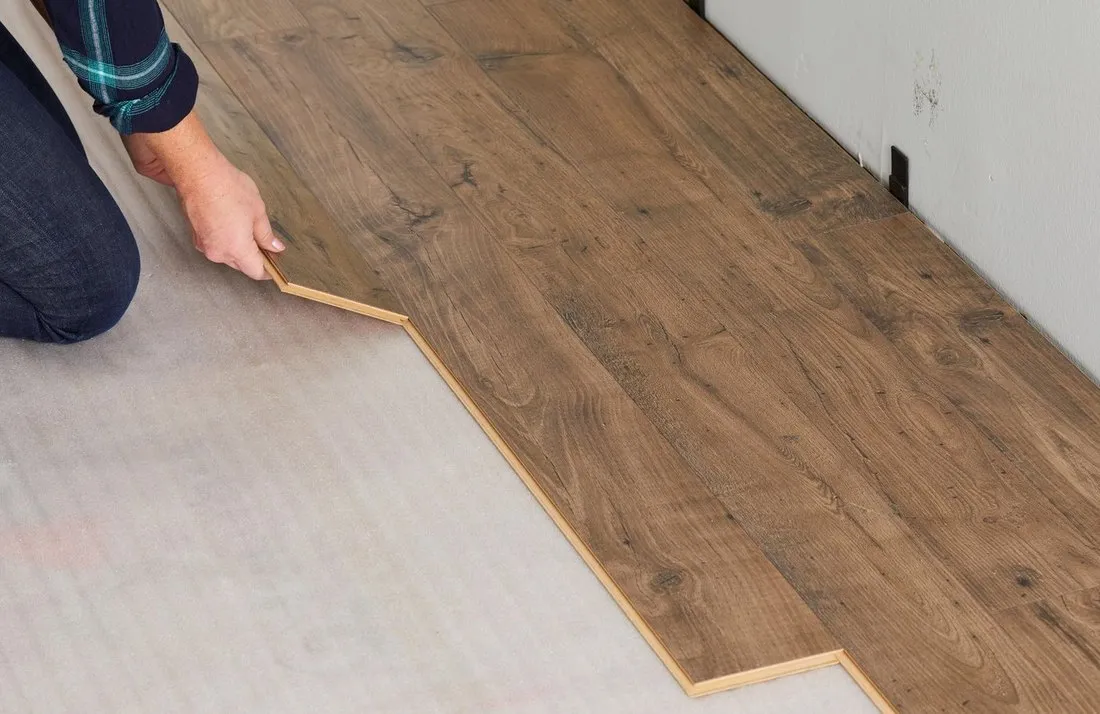
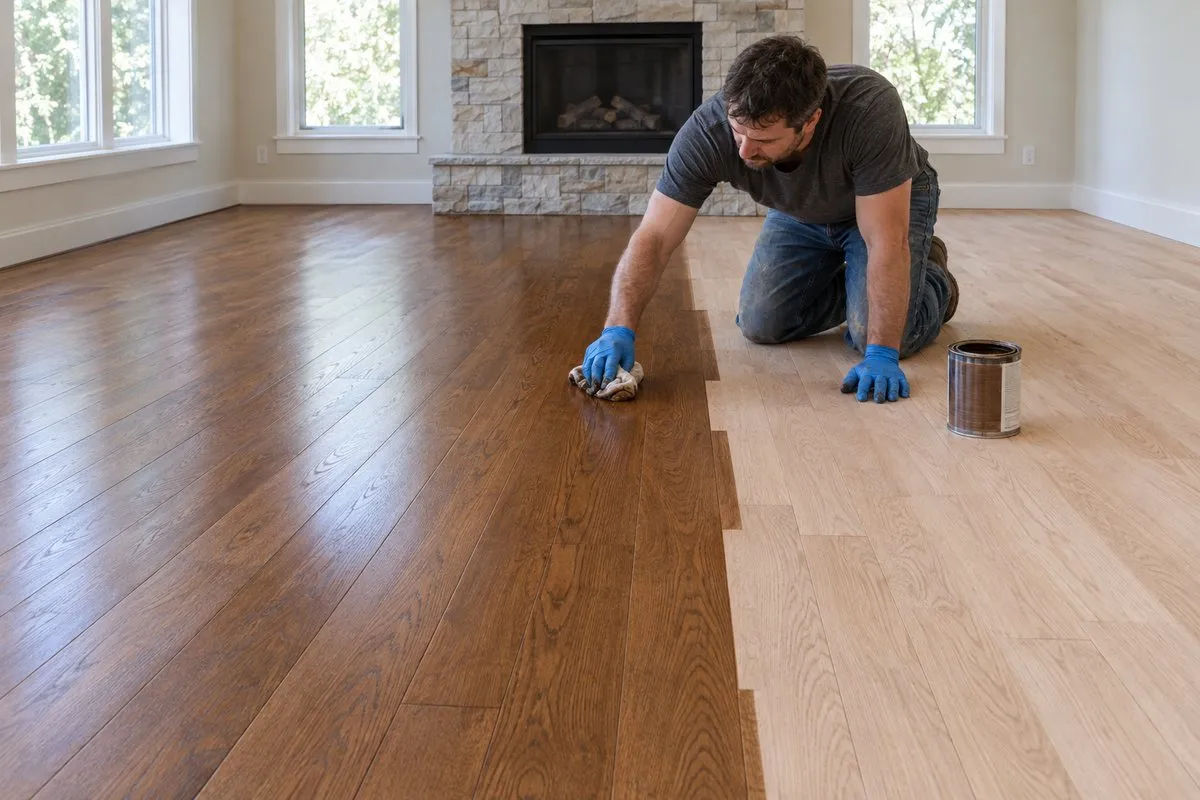
Replacement wood can differ from older boards even when the species is similar. Discuss a sample and the possible finishing area before approving the repair.

We consider the affected boards and the surrounding floor together. The repair boundary, board dimensions and retained finish all influence the proposed work.

Our one-year workmanship warranty applies under the written repair terms. Record the agreed scope and any conditions that must be resolved before work proceeds.


 Get your Free In-Home Estimate
Sometimes. The board construction, access and condition around the defect determine whether a localized repair is practical.
An exact visual match cannot be assumed. Wood age, grain and finish can differ, so discuss the likely appearance and possible refinishing area.
Have the source of the leak addressed and share what is known about the incident. The flooring assessment should take the remaining conditions into account.
That depends on its depth and the wood condition. Coloring over a defect does not guarantee that it will be hidden.
No. Sound or movement can involve the supporting structure or fastening. An inspection is needed before selecting a repair method.
Yes, identify the material and show us what remains. Suitability still depends on dimensions, condition and how the repair will be fitted.
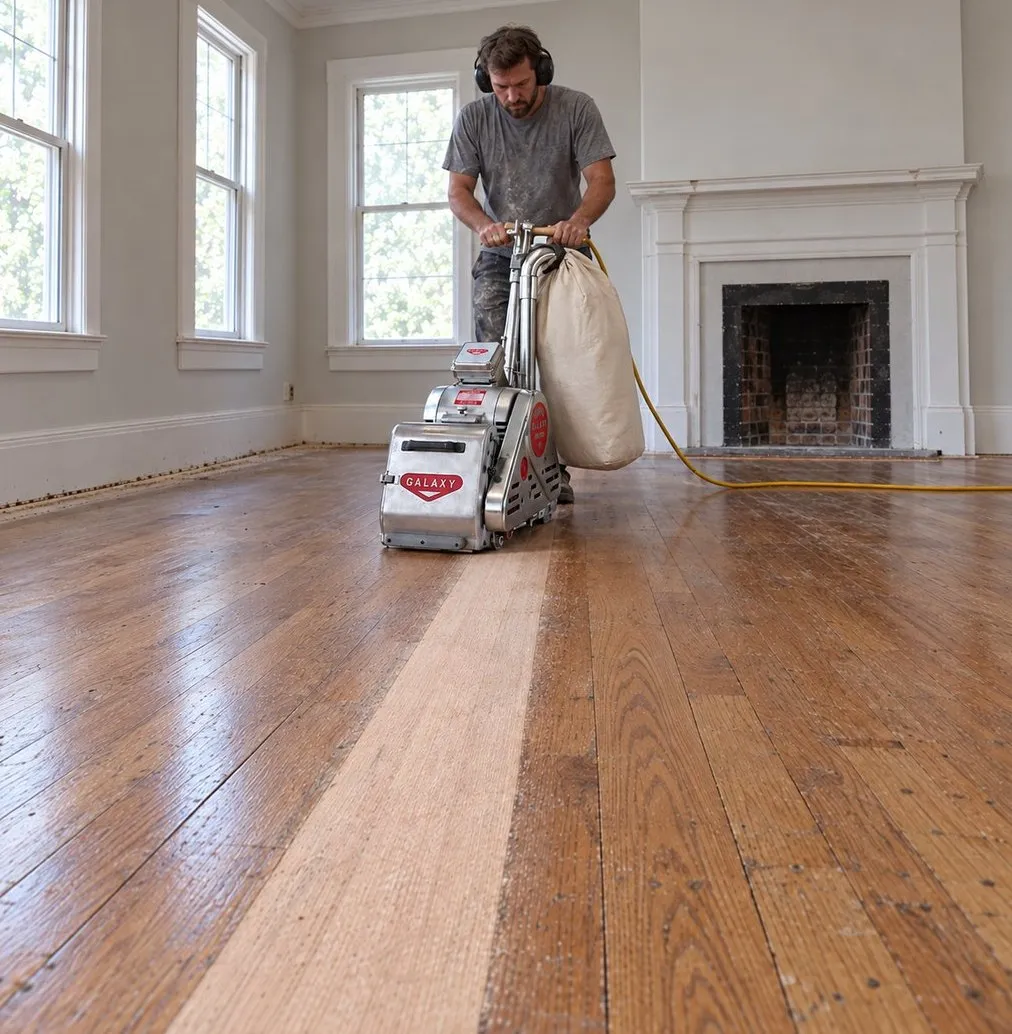
Not every repair does, but the retained coating and desired appearance influence the finishing area. Ask for that boundary to be clear in the quote.
Include the defect, the surrounding floor and nearby thresholds or walls. Add the community and address, plus a short description of when the issue appeared.