Dustless Floor Refinishing
Show us the worn paths and any places that have changed color. An assessment of the actual boards is more useful than assuming every mark will sand away.



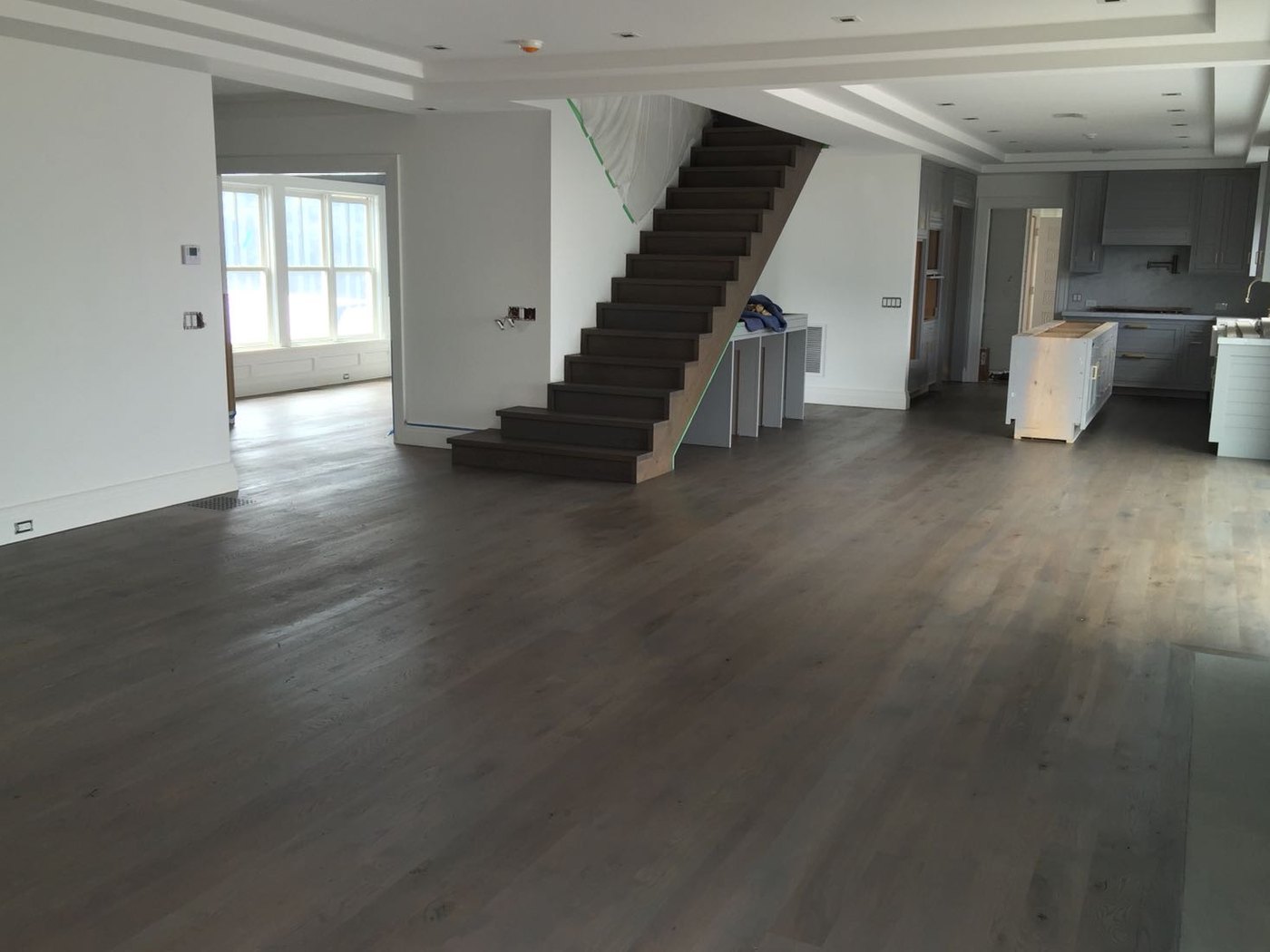

Show us the worn paths and any places that have changed color. An assessment of the actual boards is more useful than assuming every mark will sand away.

Review stain samples on suitable prepared wood before approving the color. The coating system and the return of furniture should be discussed with the work sequence.

We measure the areas to be treated and identify where the work will stop. Hallways, thresholds and adjoining rooms can affect how a refinished section connects.

Refinishing labor is covered for one year under our written workmanship terms. Keep the finish details and care guidance so the surface can be maintained as specified.

Natural color keeps the grain and board variation part of the design. Compare it with your retained trim before adding a stain.
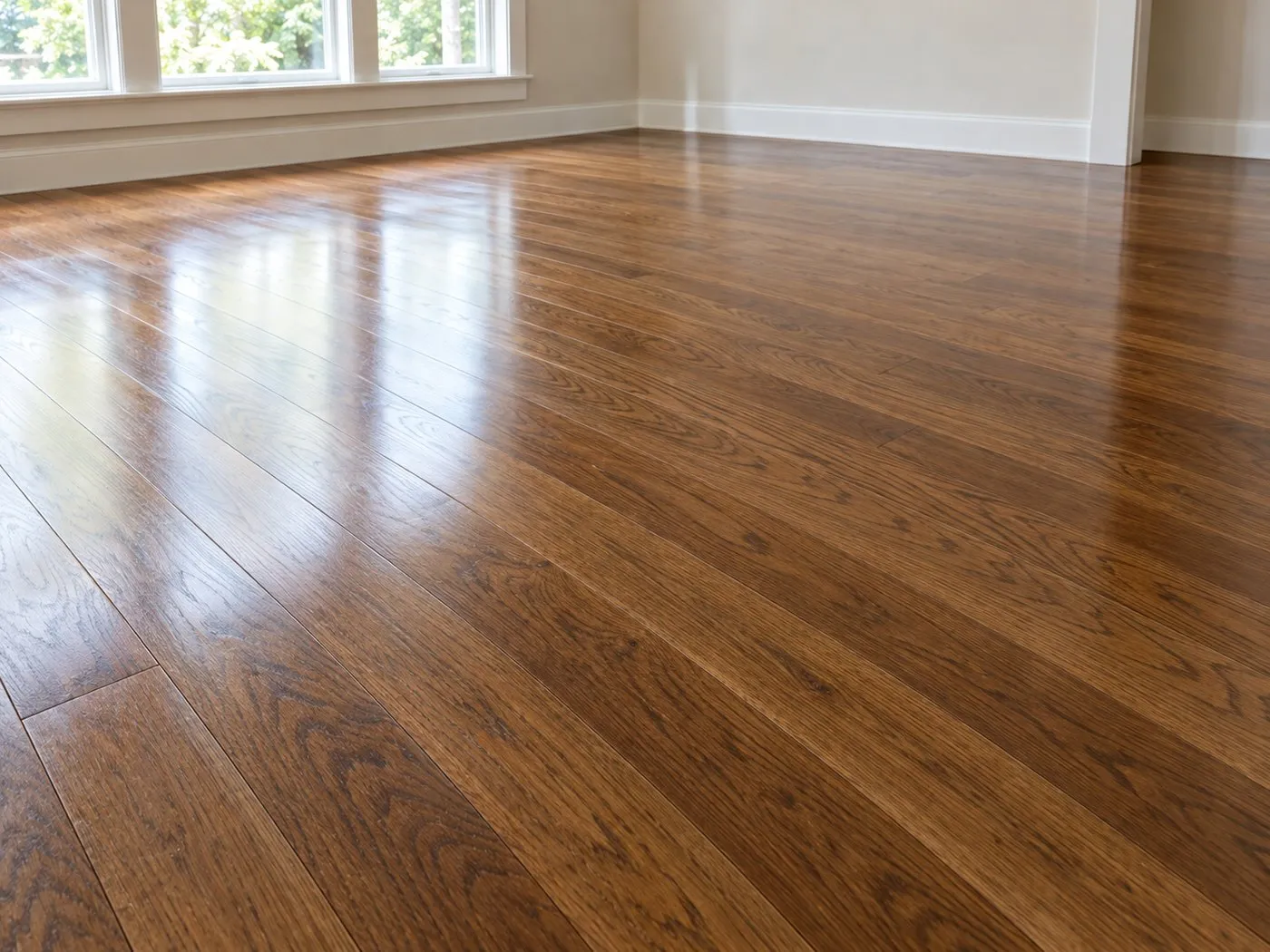
A warm tone can be tested on the actual boards. Light in the room may make the same sample look different during the day.
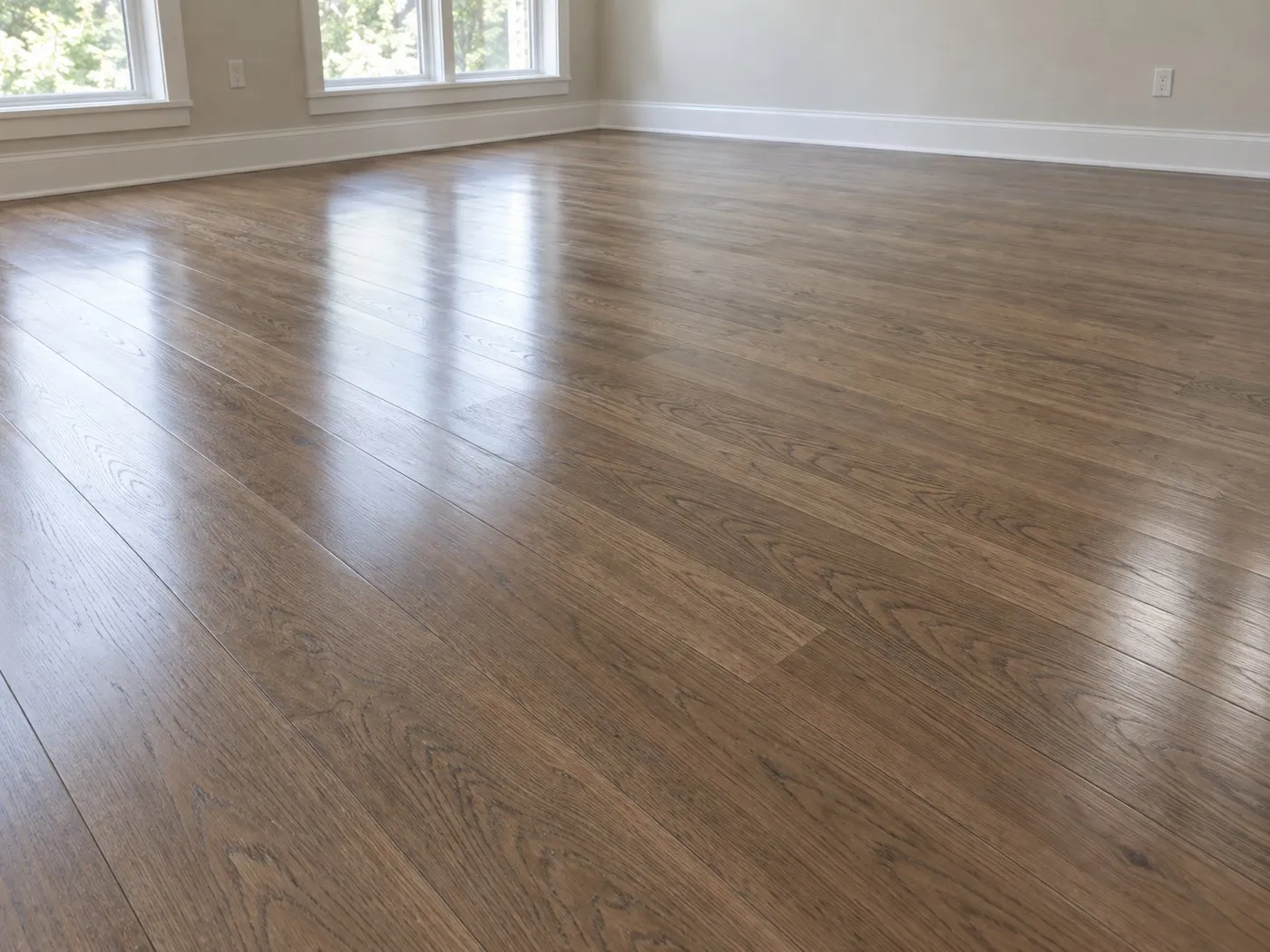
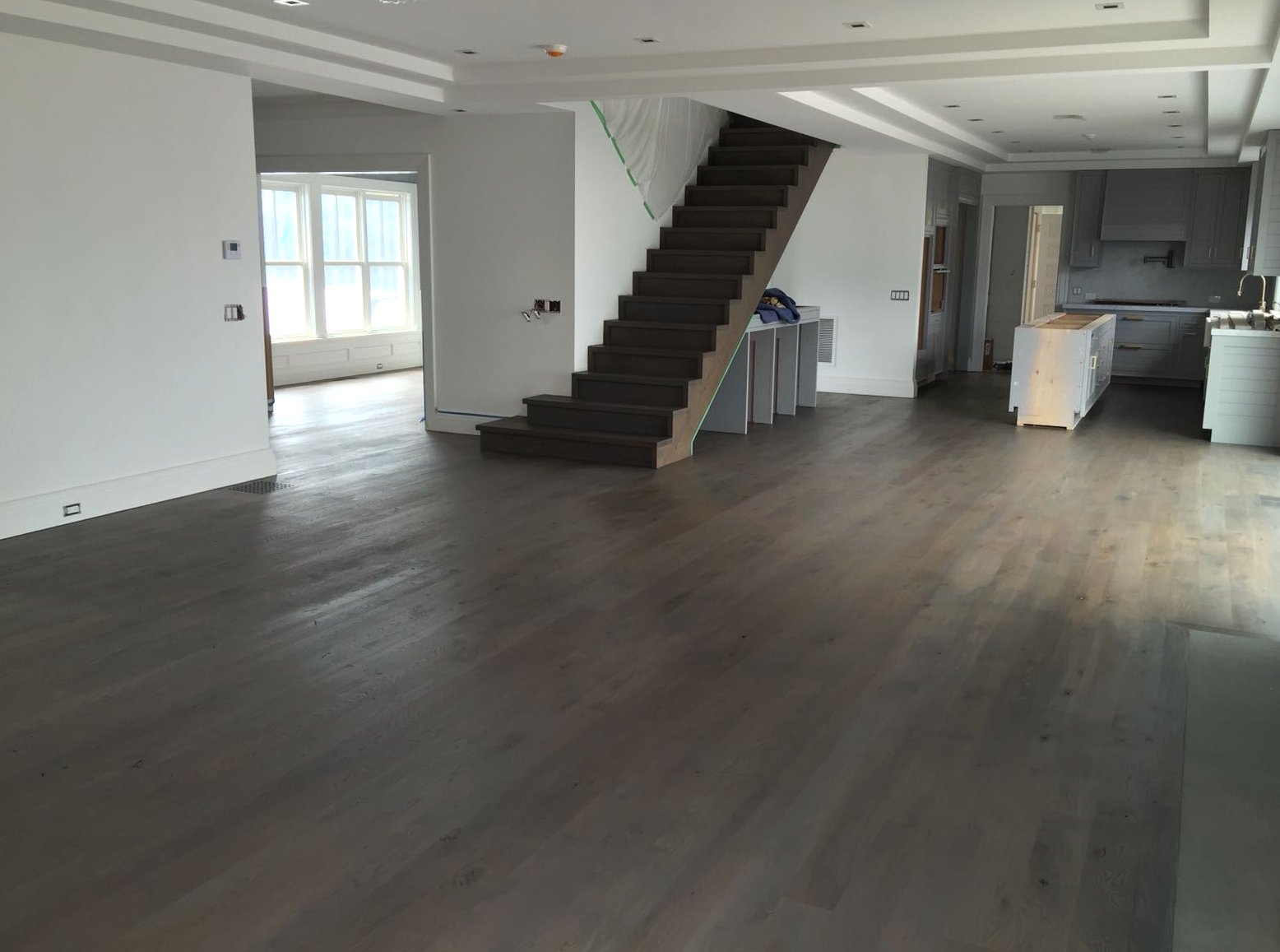
Darker colors should be checked across both old and repaired wood. A sample helps set expectations for variation.

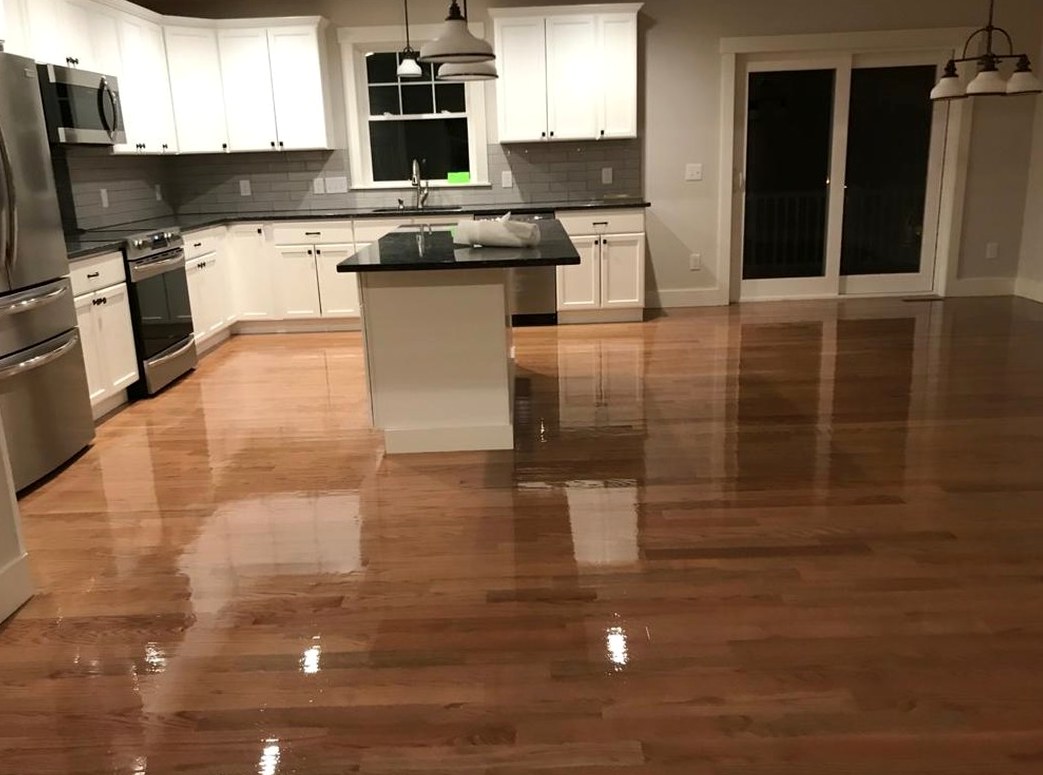
A lower-sheen finish gives a different reflection from a glossier surface. Decide using the selected finish system and room lighting.

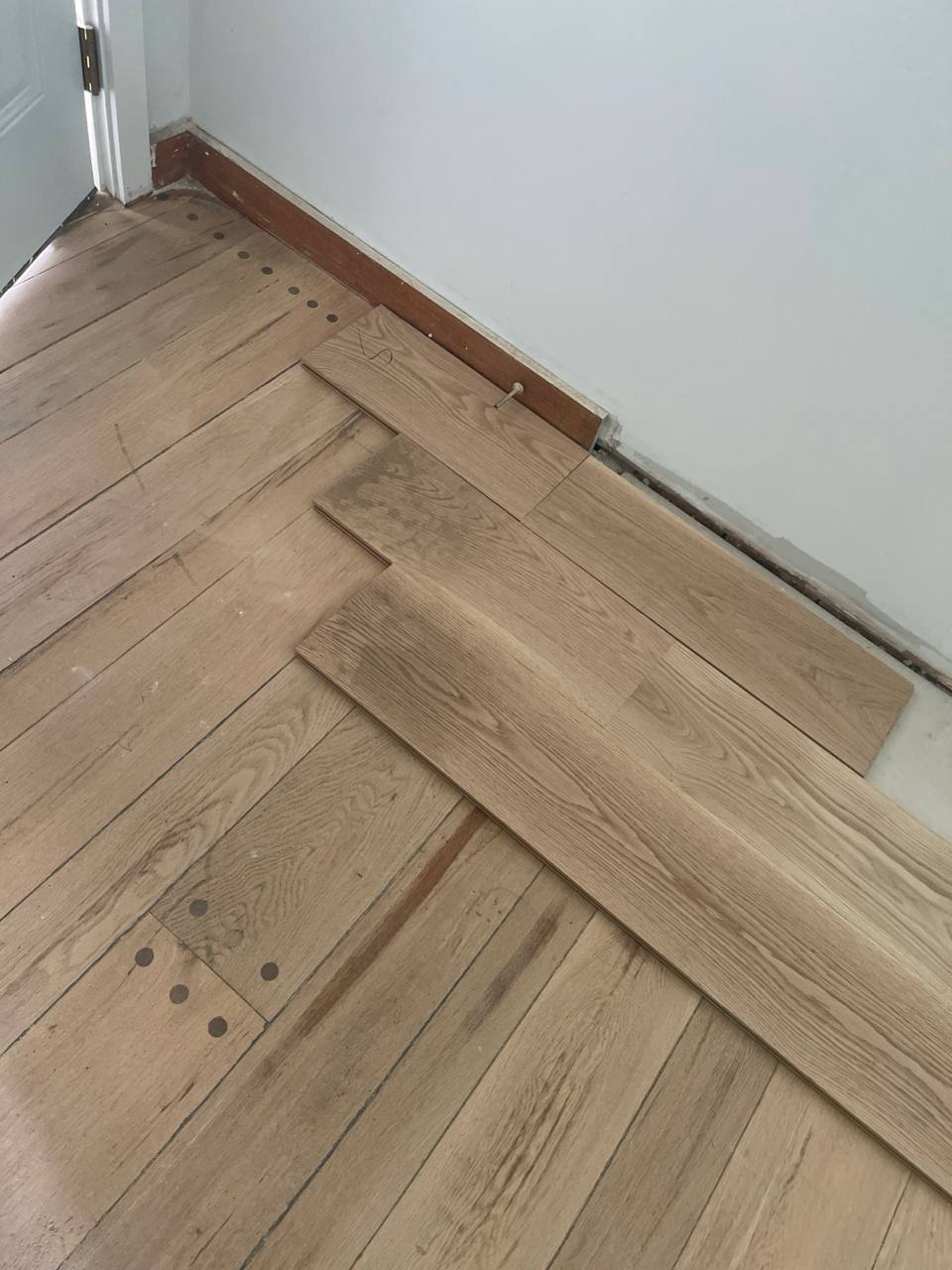
Repairs are assessed before the full floor is finished. New boards may need a broader treatment area to achieve a more consistent appearance.

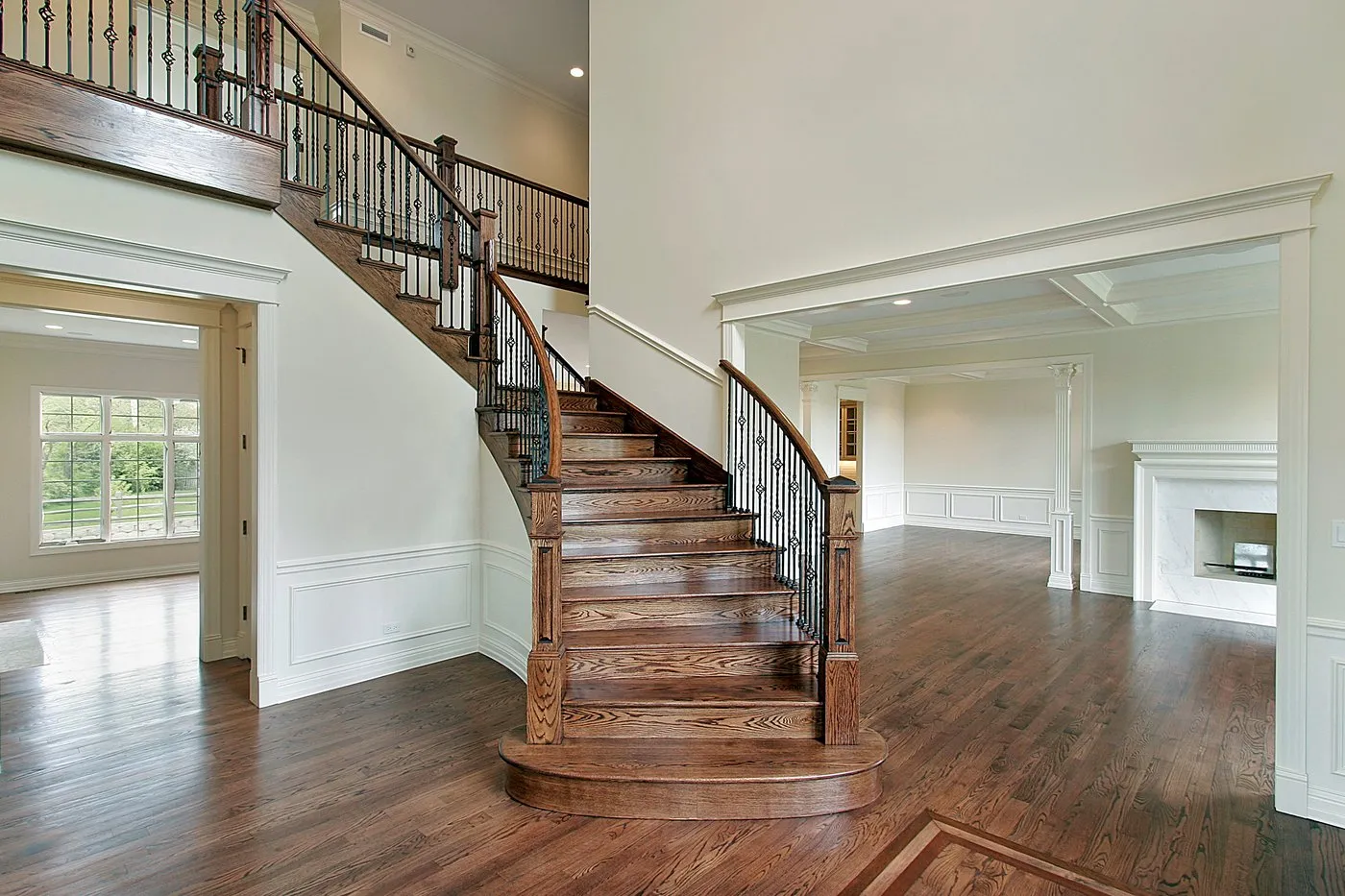
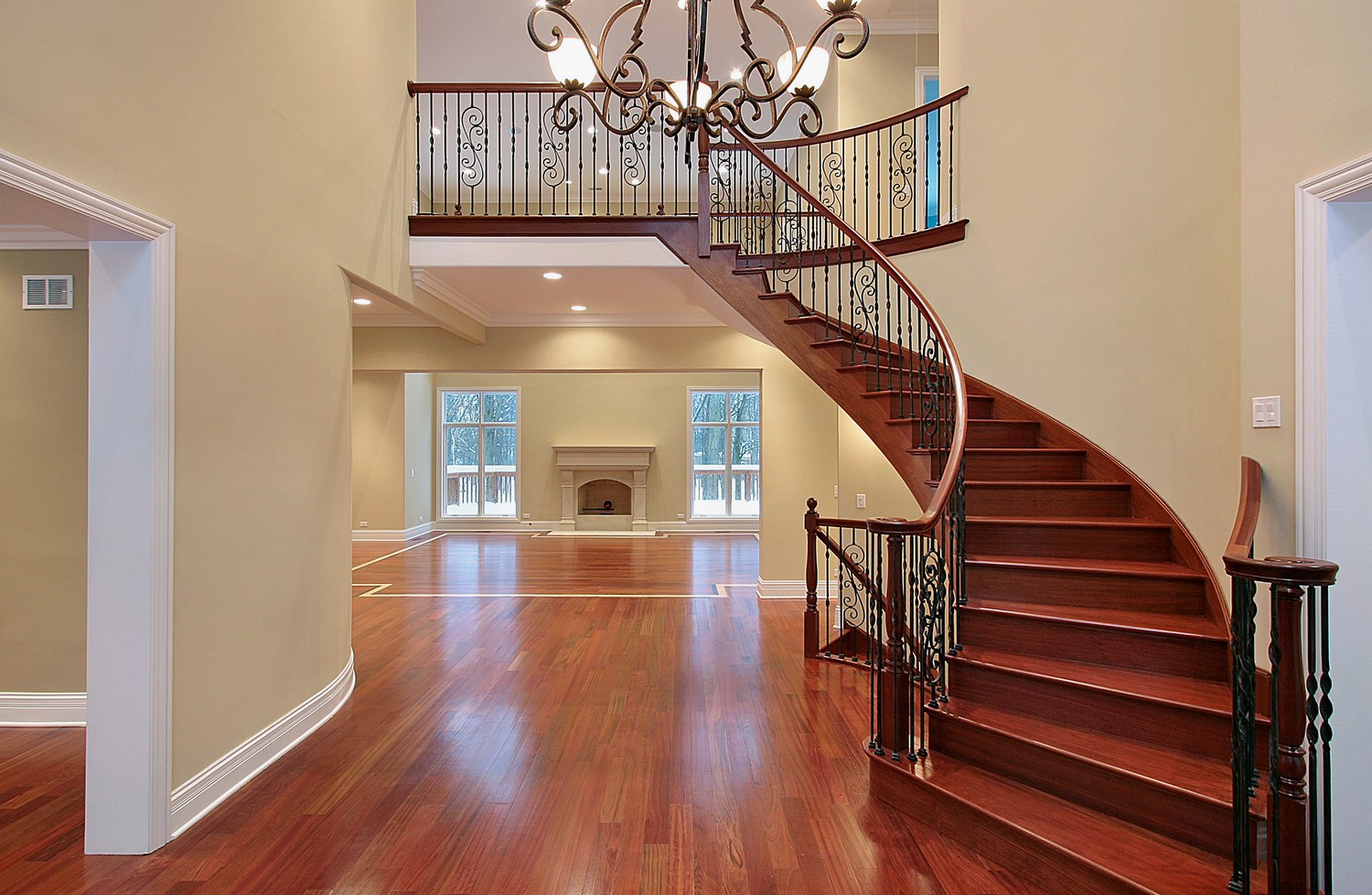
Stairs and landings can be evaluated with adjoining rooms. Their wood and lighting may affect how closely the finishes coordinate.
 Get your Free In-Home Estimate
We examine the wood construction, wear and evidence of previous sanding. The decision is made from the actual floor rather than its age alone.
Some discoloration extends beyond what suitable sanding can remove. The estimate should identify areas that may remain visible or need replacement boards.
It may be possible, but the stopping point matters. Discuss the visible boundary and whether the finishes will differ before defining the work area.
Bring ideas to the estimate, then approve a representative sample on the prepared wood before the full area is colored.
Agree on a clearing and storage plan before work begins. Access to the full work area and the timing of furniture return need to suit the chosen process.
Access depends on the work stage and coating instructions. Discuss essential routes beforehand instead of assuming the floor will be ready after each day.
No. The preparation and suitability differ. Explain the existing surface condition so the proposal clearly states which treatment is being offered.
Keep the finish identification and project-specific instructions for foot traffic, furniture, rugs and cleaning. Those instructions should guide use of the floor.