Samples on Your Own Wood
Use a finished sample to approve color and sheen together. Mark the accepted trial as the reference for the full application.



Use a finished sample to approve color and sheen together. Mark the accepted trial as the reference for the full application.

Fine sanding prepares the grain for the stain system. Discuss the sequence and how sanding marks or old finish affect the result.

Consistent sanding and controlled application help manage stain variation. Inspect uneven absorption before coating the room.

Retain one-year staining labor terms with accepted samples. Ask about matching limits, care needs and steps for reporting concerns.


 Get your Free In-Home Estimate
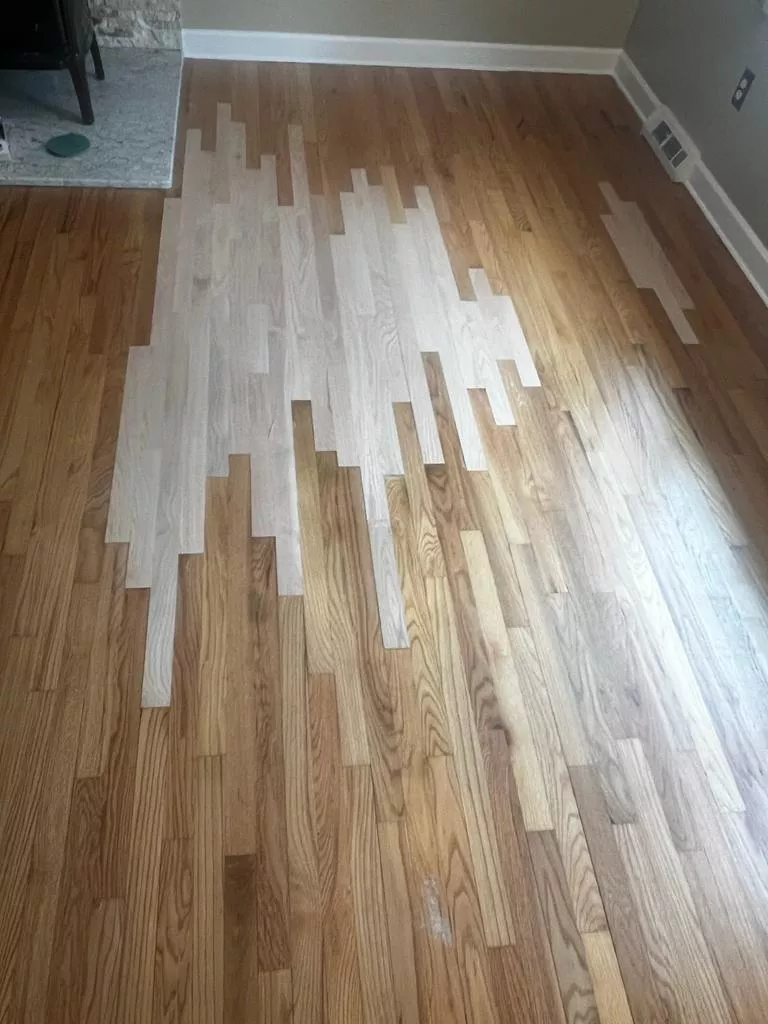
The neighborhood planning report describes houses from the resort era and homes built in later decades. Within a renovated property, flooring can likewise come from different periods or replacement projects. Identify those sections and prepare a trial on each wood that will be treated. Compare them beside the retained finishes, using the intended protective coating. This makes the relationship between rooms visible before application. A single stain name cannot establish that different boards will absorb color equally or achieve the same finished tone.
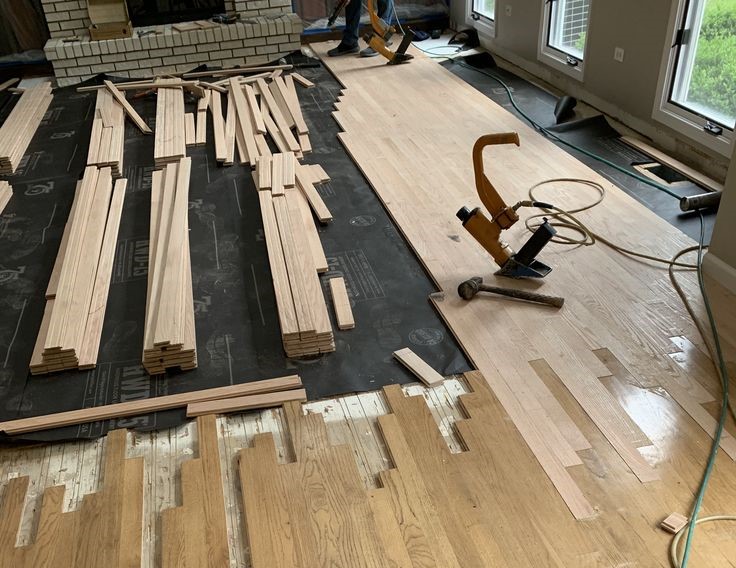
Far Rockaway-Bayswater is included in the City’s 2017 record of housing repairs and reimbursement following Sandy. If your floor was changed during that work, show the repaired boundary and any available material information. Prepare the newer strips and older wood for separate comparison, and inspect coating history before planning sanding. The purpose is to understand the surfaces now in the room. It does not imply current storm damage, and it avoids treating the entire floor as one uniform material merely because it shares an address.
Larger apartment buildings along Mott and Cornaga Avenues are part of the local planning description. At a managed property, get its actual instructions for contractor entry, shared-area protection and work scheduling before color preparation is booked. Match those arrangements to the stain and topcoat sequence, including the manufacturer’s return-to-use stages. Keep the accepted sample accessible to the people approving the work. A building timetable and a coating cure schedule are separate considerations that must be coordinated for the particular apartment.
The Bayswater planning study describes a predominantly low-density stock of one- and two-family homes. If a hallway or stair is used by both households, identify that use when deciding the treated area. Agree on the sequence and any suitable alternate circulation before preparing samples or applying coatings there. The product instructions determine when access can resume. A practical plan addresses residents who depend on the route as well as the owner choosing the color, rather than assuming a shared passage can simply be closed for the entire project.
Agree on a physical target and a prepared, coated trial. Record the accepted formula and explain the limits of matching aged wood or a different species.
Do not assume that from the label. Test the selected system on the actual wood and judge the coated result before approving the color balance.
Stain supplies color rather than the entire protective system. Specify the compatible finish and its application and care instructions as part of the agreed work.
Color does not restore missing material or stabilize movement. Assess the physical defect first, then decide how any sound or replacement wood is prepared and finished.