Dustless Floor Refinishing
Dust collection is part of sanding prep. Agree how your rooms are isolated, what is protected and which cleanup tasks accompany your work.



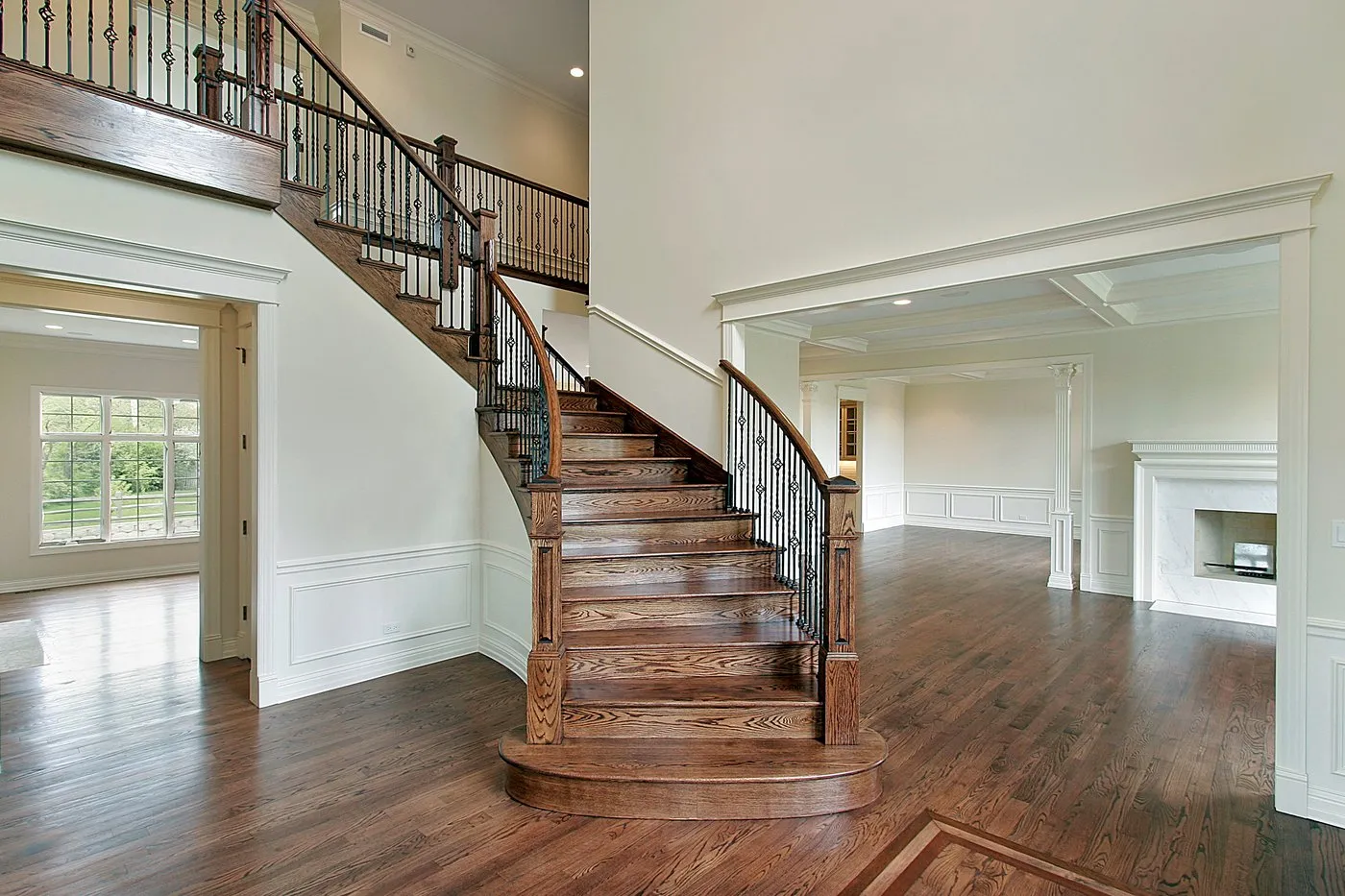
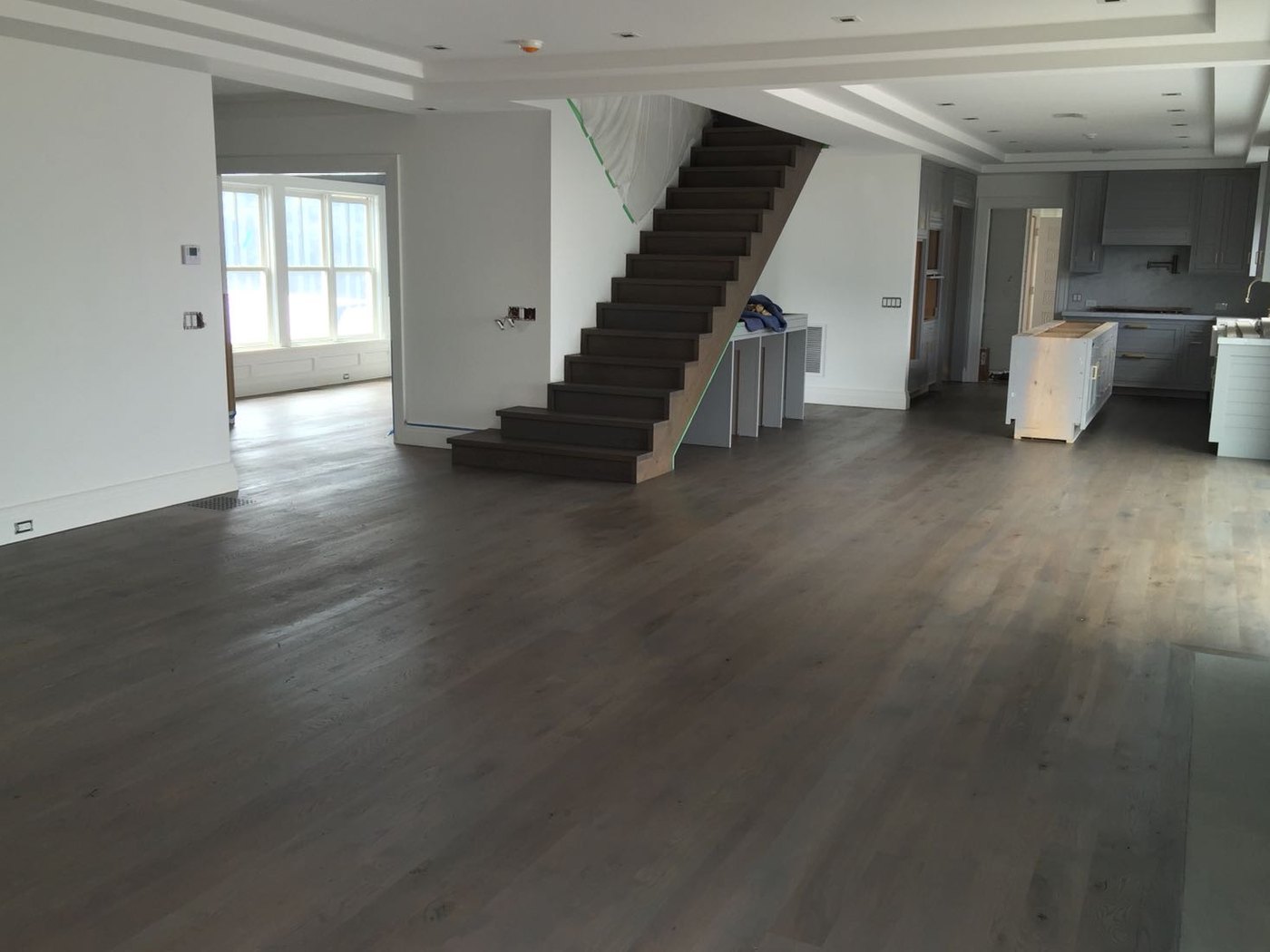

Dust collection is part of sanding prep. Agree how your rooms are isolated, what is protected and which cleanup tasks accompany your work.

A three-to-five-day outline helps with planning. Repairs, room sizes and the selected products determine work stages and return dates.

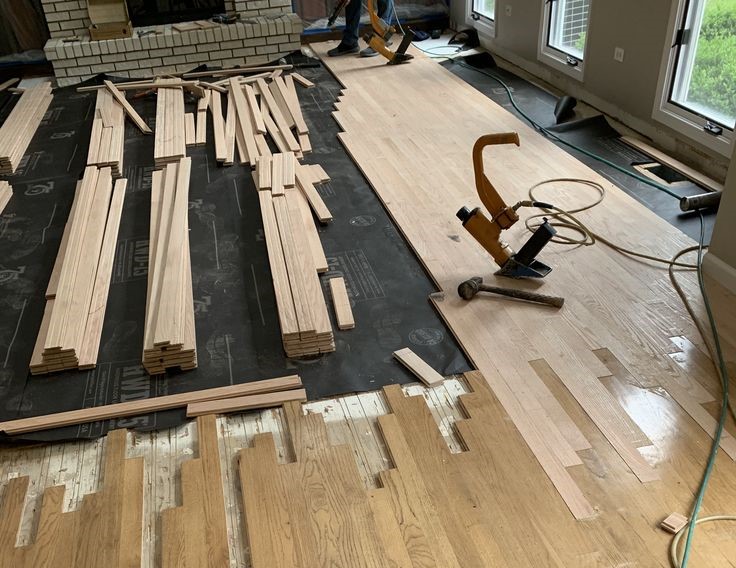
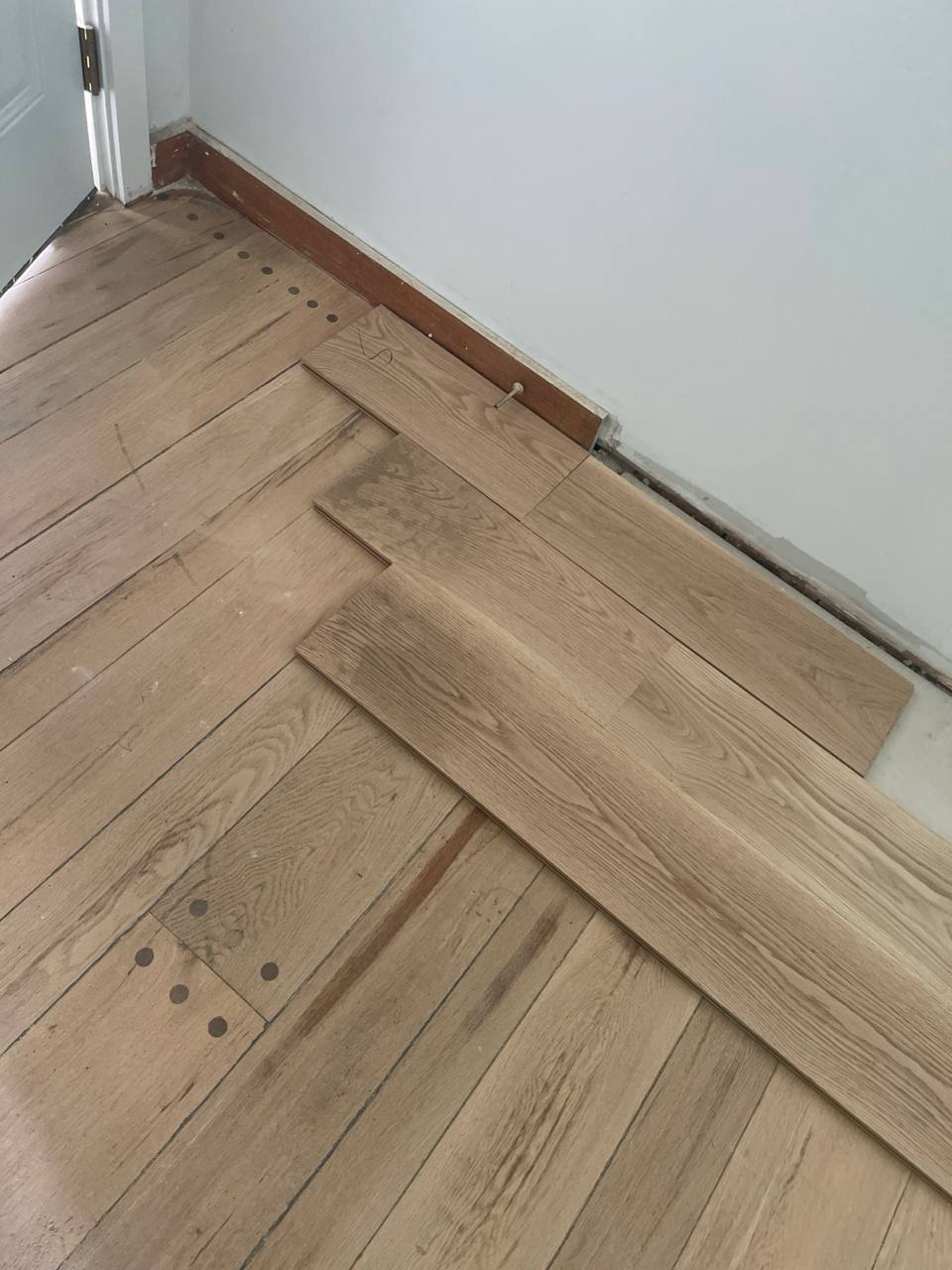
Name loose strips, broken edges and other repair needs before sanding. Decide whether new wood needs separate stain trials.

Keep the one-year labor warranty, finish specification and maintenance schedule together so the restoration scope is clear.

Natural color lets the prepared wood lead the result. Include the protective finish when judging the trial.
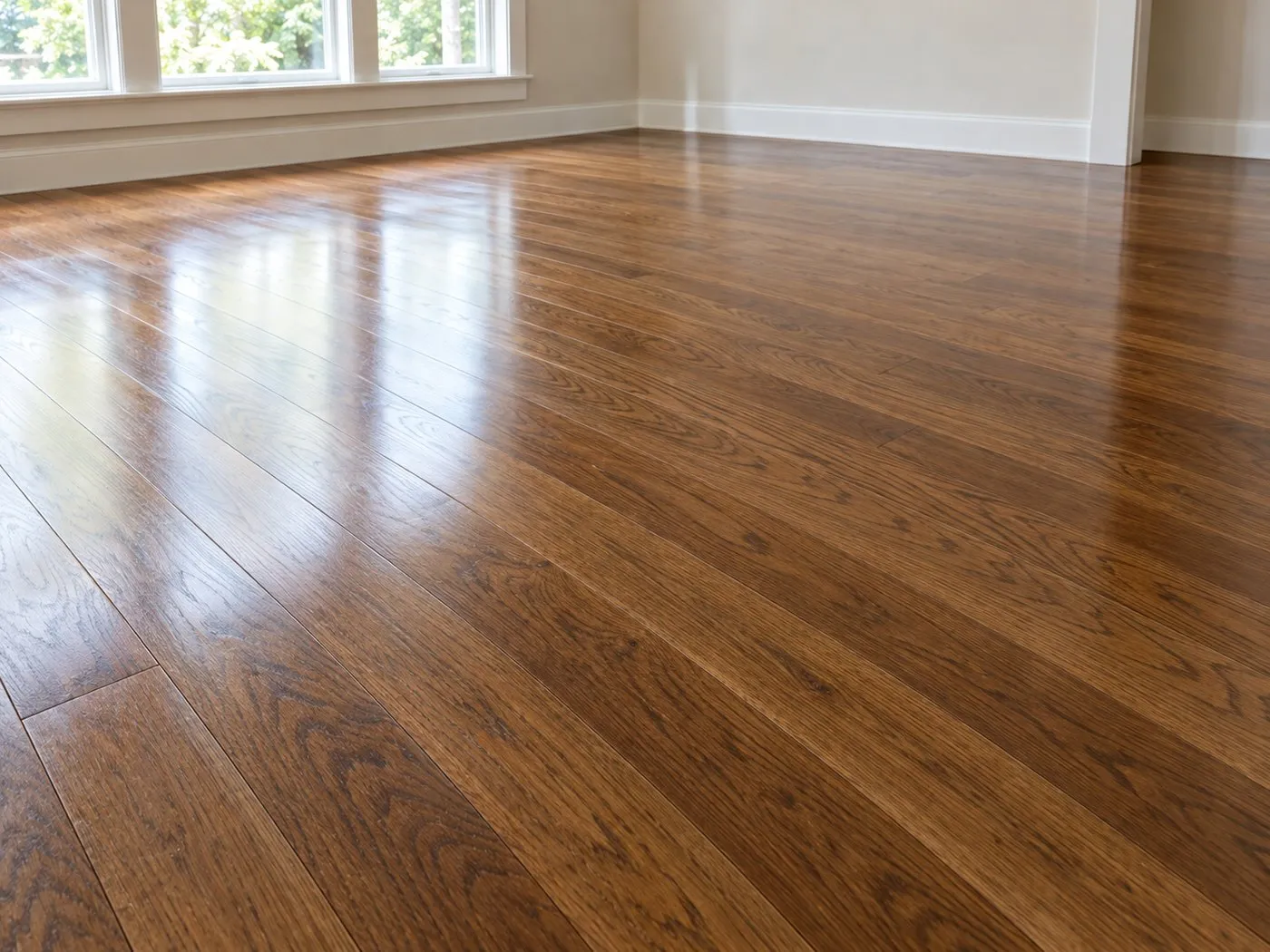
Special Walnut should be compared for warmth on your prepared boards, with its selected coating applied.
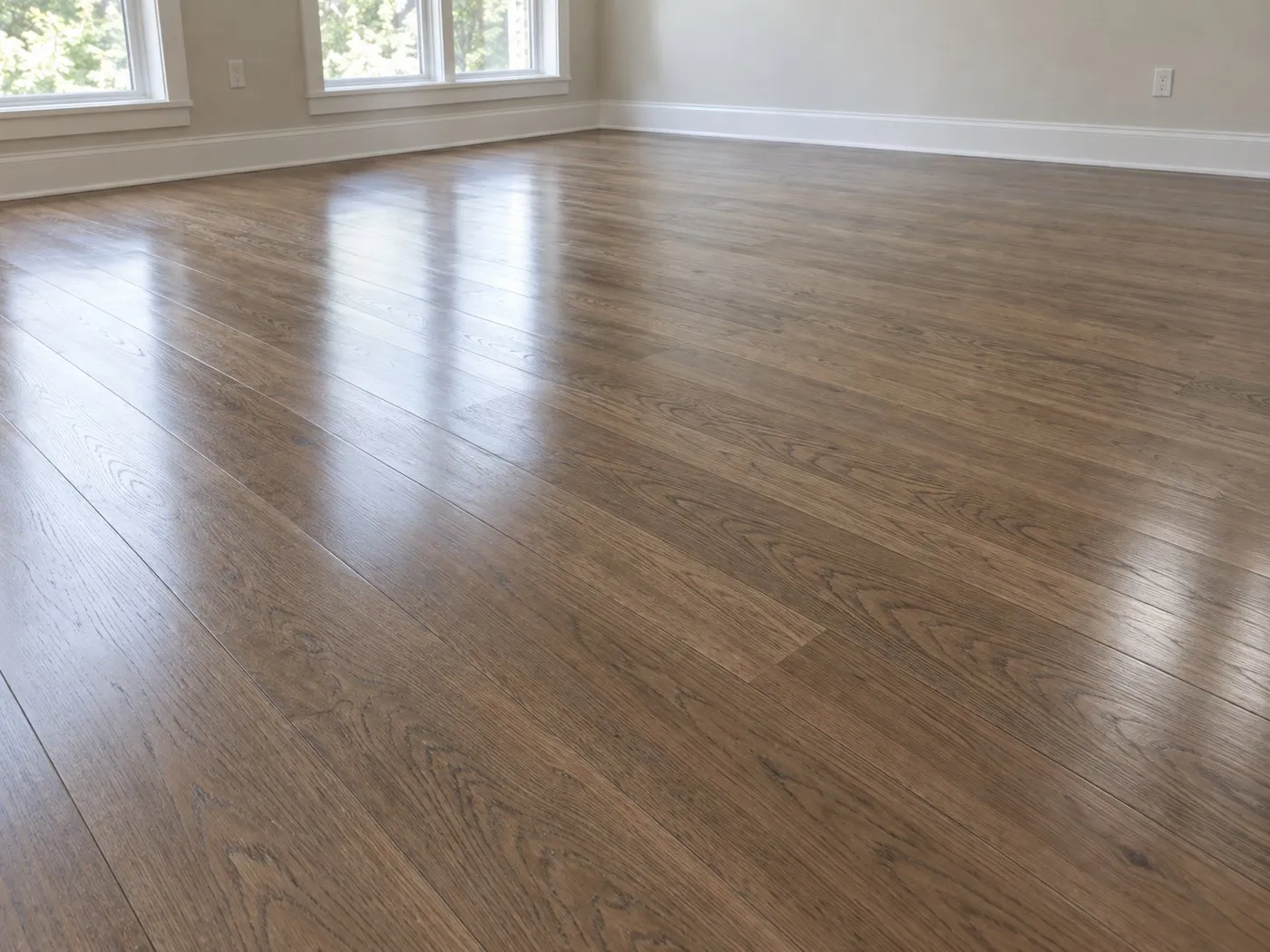
Provincial is a brown tone to assess against fixed trim and the room’s daily lighting before approval.

Early American can read differently on older and new boards. Include both in the trial where a repair was made.

Dark Walnut gives a deeper comparison; check how the grain and nearby surfaces look alongside a finished sample.

Jacobean needs an in-room trial to judge dark tone and grain contrast together with the protective coating.
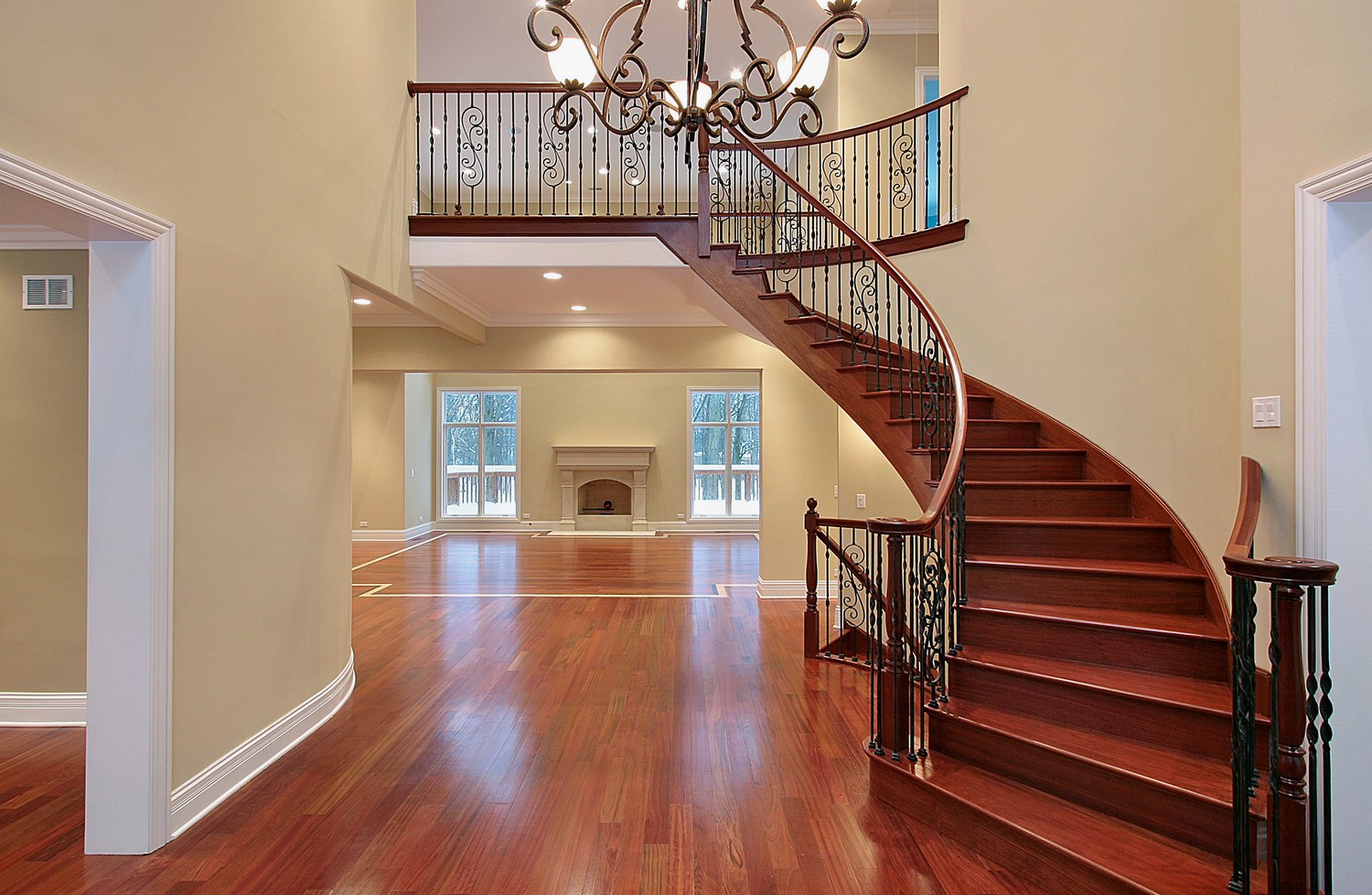
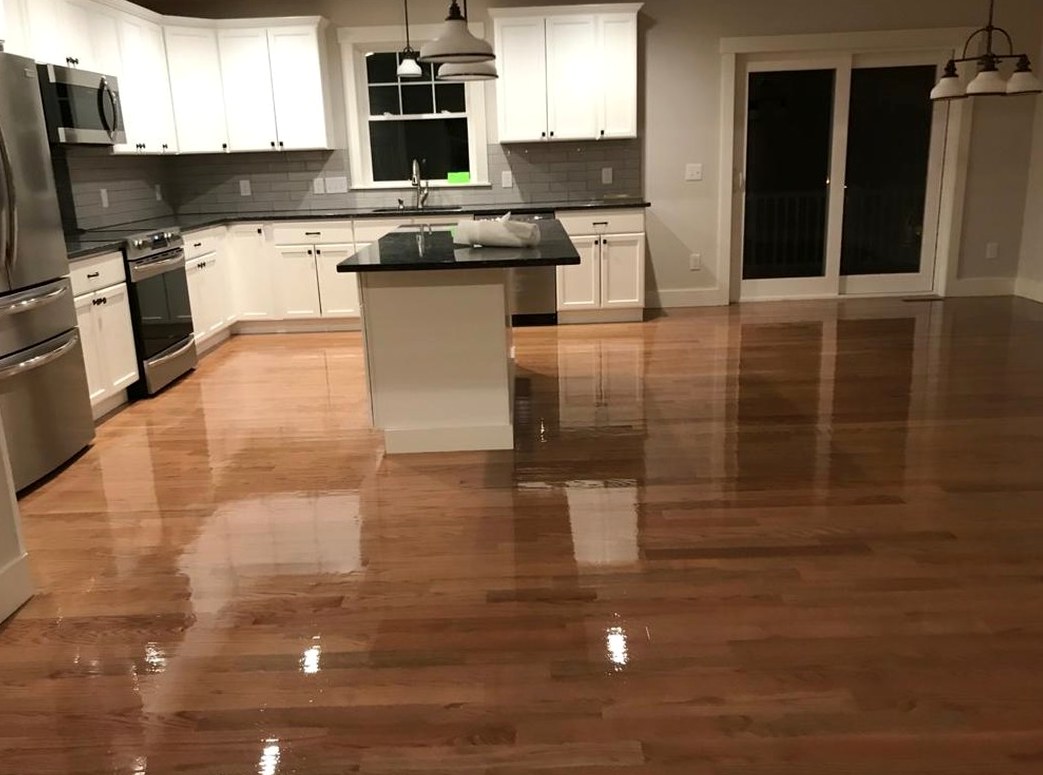
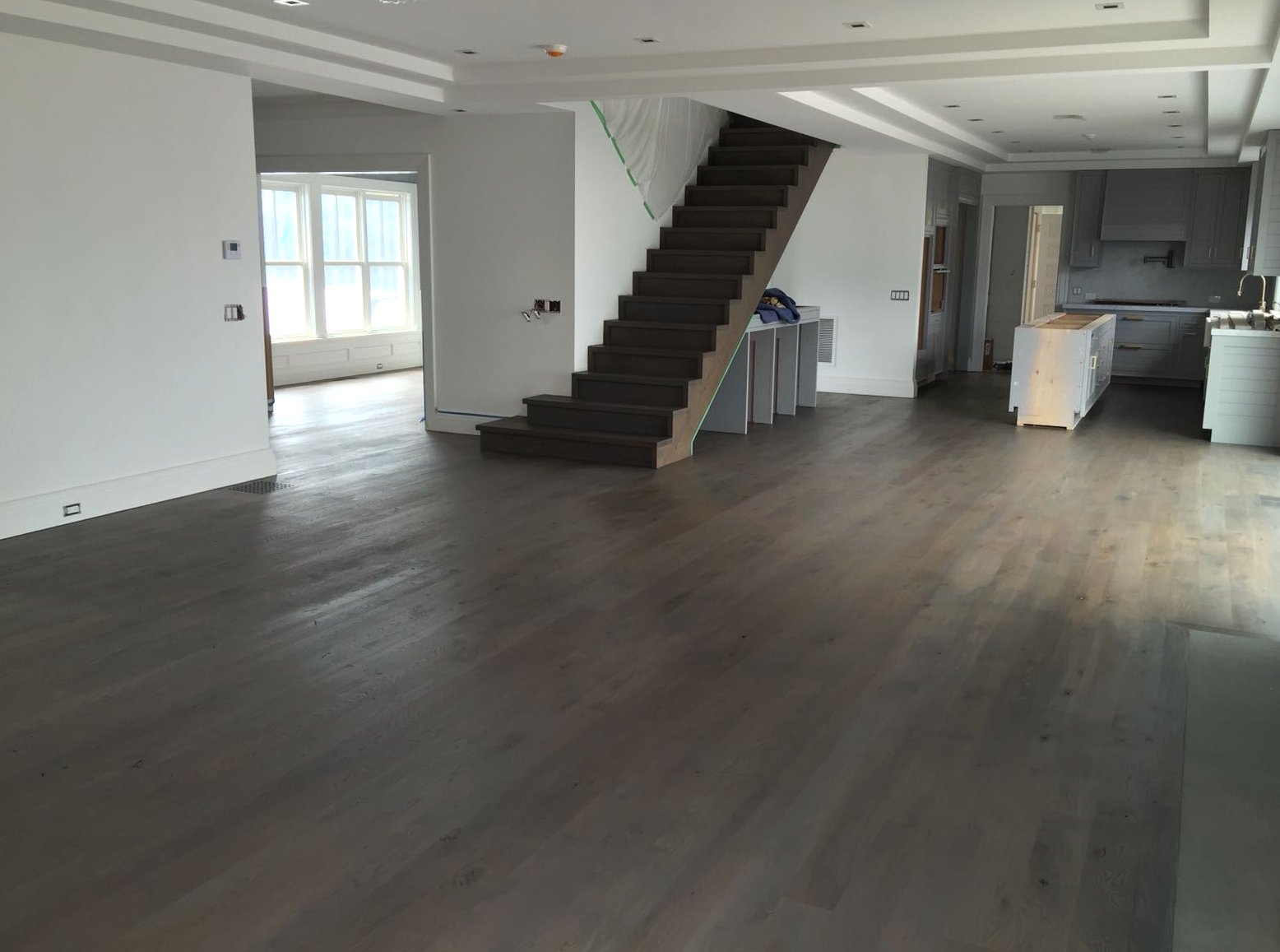
 Get your Free In-Home Estimate
No. The 2006 City Planning report describes Bayswater houses surviving from the resort era together with later homes, and an individual older house may have undergone several interior changes. Ask about extensions, earlier sanding and replacement rooms, then inspect the current boards. Determine usable thickness and the condition of the coating before choosing resanding. Keeping an earlier floor can be a sensible goal, but the decision rests on what is present and serviceable, not on an assumed connection between the house date and its wood.
The City’s 2017 Build It Back reporting includes Far Rockaway-Bayswater among areas receiving repair assistance. If an earlier recovery project replaced only part of your floor, identify those sections and show any remaining records. Inspect the retained and replacement boards separately for thickness and previous finishes, then test the intended color on both. Their appearance may differ even when they are sanded together. A useful restoration proposal explains that relationship and marks the work boundary before a whole-room result is promised.
Larger apartment buildings are documented along Mott Avenue and Cornaga Avenue in the neighborhood planning material. Where management controls access, obtain the actual delivery, work-hour and alteration instructions for that property. Explain how sanding equipment reaches the room and which shared areas need protection. Ask how the chosen finish’s drying and curing guidance affects resident access, without assuming a standard building policy or uniform completion date. The coating schedule and the building’s arrangements should be reviewed together before the rooms are cleared.
The local housing study identifies predominantly detached houses serving one or two families. If the refinishing includes circulation used by a second household, mark that shared section before the proposal is finalized. Discuss whether there is a suitable alternative entrance, how the work can be sequenced and when the specified finish permits use. Occupancy cannot be decided from room size alone. Everyone relying on the route needs a clear access arrangement, including the period when a coated surface must remain untouched.
Only after its usable layer and product limitations are assessed. Do not assume every engineered board supports another sanding cycle; inspection may indicate a different treatment.
Use wood prepared for the intended system and include the protective finish. Evaluate the trial beside fixed room surfaces before recording the accepted color.
A finish can reach different stages of dryness and cure. Follow its directions for walking, replacing furniture and returning rugs rather than treating all uses as one deadline.
They need to be identified. A quote should distinguish repair work from sanding and coating so damaged strips are addressed before the final surface is prepared.