Boards Matched to Yours
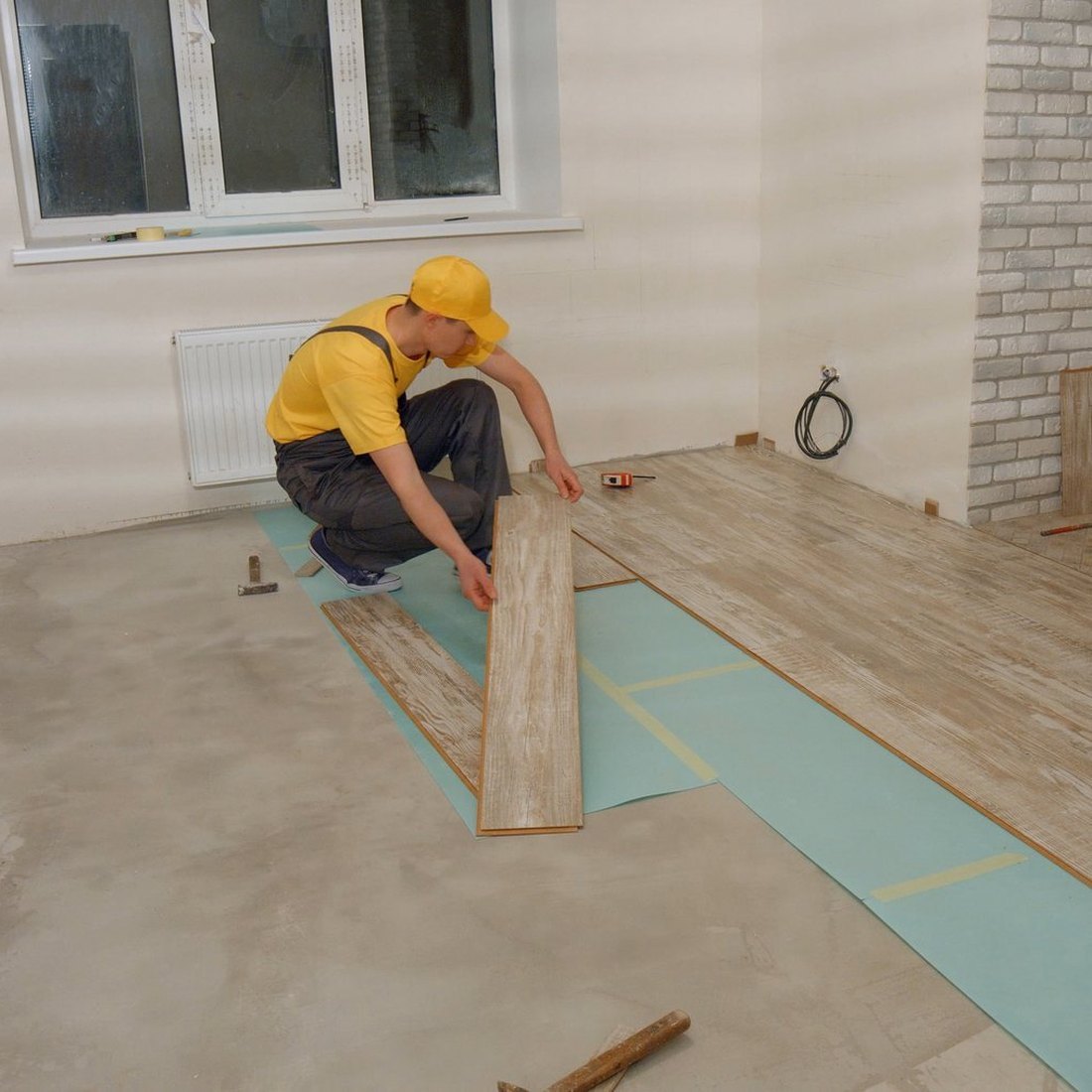
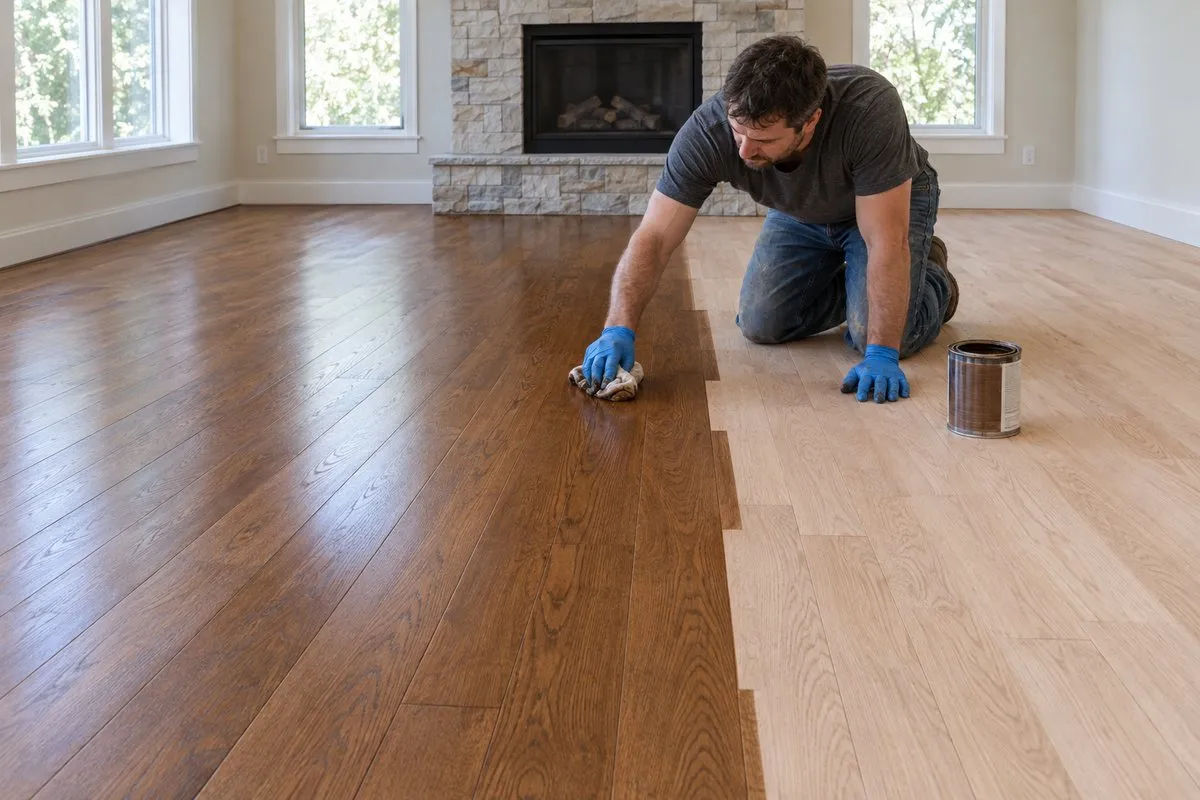
Older Weymouth homes often have narrow 2 1/4 inch oak strip. We match that width and grade, then try sample stains on leftover bits until new and old look alike.



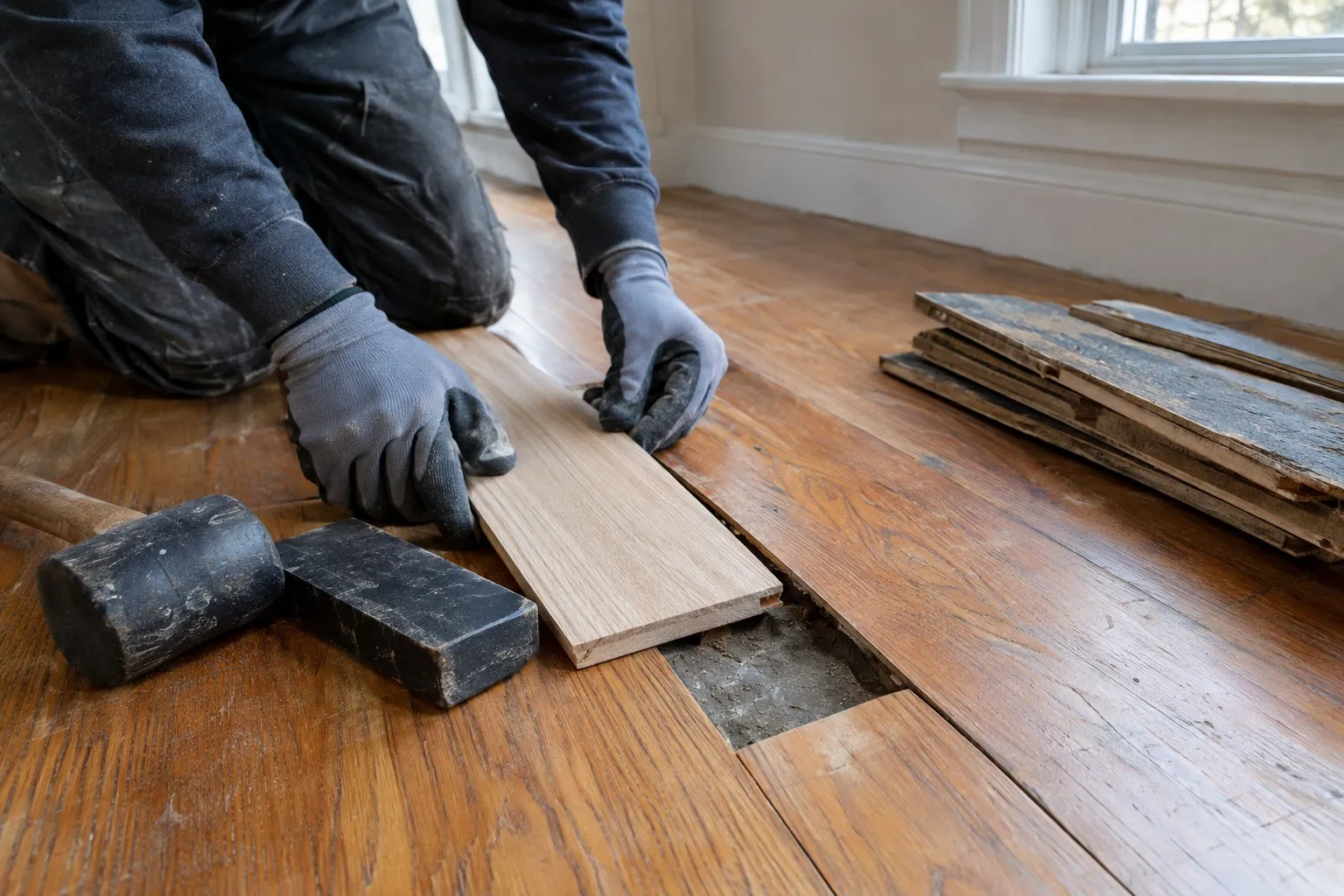

Older Weymouth homes often have narrow 2 1/4 inch oak strip. We match that width and grade, then try sample stains on leftover bits until new and old look alike.

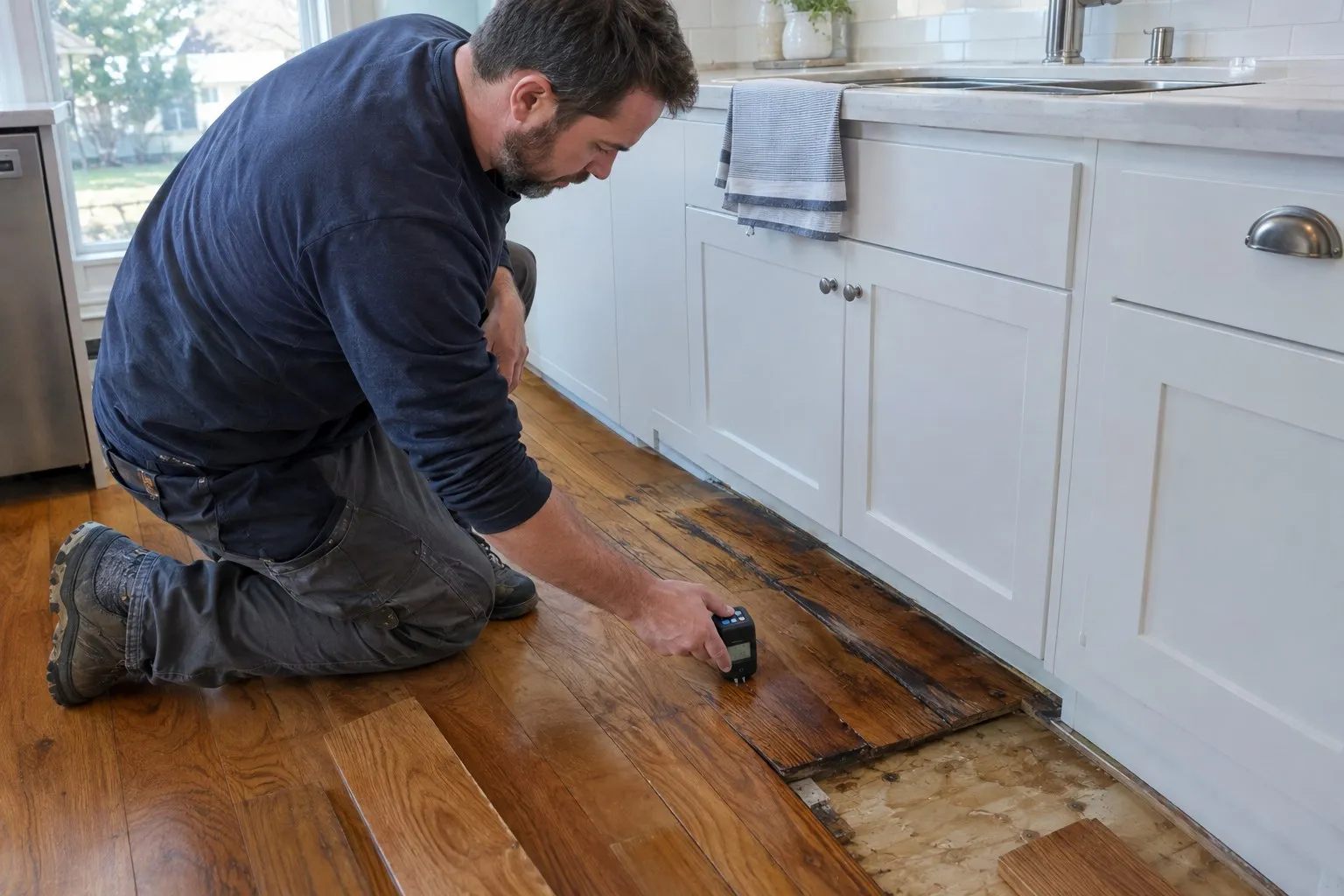
While we're there for the estimate, a moisture meter checks the wood, and if the basement is unfinished we look at the joists so the problem doesn't come back.

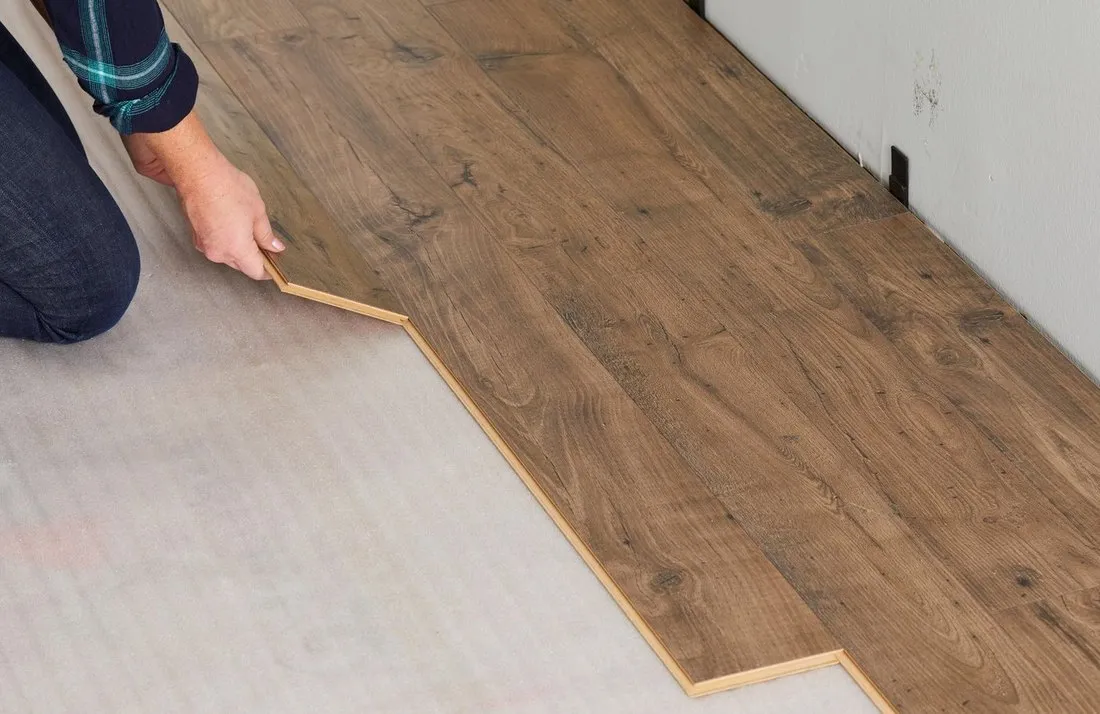
Spongy spots and strips that pop underfoot get fastened down again, and the wide winter gaps get filled before sand from George Lane Beach settles in them.

Repairs are done by licensed, insured techs who follow NWFA methods, and our patch work is guaranteed for twelve months after we leave.


 Get your Free In-Home Estimate

Usually. We dry the area and check moisture readings over several days, then pull up any strips that are still cupped or stained. The rest of the kitchen floor stays put.
The wood under the valve is often dark or soft. We cut out those strips, check the subfloor and fit new oak, but get the valve fixed first.
Most of the time. Many older Weymouth homes have narrow red oak strip, which suppliers still stock. We match the grade and blend the stain on site.
Not always. If water stayed in the basement, the floor above may just need drying. We take readings for a while and replace only what stays warped.
Light scorches sometimes sand out. Deeper burns char the wood right through, so we cut those strips away and fit new oak. Then the finish around the hearth is evened out by hand.
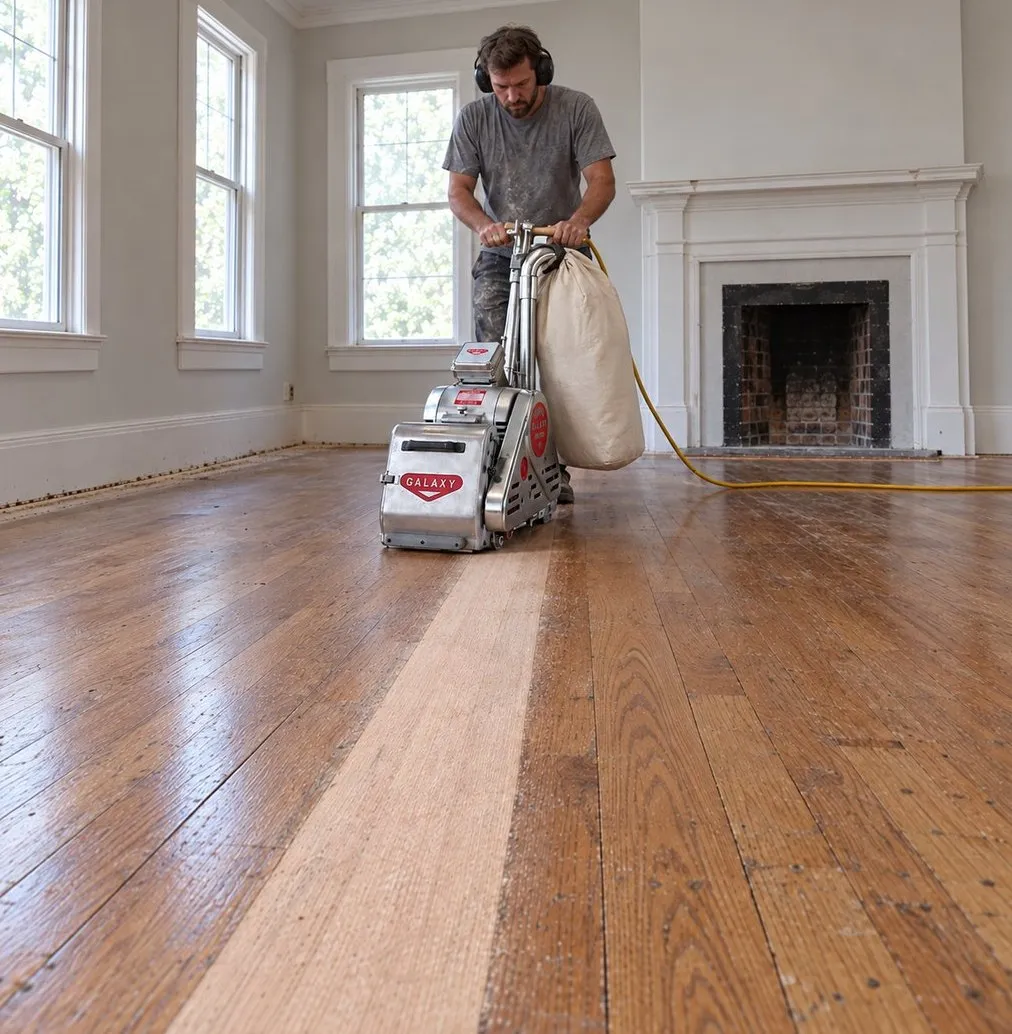
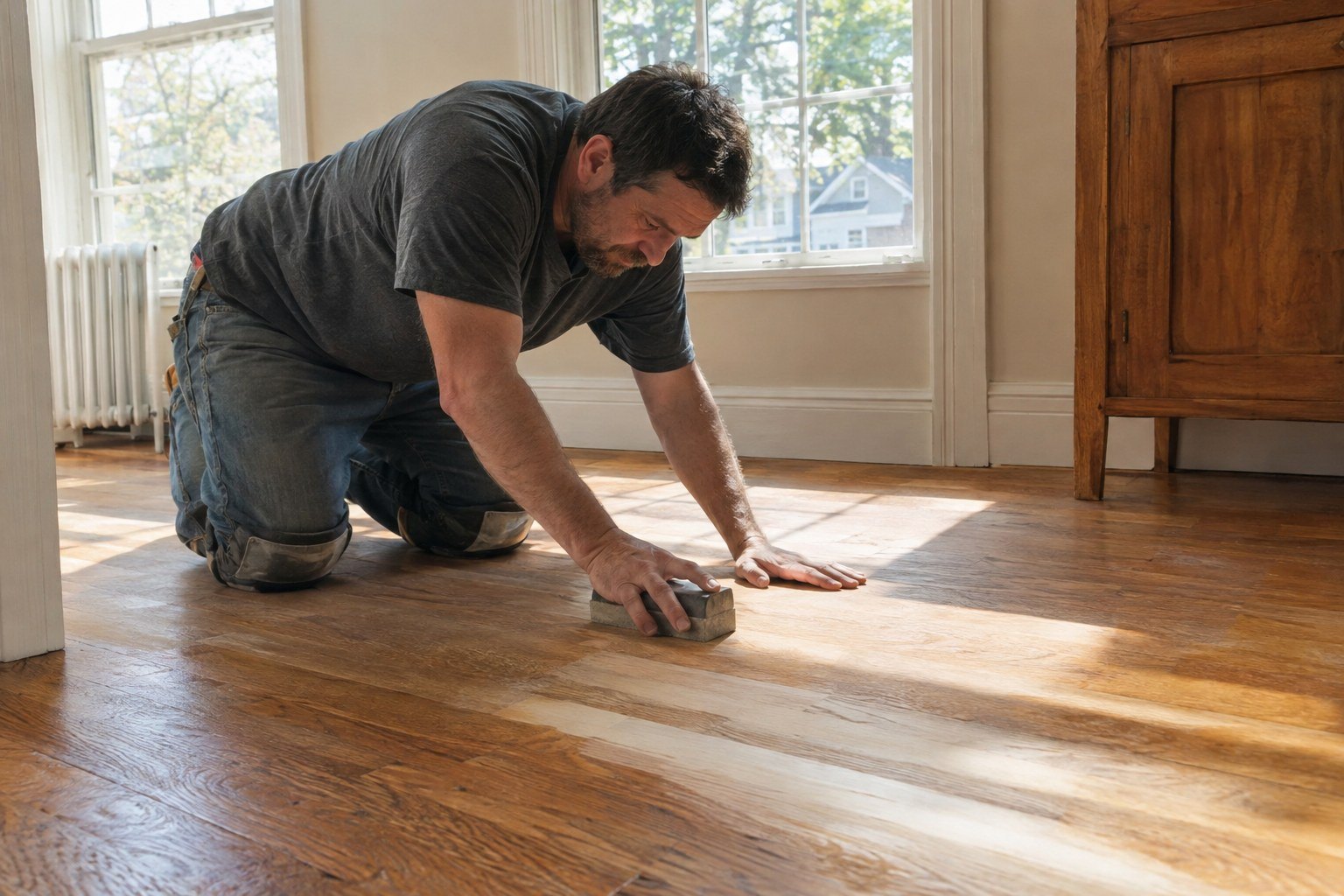
Yes. Small staple and tack holes get filled during sanding. Refinishing all of that floor at $2.50/Sq Ft makes them nearly disappear.
A photo helps us prepare, but it can't show how far water spread or what the subfloor looks like. Our visit costs nothing and ends with a firm price.
We guarantee repair labor for a year. Should a patch loosen or separate because of our work, our licensed, insured techs return to make it right.