
Boards Matched to Yours
Compare the material or treatment with the surfaces that remain. The hardwood floor repair scope should explain preparation before a final selection is approved.



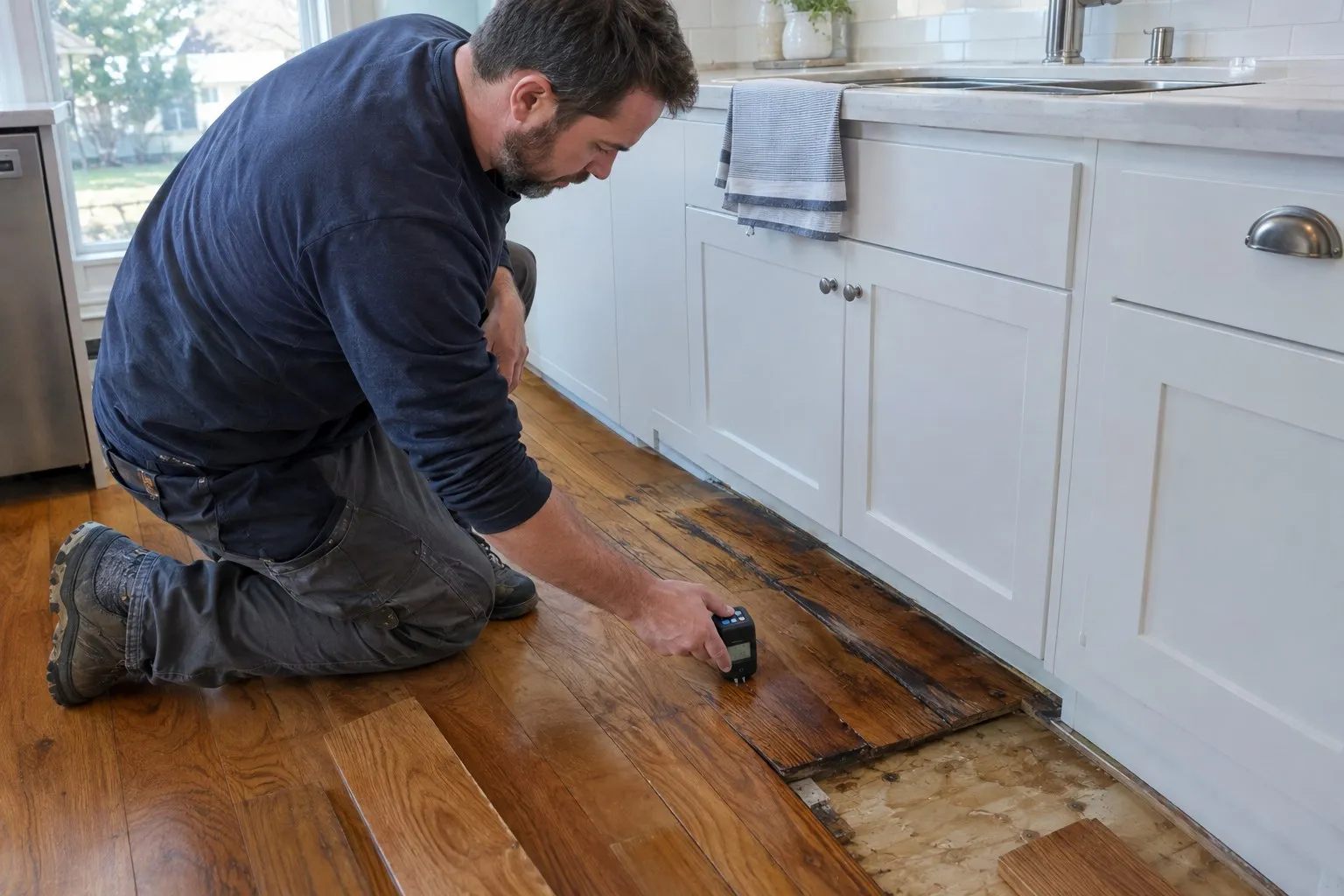
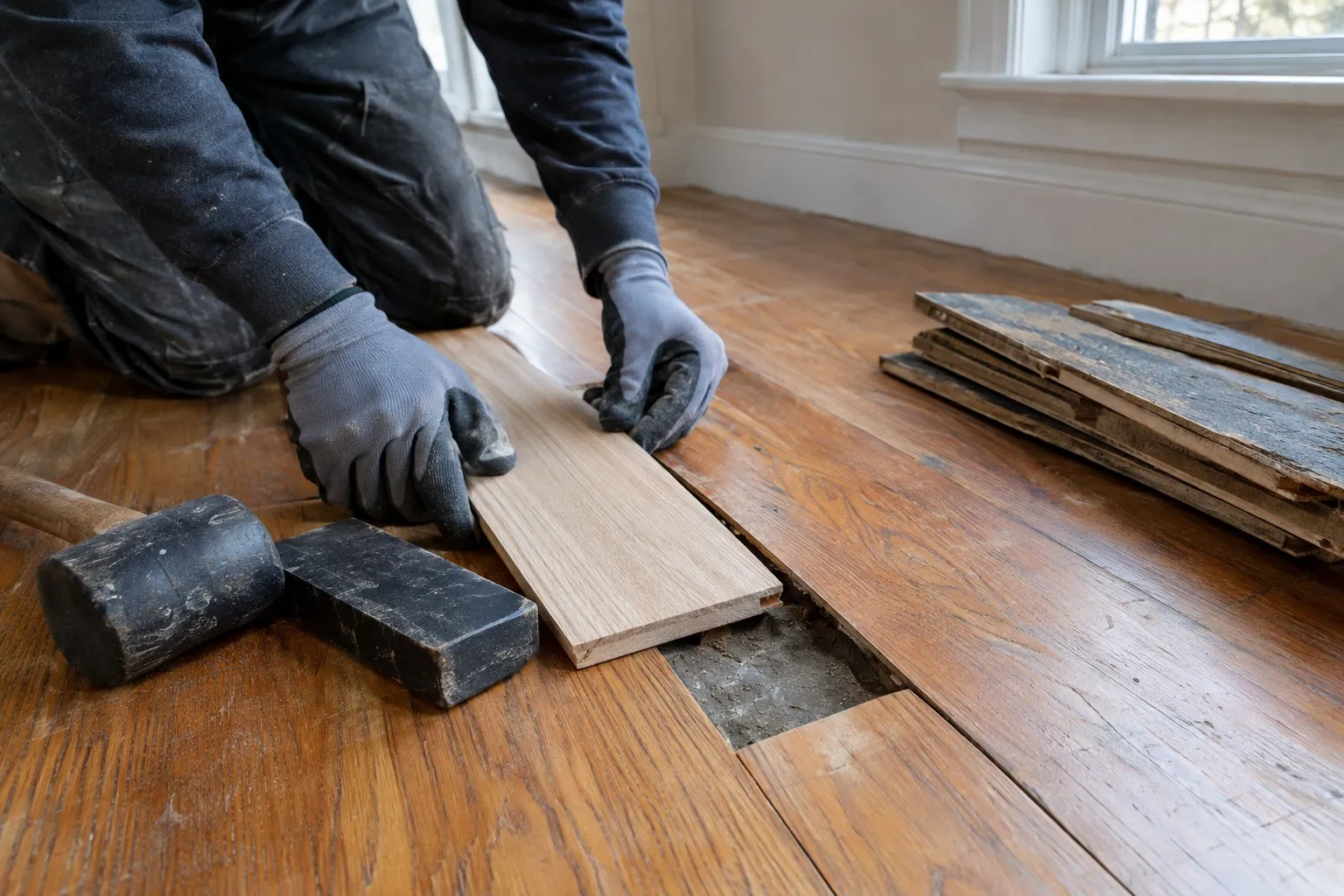

Compare the material or treatment with the surfaces that remain. The hardwood floor repair scope should explain preparation before a final selection is approved.

Agree on the final appearance and the steps required to achieve it. Discuss access during the work and the care needed afterward.

Record the full Harrison work area, including room connections and any landings. Measurements should describe what the proposal includes.

Keep the written one-year workmanship coverage with your proposal. Review its terms alongside the separate care instructions and material warranty for the selected products.


 Get your Free In-Home Estimate
That depends on its dimensions, connections and surrounding condition. Inspect the board and adjacent pieces before deciding whether a localized replacement is practical.
Age, grain and previous coatings can make new material look different. Discuss the expected variation before approving the work.
Compatible, well-stored boards can be useful. Keep their product information and tell the assessor where and how they were stored.
A coating does not correct movement. The repair method depends on where the noise originates and what parts of the assembly are accessible.
Stop the source and assess remaining moisture and damage. Replacement should be planned around those conditions so the same problem does not immediately affect new material.
No. Some gaps change with indoor conditions. The assessor should distinguish normal movement from damage before proposing filler or replacement.
Only within the usable depth of the wood. A deep defect may require a different repair rather than removing too much material from the surrounding floor.
That depends on the existing coating, color and location. The quote should identify the finish boundary and any likely visible difference.







