Dustless Floor Refinishing
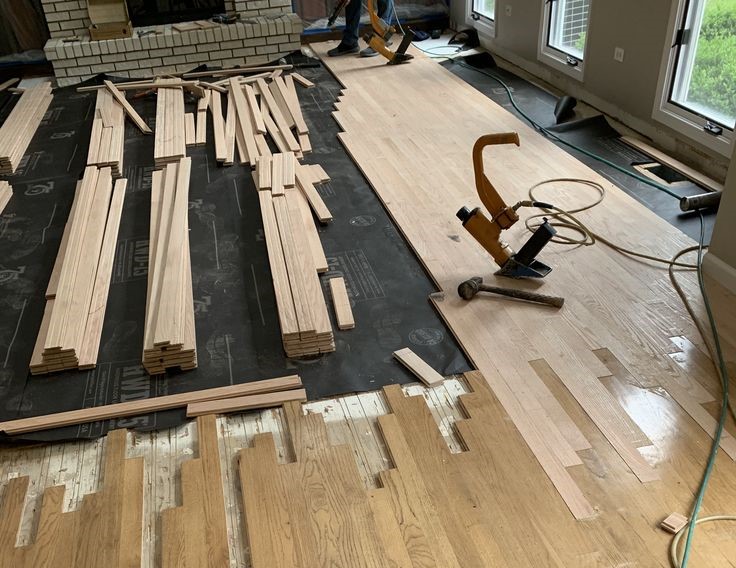
Compare the material or treatment with the surfaces that remain. The hardwood floor refinishing scope should explain preparation before a final selection is approved.



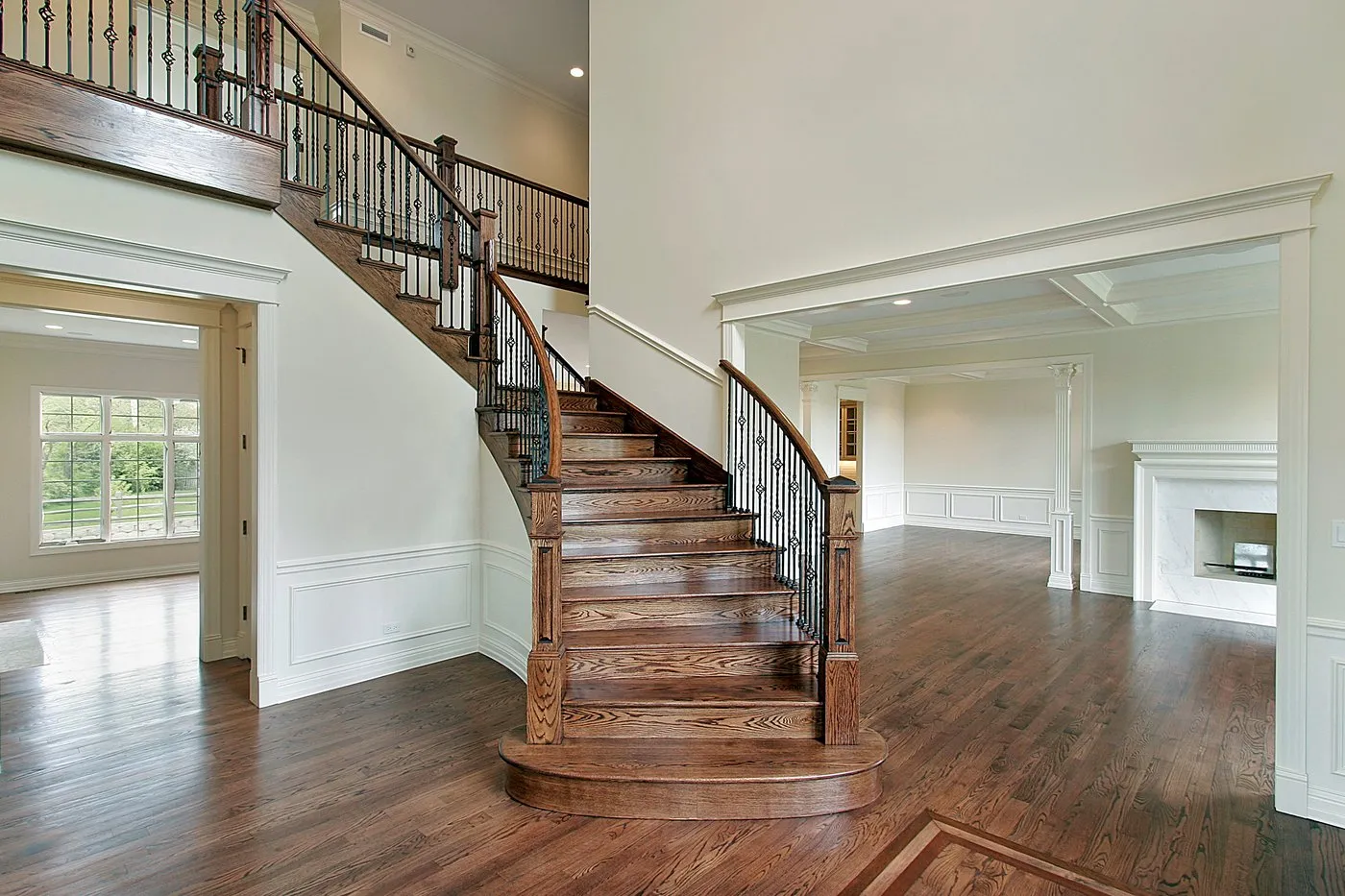
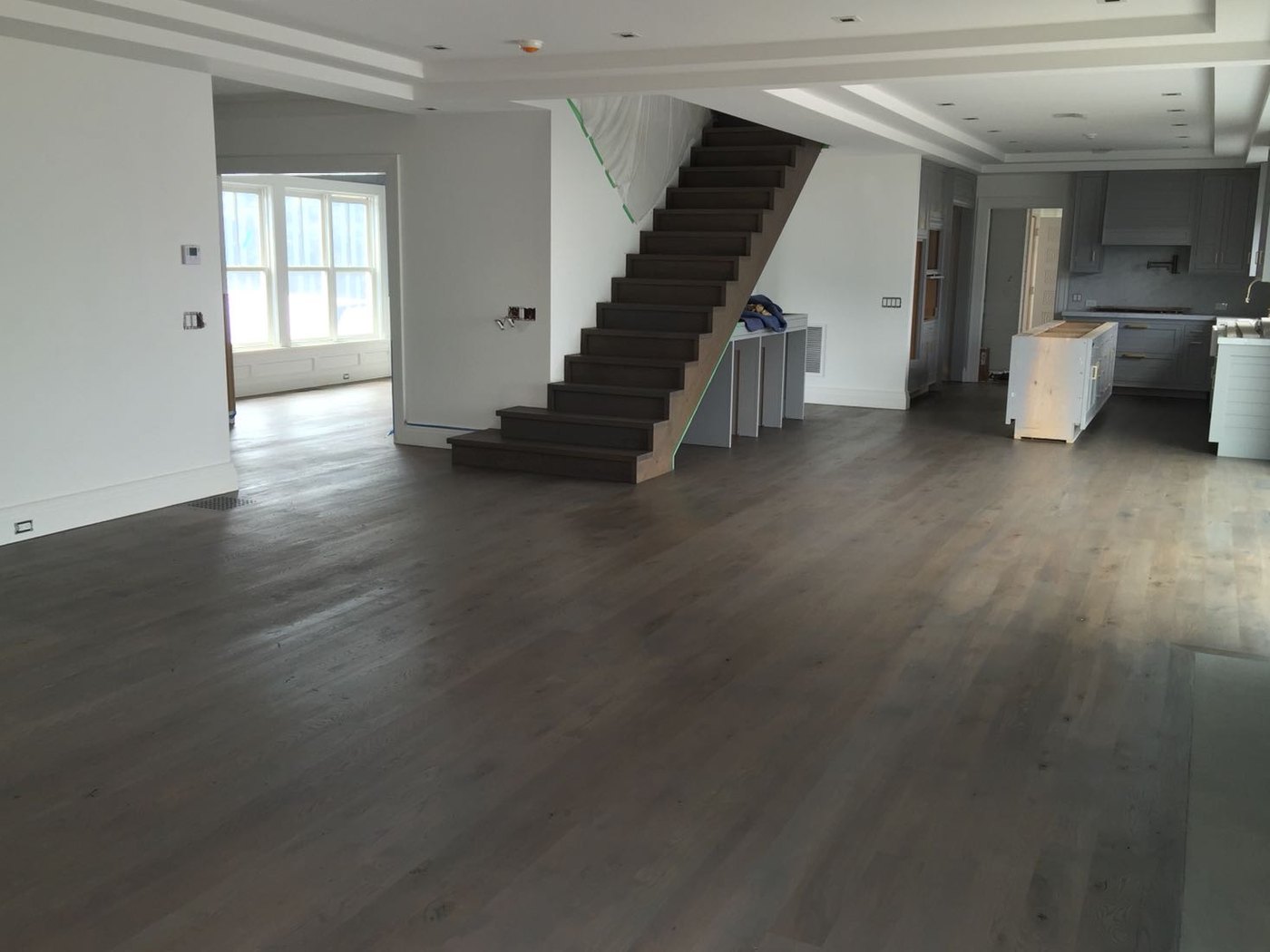

Compare the material or treatment with the surfaces that remain. The hardwood floor refinishing scope should explain preparation before a final selection is approved.

Agree on the final appearance and the steps required to achieve it. Discuss access during the work and the care needed afterward.

Record the full Harrison work area, including room connections and any landings. Measurements should describe what the proposal includes.

Keep the written one-year workmanship coverage with your proposal. Review its terms alongside the separate care instructions and material warranty for the selected products.

Identify worn coating separately from cuts that reach deeply into the wood.
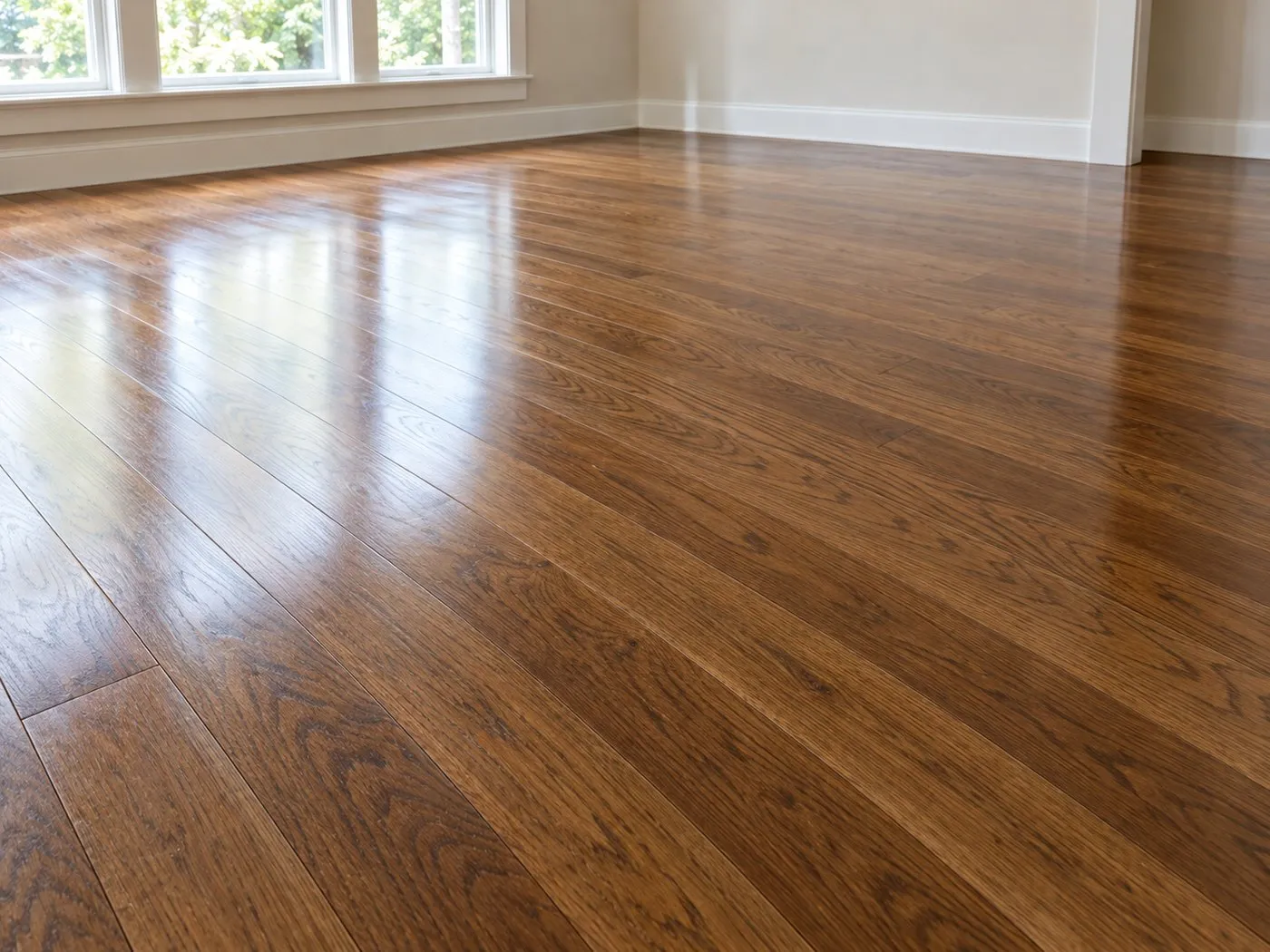
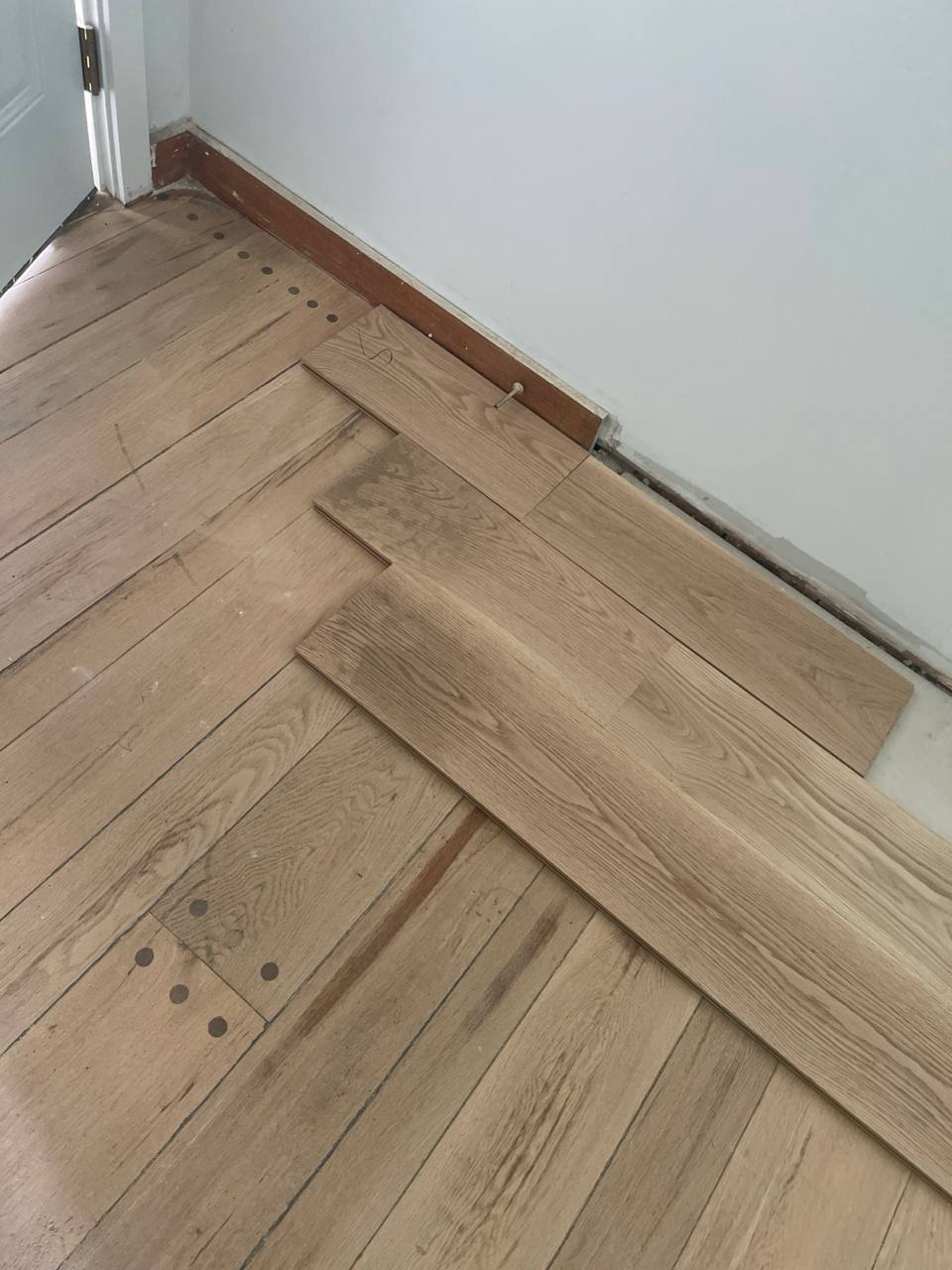
Check previous patches before promising a uniform color throughout the room.
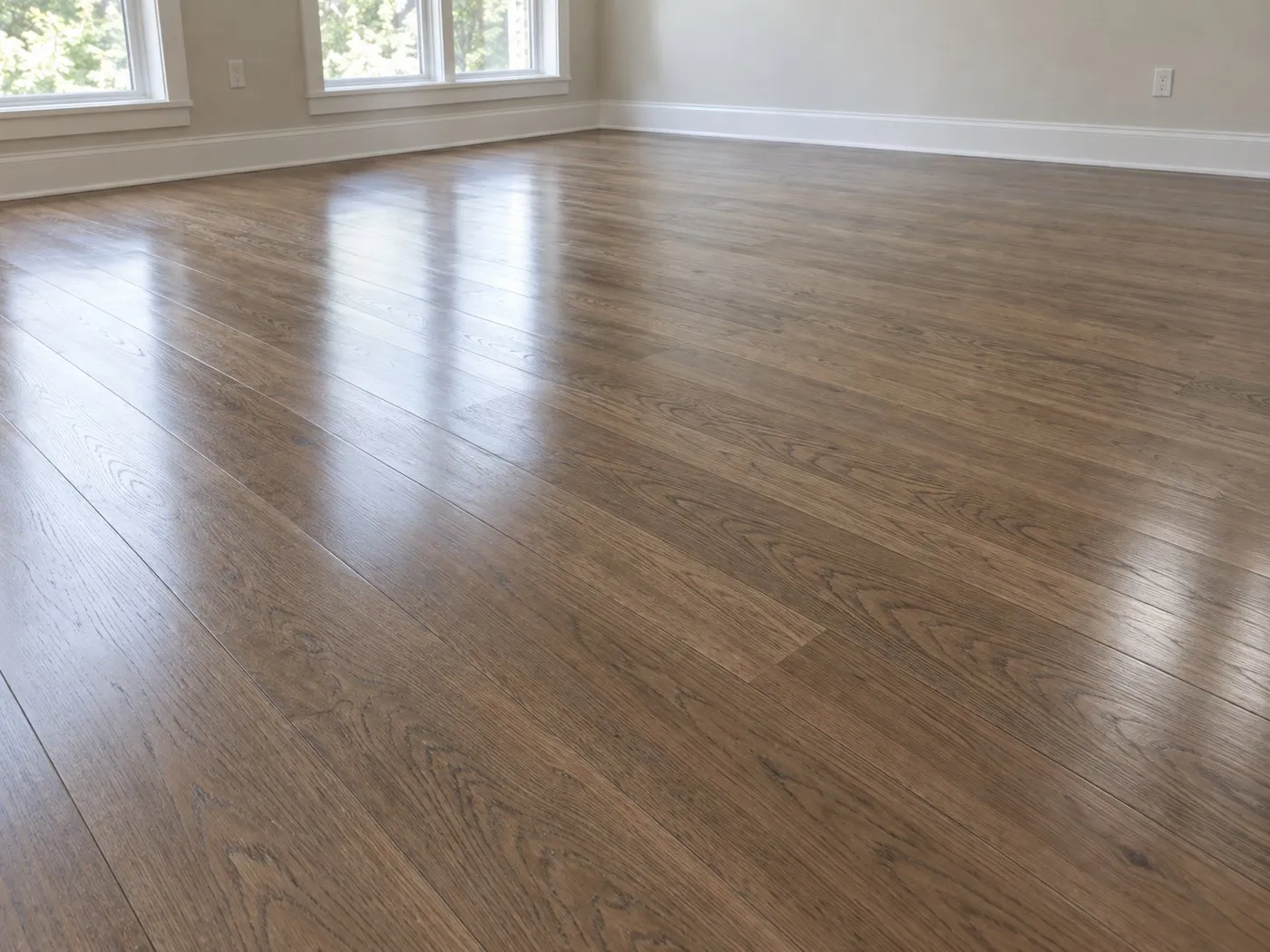
Doorways offer possible finish boundaries; choose them before sanding starts.

A stair landing should be assessed with the hall if both form a continuous wood surface.

Discuss dust control and occupied-room arrangements as part of the work plan.

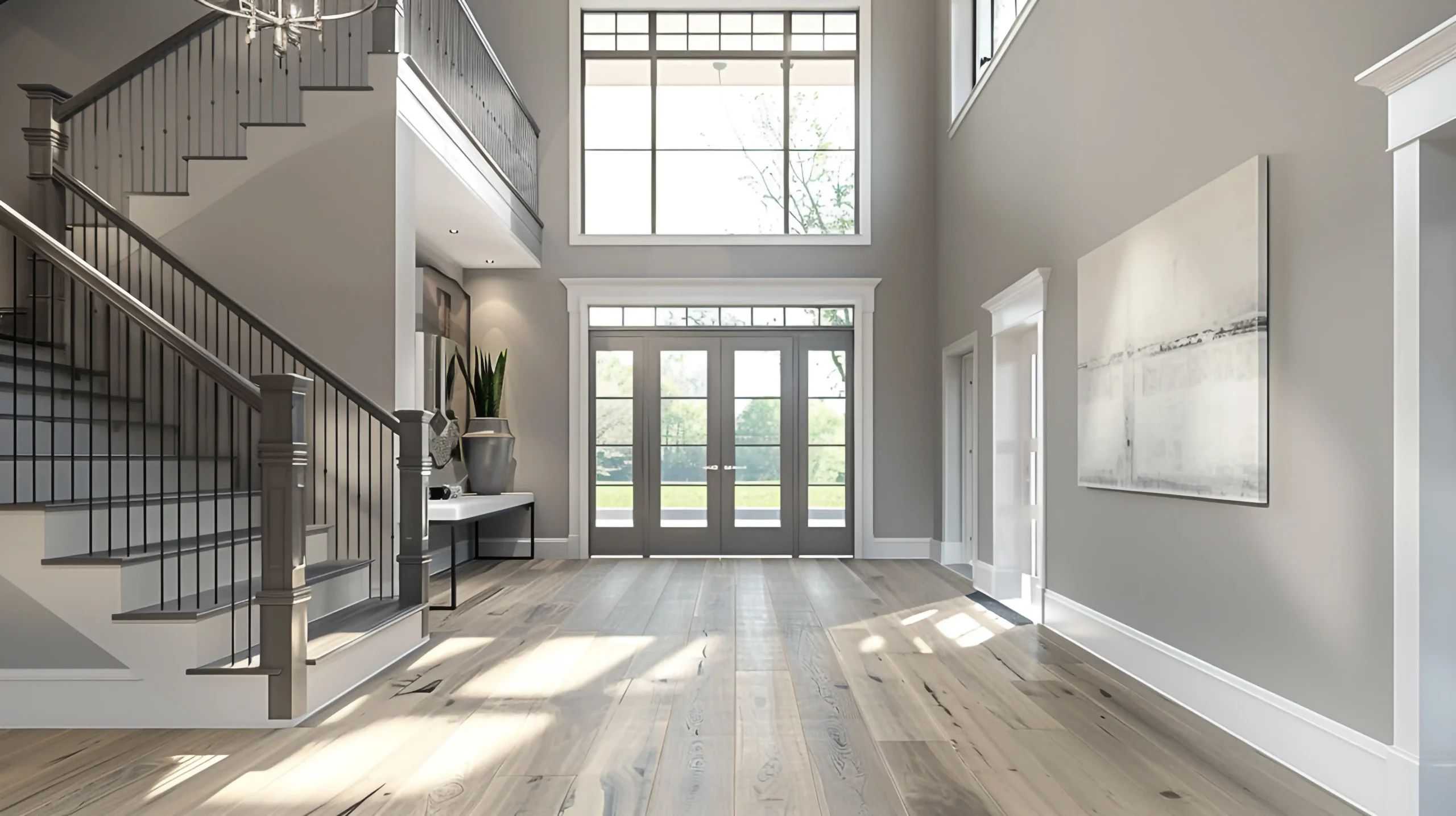
Record the selected color and sheen, then follow the coating instructions for use.
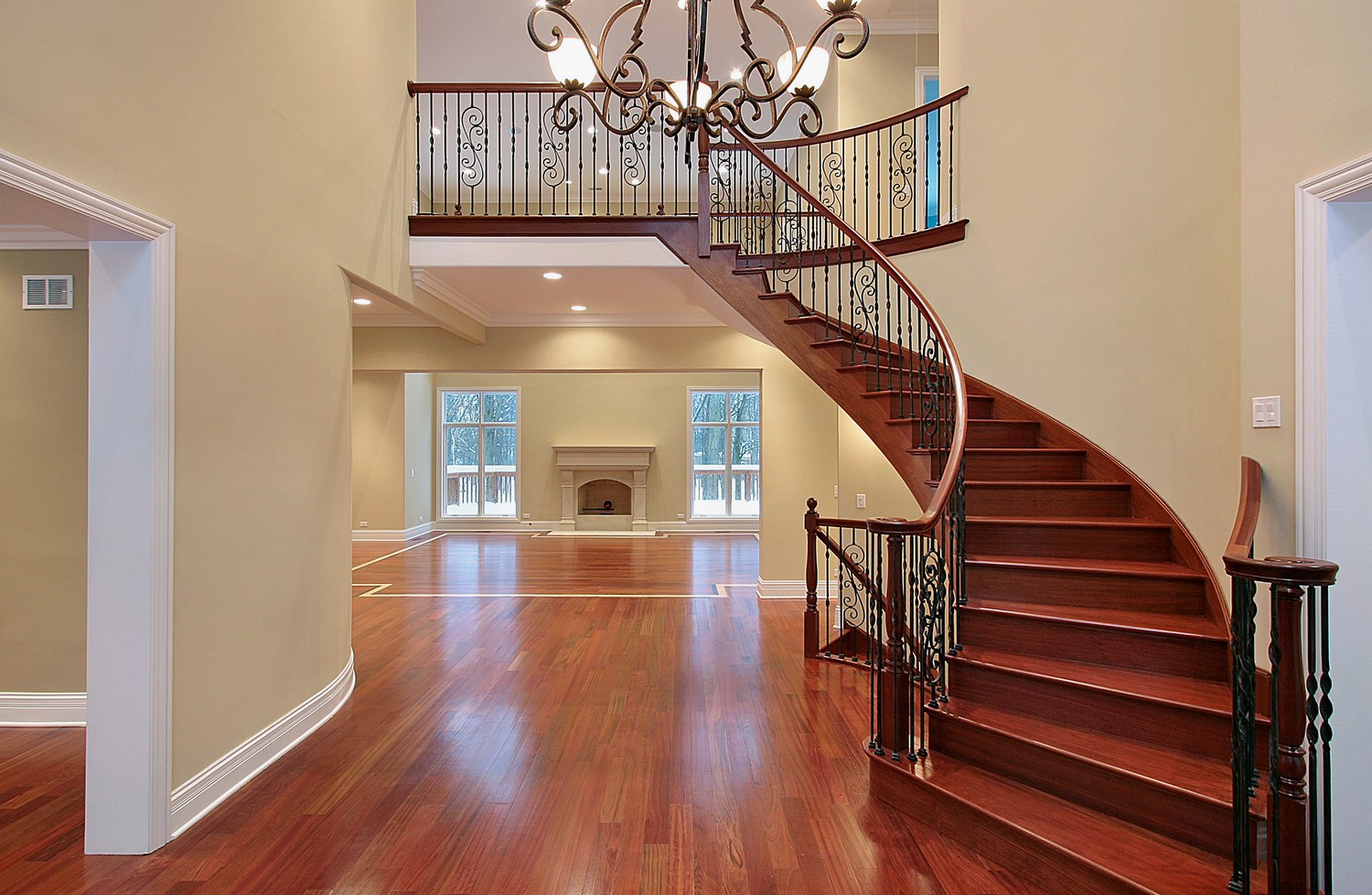
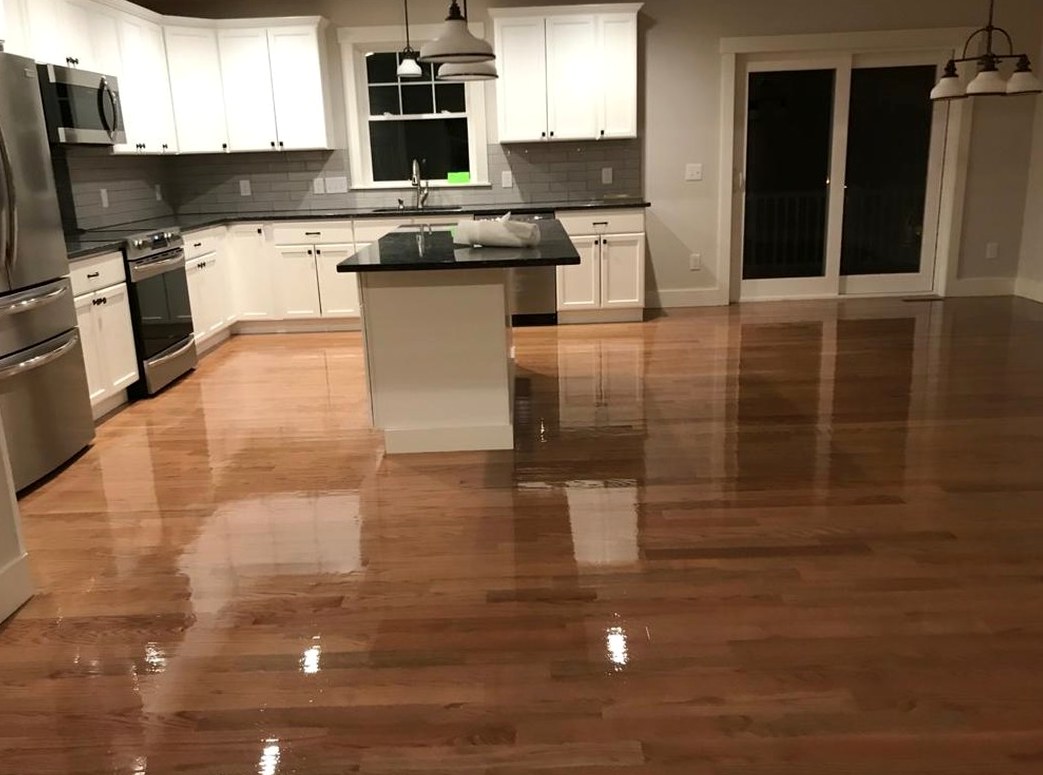
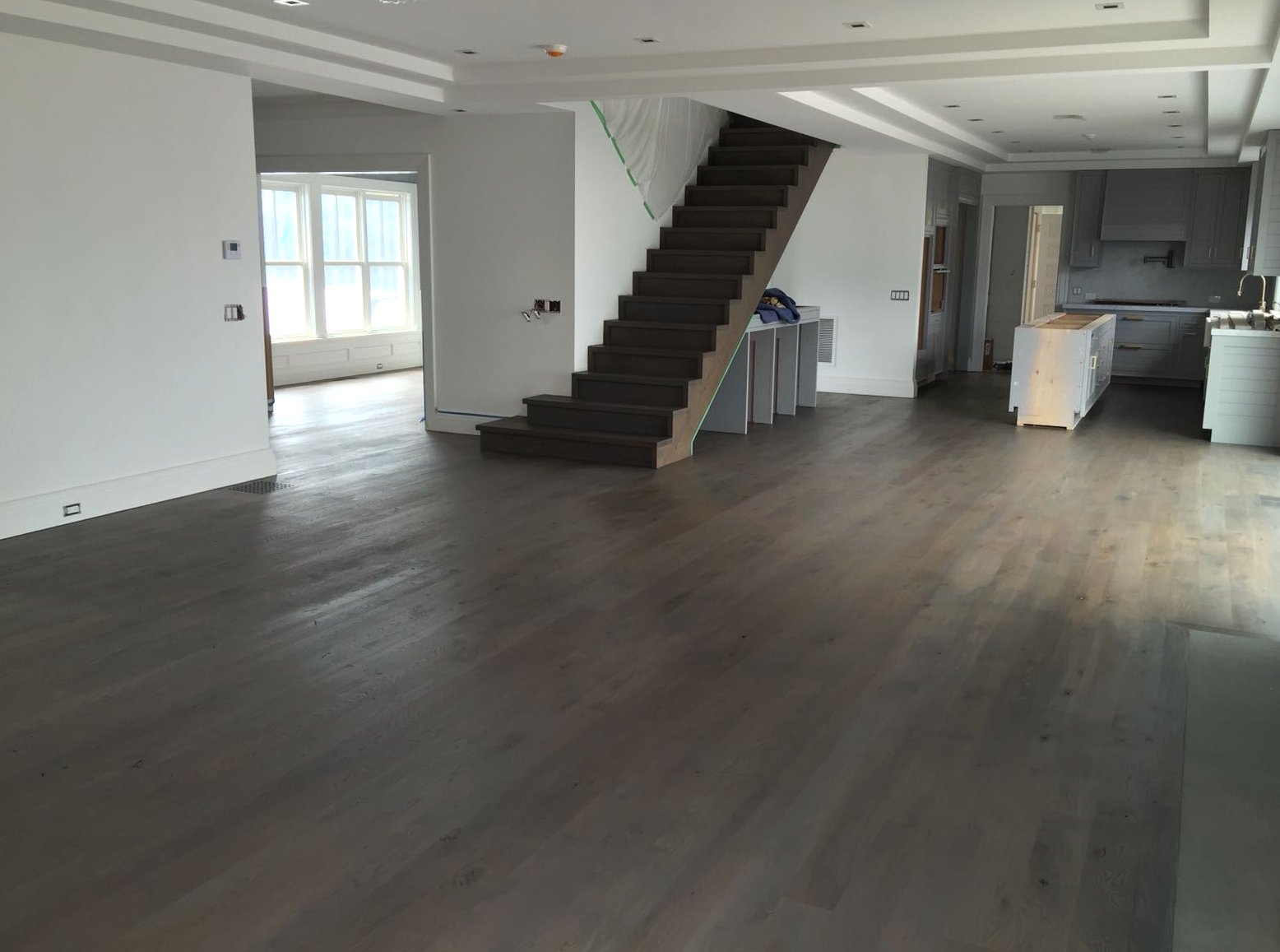
 Get your Free In-Home Estimate
A site assessment must consider the board construction and remaining usable surface. Previous sanding and thin wear layers can limit the options.
Movement should be investigated and repairs specified separately. Applying a new coating does not correct a loose connection beneath the surface.
Some marks extend too deeply for safe sanding to remove them. Inspect the affected boards and discuss replacement or remaining variation before choosing a finish.
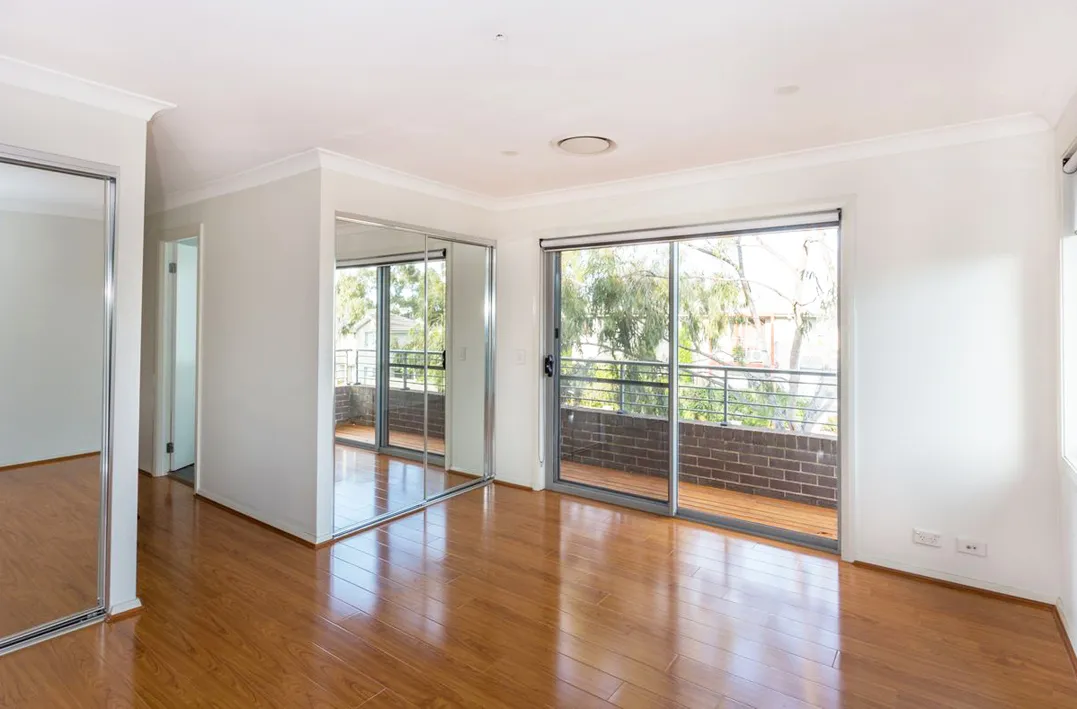
A continuous floor may show a boundary if only one section is treated. Review doorway breaks, existing color and the desired result before setting the scope.
Agree on the sample and approval process beforehand. The actual prepared wood is useful for judging color, but selection should not be left without a planned decision point.
No. A compatible recoating process addresses the finish surface; full sanding removes more material. Condition and coating compatibility determine which approach is suitable.
Follow the instructions for the specified finish. Walking, placing furniture and adding rugs can have different waiting periods.
Share known sanding, repair and coating history, including products used for maintenance. These details help the assessor understand possible limits before proposing work.