
Boards Matched to Yours
Match replacement wood by species, thickness, width and grain. A Belle Harbor sample needs its color and sheen compared with the kept floor.



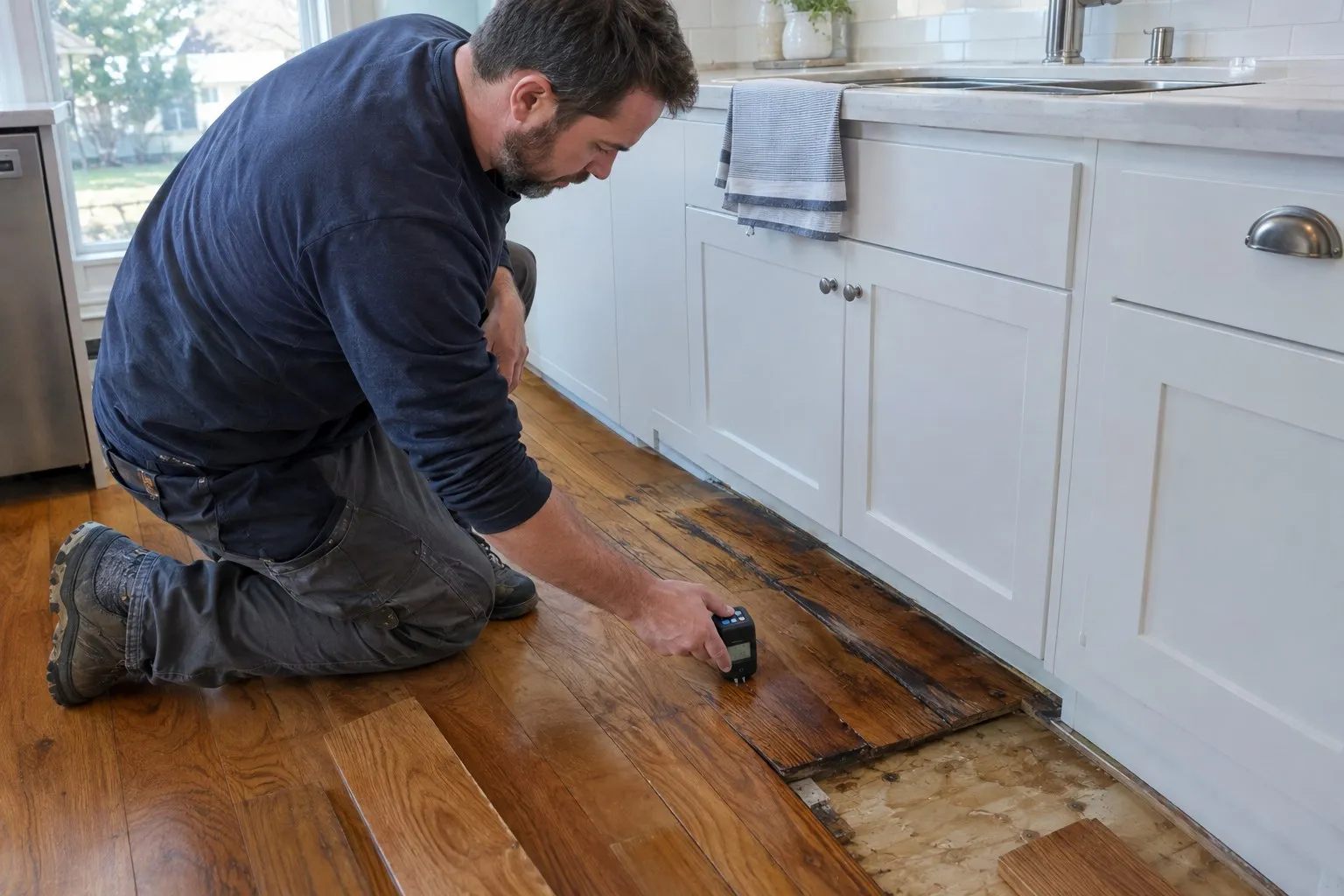
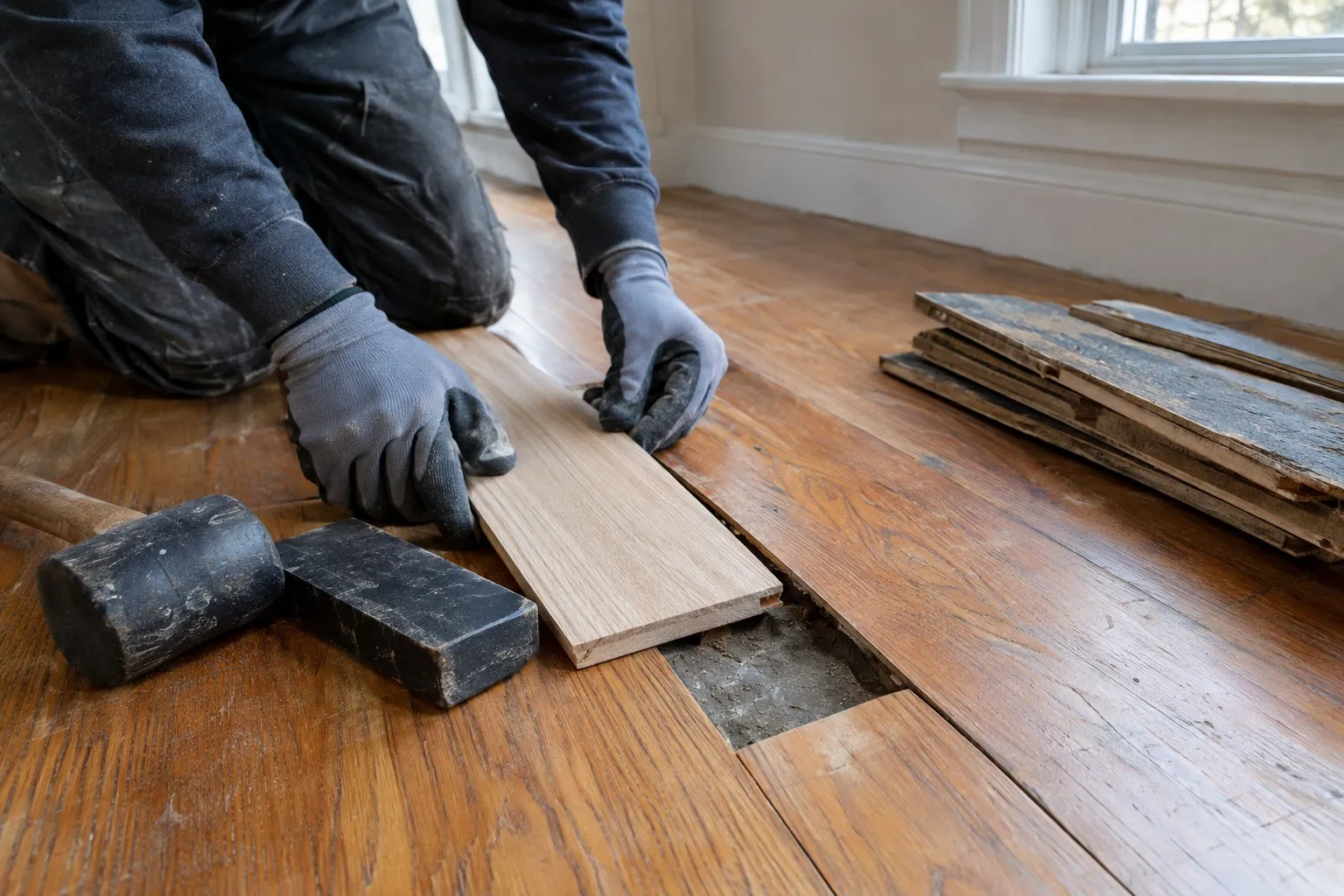

Match replacement wood by species, thickness, width and grain. A Belle Harbor sample needs its color and sheen compared with the kept floor.

Moisture-related damage needs a cause survey before cosmetic repair. Review Belle Harbor boards and support once the cause is resolved.

Squeaks and gaps need their cause located before filling or fastening. Check the Belle Harbor board movement and access under the floor.

Keep the Belle Harbor repair warranty with its defined work area. Separate labor terms from product terms and care guidelines.


 Get your Free In-Home Estimate
Because the peninsula underwent Sandy recovery work, some owners have records of floor replacement or drying after that event. Share those records where they apply and identify the affected rooms. Inspect the present boards and support to locate the current problem. The earlier event explains context; it cannot establish whether today's mark, movement or damaged joint has the same cause or needs the same repair.
The area's older housing stock makes retained wood worth examining closely. Measure the original and replacement pieces, identify their species where possible and compare grain, thickness and coating. A repair must fit the existing assembly as well as its appearance. Trial finishing on the proposed patch can show differences before it is installed, and the agreed boundary should account for the boards that will remain visible around it.
Building-history resources such as BIS and DOB NOW may show relevant alterations to the property. If a room's construction changed, available plans can help the owner explain its history at the visit. Compare that information with the actual layers and damaged area. The repair decision still needs inspection of accessible material, with concealed conditions handled as findings rather than guessed from an old drawing.
The state's recovery inventory describes many smaller houses in this neighborhood. In a compact interior, show the path residents need around the affected room and where furniture can be held. Define whether a localized repair needs a larger finishing area to blend its appearance. The agreed sequence should account for both the physical patch and any drying time that affects circulation through the home.
The 11694 area includes Belle Harbor and several other Rockaway neighborhoods according to the city. Give the full street address and the entrance or unit serving the damaged room, then label photographs by room. Include any earlier material records. Precise location details keep the damage survey, replacement wood and follow-up finish review associated with the same floor instead of relying on the postal area alone.
Its depth and cause must be assessed first. Some discoloration extends too far into the board for sanding within the available thickness. Compare a controlled treatment trial with a compatible replacement option, including how either approach will meet the surrounding finish.
A gap can reflect movement, changing conditions or a damaged connection. Assess the pattern and cause before selecting filler or replacing boards. A correction should suit the board assembly and expected movement, with any underlying problem addressed before cosmetic work.
Identify the moving area, the likely connection involved and the access available for correction. Separate fastening or support work from finish restoration. If access limits the proposed repair, record that limitation so the appearance work is not mistaken for a complete structural remedy.







