Dustless Floor Refinishing
Dust-controlled sanding reduces airborne debris in Belle Harbor. Agree room containment, cleanup and protection for the surfaces retained.



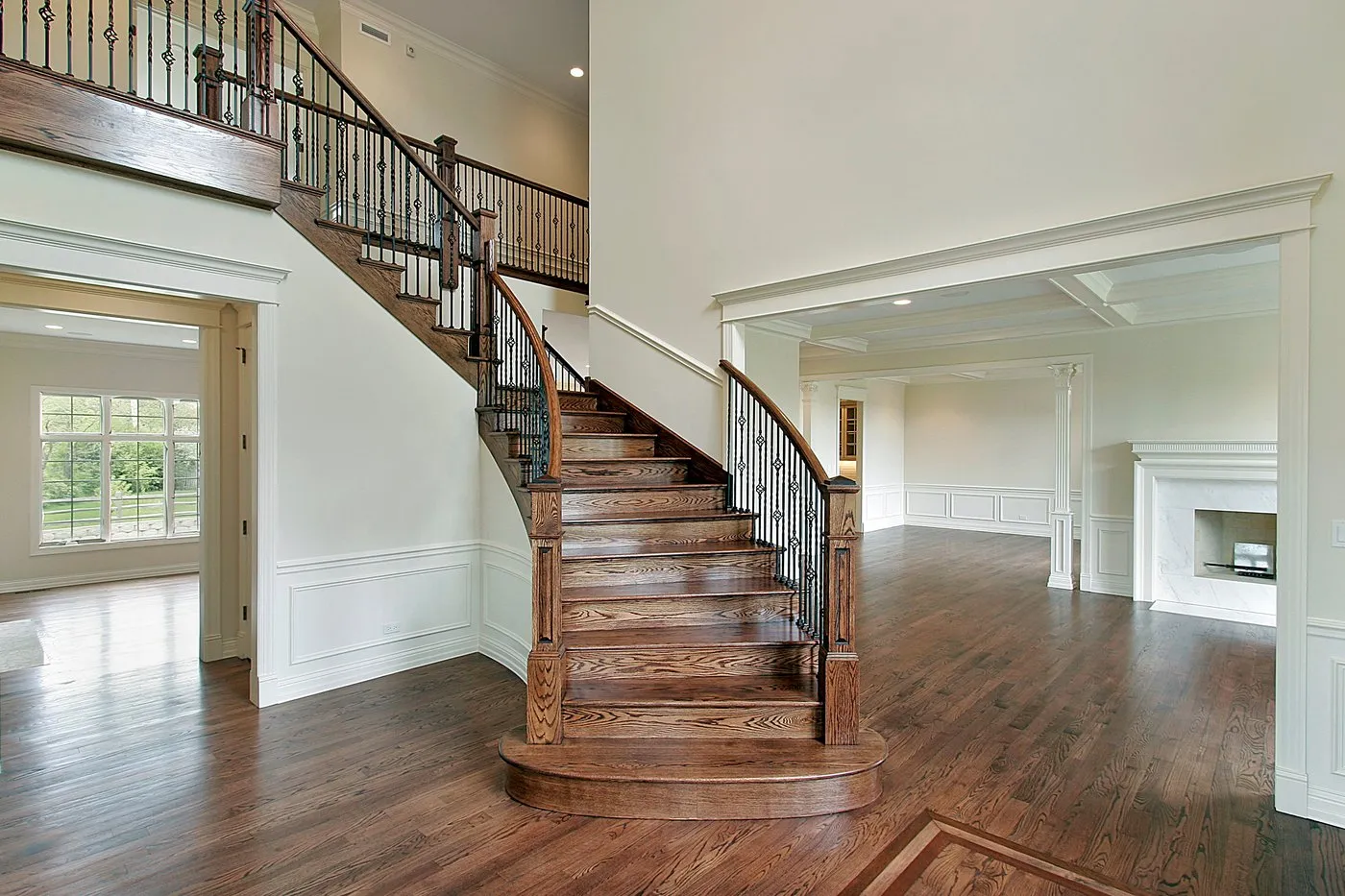
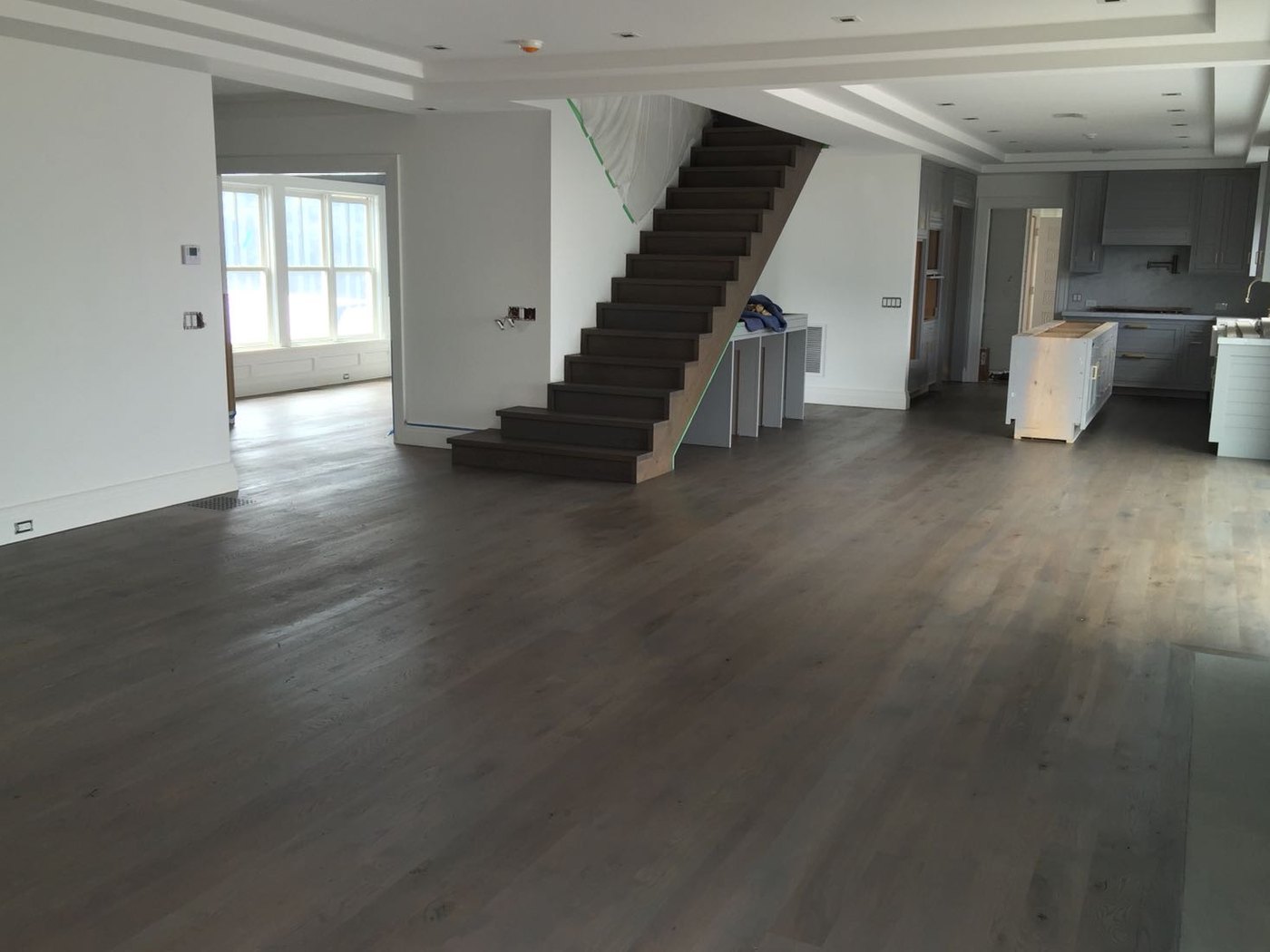

Dust-controlled sanding reduces airborne debris in Belle Harbor. Agree room containment, cleanup and protection for the surfaces retained.

A three-to-five-day plan needs your Belle Harbor floor and coating reviewed. Repair scope and drying conditions affect their sequence.

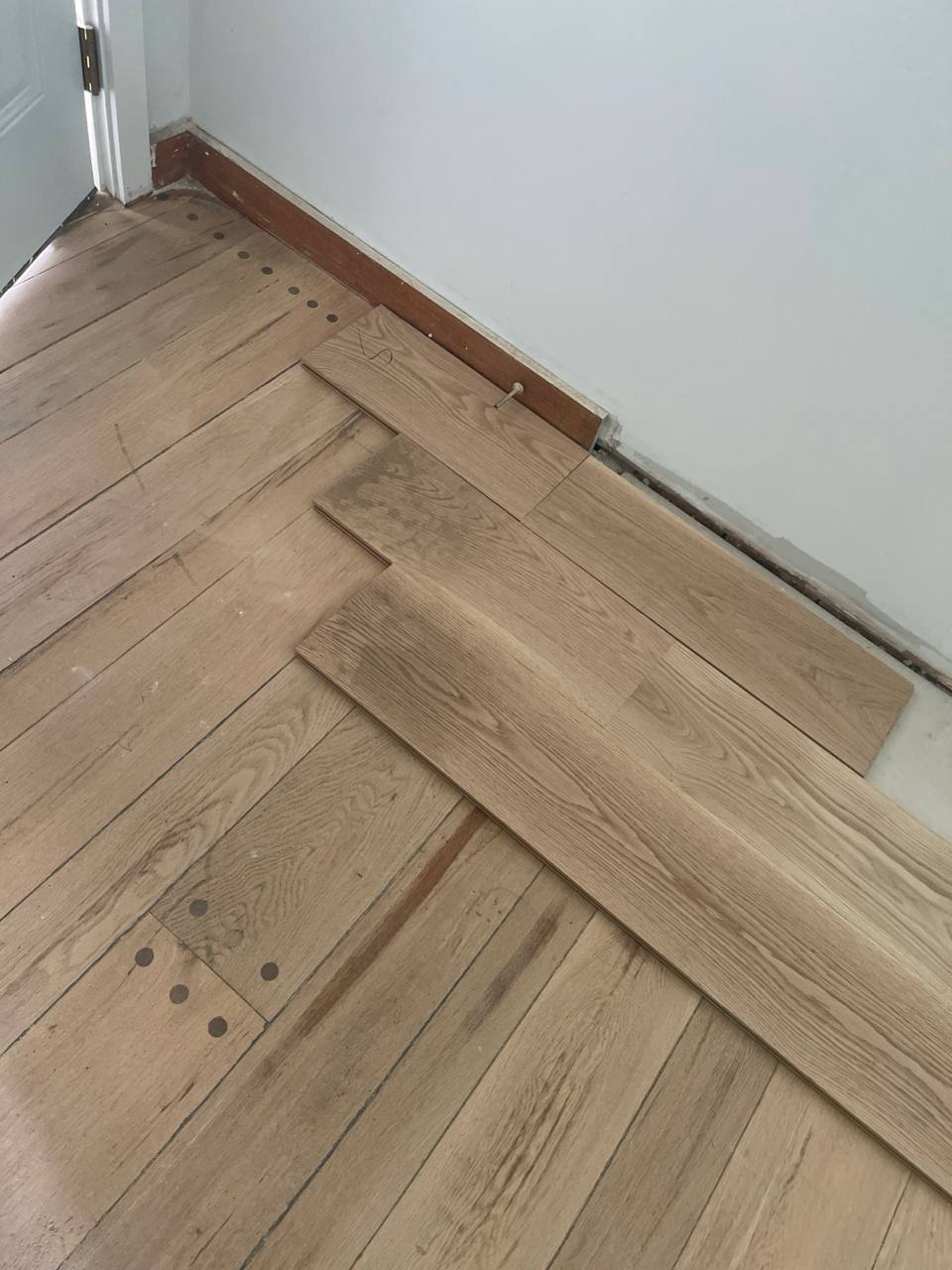
Repair weak or missing wood before Belle Harbor sanding. Discuss how replacement boards can meet adjacent grain and finish.

Keep Belle Harbor's one-year refinishing terms with your work record. Compare care guidance and your coating maker's terms.

Natural keeps the Belle Harbor wood character visible. Test the full finish rather than judging raw boards.
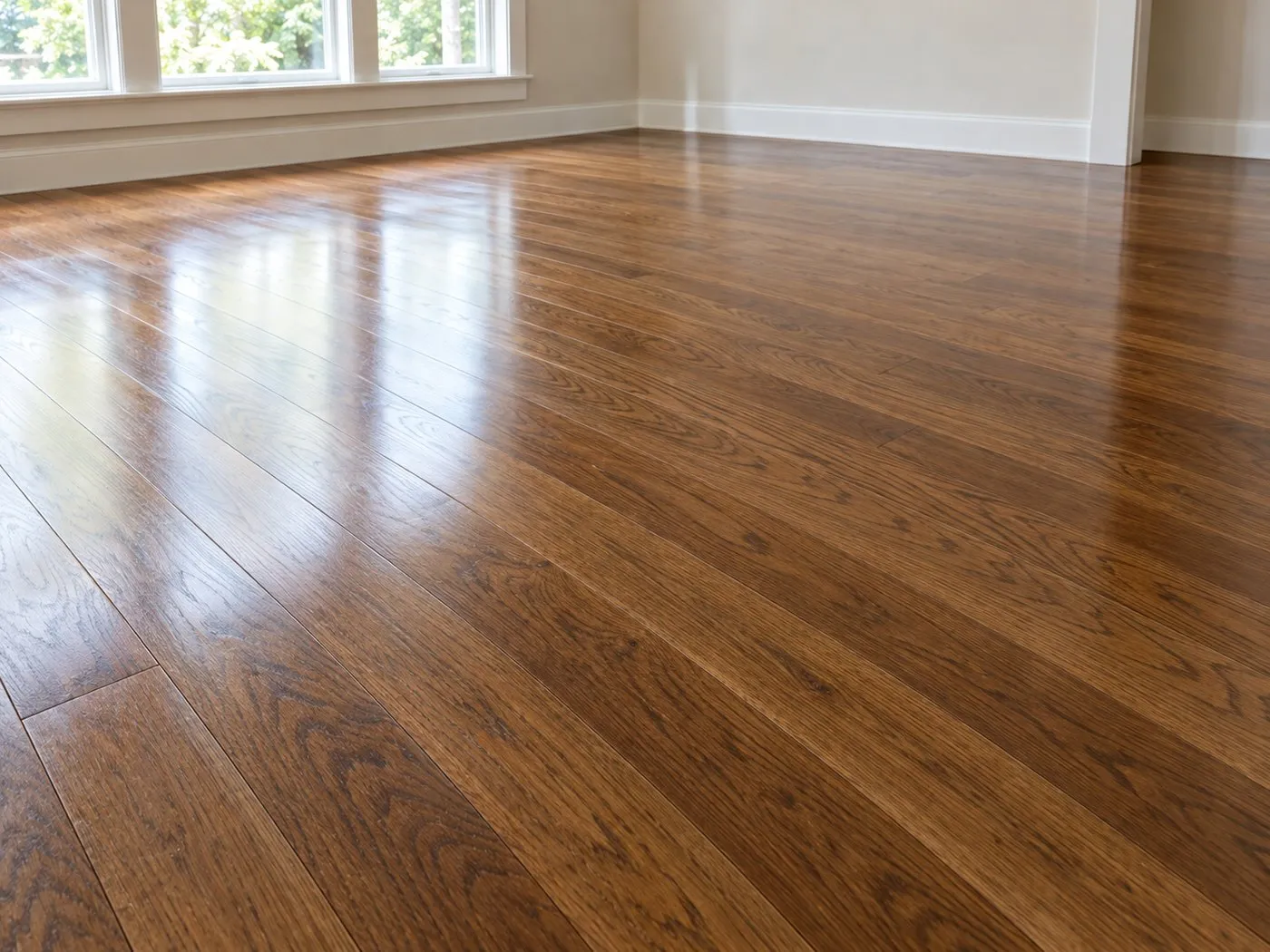
Special Walnut needs a Belle Harbor sample showing the full sanding and final coat with the room's trim.
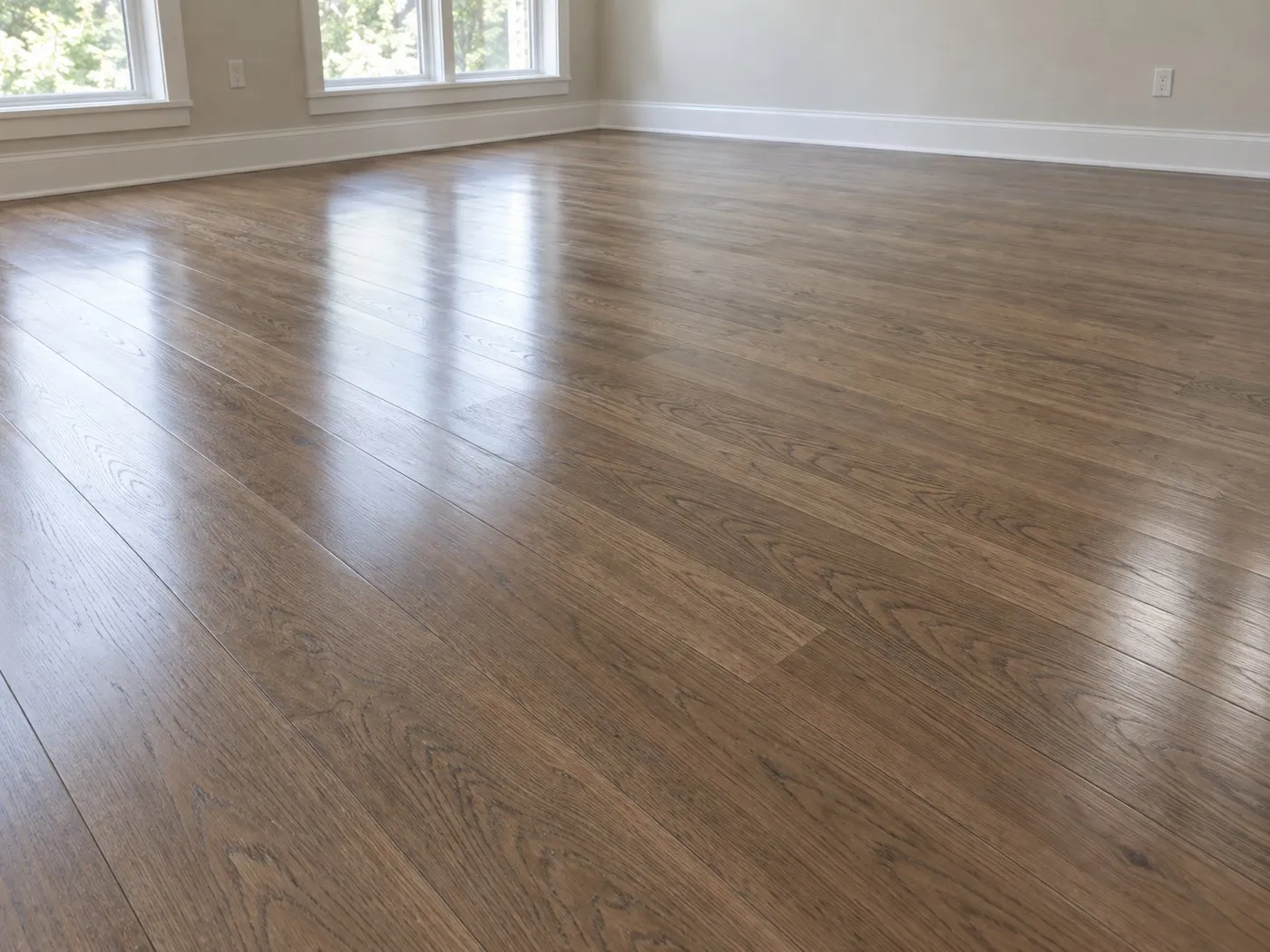
Provincial varies across wood species. Use a prepared trial beside the Belle Harbor boards being kept.

Early American should be checked under your intended coating. Compare the Belle Harbor grain and room lighting.

Dark Walnut can emphasize surface differences. Prepare the Belle Harbor trial carefully and check repaired wood.

Jacobean needs a full finish trial on the wood species. Review its depth across Belle Harbor light changes.
 Get your Free In-Home Estimate
The area's established housing stock is documented in the state recovery plan. In the home, the decision depends on remaining board thickness, condition and previous sanding. Inspect edges and any damaged sections before choosing restoration. Some rooms may need localized replacement first, and different generations of wood may need separate finish trials. Age is useful background for the survey rather than proof that every board can be sanded again.
The recovery program records extensive work following Sandy, but the treatment must follow the individual floor's history. Identify rooms that were repaired and provide available photographs or material records. Compare replacement wood with boards that remained, checking their depth and present condition. The sanding scope should state where repairs or separate trials are needed before attempting a continuous color across the home.
The historic recovery survey notes small houses among the local residential stock. Map where furniture can move and which rooms residents must reach while the floor is treated. Agree the sequence for sanding, coating and return to use, including an alternate arrangement if the route crosses wet finish. The actual layout and finish system determine that plan; a small floor area does not necessarily mean simple household access.
The city's 11694 profile includes several neighboring communities, so postal wording alone can be ambiguous for scheduling. Provide the street number, Queens address and entrance for the work rooms. Describe steps, tight turns and any restrictions affecting equipment handling. Those site details allow the sanding and dust-control plan to be associated with the right property and avoid assuming the easiest entrance is the one shown from the street.
NYC building-history tools can provide context for earlier changes to a Belle Harbor house. Available plans or the owner's repair records may explain where rooms were added or reconstructed. Mark those boundaries for the floor inspection and trial colors on representative wood from each area. The final scope must rely on the boards now present, including their sanding depth and coating compatibility, rather than relying on documents alone.
The protective coating can change the perceived color and sheen. Review a prepared trial using the intended stain and finish sequence, then compare it with trim and any retained flooring. Record the approved sample so the working method and chosen appearance are clear.
Clear the agreed work areas and identify surfaces or rooms needing protection. Discuss containment, equipment access and cleanup before sanding begins. Dust control reduces dispersal, but the preparation plan should still account for household belongings and the route used to remove debris.
That range needs to be checked against the inspected floor and selected coating. Board repairs, preparation, room sequence and drying conditions can change the schedule. Ask for the expected work stages and separate guidance for walking, replacing furniture and normal use.