
Boards Matched to Yours
Astoria patches must match board sizes and species. Check grain and earlier coatings before approving the patch stock and appearance limits.



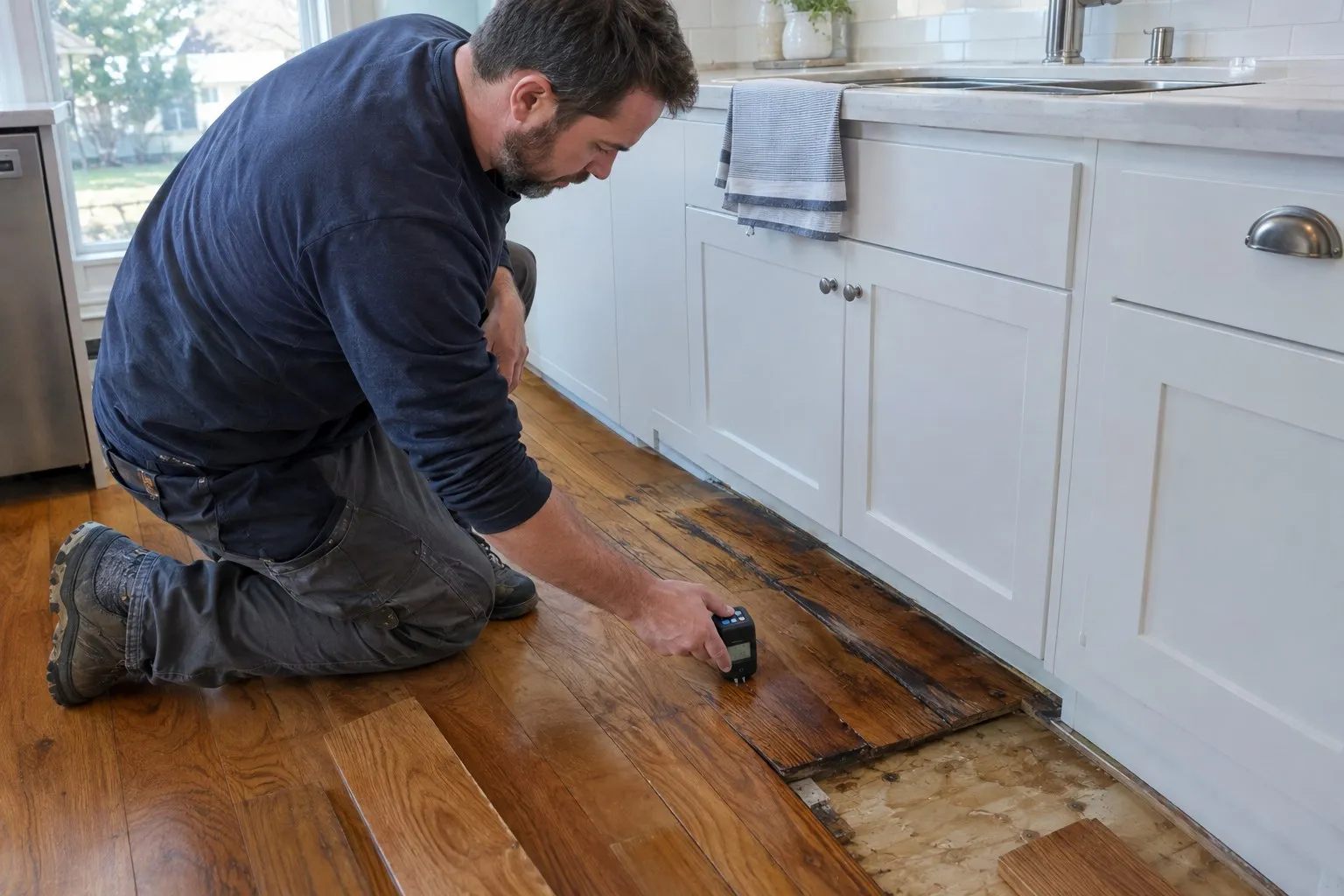
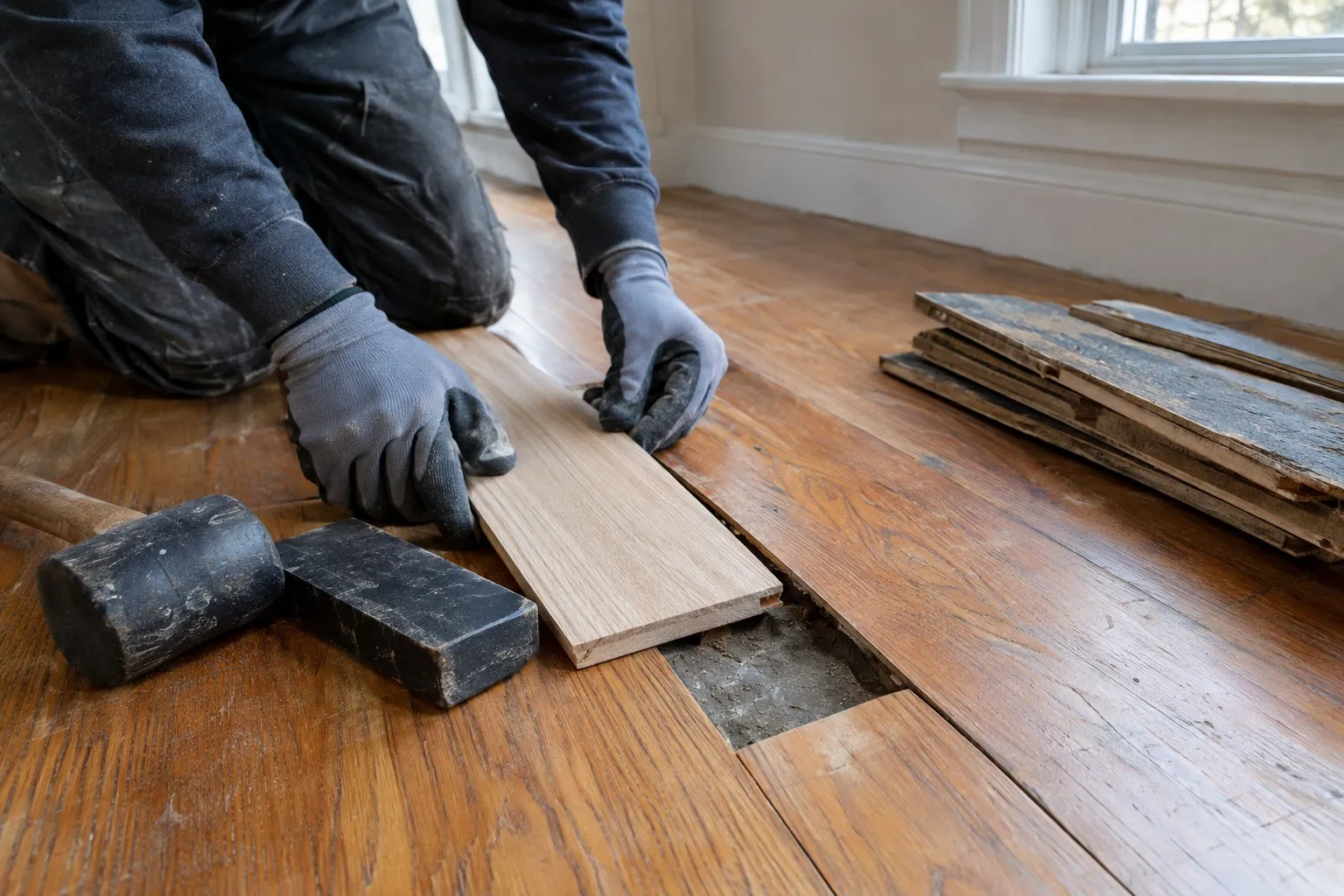

Astoria patches must match board sizes and species. Check grain and earlier coatings before approving the patch stock and appearance limits.

Moisture repair starts with its source and the layers. Address conditions before defining board replacement, base prep and finish work.

Trace squeaks and changing gaps before choosing a remedy. Inspect the connections and supporting layers to name the part needing repair.

Astoria repair labor has one-year warranty terms. Keep damage photos, the fixed patch scope and care guidance with your quote.


 Get your Free In-Home Estimate
City Planning includes prewar apartments and low rowhouses in its description of Astoria. If your interior has boards or borders you want to retain, show them alongside the damage before a patch is specified. Bring any history of leaks, prior repairs or changes to the room. The inspection should establish the affected boundary, usable wood and suitable stock dimensions. Discuss the finish connection as part of that scope, so replacement is evaluated against the existing floor rather than treated as an isolated material purchase.
Astoria’s residential mix includes larger apartment buildings as well as smaller houses. Give your unit and floor information, then identify the affected room and the entrance used for access. In shared premises, obtain the building arrangements relevant to inspection, material carrying and work hours. Send both a broad floor view and detailed damage photographs. These practical details let the visit address the cause, repair limits and protected route through the building together.
The neighborhood’s documented older apartments and attached homes make retained-room planning a useful topic for a limited repair. Mark the affected area on your own room sketch and show the surrounding floor that stays. Explain which household routes remain necessary and where tools or replacement strips can be placed. The estimate should connect the patch and finishing boundary with those routes, including any coating restrictions. This allows the actual occupied interior to guide the sequence.
Age, grain and earlier treatments can remain apparent. Review stock and sample expectations before approving the repair.
Identify the moisture source and examine affected layers. Replacing or coating the visible wood does not resolve an ongoing condition below it.
Establish whether the gap stays consistent or varies as room conditions change. The appropriate response follows its cause and movement history.
Assess penetration and remaining thickness first. There is a limit to the wood that can be removed, so replacement may need comparison with treatment.
Record the newly exposed condition and explain its effect on the proposed work. Agree on any additional preparation or replacement before expanding the patch.







