
Boards Matched to Yours
Match Ancram repair boards to the floor's dimensions and construction. Check the milling and grain beside sound boards before ordering wood.



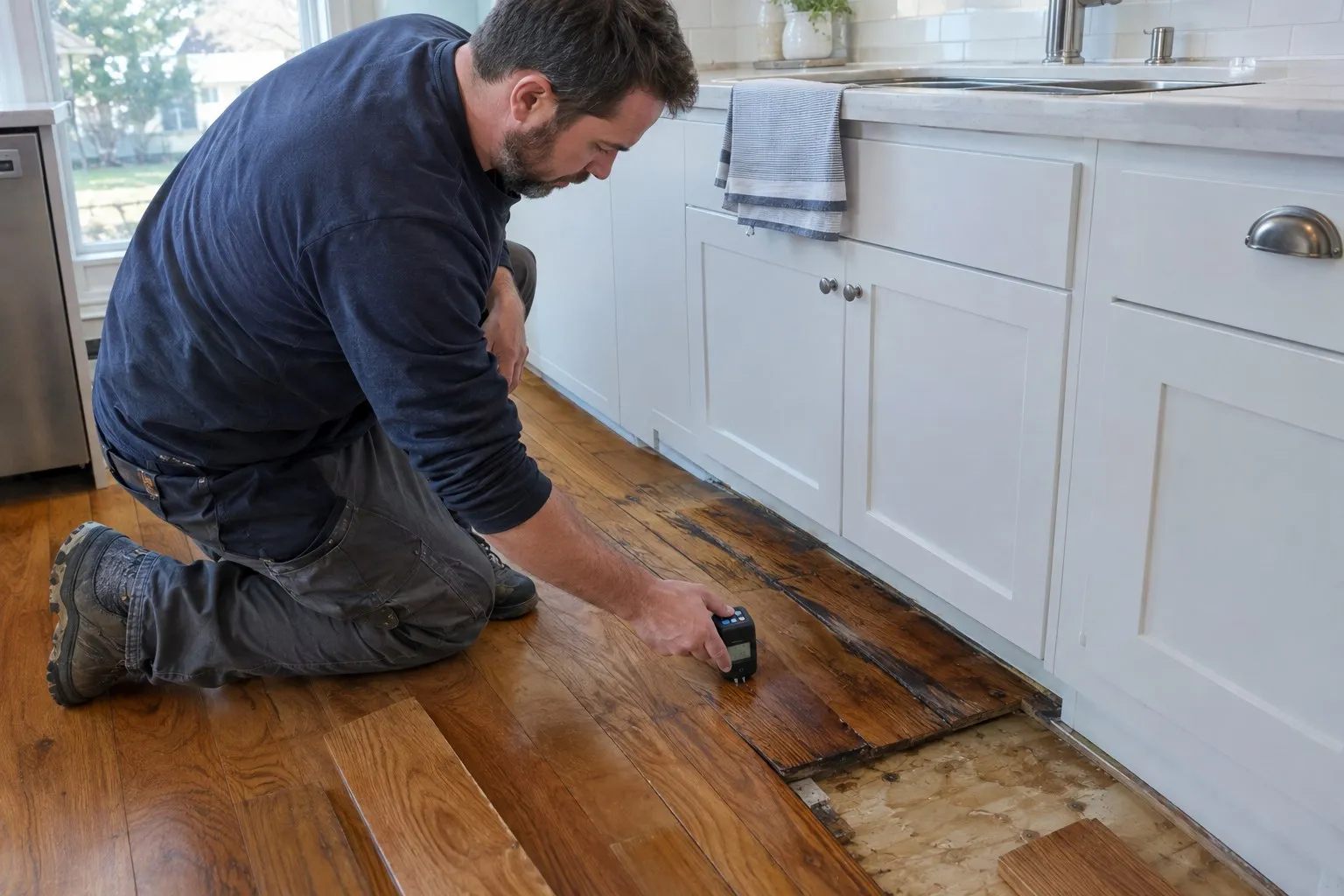
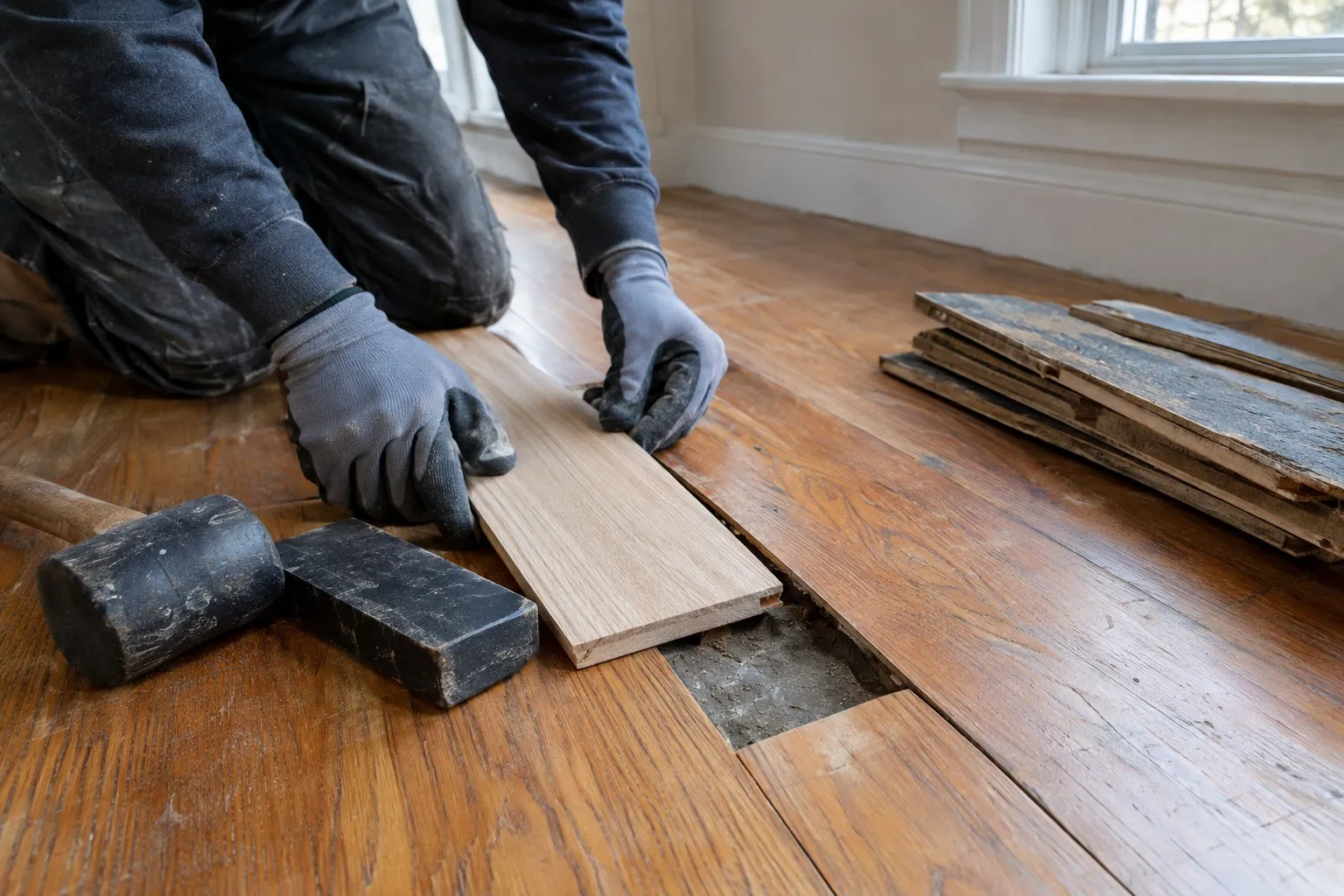

Match Ancram repair boards to the floor's dimensions and construction. Check the milling and grain beside sound boards before ordering wood.

Find the water source before proposing an Ancram board repair. Once it has been addressed, measure moisture in your floor and the base.

Investigate Ancram squeaks and gaps before specifying a remedy. Check whether the movement is seasonal or tied to fasteners and support.

Keep the one-year Ancram repair workmanship terms alongside your patch boundary and details of the coating used on the boards.


 Get your Free In-Home Estimate
Mark the damage and identify any hearth edge or border you want to preserve. In an older house near the Ancramdale district, the replacement stock may need to be matched to a less common board width. Compare exposed profiles before deciding how far the patch must extend.
Show us where the old and newer rooms meet and explain when you first noticed the mark. Investigate the source and check the affected layers before deciding whether a board can stay. The assessment should distinguish staining, movement and support issues before defining the work.
An older floor may have mellowed in color near windows or changed through earlier refinishing. Show us the patch area in daylight and point out which boards are likely replacements. Check the species, cut and profile before approving a trial that shows how the repair will sit among them.
Point out the affected doorway or room, note how the condition changes and identify any hatch or cellar stair that gives access underneath. Those details can help the crew trace movement in a rural house without lifting more finished wood than the inspection calls for.
If the gap opens and closes with weather or is located where an older room meets an addition, describe what you have observed across the seasons. Compare the movement at neighboring boards and check whether the supporting parts are loose. The finding guides whether filler or a different repair makes sense.
The decision depends on depth, the board’s stability and the available wood above its joint. Ask the assessor to describe what remains after preparation and whether the final finish can be blended into the adjacent surface.
Describe how long the mark has been visible and any cleaning already attempted. Inspect how far the discoloration extends and whether the board has enough usable depth. Discuss the limits of color matching before choosing between local treatment and replacement.
It should describe the damage boundary, the proposed board profile and how finishing will end at surrounding surfaces. Ask how the crew will handle a hidden issue discovered once the damaged board is removed.







