Samples on Your Own Wood
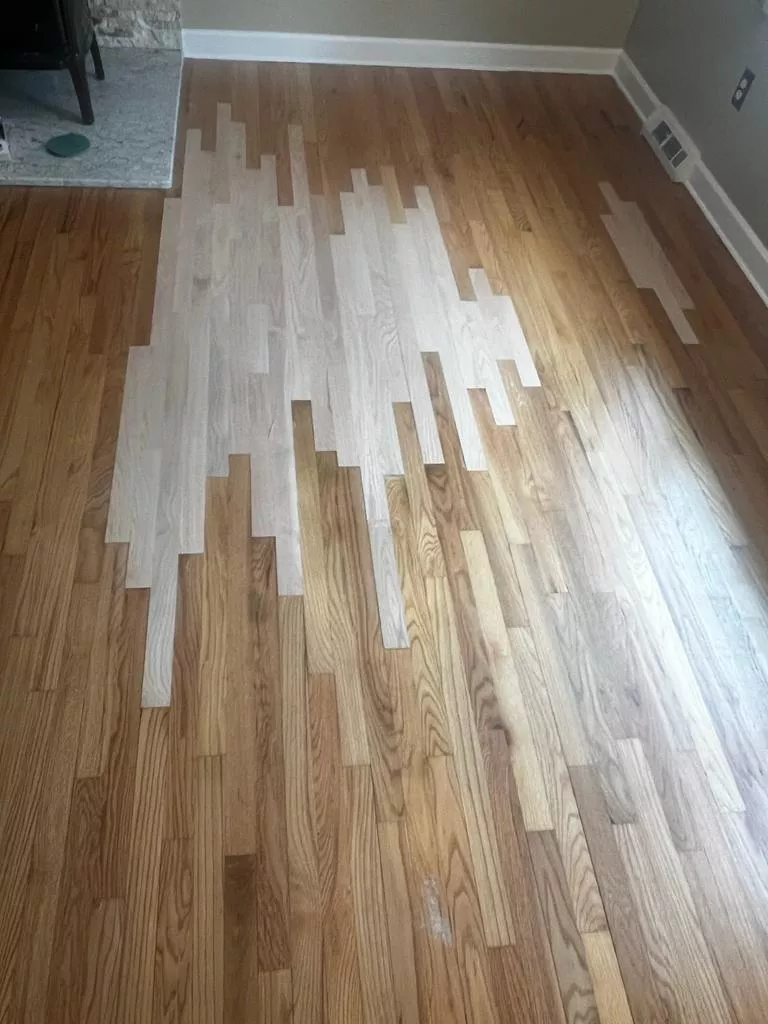
Testing on your Stony Point floor shows its absorption. Include repaired wood so the chosen color accounts for both surfaces.



Testing on your Stony Point floor shows its absorption. Include repaired wood so the chosen color accounts for both surfaces.

Fine-grit sanding prepares wood for your desired finish system. Record the Stony Point preparation sequence with its color trial.

Even preparation helps avoid blotches and overlap marks. Assess a Tomkins Cove test area before the desired stain is applied.

Retain Stony Point's one-year stain labor terms covering the scope. Save the agreed stain mixture and the protective finish record.


 Get your Free In-Home Estimate
The town's historic-resource inventory identifies older homes with interiors that may retain materials from several periods. View stain trials on the actual floor beside the doors, trim and adjoining boards being kept. Include repaired areas and the intended protective coat. That comparison lets the homeowner choose a relationship with existing materials rather than rely on a color name alone.
The waterfront survey records older Stony Point houses adapted to several dwellings. Identify the unit receiving stain and who can approve the work, then mark a trial area on that floor. Keep the accepted mixture and coating record with the unit's scope. A sample approved in another dwelling may respond differently to species, past treatments or preparation.
Tomkins Cove is described as predominantly detached housing in the earlier local survey. Use your home's layout to establish the rooms being prepared, the floors retained and the route occupants will use during work. Compare the proposed color at each connection and agree the coating boundary. A staged plan also needs drying and room-use guidance for the chosen finish.
The local waterfront study documents residential slopes in Tomkins Cove. Provide the property's real unloading point and equipment path, including steps, before planning full floor preparation. A small sampling visit and a sanding visit may have different handling needs. Confirm those arrangements separately so the final color work has suitable access from the outset.
Jones Point is identified in the town's municipal geography separately from Tomkins Cove. Record the complete location and the room where each sample was approved, particularly for owners working on more than one home. A stain recipe is only part of the result; the wood and preparation also matter. Accurate site records prevent one floor's approval being mistaken for another's.
Provide the reference surface and test candidate mixtures on the wood being treated. Compare them with the planned protective finish and record the approved proportions and preparation. The aim is an agreed visual relationship; species and aging can prevent an exact match even when the same named stain is used.
Compare prepared-board trials that address the underlying warmth and include the intended topcoat. Review the resulting color beside retained materials under normal lighting. Approve the actual sample and mixture rather than assume a gray or neutral label produces the same effect on every red oak floor.
Test the tread material separately and compare it with the landing samples. The wood, age and preparation can differ, so one formula may not produce the same appearance on both. Agree the intended relationship and retain each approved mixture with the relevant surface's scope.