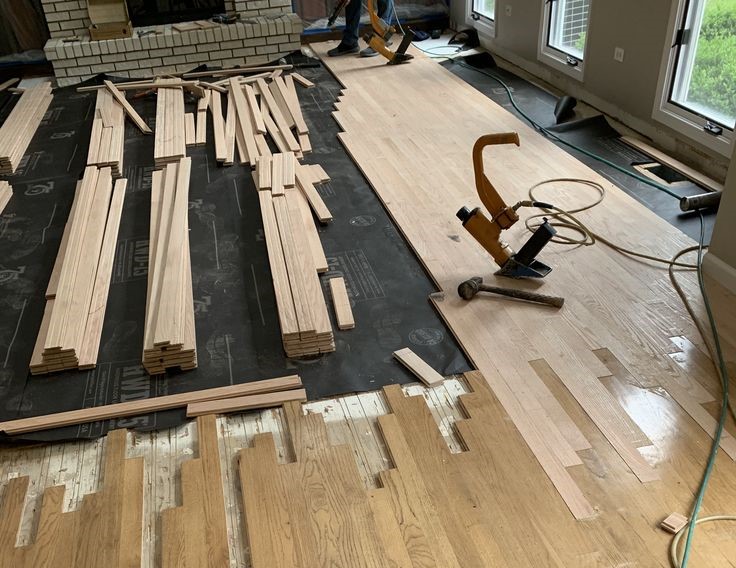
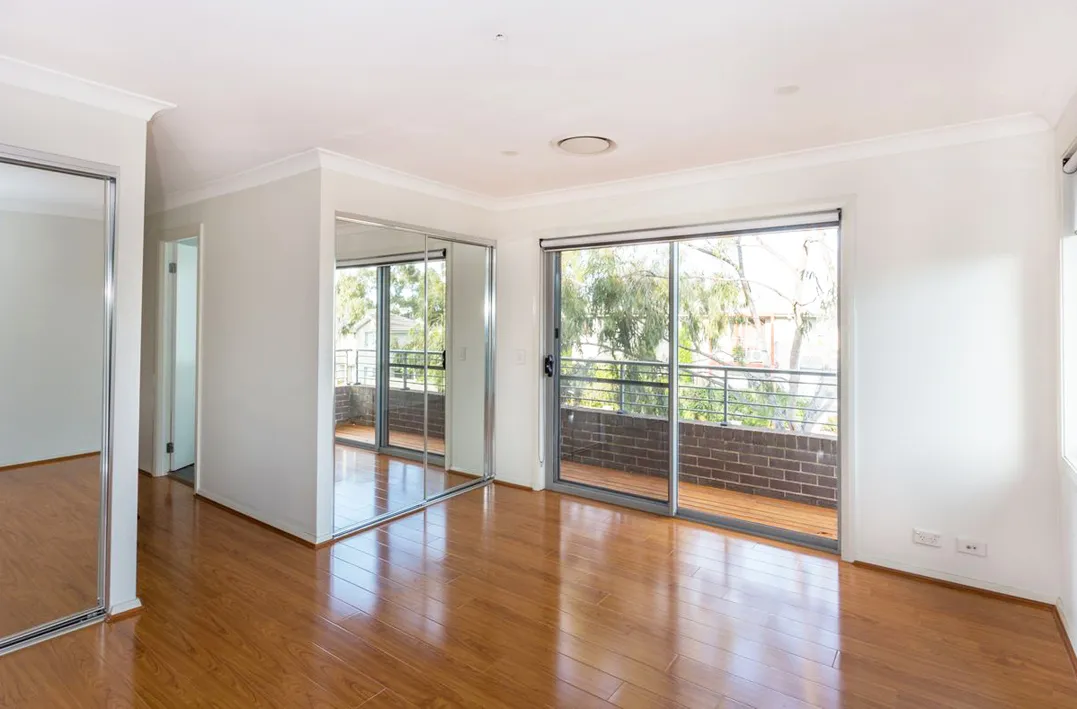
Dustless Floor Refinishing
Dust collection helps contain sanding residue. Set protection and cleanup for the Stony Point rooms, covering the equipment's entry route.



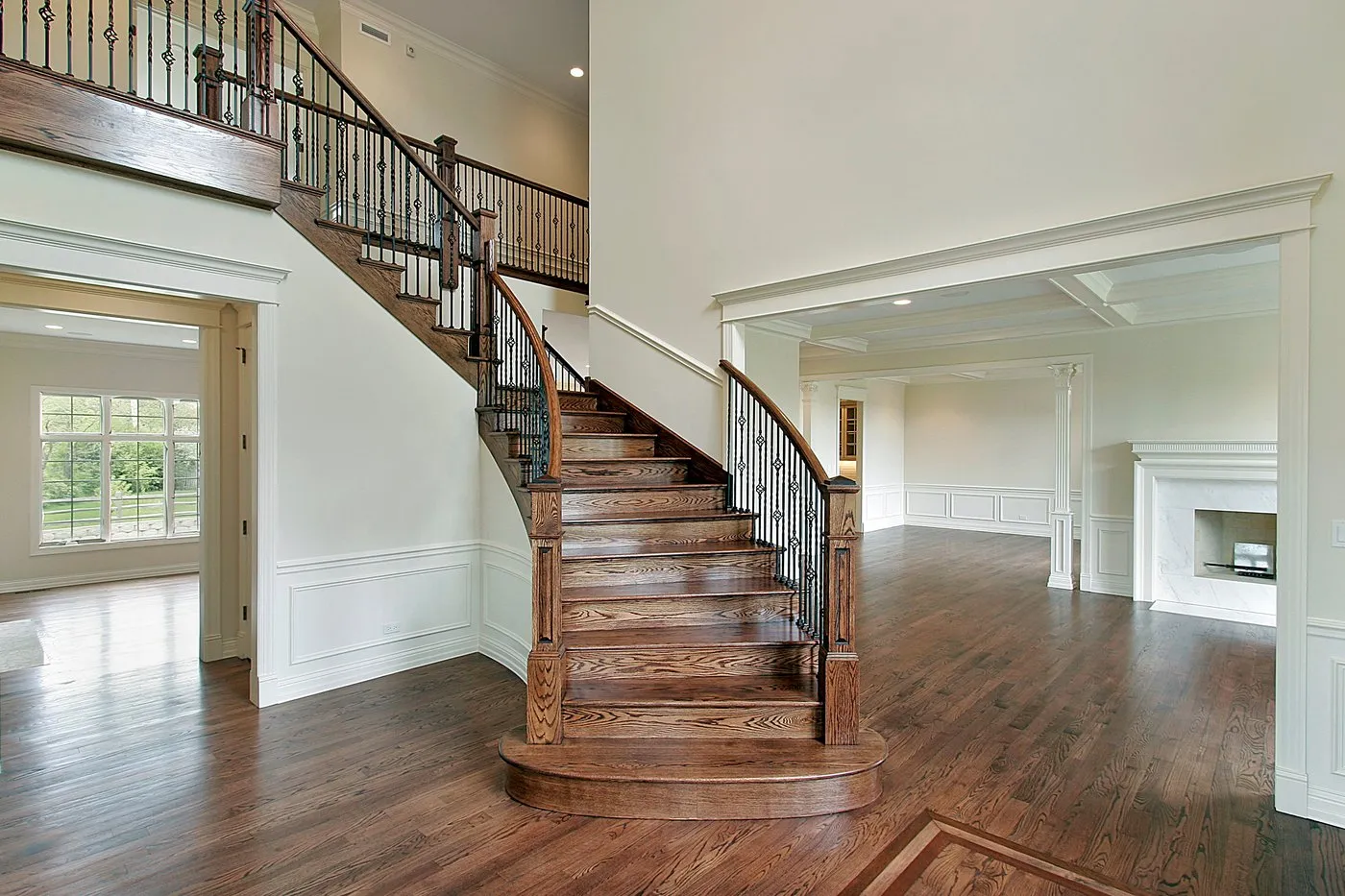
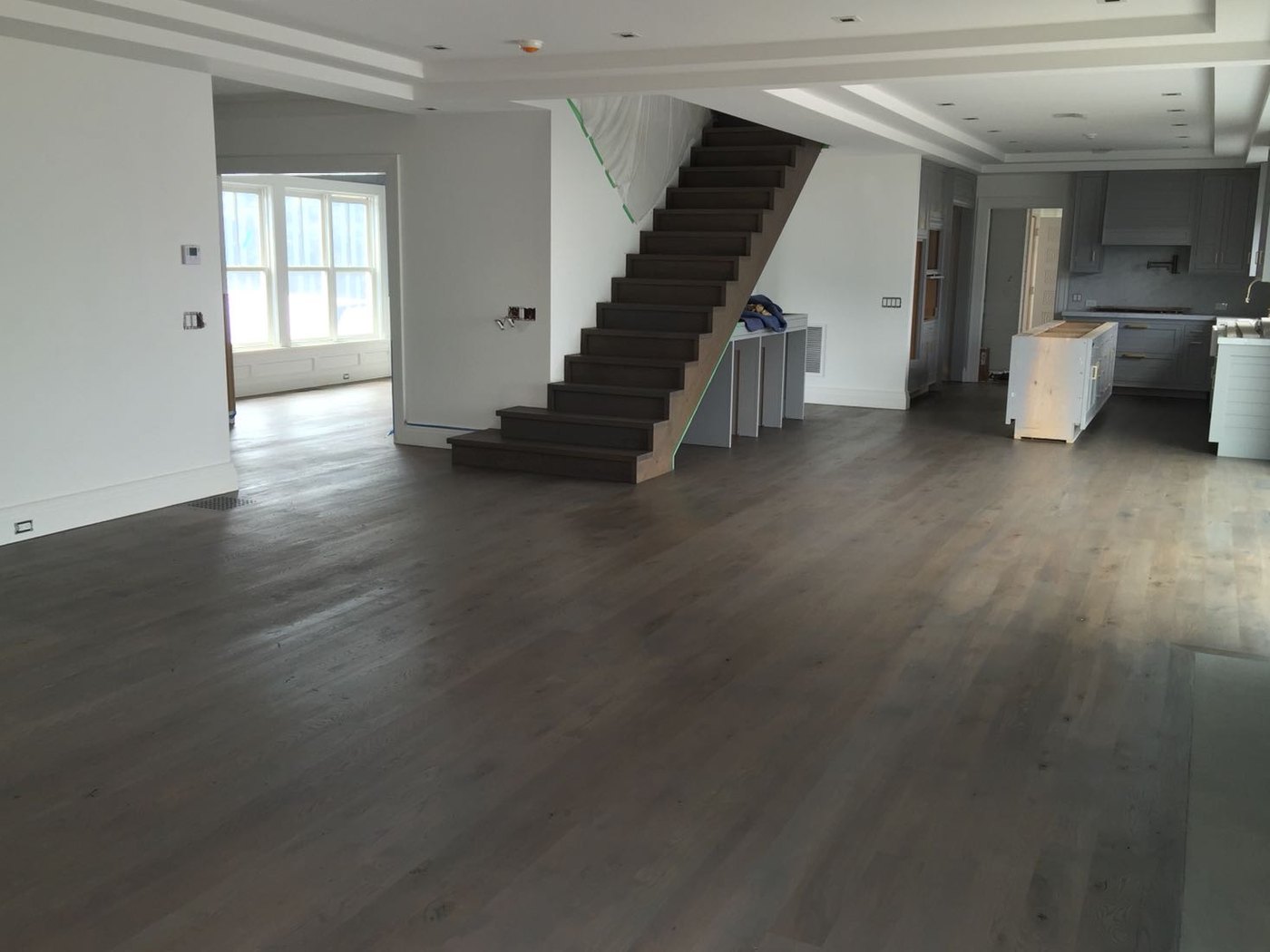

Dust collection helps contain sanding residue. Set protection and cleanup for the Stony Point rooms, covering the equipment's entry route.

Three-to-five-day refinishing timing needs a full scope review. Repairs and drying conditions determine the Stony Point work sequence.

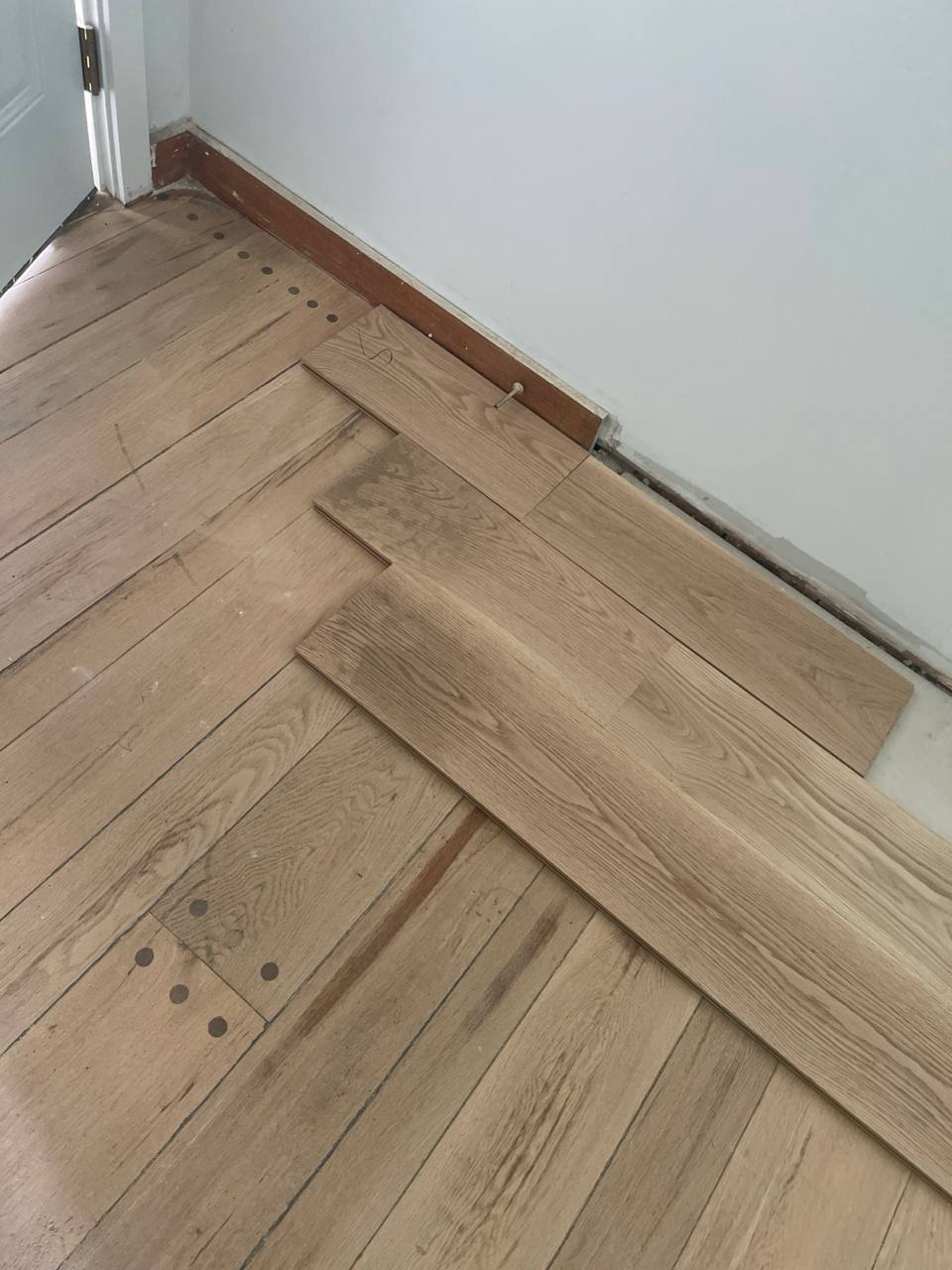
Repair weak or missing boards ahead of sanding. Review the Tomkins Cove patch dimensions and the proposed finish around it.

Keep the one-year refinishing warranty for Stony Point with the written labor scope, coating records and cleaning guidance.

A natural option uses the wood's own variation. Review a clear-coated trial with retained Stony Point trim.

Special Walnut should be sampled on the intended boards. Review the color once its chosen topcoat is on.
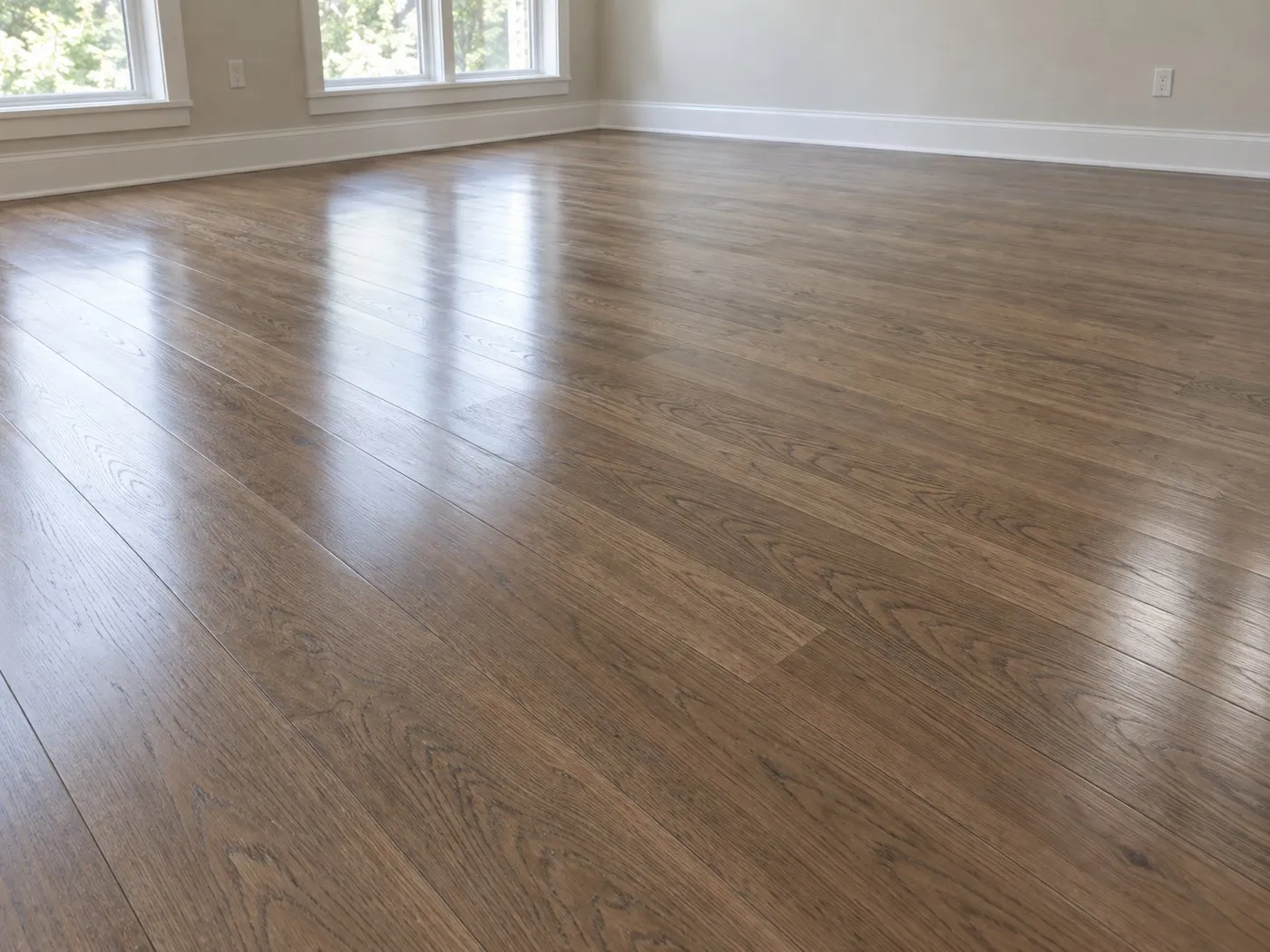
Provincial trials show how your wood absorbs the stain. Compare the patch under regular room lighting.

Early American needs your floor's species and preparation represented. Check its relationship to retained wood.

Dark Walnut can deepen a floor's tone while showing repair differences. Test old and new boards before approval.

Jacobean samples must include the finish sheen. Review the resulting dark tone in the Stony Point interior.

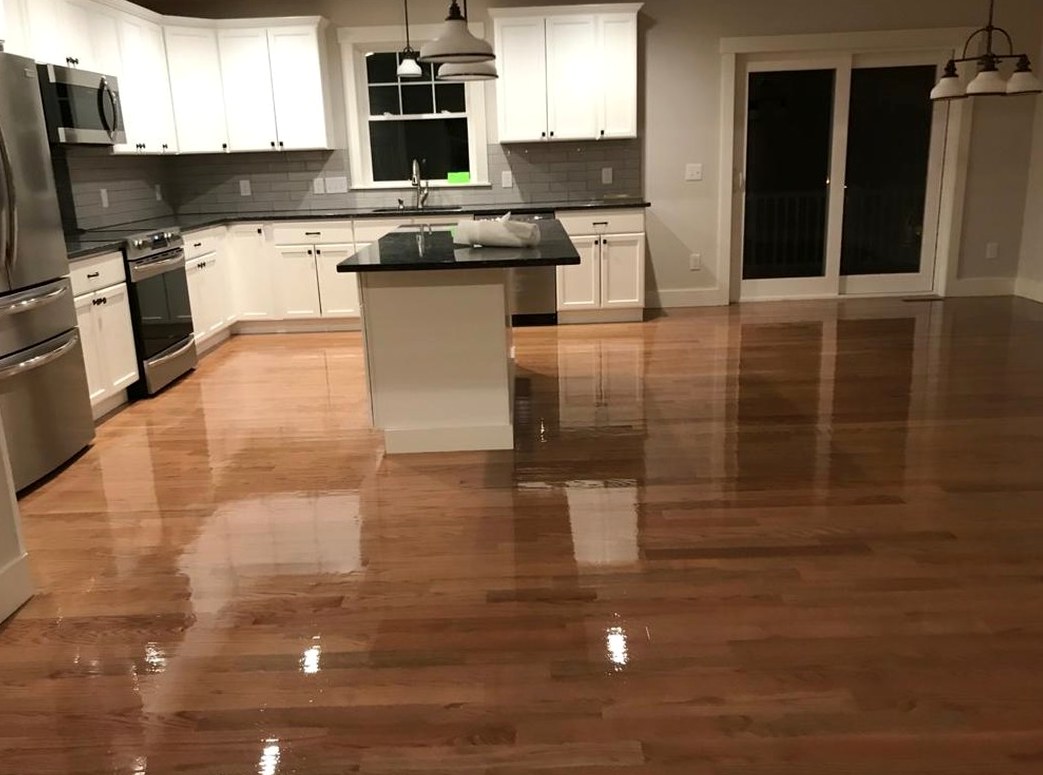
 Get your Free In-Home Estimate
The municipal historic inventory documents older homes, but the usable wood in any one floor must be inspected. Review previous sanding, irregular wear and repaired sections before promising another full sanding. If trim and adjoining floors will remain, include them in the color comparison and define the stopping point for the finish. Preserving useful material starts with that assessment.
Stony Point's waterfront study records houses adapted for multiple dwellings near the older center. Establish the actual unit and whether equipment must cross common areas, then agree on protection and work access with the responsible contact. The room-use plan should account for anyone relying on the route through the property while sanding and coating are underway.
The earlier waterfront survey describes Tomkins Cove as mainly detached housing. For the actual home, trace access to sleeping areas, cooking space and exits before discussing a room sequence. Continued occupancy depends on the surfaces being treated and the coating instructions, not simply the house type. Agree any temporary arrangements before setting work dates.
The town's waterfront documentation includes sloping residential land around Tomkins Cove. At your address, identify vehicle access, exterior steps and the route into the rooms being sanded. Include surface protection and equipment handling in the proposal. These checks are specific to the building and should be completed before the restoration schedule is finalized.
Stony Point's municipal geography includes both Jones Point and Tomkins Cove. Label floor-history notes and photographs with the complete property location, especially when several homes are being reviewed. Prior sanding or damage described at one site should not be carried into another estimate. The visit then checks the actual boards, room connections and available entry.
They are related but serve different purposes. Stain changes the prepared wood's color; the protective coating establishes the specified surface and sheen. Review a trial showing the intended sequence, and retain the approved products in the written scope. A color chosen from an uncoated patch may look different after finishing.
Repair needs, room area, preparation and the selected coating's drying conditions can alter the sequence. Discuss when workers need access and when the homeowner can resume each use. Completion of the coating work and permission to return furniture or rugs should be explained separately using the applicable product guidance.
No. Collection helps reduce sanding residue, while barriers, belongings and adjoining surfaces still require a plan. Review equipment travel and cleanup with the scope. A dustless service description should not be read as an assurance that every fine particle is captured or that occupied rooms need no preparation.