Samples on Your Own Wood
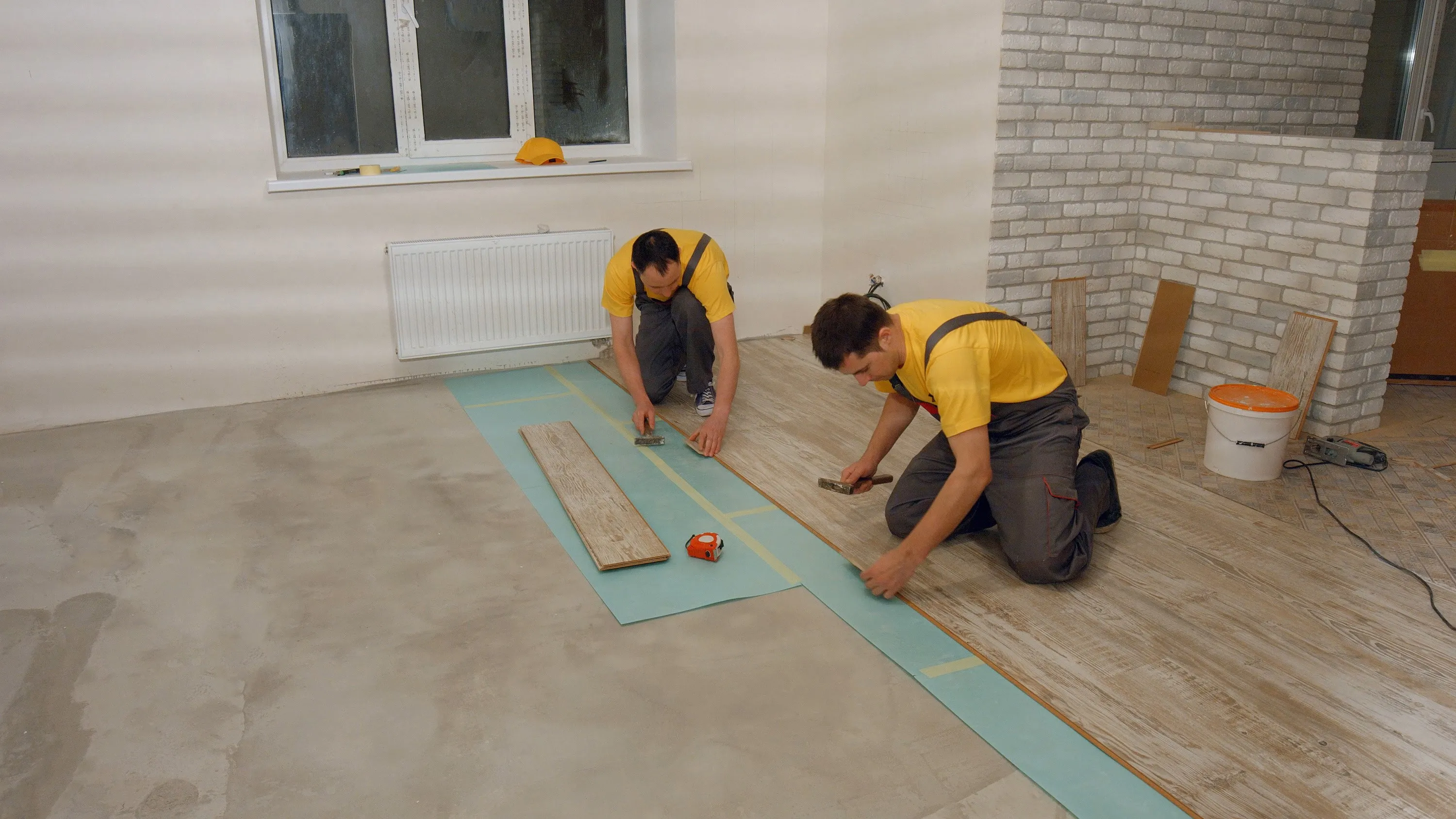
Sample areas show color on your wood, not a different board in a showroom. Compare them beside the trim you plan to keep.



Sample areas show color on your wood, not a different board in a showroom. Compare them beside the trim you plan to keep.

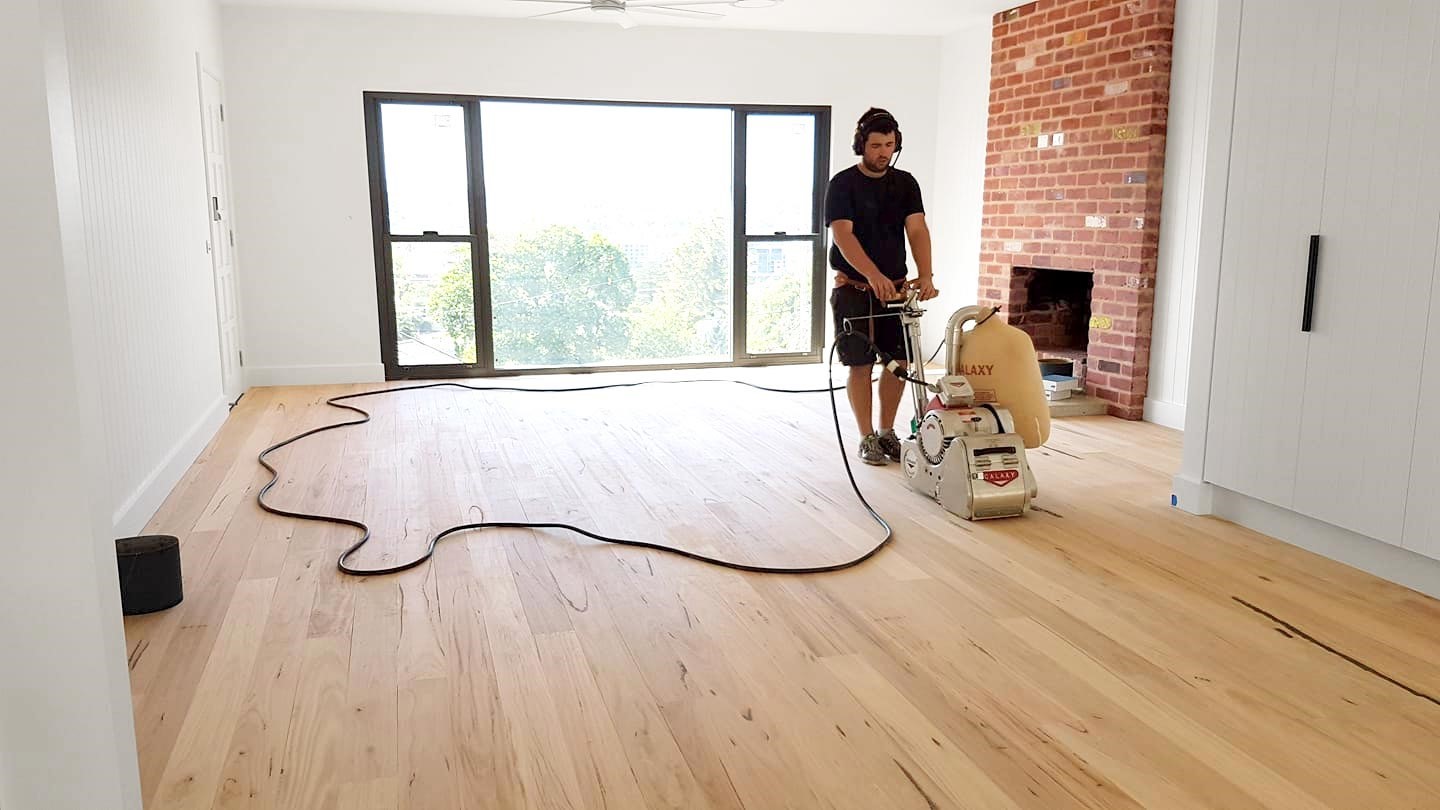
Existing coatings must be addressed before a color change. We check the wood and remaining thickness before planning the sanding.

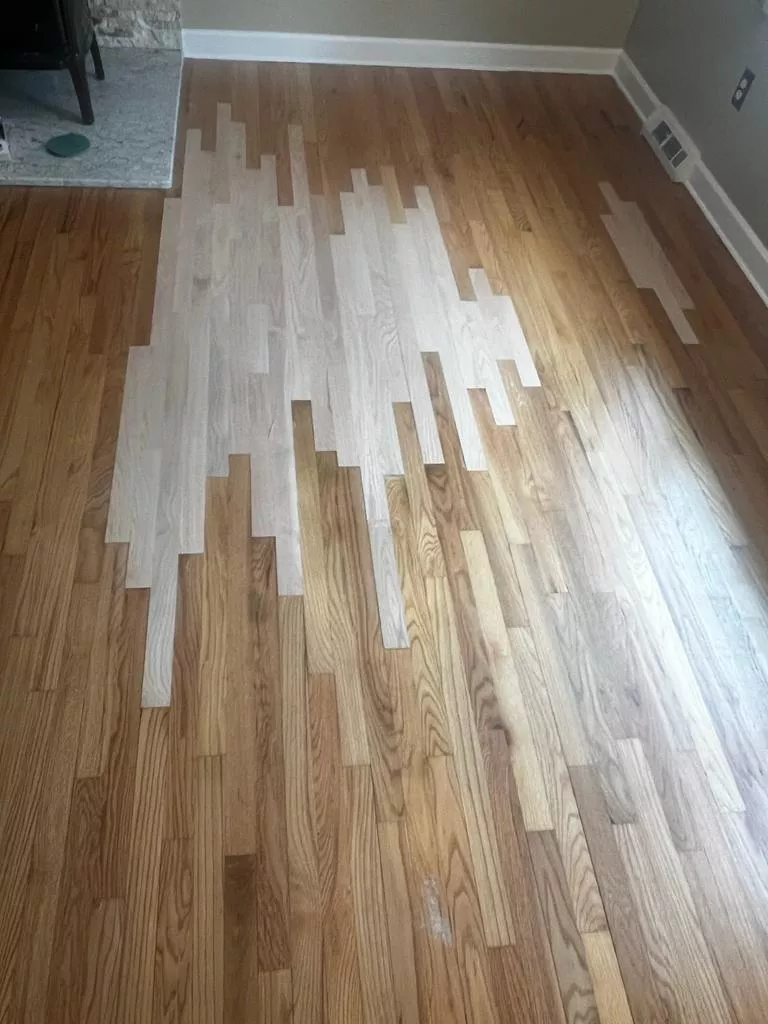
Preparation and application should follow the selected stain system. Absorption can vary between old boards and replacement pieces.

Written workmanship coverage applies to the agreed work. A stain changes color; the finish and ongoing care provide the specified surface protection.


 Get your Free In-Home Estimate
A conventional penetrating floor stain requires suitable preparation of the wood. We inspect the existing surface before proposing a color change.
Not exactly in every case. Species, grain, preparation, lighting and topcoat influence how a color appears in your room.
Stain can adjust color but does not change the wood species or grain. Samples show what is realistic for your floor.
Not necessarily. Deep stains and damaged boards may still show and should be assessed before color selection.
We compare samples and discuss the remaining variation. New wood and old boards can absorb the same product differently.
Stain is primarily a color treatment. Use the specified finish system and clean spills promptly according to the floor-care instructions.
The estimate identifies the surfaces and work included. Stairs, landings, repairs and room floors may be separate line items.
Consider the room and hall together, including retained trim. Review sample areas under your usual lighting before approving the final choice.