Boards Matched to Yours
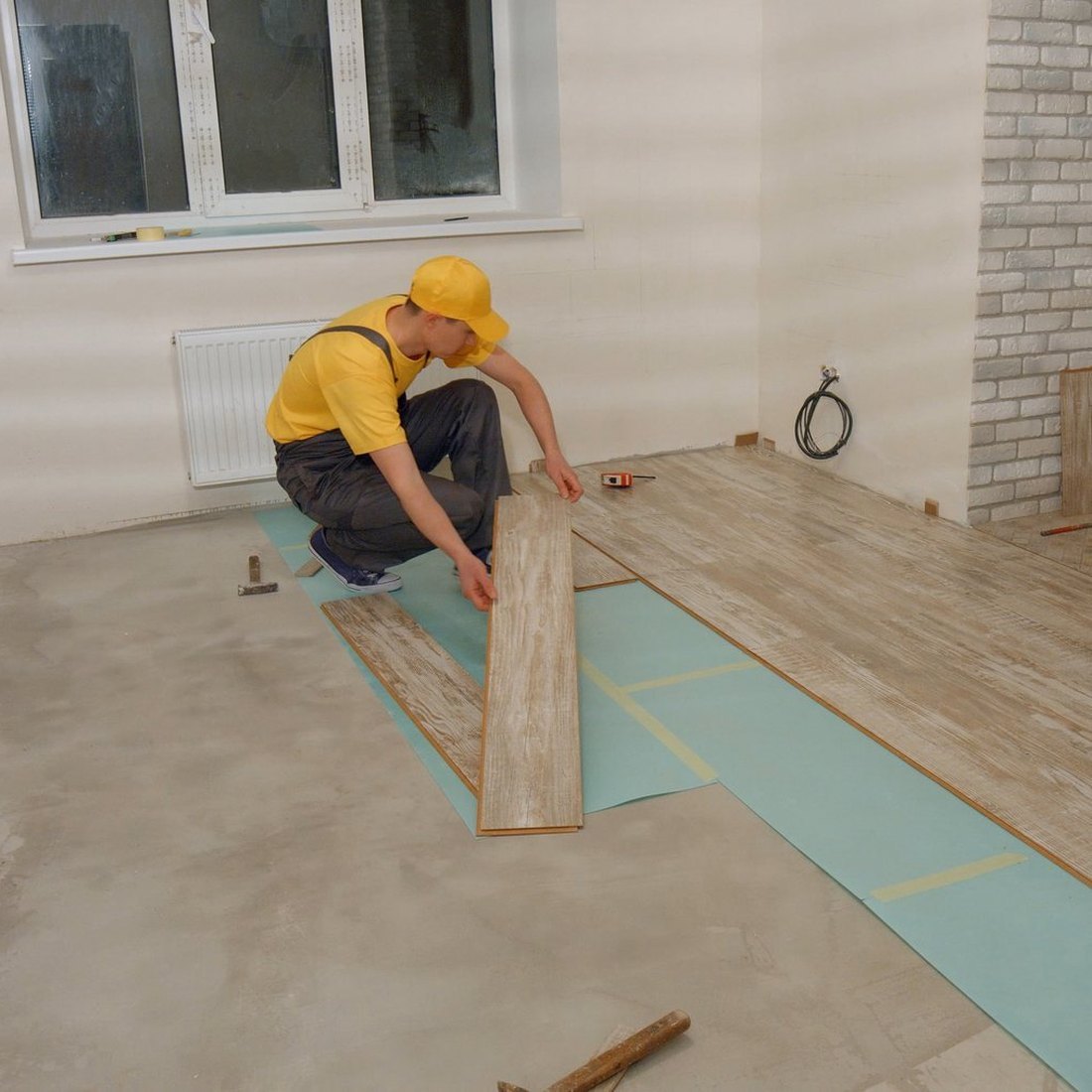
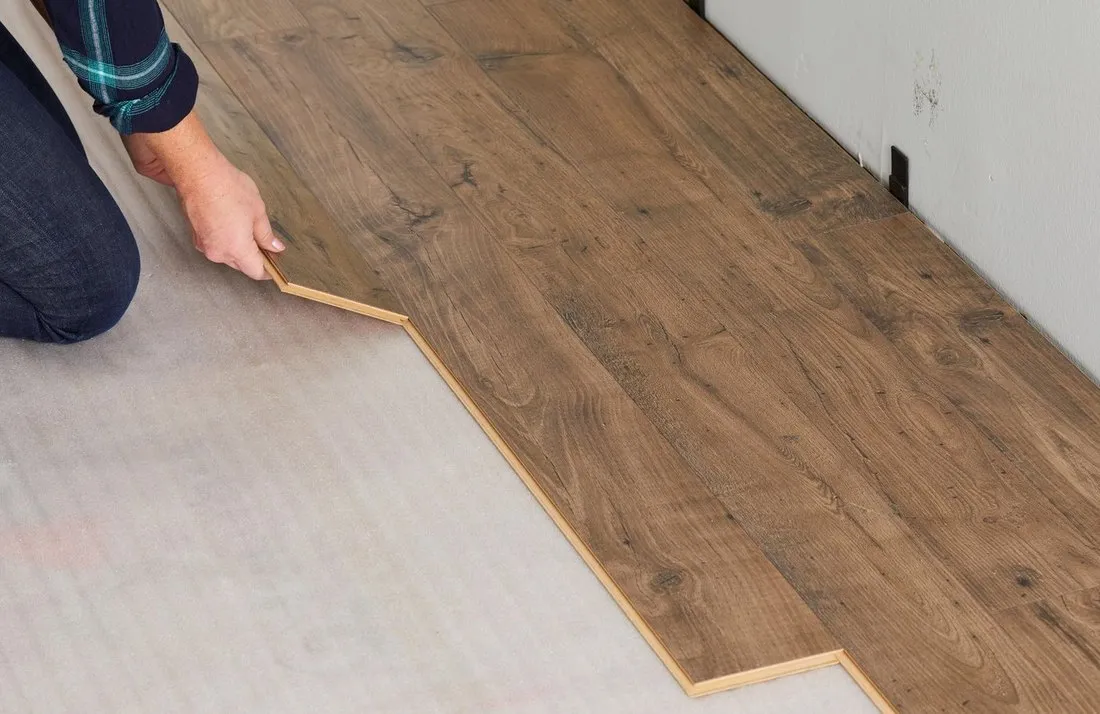
We compare the existing wood, board width and profile before sourcing a repair. New material may retain a visible difference after finishing.



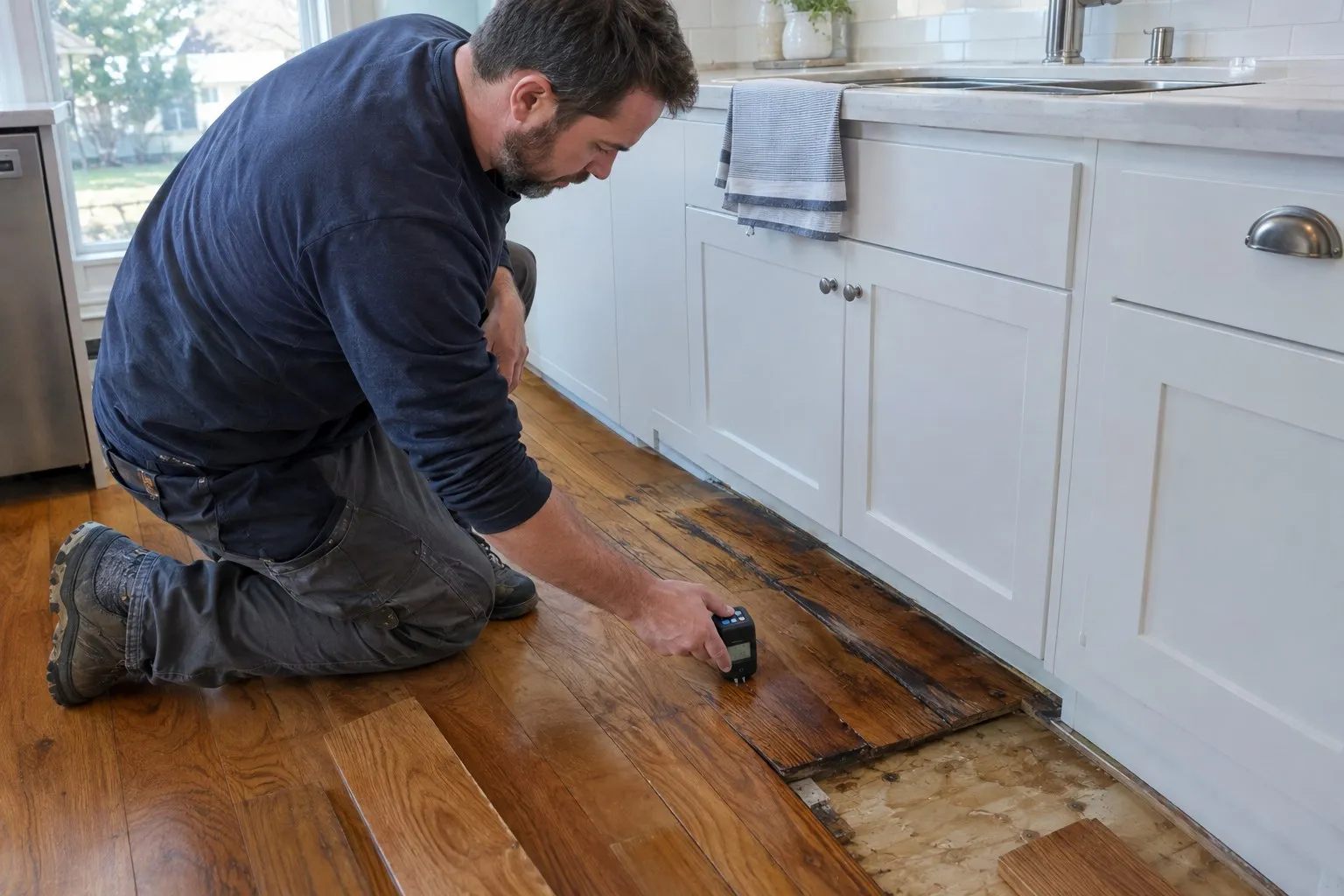
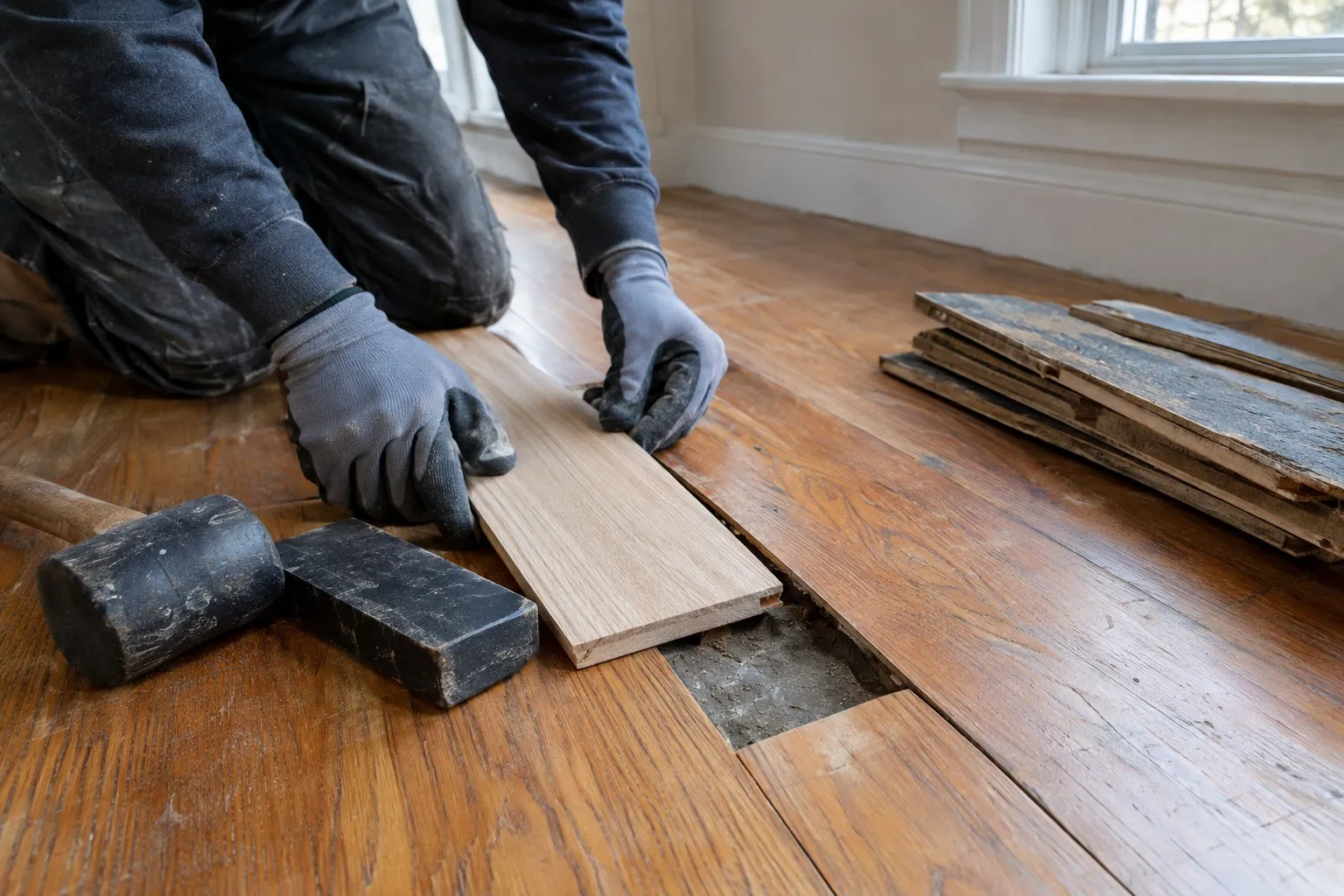

We compare the existing wood, board width and profile before sourcing a repair. New material may retain a visible difference after finishing.

Tell us when the damage began and whether water is still present. Moisture-related repairs should follow correction of the source.

Squeaks and movement need diagnosis. The right repair depends on the fastening, subfloor and seasonal conditions rather than filling every gap.

Our one-year workmanship coverage applies under the written warranty. Existing damage and maintenance issues are evaluated separately.


 Get your Free In-Home Estimate
Sometimes. The extent of the damage, board construction and availability of matching wood determine whether a localized repair is practical.
An exact match cannot be promised. Age, grain, light exposure and finish can make new boards look different even after careful blending.
First address the source and assess moisture conditions. The repair plan depends on the damage and how the floor stabilizes.
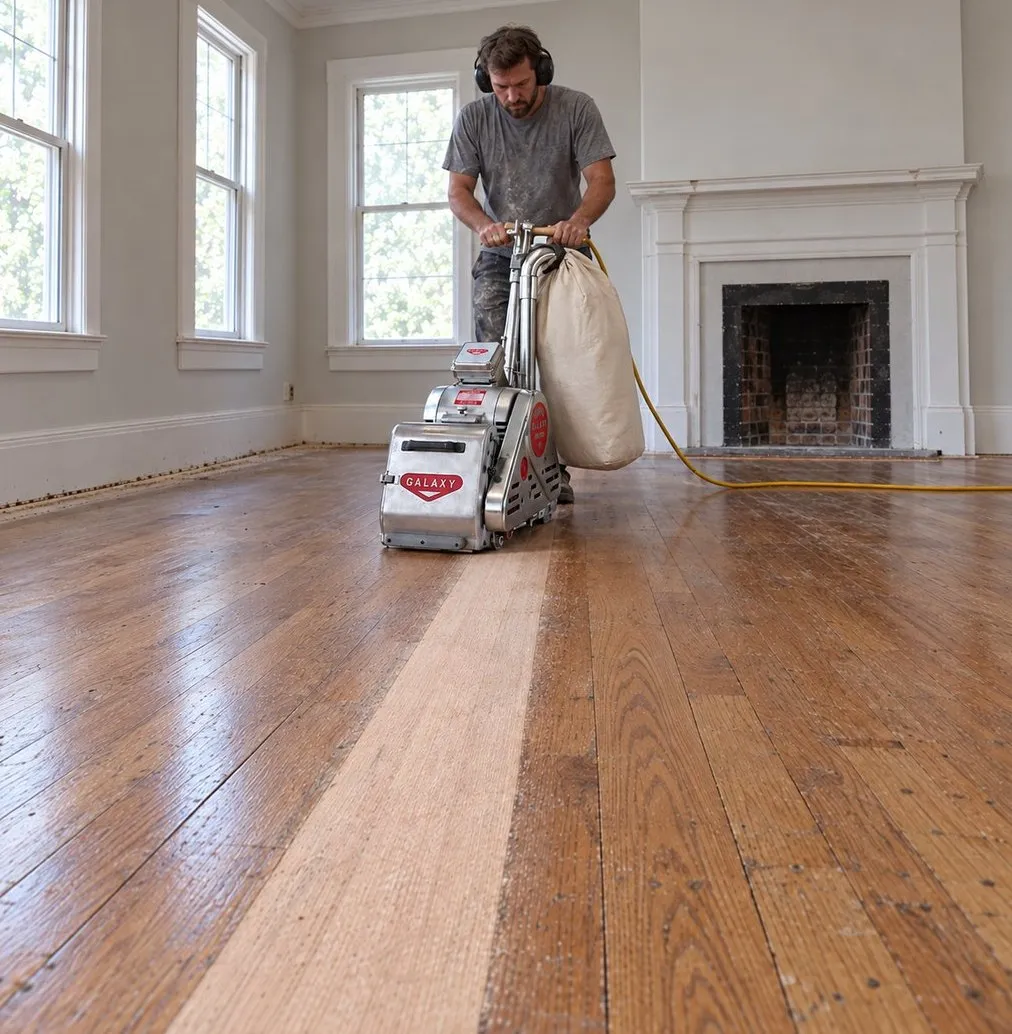
Some marks remain below the sandable surface. We inspect before deciding whether sanding or board replacement is appropriate.
No. Local movement or fastening issues may be repairable, though some causes are beneath the finished floor and need further assessment.
We distinguish stable damage from seasonal movement before selecting a filler or repair. Not every gap should be filled permanently.
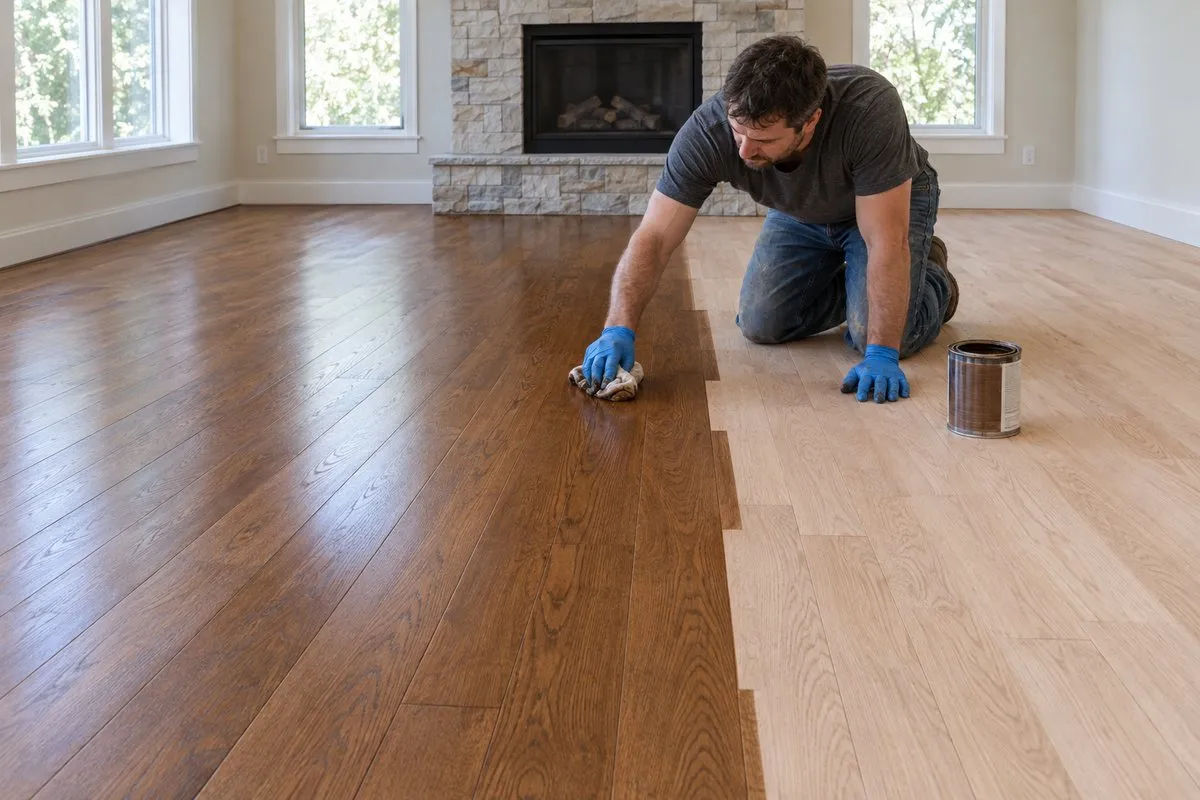
A larger refinishing area may blend a repair better than spot coating. We explain the options and their appearance before quoting.
Provide clear photos, the approximate area and what caused the damage if known. Tell us about active leaks and any building access rules.