
Boards Matched to Yours
Match the replacement wood to the old floor’s width, milling and thickness. Confirm it with sound boards and check how the finish will meet.



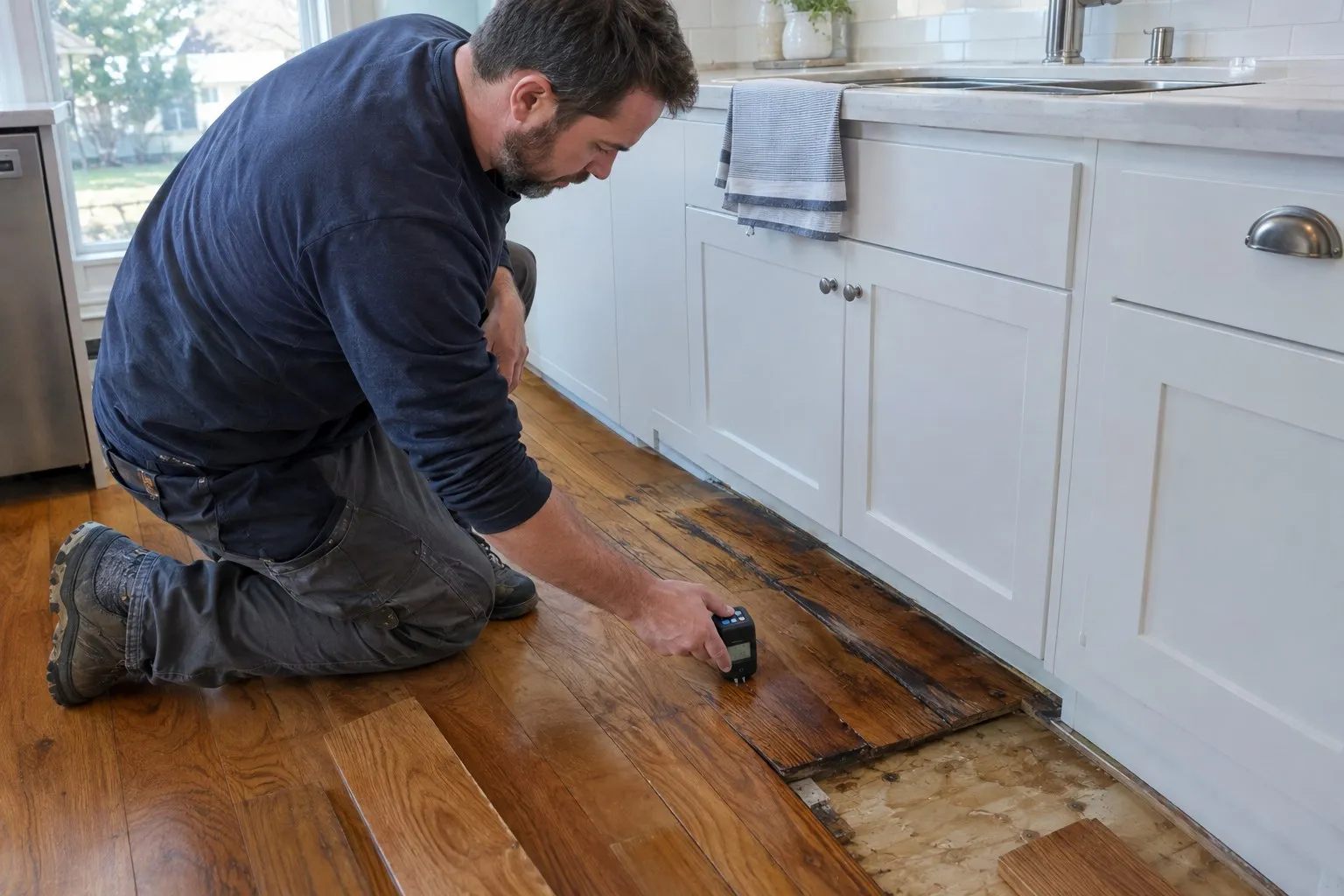
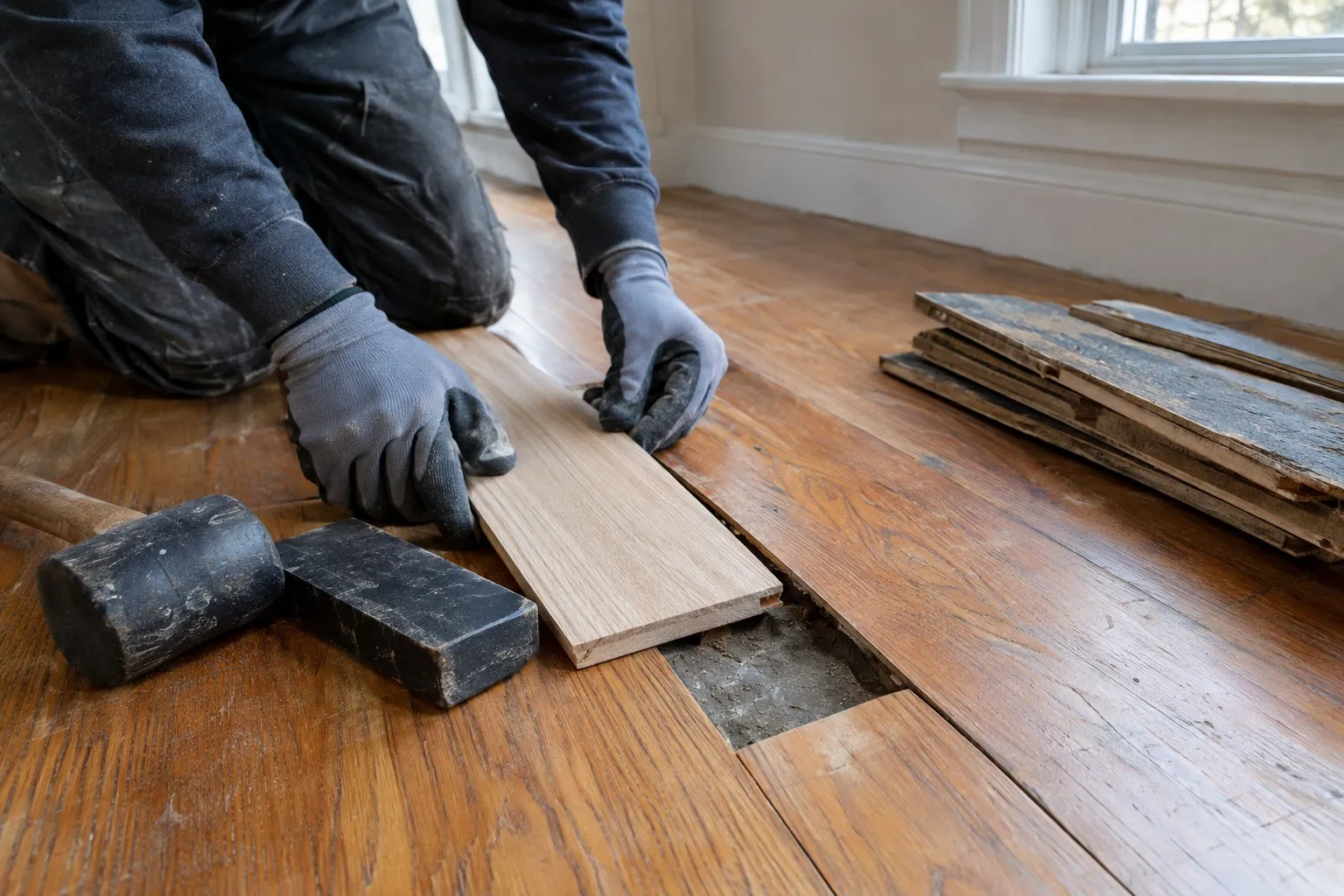

Match the replacement wood to the old floor’s width, milling and thickness. Confirm it with sound boards and check how the finish will meet.

Van Nest moisture repair starts with the source and affected assembly. Look at appropriate conditions before replacing affected boards.

Investigate Van Nest squeaks and gaps before choosing a remedy. Check whether the movement is seasonal or tied to fasteners and support.

Keep the one-year Van Nest repair workmanship terms beside your patch boundary and details of the coating used on your boards.


 Get your Free In-Home Estimate
Mark where the board moves and where it meets an earlier patch. Look for access to the support without opening sound flooring before selecting the repair boundary.
Inspect the loose strips around the casing and see whether the bed is intact past the opening. Match the strip dimensions before lifting pieces next to the retained floor.
Confirm the source is corrected and check moisture in the boards and beneath them. Decide whether the old wood can be treated after the area has stabilized.
Show which pieces must remain and photograph their edges. Try a sample on matching stock to see whether the patch can meet the border cleanly.
Point out the first split and identify whether movement continues into the hall. Ask the crew to show the proposed cut line and describe any repairs to the base.
See whether the gap changes during the year and check for movement under load. Inspect the board before selecting filler or a different repair.
Measure the milled profile, thickness and width of the original. Check that the new piece fits the surrounding tongue and groove before coating it.
Look for a natural stopping point like a doorway or edge. Compare a finished sample beside retained boards to judge whether the difference is acceptable.







