
Boards Matched to Yours
By Arthur Kill Road, inspect the species, dimensions and joint shape of a sound piece before choosing repair stock. Check the sound material too.



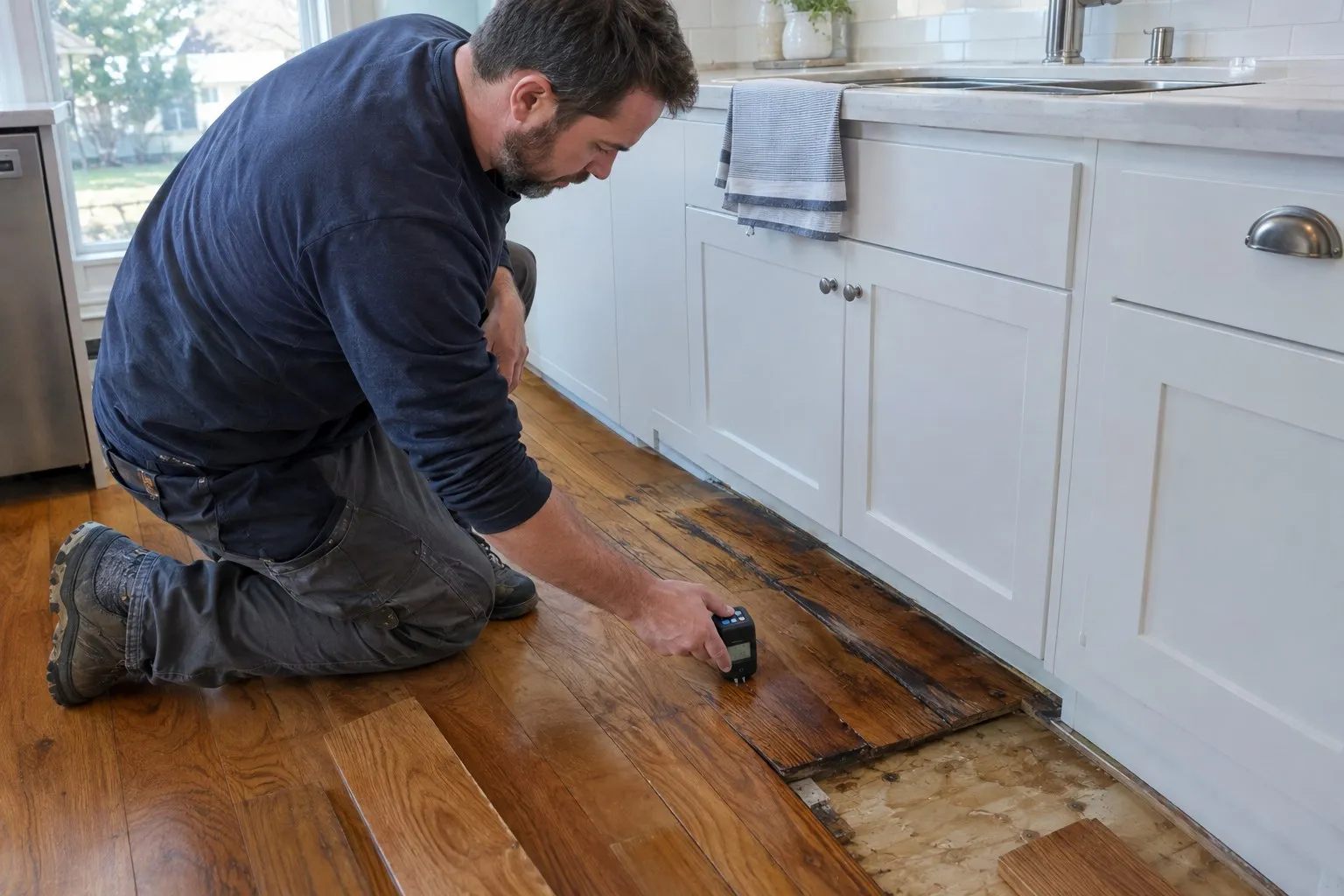
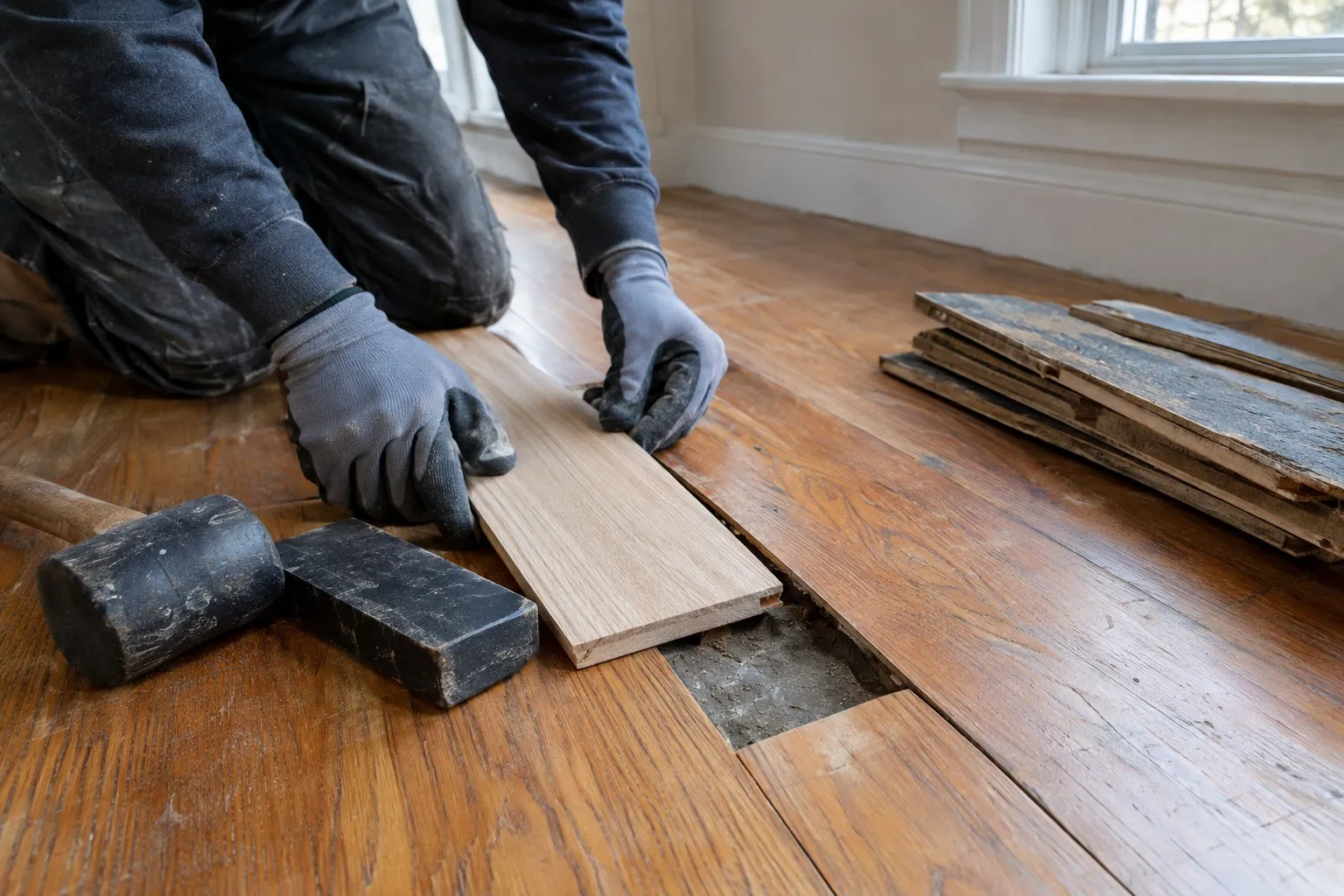

By Arthur Kill Road, inspect the species, dimensions and joint shape of a sound piece before choosing repair stock. Check the sound material too.

By Arthur Kill Road, check the source of moisture and give the surface time to stabilize before repairing damaged wood. Record what changed underneath.

For a Greenridge project, trace the location of movement or noise to separate a loose plank from a problem below. Mark the nearest seam.

For homes near Richmond Avenue, review the scope and workmanship terms for the area that will actually be repaired. File the care guide too.


 Get your Free In-Home Estimate
Watch the joints while someone walks across the affected spot. Inspect the base if the movement travels past the visible seam. Note the height at the door saddle at the garden entrance.
Near Richmond Avenue, compare species, thickness and edge profile with sound material nearby, then test the stain and finish.
Address the source and check the base and wood moisture before deciding which material must be replaced. Check whether a base that crosses a former partition needs work.
Near Richmond Avenue, check the depth of the mark and the surrounding finish. A small test helps determine whether a localized repair is practical.
Inspect across the opening so the repair ends at a stable edge, even when that point is beyond the visible mark. Photograph the entry near Arthur Kill Road.
Near Richmond Avenue, compare its width at different indoor conditions. Some gaps move enough that filling them could create other problems.
Check whether it affects only the finish or extends into the wood. That determines which repair methods are worth testing. Identify any retained trim in a house with an older stair landing.
Near Richmond Avenue, send close pictures of the damage and one wider view showing the nearby walls, doors and adjoining material.







