
Boards Matched to Yours
Match replacement wood by species, size and joint profile. Check available stock against retained boards before approving a repair material.



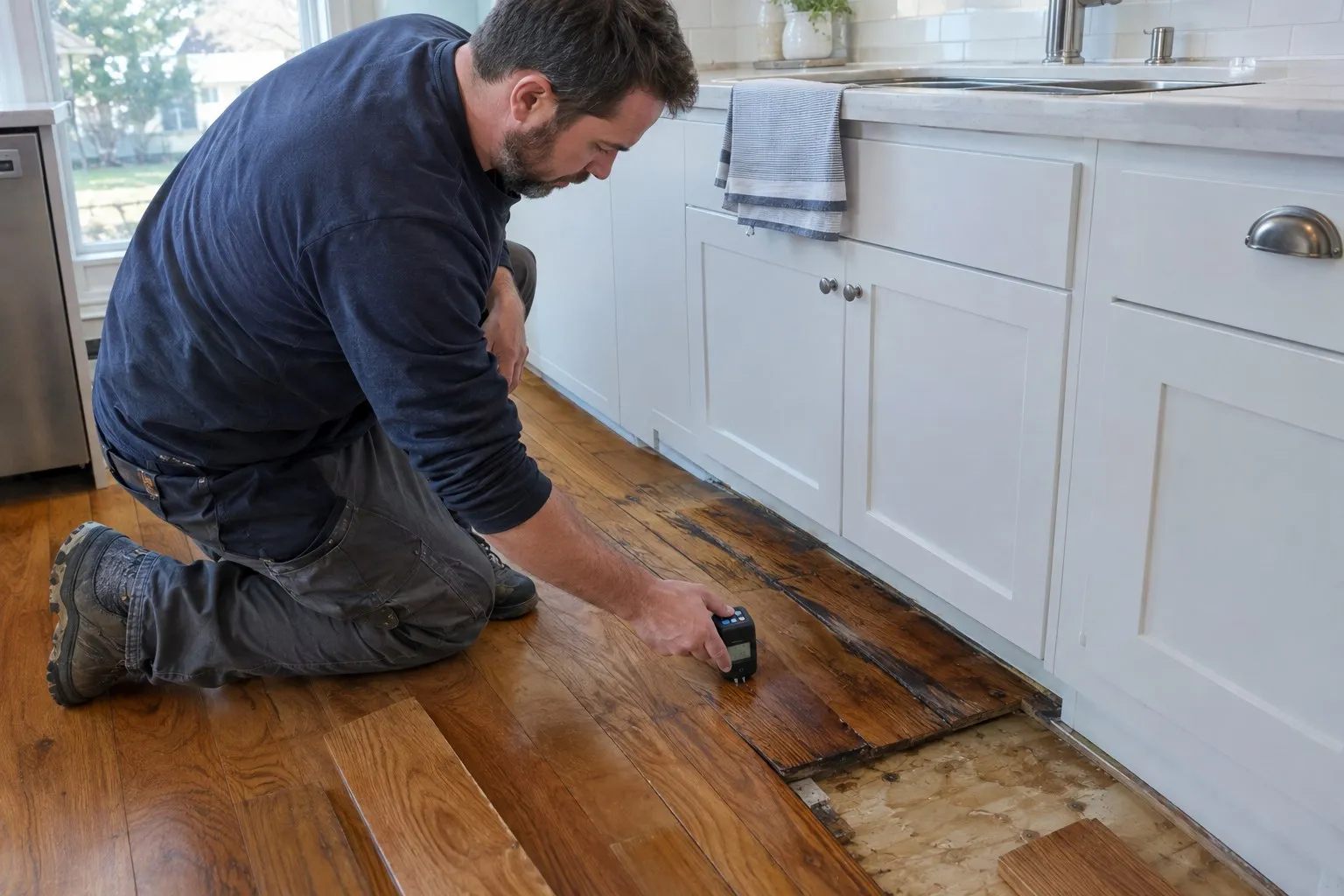
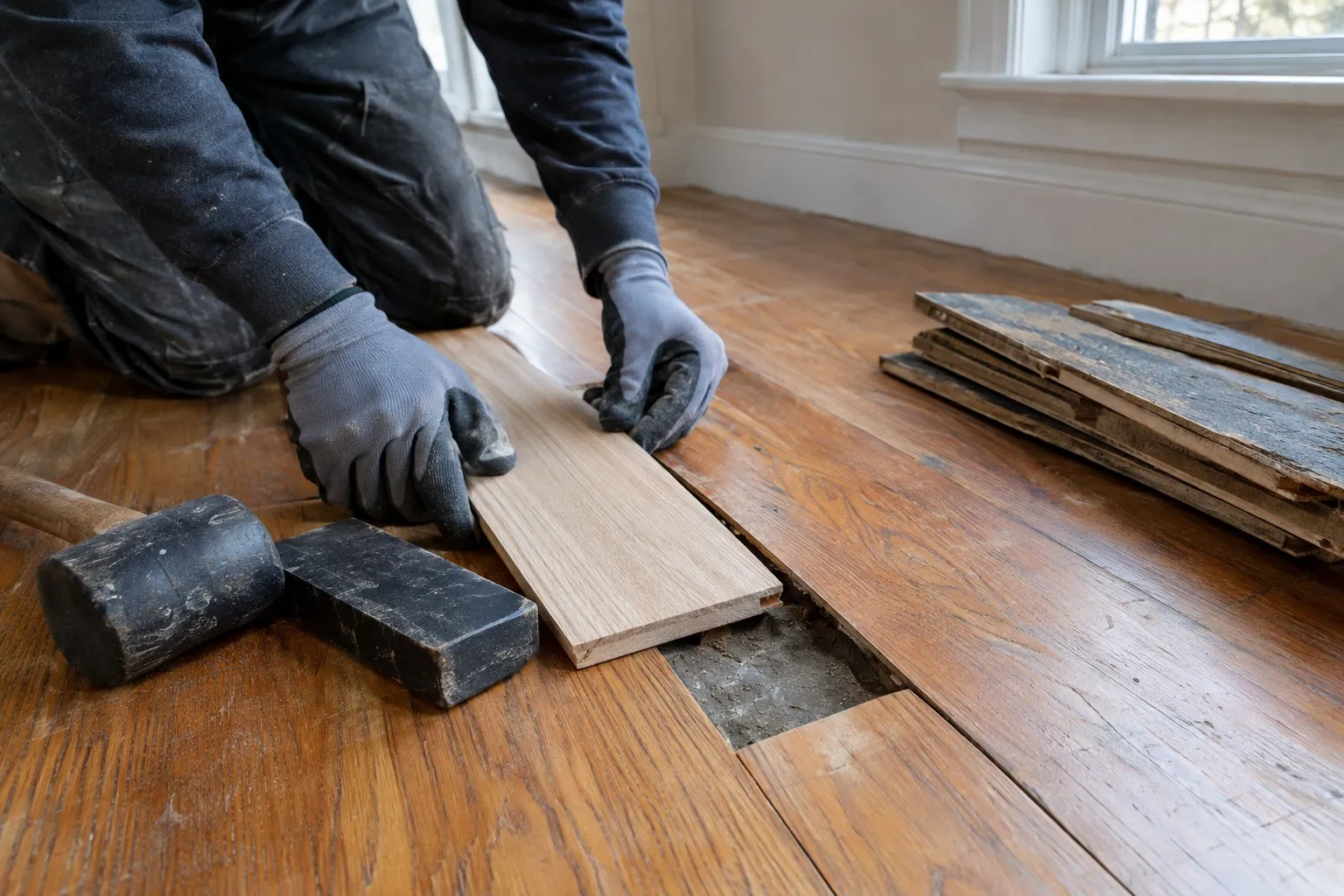

Match replacement wood by species, size and joint profile. Check available stock against retained boards before approving a repair material.

For moisture damage, locate the source and review the base. Review drying and remaining floorboard condition before closing the repair.

Squeaks and gaps need cause assessment. Examine fasteners, support and seasonal movement before selecting a floorboard repair or filler.

Keep repair coverage with the quote. Evaluate the defined one-year labor term, color limitations and finish-care instructions.


 Get your Free In-Home Estimate
Arden Heights is one of several neighborhoods inside ZIP 10312, where the city's housing guide describes a predominance of properties for one or two families. State the street, unit and affected room with the damage history. If the home has separate residences or entrances, identify the area involved. That keeps the inspection and any later material delivery tied to the actual repair location while photographs show whether the visible defect may involve boards, support or an adjoining stair.
If the Arden Heights property is within Village Greens, its residents association can clarify current arrangements affecting contractor entry and common areas. Describe any proposed equipment access, board delivery or removal staging and keep the confirmed directions with the repair plan. The inspection inside the home still determines the damaged material and cause. Separating those decisions helps the owner arrange access without assuming that a community rule diagnoses a floor defect or selects the replacement method.
NYC DOB gives resurfacing floors as a no-work-permit example, but a defect can lead to work on supporting members or changes around a staircase opening. Explain the construction portion independently when consulting DOB or the responsible professional about the complete project. The repair quote should identify the visible damaged boards, any supporting work and the coating boundary as distinct items. This allows the cause and approval questions to be addressed before replacement material closes the inspected area.
Professional construction waste cannot be placed with regular residential garbage under NYC Sanitation's guidance. Even for a localized repair, identify removed material and private disposal responsibility in the quote. Agree on the route out of the building and a holding location that does not obstruct occupied rooms or stairs. If a public street container is proposed, confirm that the carting company or contractor handles the applicable DOT permission before the damaged boards are lifted.
Investigate the timing of the gap and any change in width as conditions vary. Select filler or board work only after the cause and supporting floor are assessed.
Width, thickness and joint shape affect the fit with retained wood. Color similarity does not make incompatible stock suitable for a repair.
Identify and address the moisture source, assess the base and verify readiness for closure. Define which boards can remain before setting the replacement boundary.
Depth and usable wood limit that option. Inspect the affected boards and compare sanding with replacement before committing to a method.







