Dustless Floor Refinishing
During sanding, verify dust extraction, room protection and cleanup. Define the work area and household access before the machines arrive.



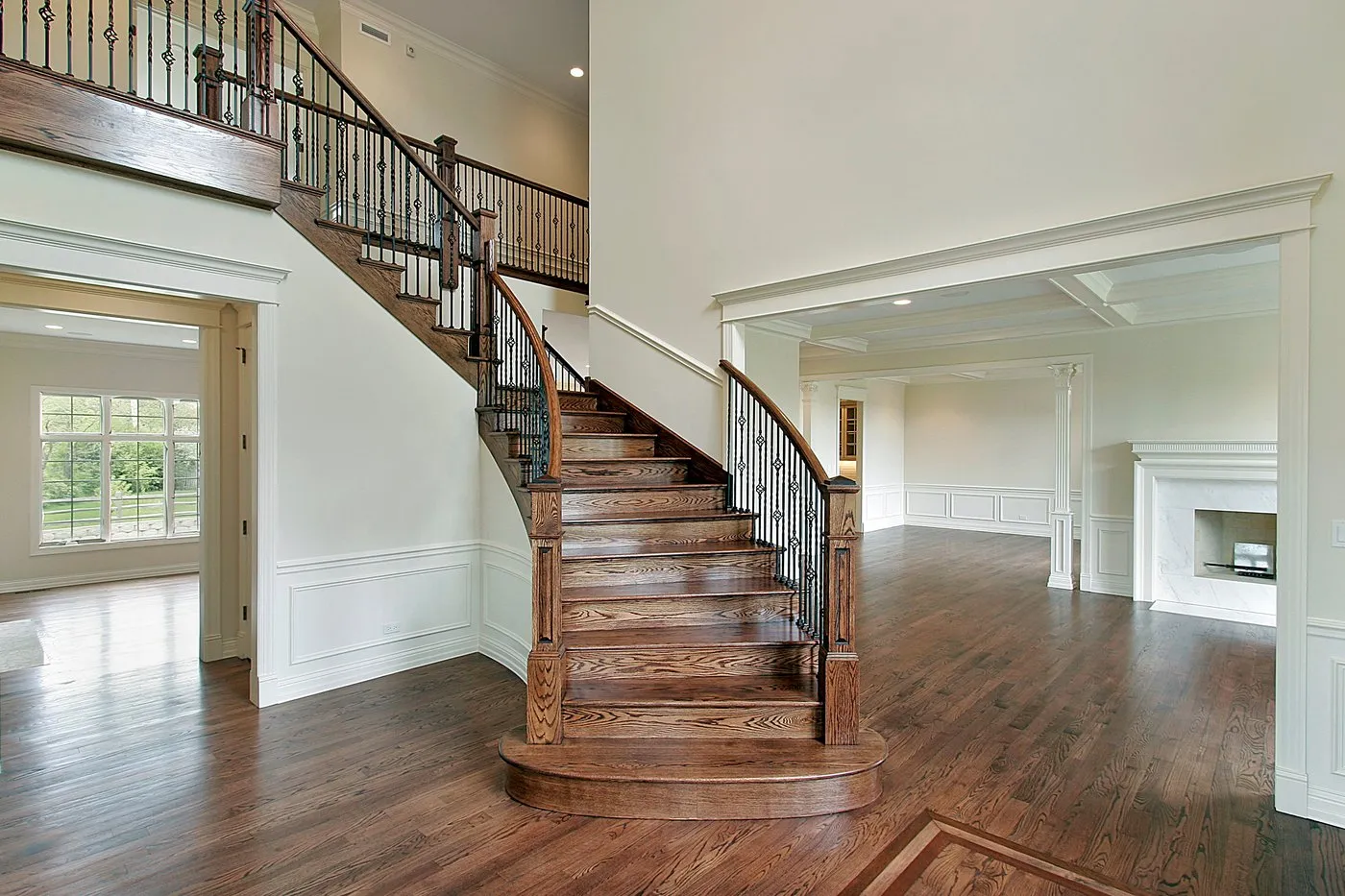
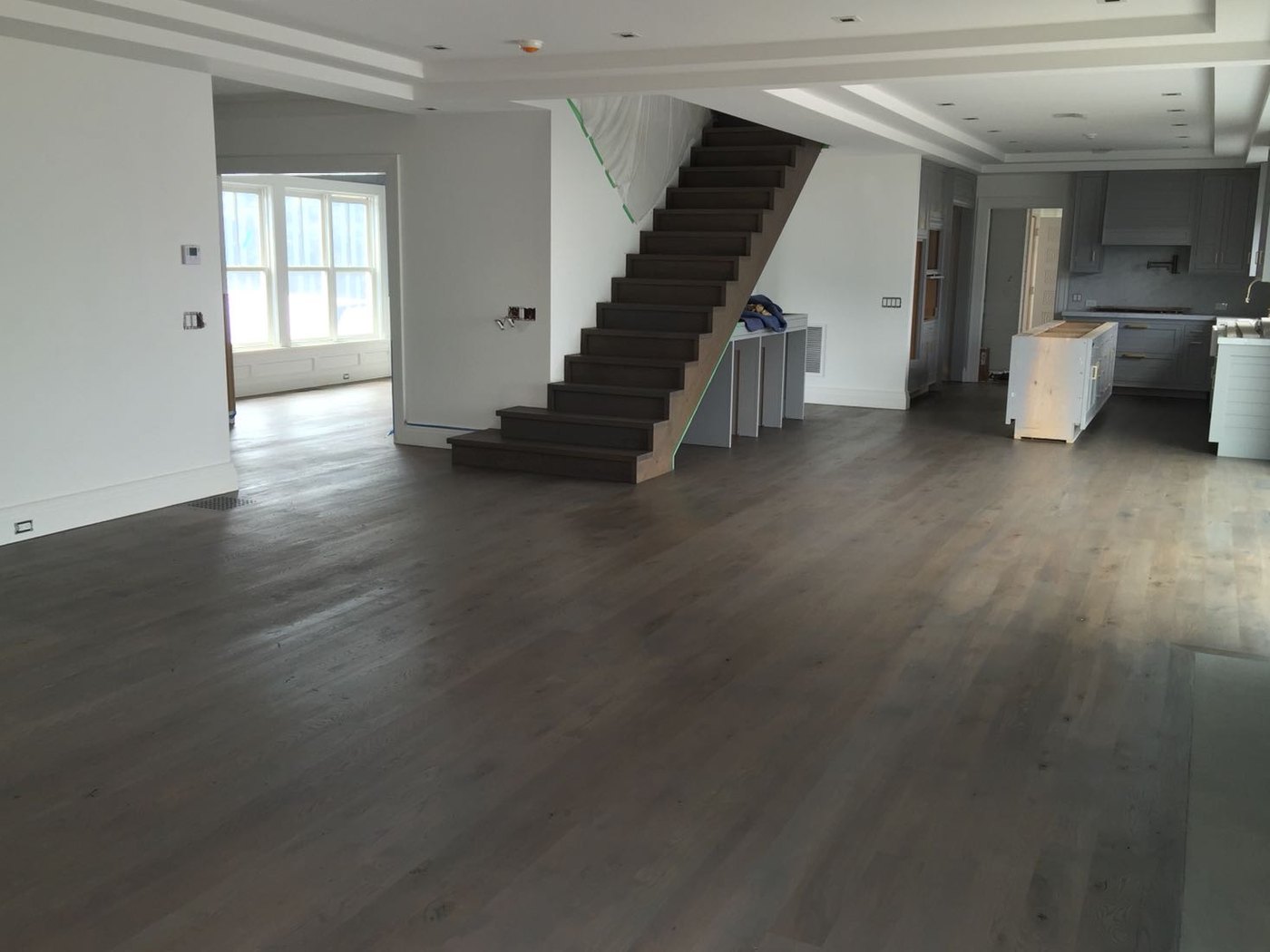

During sanding, verify dust extraction, room protection and cleanup. Define the work area and household access before the machines arrive.

The three-to-five-day timeframe depends on repairs and coats. Examine space access with the selected product's drying and cure stages.

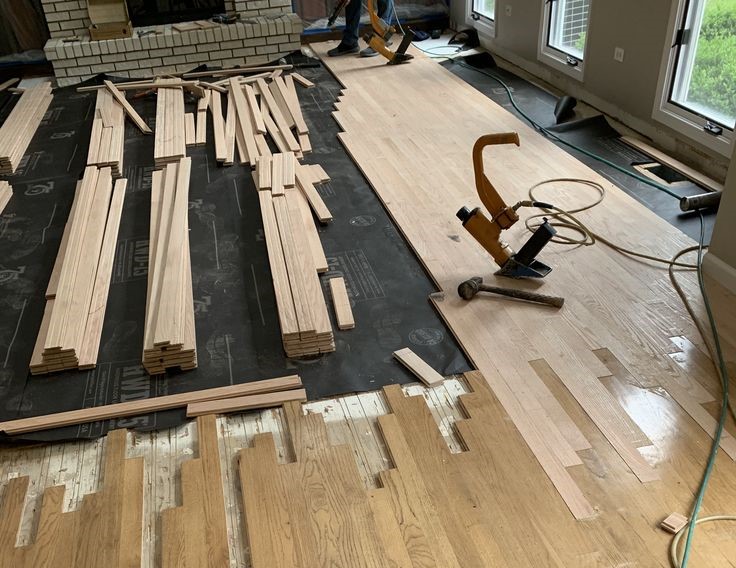
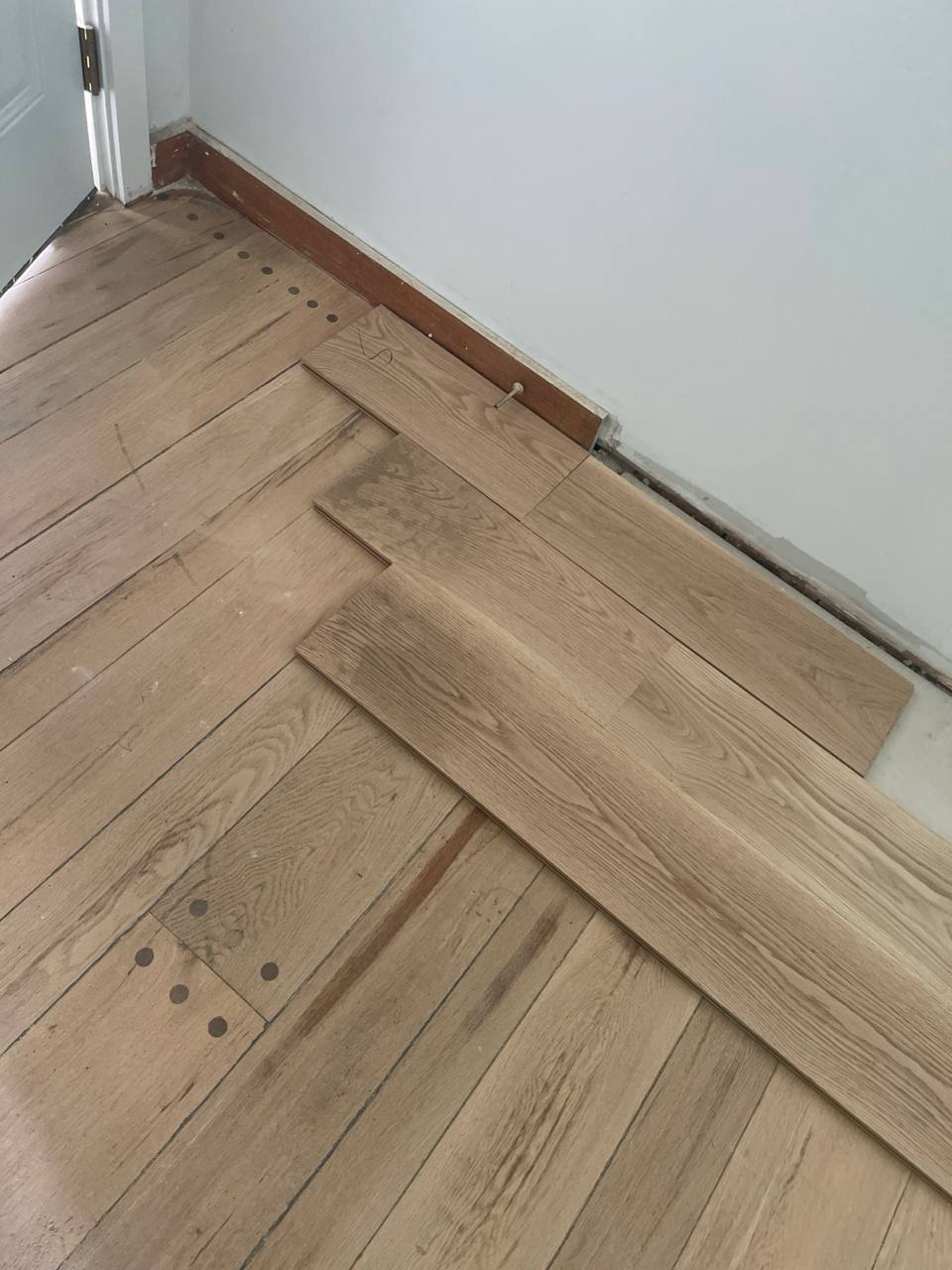
List boards needing repair before sanding. Review replacement profiles and how stain samples will include the patched wood.

Keep your refinishing warranty with the written work scope. Check the one-year labor coverage and finish-care requirements.

Natural finish emphasizes visible wood grain. View a coated test beside retained trim and adjoining floors.
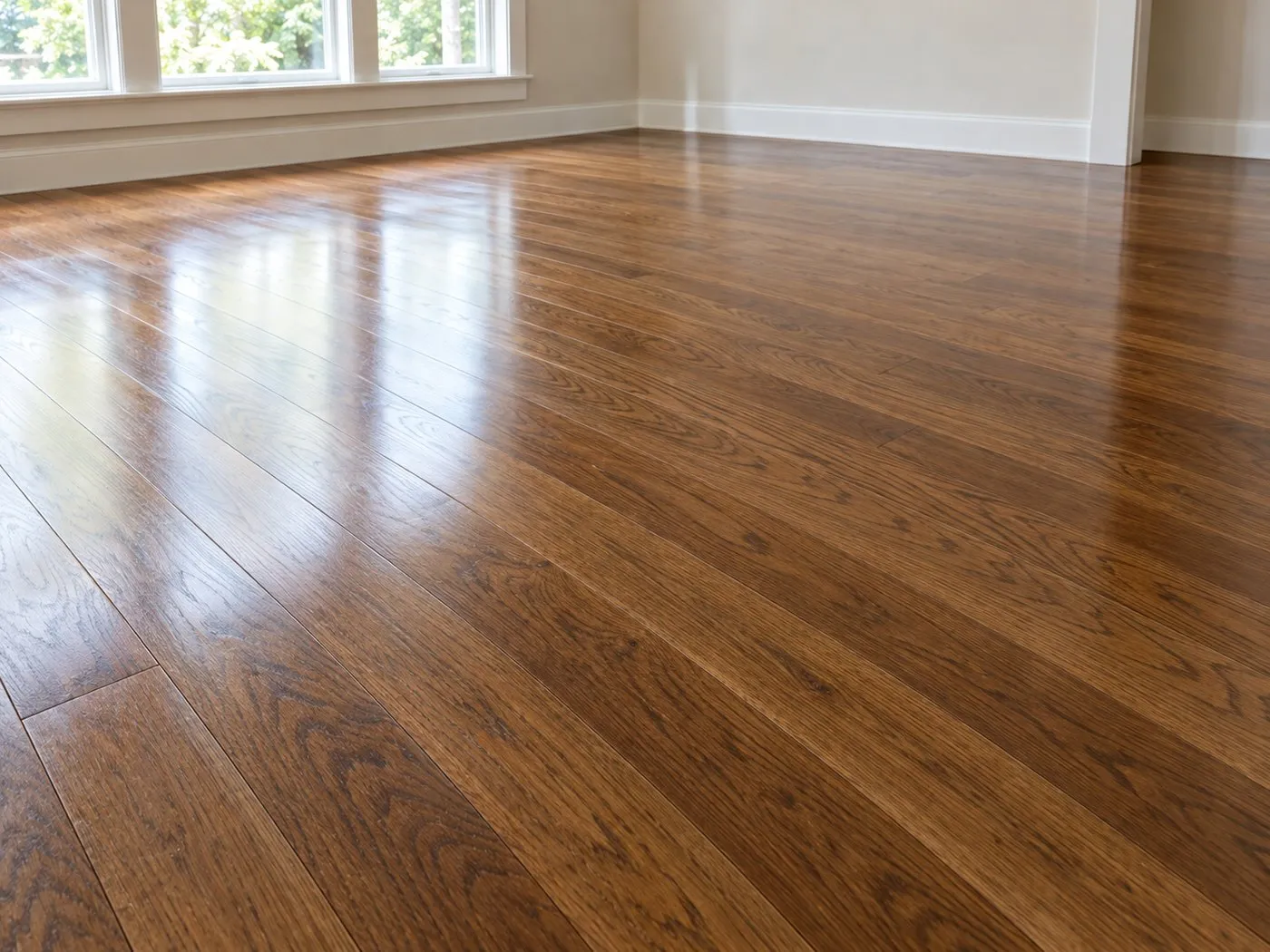
Special Walnut needs testing on prepared floorboards. Review the color across original wood and repairs.
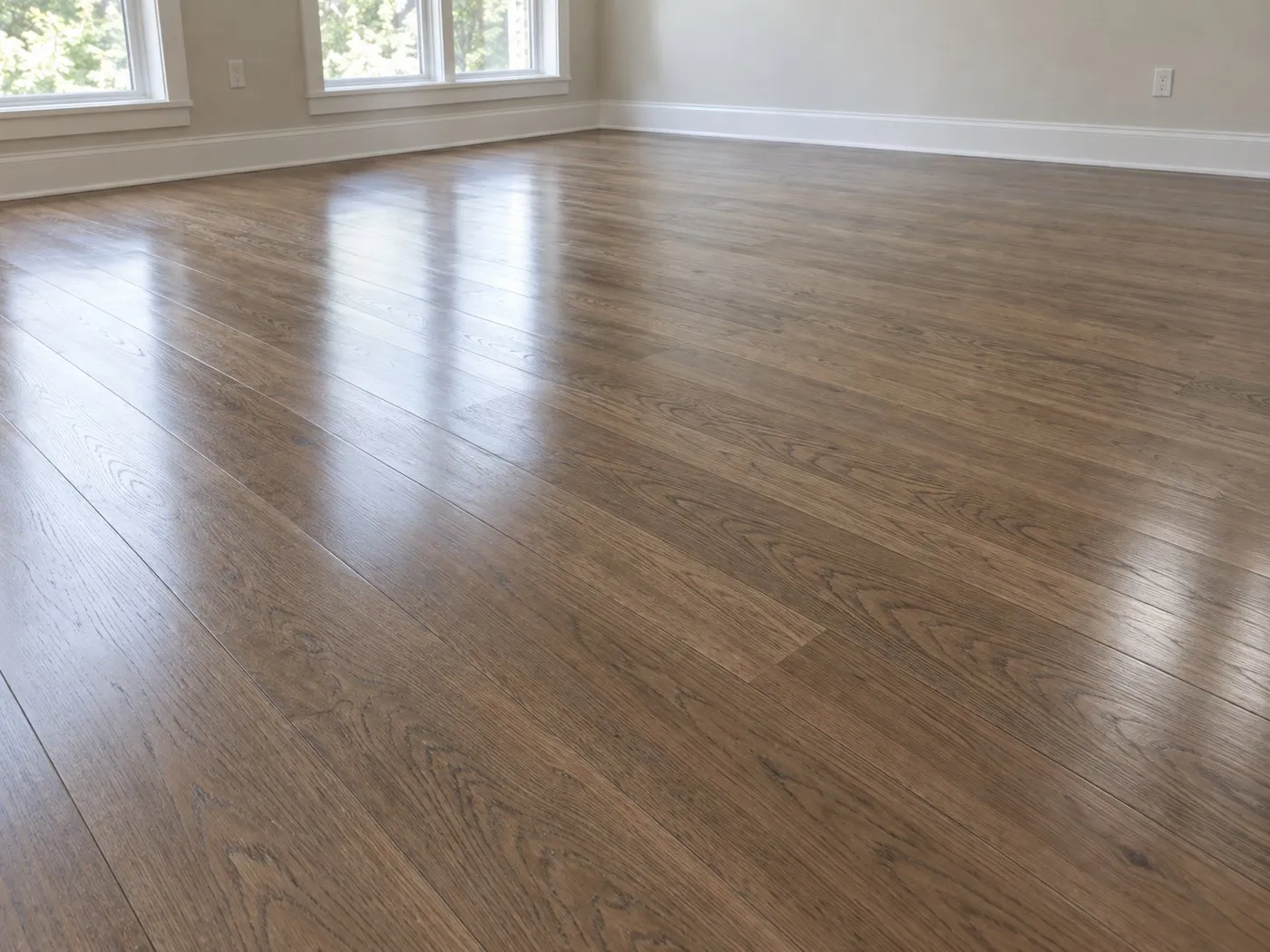
Provincial could show different tones on repair wood. Compare a coated sample with the existing floor.

Early American ought to be tested under the proposed finish. Evaluate wood grain and surrounding trim together.

Dark Walnut samples ought to include repairs. Examine grain contrast and protective sheen before color approval.

Jacobean requires a prepared test. Inspect the color depth on original boards and patches under the finish.
 Get your Free In-Home Estimate
Arden Heights shares 10312 with places including Annadale and Eltingville, according to the city's neighborhood guide. Provide the street and unit, then list the rooms and any connected stair surfaces to be assessed. For a property with more than one residence, identify the specific household and entrance. This keeps the sanding survey, furniture arrangements and coating boundary tied to the actual work area rather than assuming the postal code or neighborhood name describes the whole building.
Village Greens maintains a residents association in Arden Heights. Owners within that community should confirm its current arrangements for contractor access and shared areas before the sanding date is set. Explain how equipment will enter and whether removal or temporary staging is proposed, then keep any confirmed instructions with the room-access plan. Those community questions are separate from inspecting the wood and choosing a finish, and resolving them helps coordinate equipment movement with the household's use of the property.
DOB expressly lists resurfacing floors among examples that do not require a work permit, while noting that other applicable rules still apply. The same example should not be extended to structural repairs or other alterations bundled with refinishing. Describe any supporting work or changed opening separately when seeking project guidance. In the quote, distinguish repairs, sanding, color and coating so the broader construction description can be resolved by the owner before the finish schedule and room handover are agreed.
If a professional removes damaged boards as part of the restoration, NYC Sanitation treats that debris differently from a resident's small DIY waste. Include private disposal responsibility in the estimate, with the removal route and timing before sanding begins. If the plan uses a container on public street or sidewalk space, have the carting company or contractor address DOT permission. This keeps the repair debris from being confused with regular household trash and clarifies when the floor is ready for preparation.
Remaining usable material and the board construction matter more than a universal count. Inspect edges, previous sanding and damage before another full pass.
A compatible recoat renews the surface differently from sanding and staining. Assess the current finish and intended color before choosing the scope.
Replacement stock and aged boards can respond differently. Review a representative test under the proposed protective coat before accepting the result.
Define extraction, protection and cleanup, then use the chosen coating's instructions for staged access, furniture and rugs. No system promises an absolute absence of dust.