Dustless Floor Refinishing
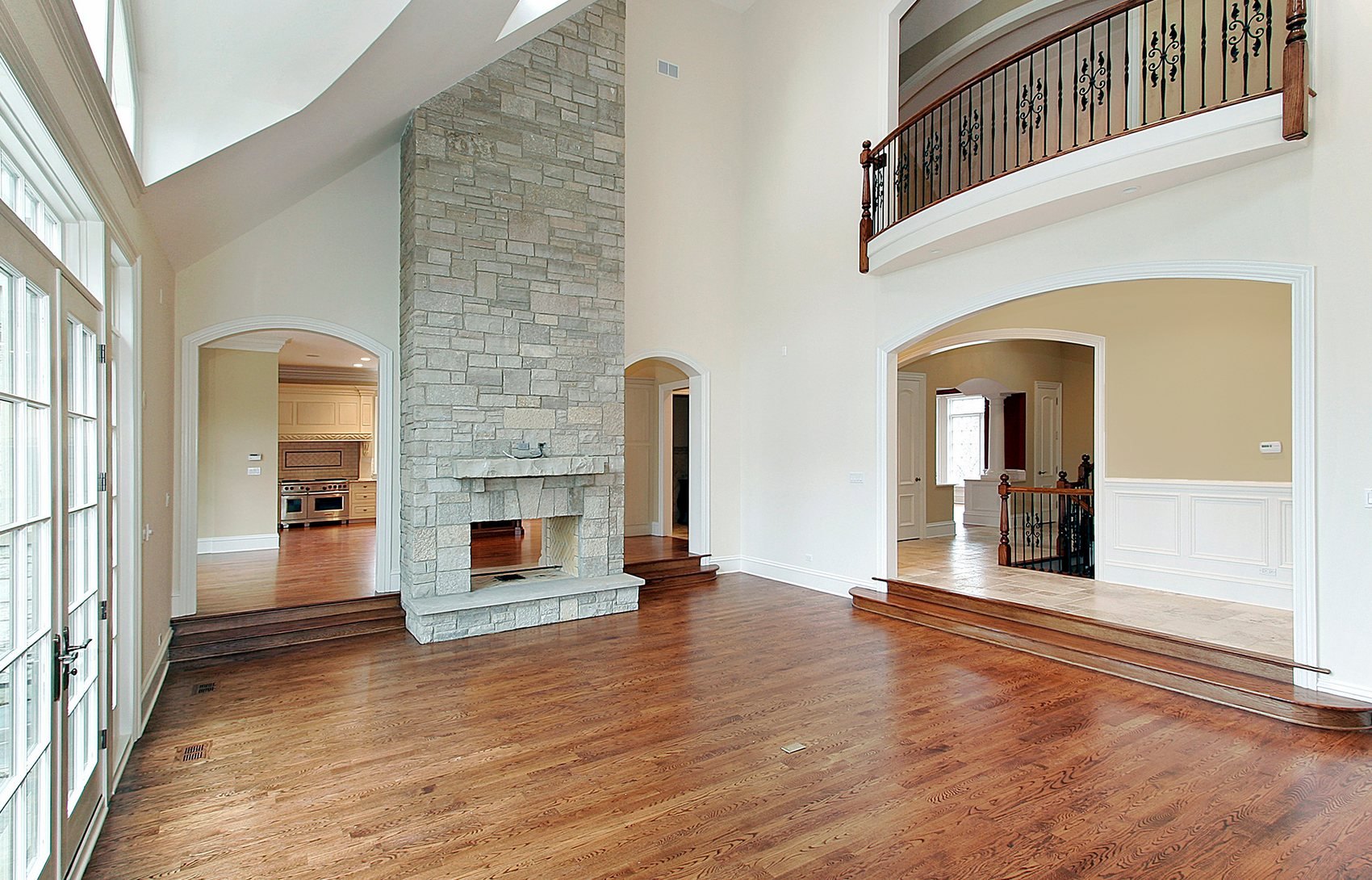
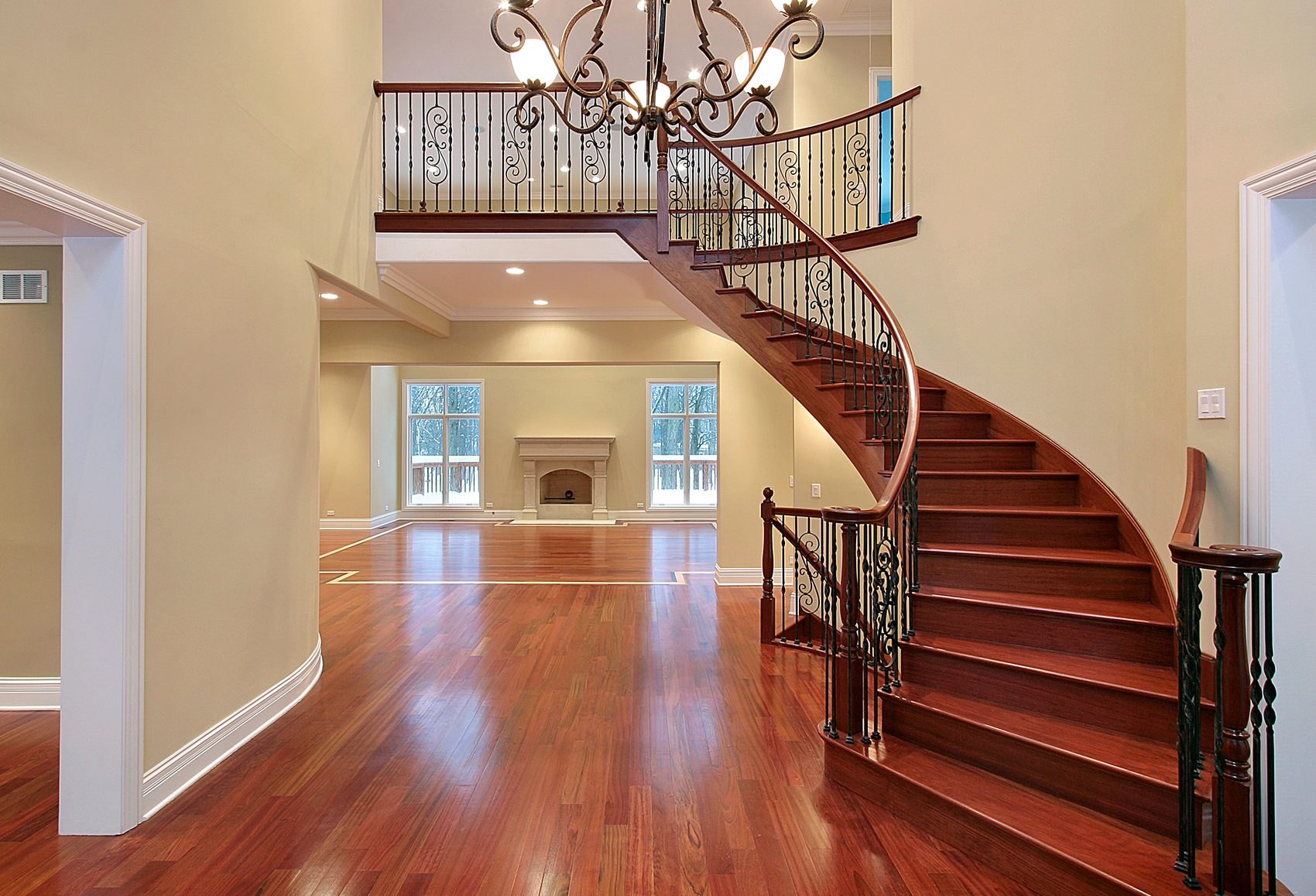
Decades of dining chairs, dull finish and a dog's scratches fade into the grain after a full sand and three coats of poly.



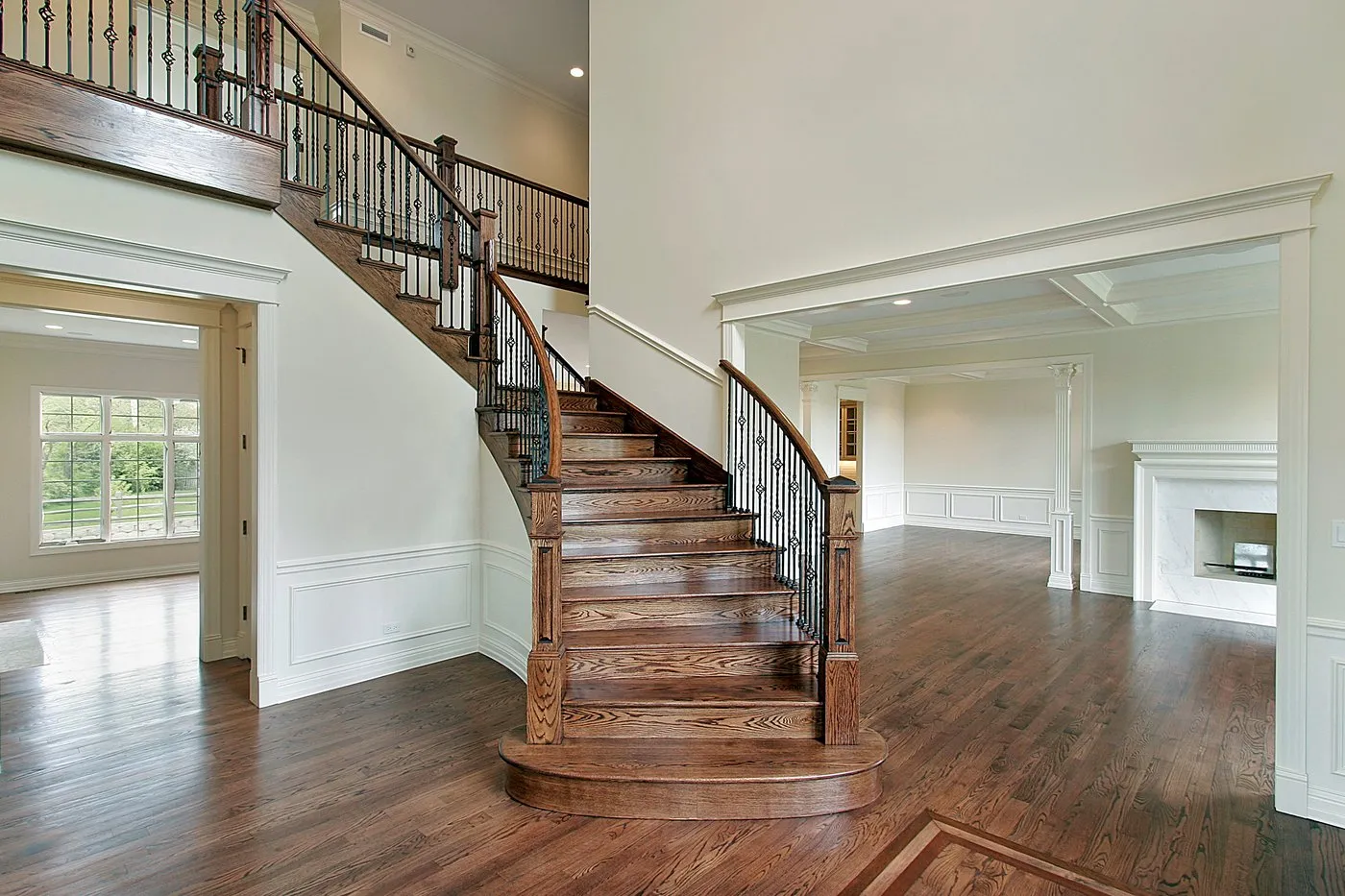
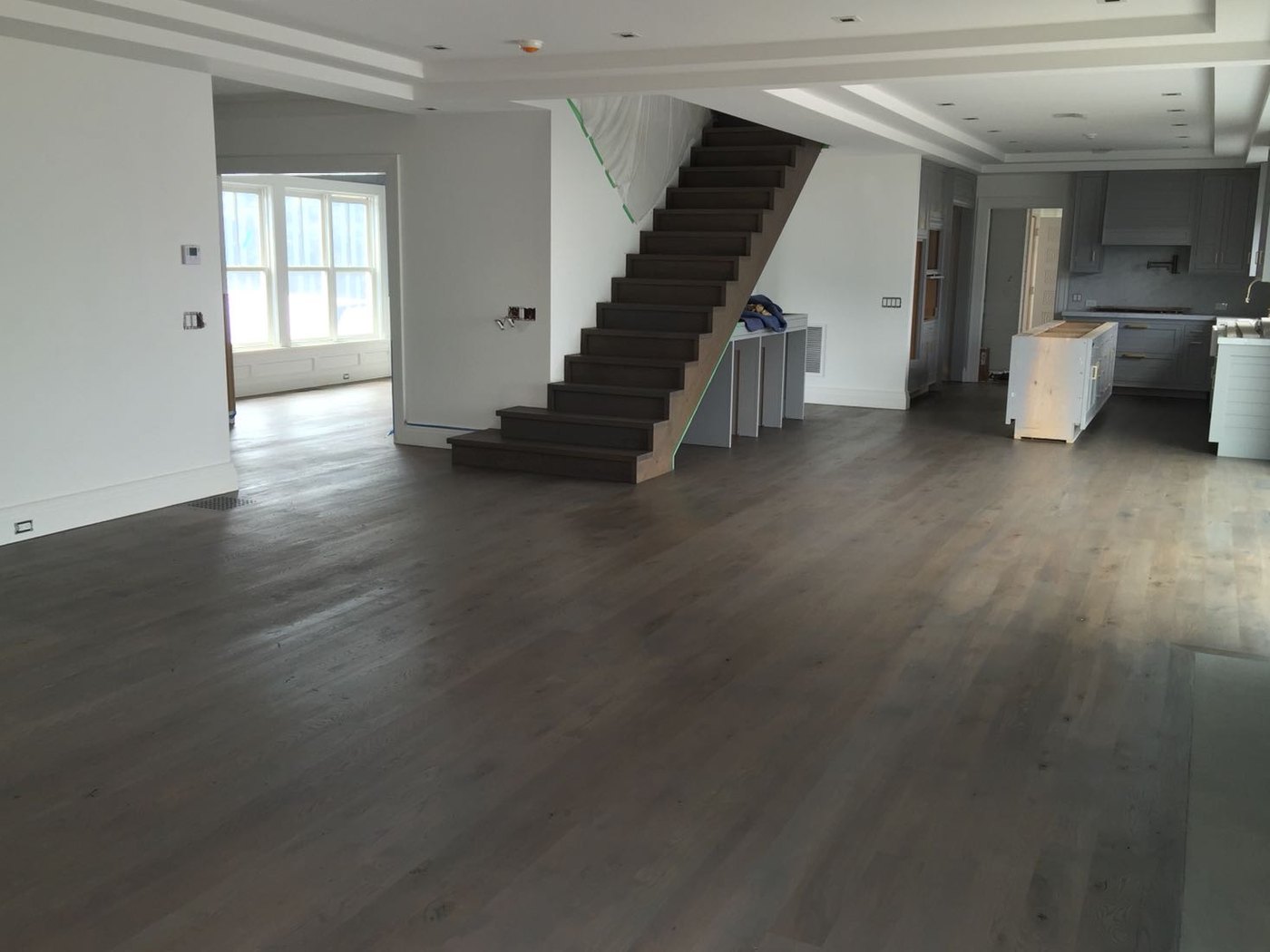

Decades of dining chairs, dull finish and a dog's scratches fade into the grain after a full sand and three coats of poly.

Matte and satin sheens are both on the table, and oak or maple accepts the stain well. The finishing products ship out of our Long Branch, NJ warehouse.

Before the sander runs, stain samples go on your own boards, so the shade you approve is the one that cures in your Union rooms.

One year covers our labor, and the people on your floor are our own employees, certified through NWFA training.

Tudor oak laid in the 1920s often needs several passes to lift layers of old varnish.
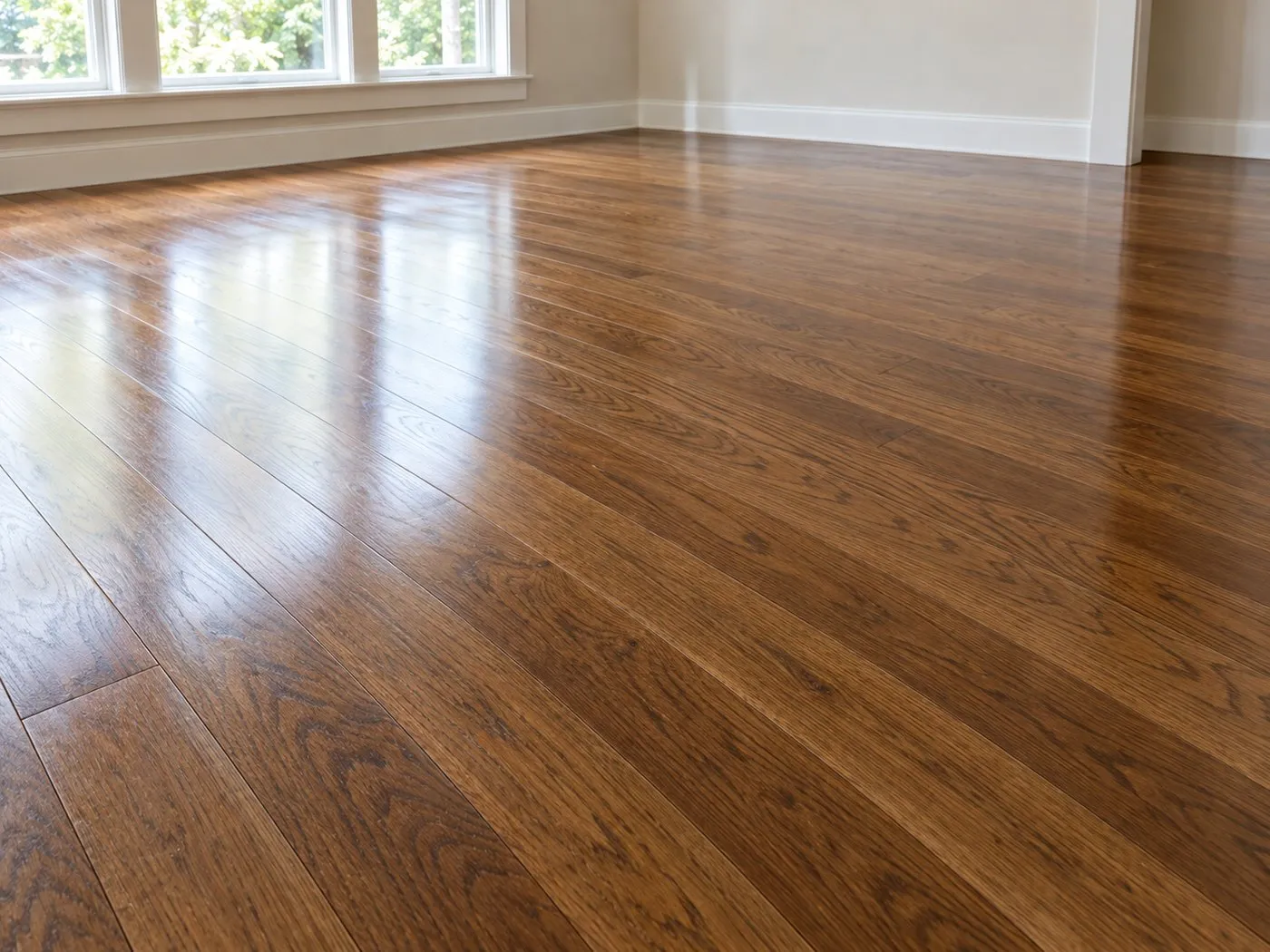
A medium brown stain in a Battle Hill cape evens out patchy color and brings back warmth.
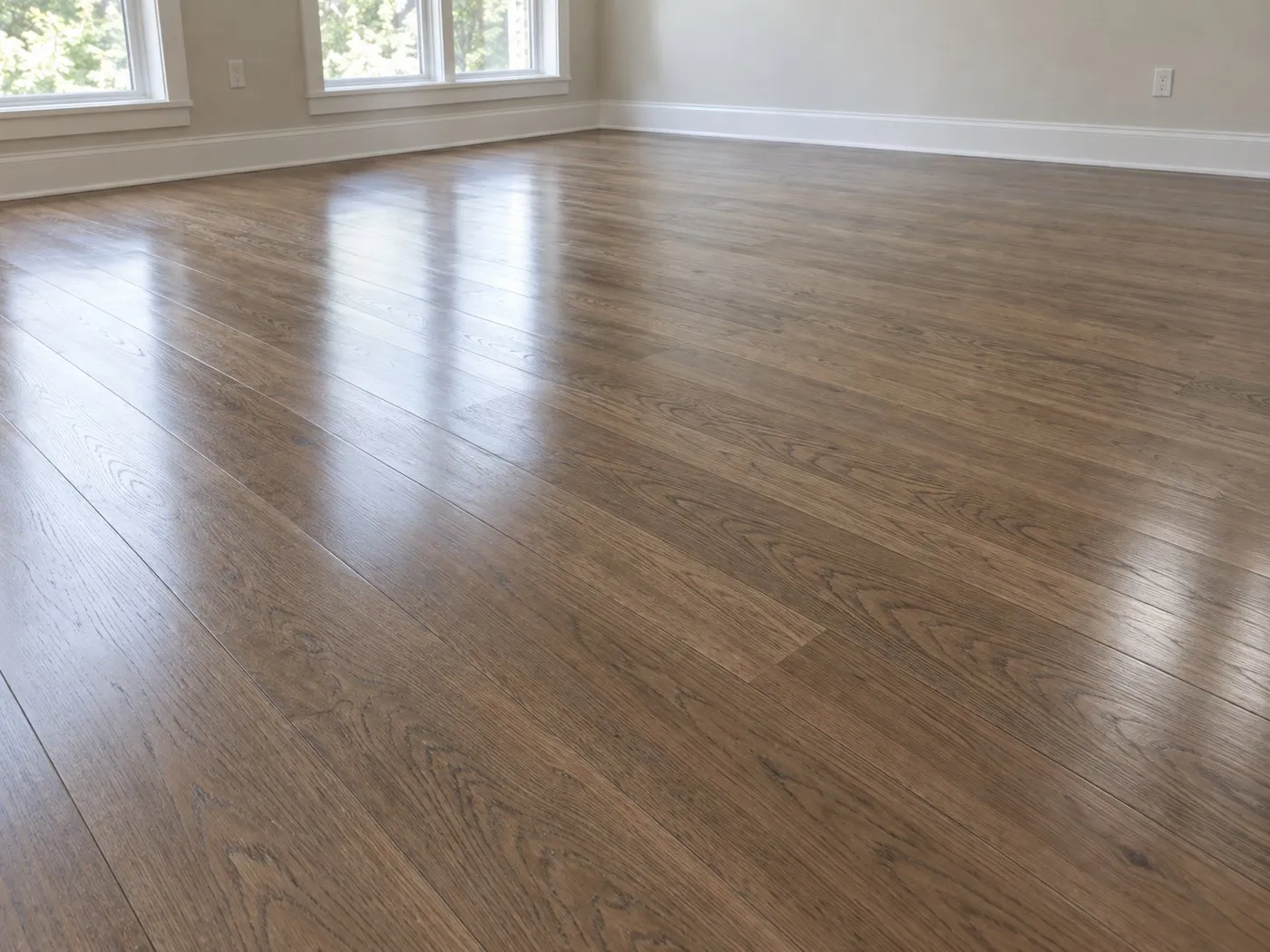
Three coats of polyurethane shield a dining room near Morris Avenue from dropped plates and dragged chairs.

Afternoon sun through a bay window bleaches stain in spots, and a fresh coat evens the tone.

Hand sanding finishes stair landings and corners in older Union houses that the drum cannot reach.

Rooms are sealed with plastic and the machines pull the dust, so the rest of the house stays livable.

 Get your Free In-Home Estimate
Taking the floor down to bare wood, staining and sealing with three coats runs $2.50/Sq Ft. If the wood stays untouched beneath, a screen and recoat is only $1.00/Sq Ft.
Machines pull dust into containment and doors get sealed with plastic. You can expect a light wipe down at the end.
Sample patches on your own boards settle it, because oak and maple do not drink stain the same way.
The next morning you can cross the room in socks, while rugs and furniture wait several days. You get that timetable before we begin.
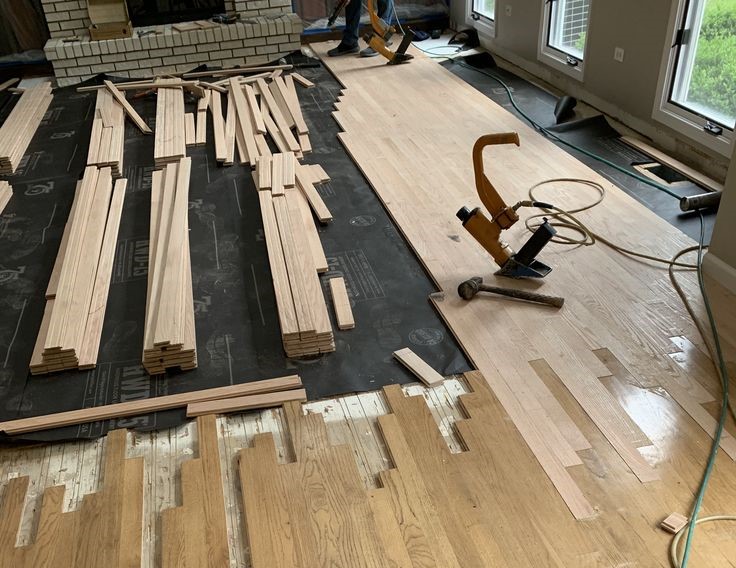
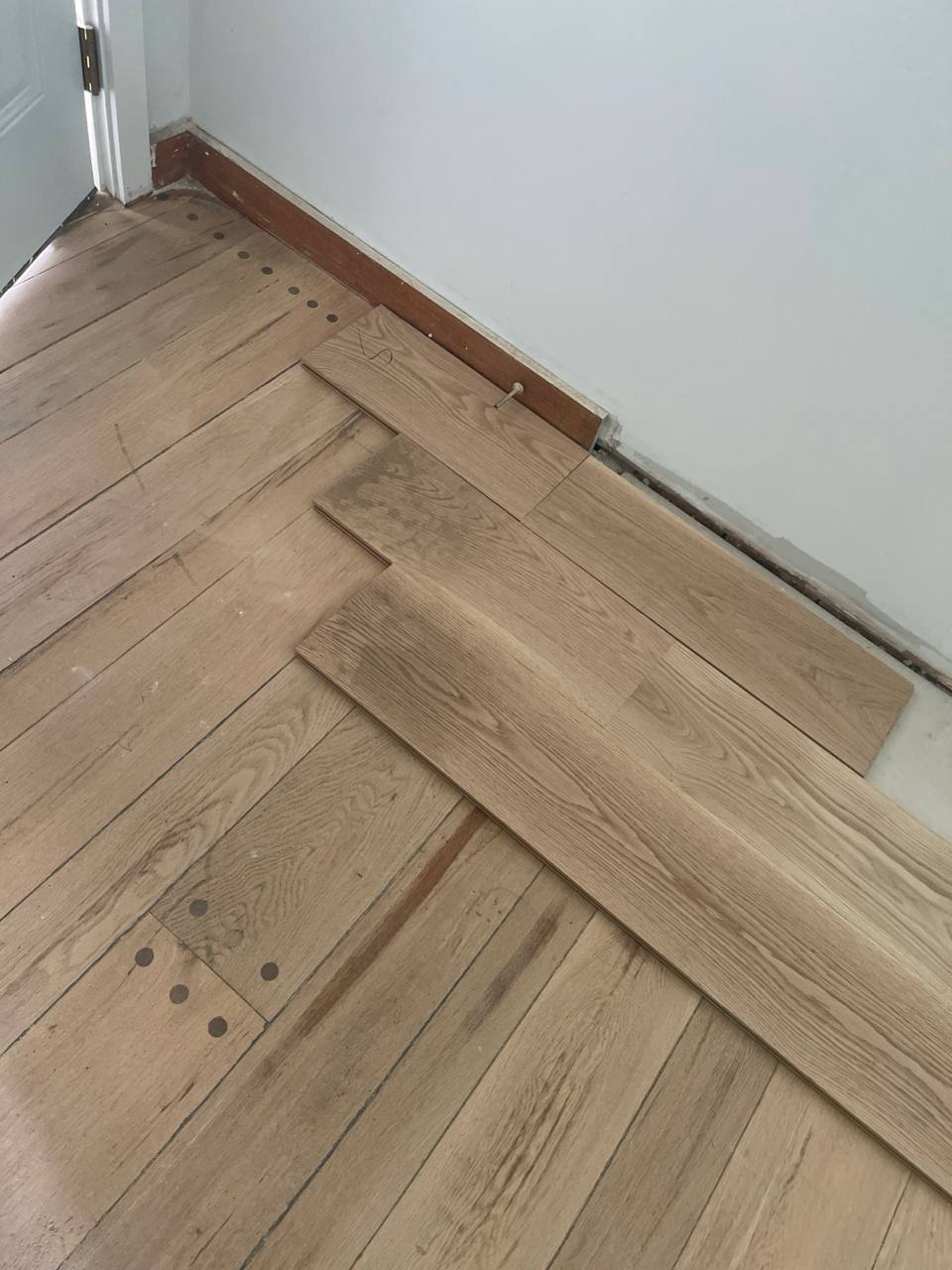
Yes. Cupped or cracked strips are replaced first so the finished floor reads even, and repairs are quoted on site.
If you want us to, moving is a flat $250.
Booking online takes $250 off.
Twelve months on our labor, performed by our own staff and nobody hired in.