Dustless Floor Refinishing
For Lincolndale sanding, review dust extraction, room protection and equipment access. Specify what areas remain occupied during the work.



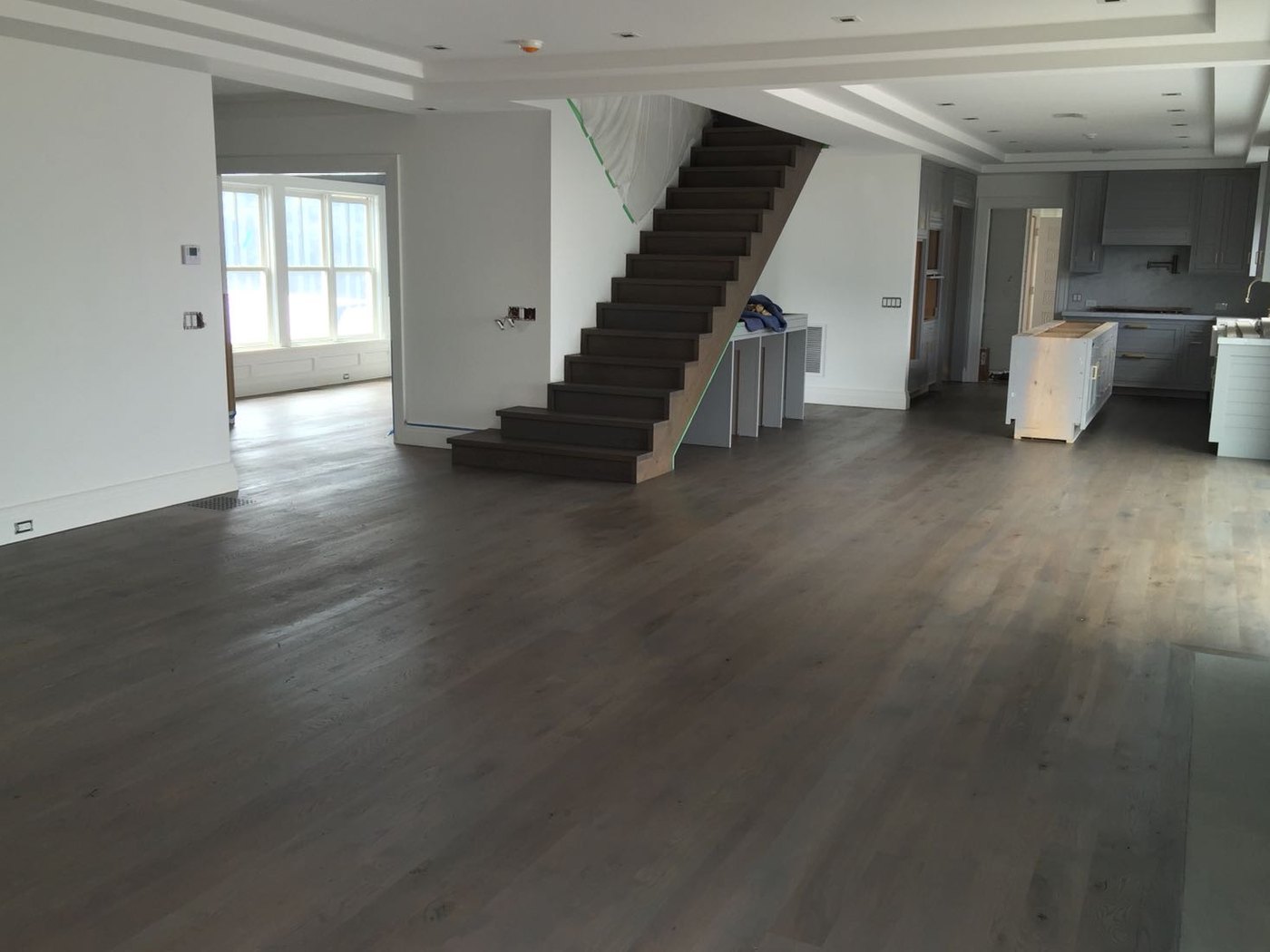

For Lincolndale sanding, review dust extraction, room protection and equipment access. Specify what areas remain occupied during the work.

A Somers refinishing schedule follows the coating type and repairs. Obtain separate return times for foot traffic, furniture and rugs.

Evaluate damaged Amawalk boards before sanding. Check replacement boards and how the repair area meets the retained finish.

Somers refinishing has one-year labor coverage under the terms. Keep finish-care directions with the defined project scope.

A natural Somers floor changes under clear coating. Test the finish on the wood before selecting the sheen.

Special Walnut in Lincolndale requires a sample beside fixed trim. Compare its look under room lighting.
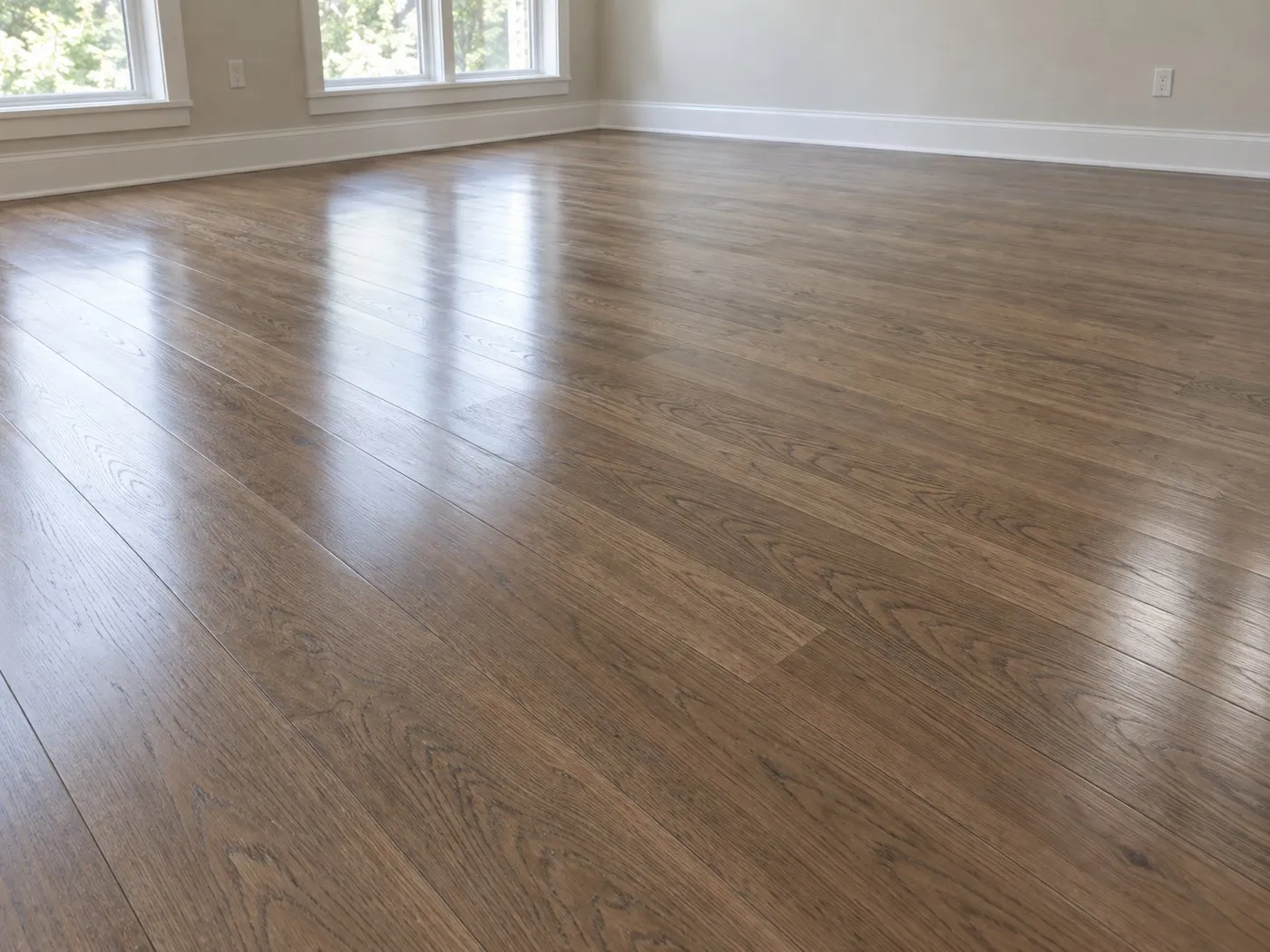
For Amawalk Provincial, examine color on the species. Patched boards can absorb the shade differently.

Granite Springs Early American samples should be viewed with the retained cabinetry before whole-room approval.

Dark Walnut in Shenorock can emphasize grain and contrast. Assess repaired boards in the specified stain sample.

Baldwin Place Jacobean choices need a care discussion and a sample; light dust may show against deep color.
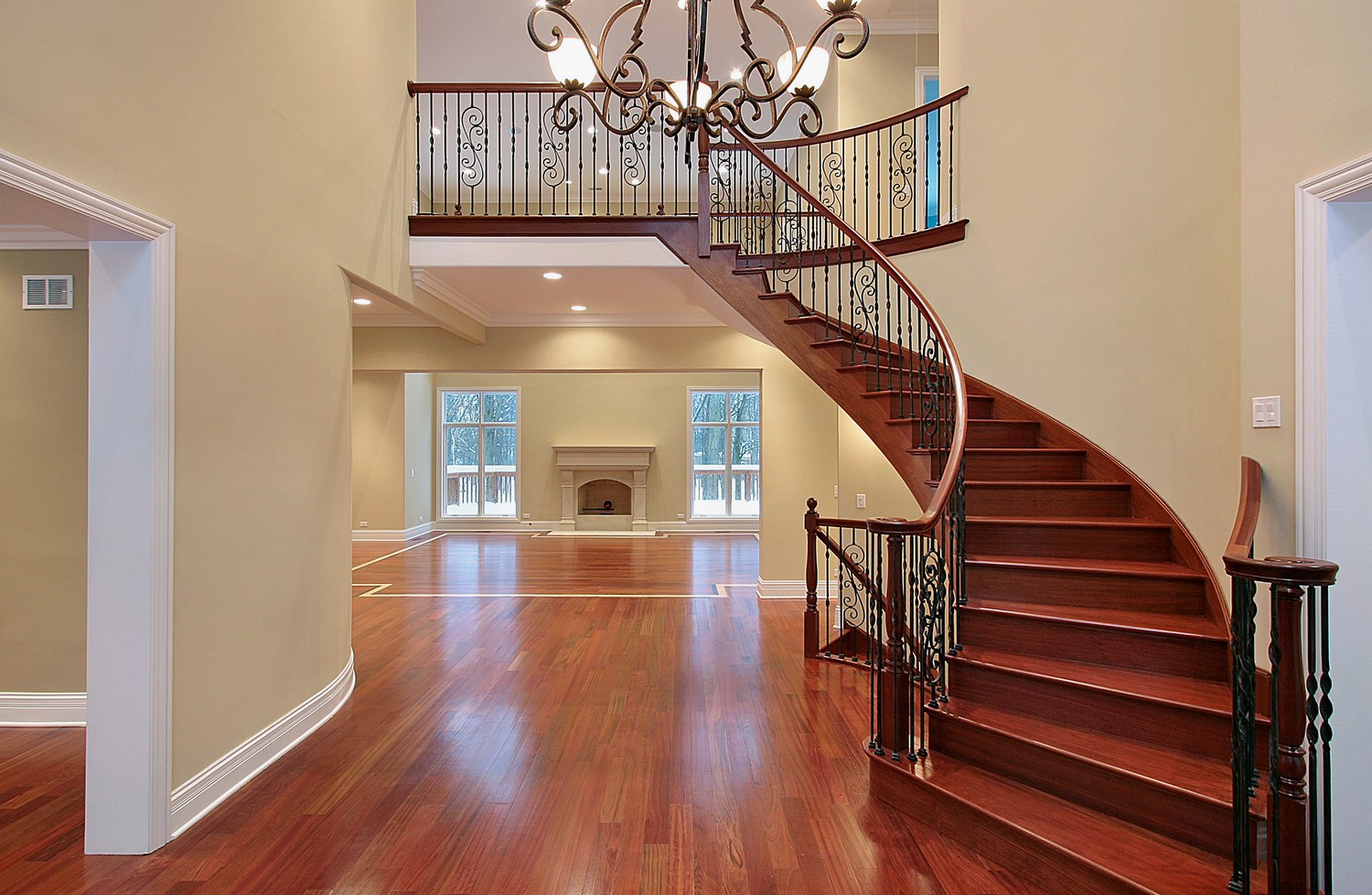
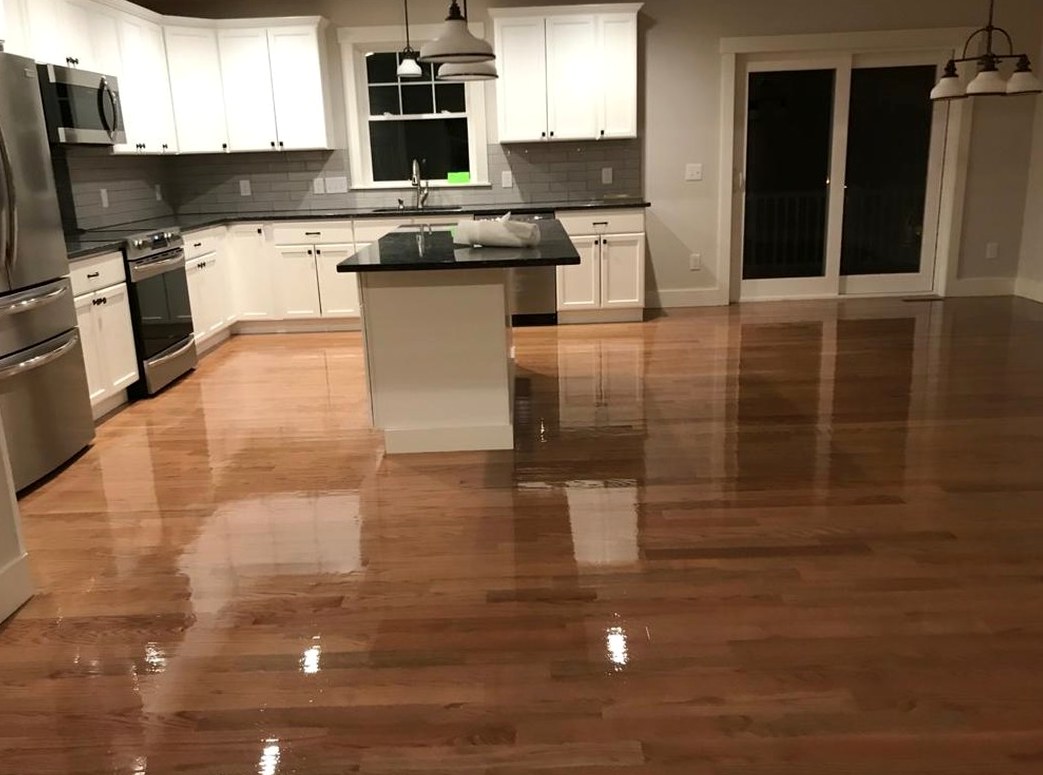
 Get your Free In-Home Estimate
The town’s historic hamlet occupies about 56 acres and includes the Elephant Hotel, Bailey Park and Ivandell Cemetery. For a private floor in that setting, identify surviving boards, later patches and trim to protect before sanding is proposed. Gather any earlier refinishing records and mark additions on the room plan. Discuss preservation priorities and property-specific questions with the town where relevant, then have the contractor assess usable wood thickness and the repair boundary. The resulting scope should connect the floor’s own history with the proposed sanding and coating work.
Within Somers’ recognized historic district, the National Register record describes more than one architectural period. Record the changes present in your own interior by photographing old boards, repaired sections and adjoining room finishes. Include those areas in the sample discussion so stain approval covers the material that will actually remain. This is especially useful when the project renews only part of an older house.
Both are among the hamlets identified by Somers, along with communities such as Baldwin Place and Lincolndale. Provide the complete address and identify which rooms require sanding, then show the access route for equipment. Agree on the protected staging space and the household rooms that must stay reachable. This ties scheduling to the actual home and scope rather than only a community name.
Discuss furniture relocation and usable routes before the start date. The coating system sets separate limits for walking, furniture and rugs; ask for those dates in the work plan. Where occupied rooms cannot be isolated appropriately, agree on another sequence before sanding begins.
A sound, compatible existing finish may permit a prepared recoat. Deep damage, contamination, a color change or insufficient adhesion can call for a different process after inspection.
Some discoloration extends into the wood and can remain visible. Discuss repairs before treating stain as a cosmetic solution, and approve samples showing the actual condition.
No. Furniture handling, room protection, ventilation and access still need an agreed plan. Dust-control equipment should be described accurately without promising a completely dust-free home.
A coating can tolerate limited traffic before it reaches full cure. Follow its separate instructions for footwear, furniture and coverings instead of treating dry-to-touch as complete readiness.