Dustless Floor Refinishing
Return air vents get covered, doorways are closed off with zip up plastic, and we vacuum between every grit so leftover particles can't scratch the next pass.



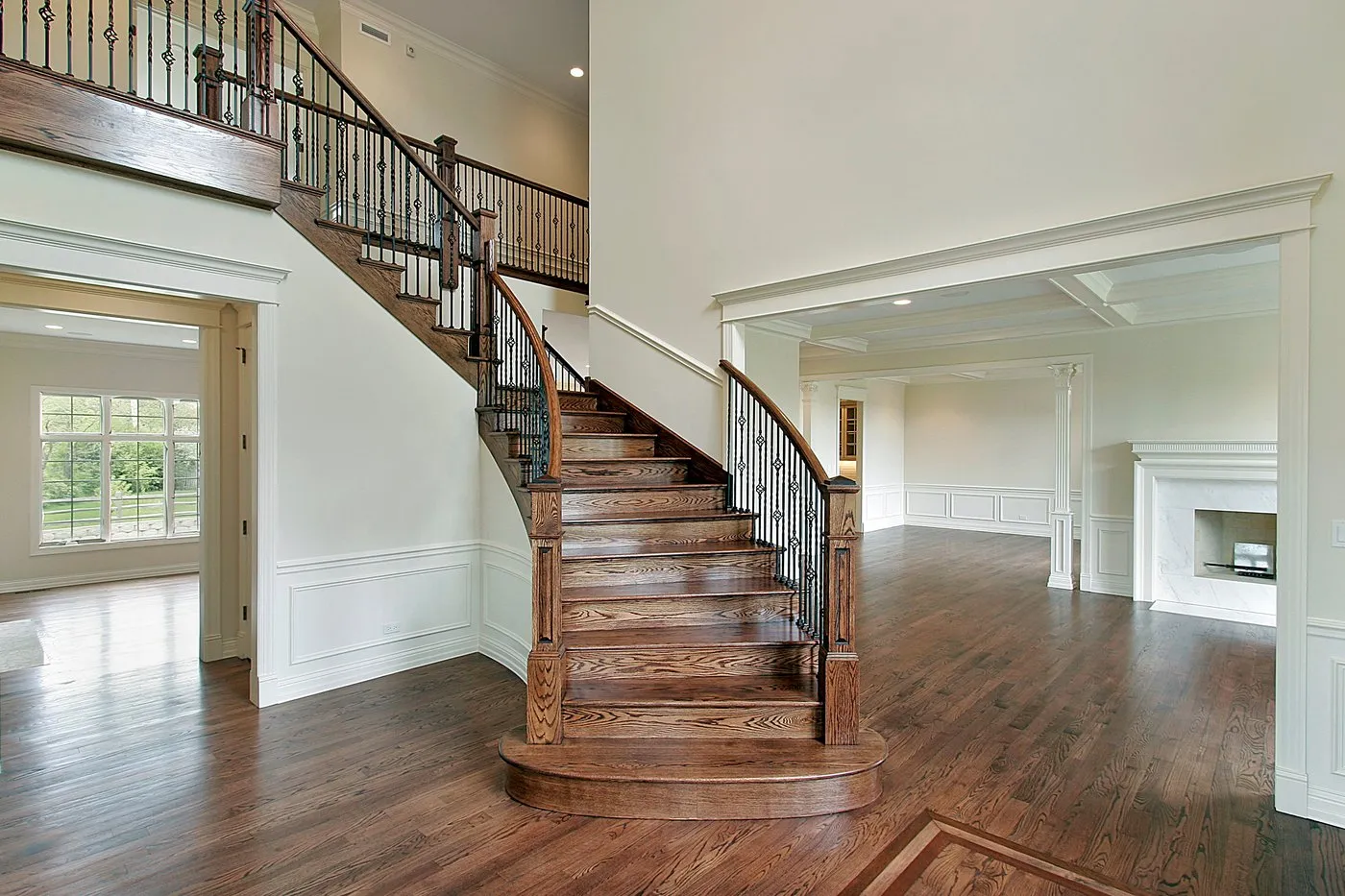
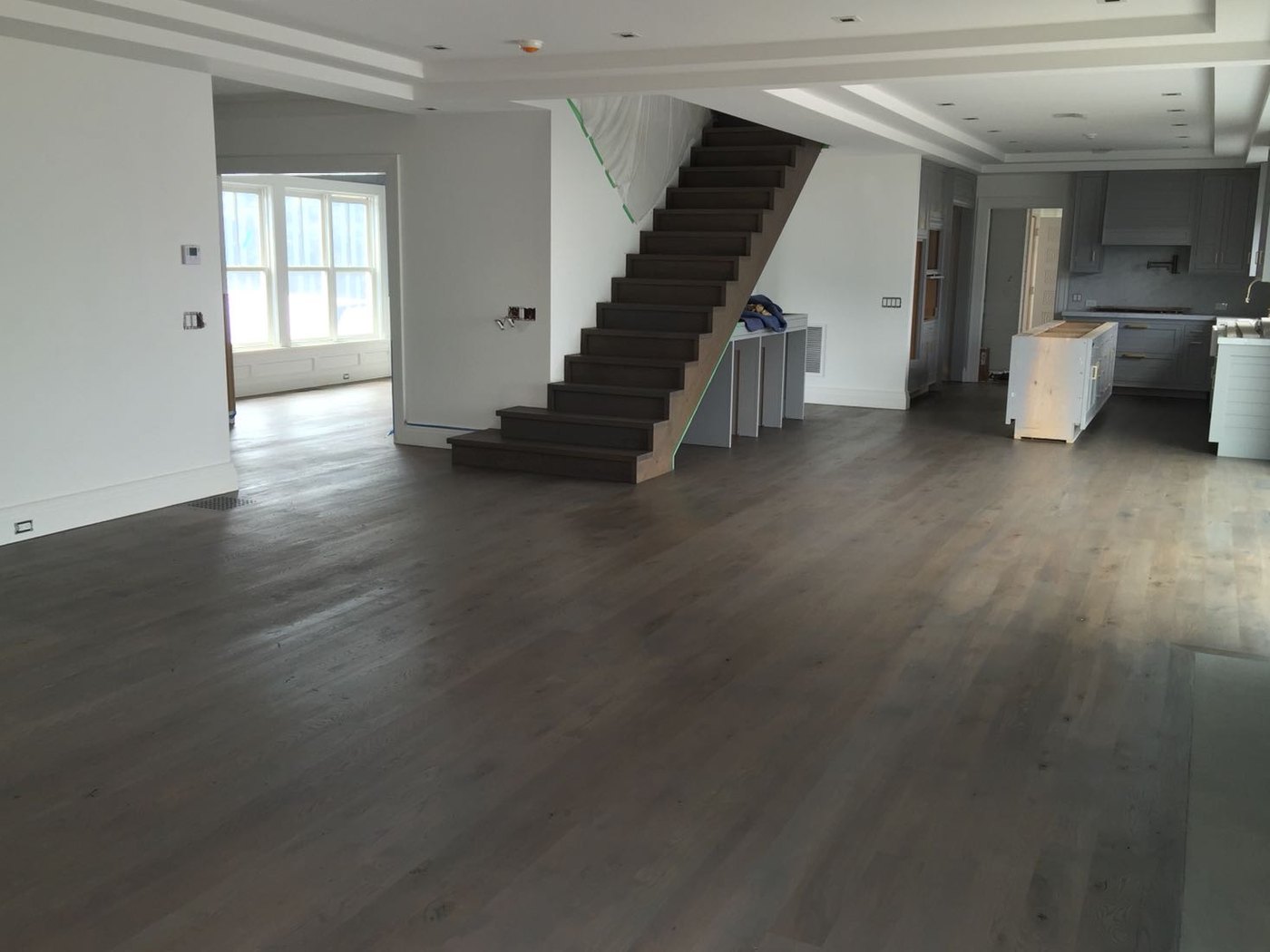

Return air vents get covered, doorways are closed off with zip up plastic, and we vacuum between every grit so leftover particles can't scratch the next pass.

Expect several working days for a typical first floor. Bare feet are fine the morning after the last layer; hold off on heavy furniture for a few more days.

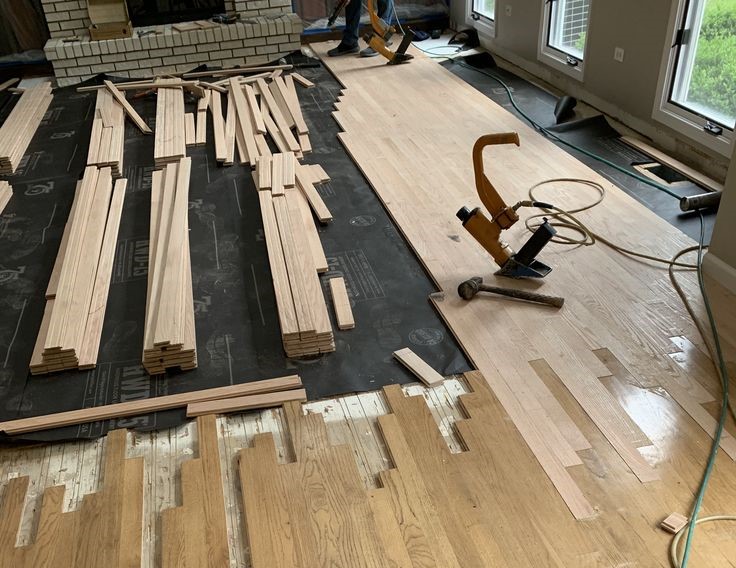
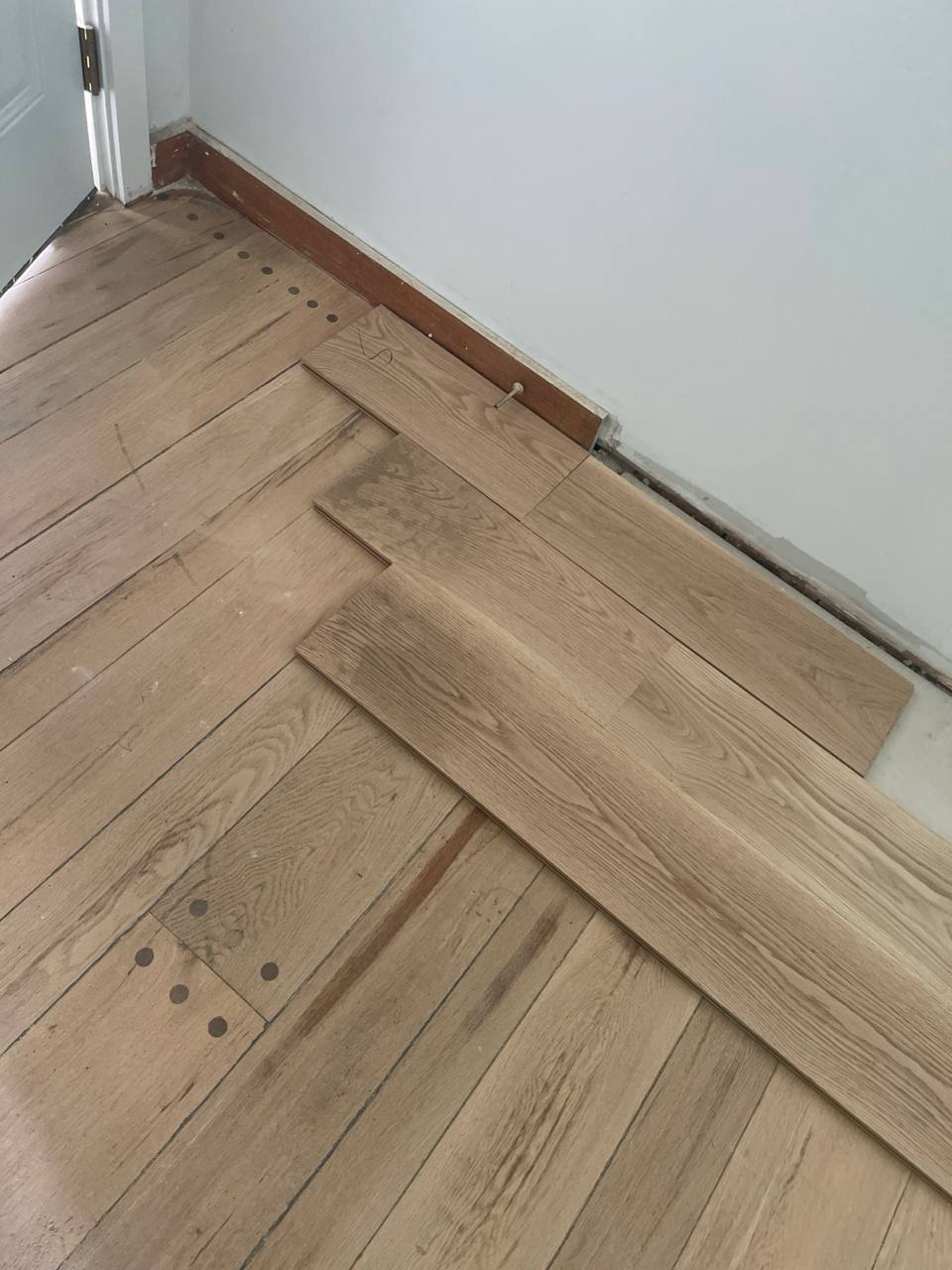
Split strips and dark stains get replaced before the big sander starts, so repairs blend in under the same finish. Any repair cost is quoted in advance.

If peeling, bubbles or rough patches show up in our finish within a year, we're back to correct them. Half is paid when sanding starts, the rest at our final walkthrough.

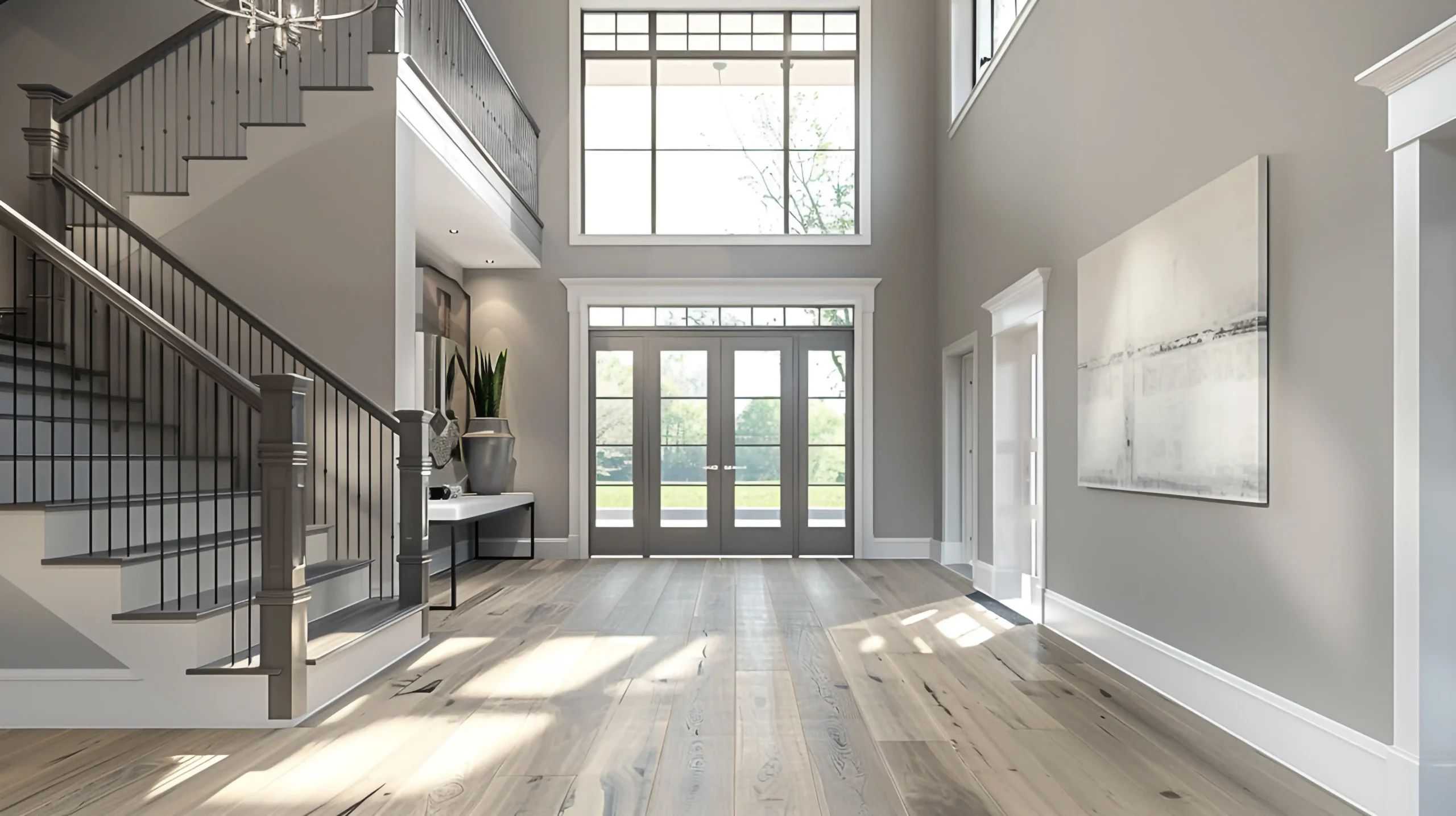
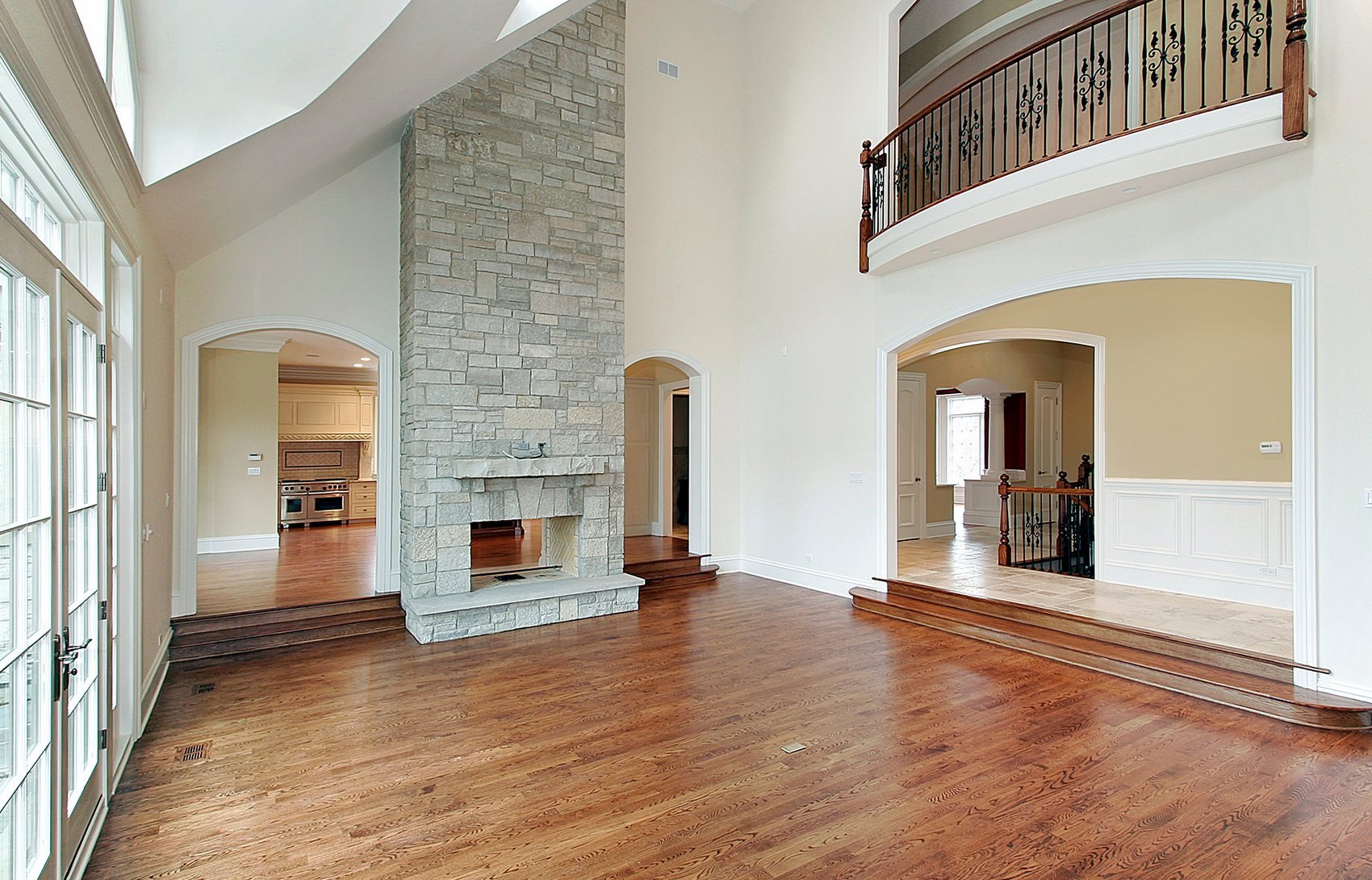
White oak sealed with clear finish only, no stain, stays pale and Nordic looking in a Five Fields living room.
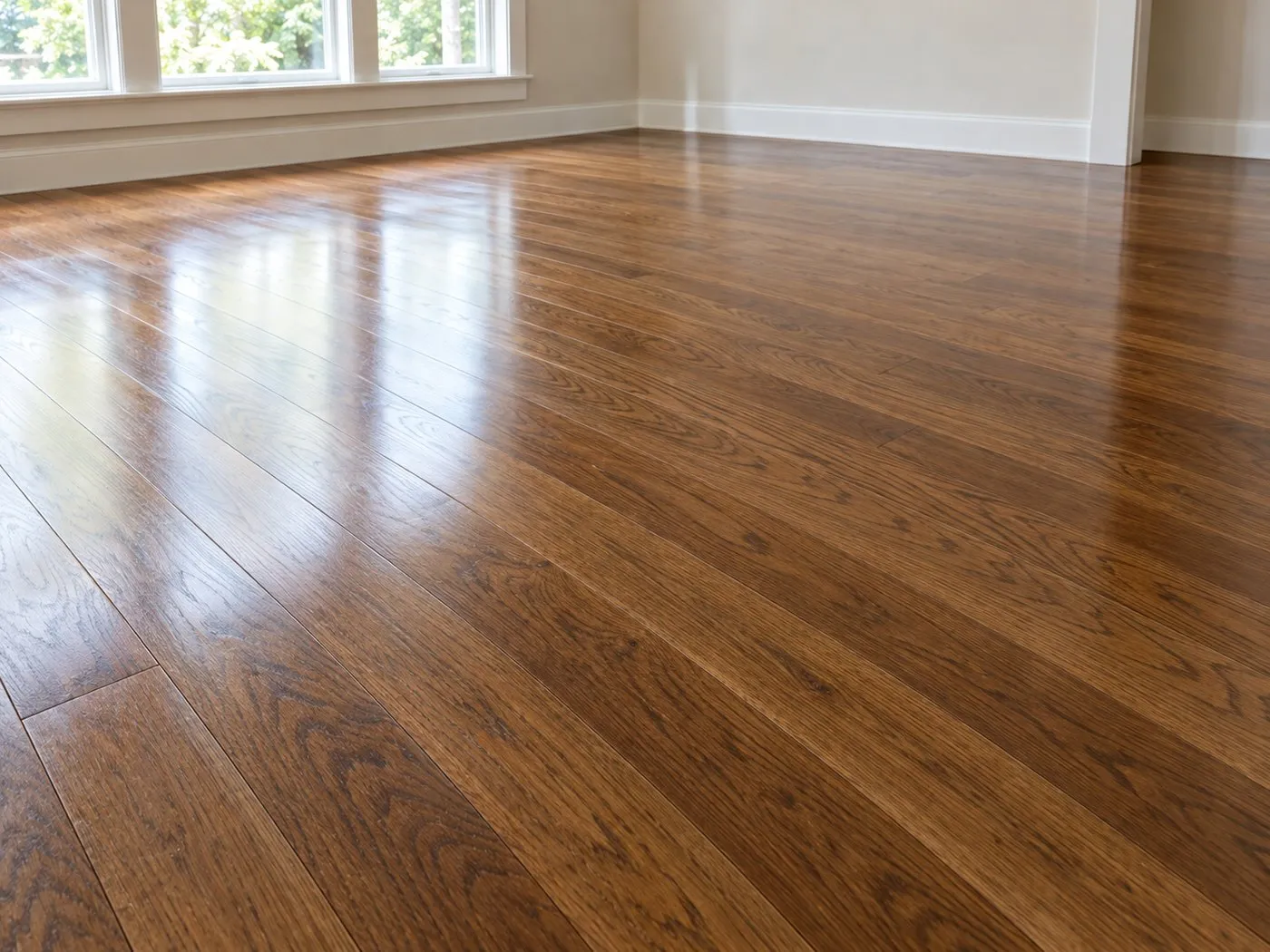
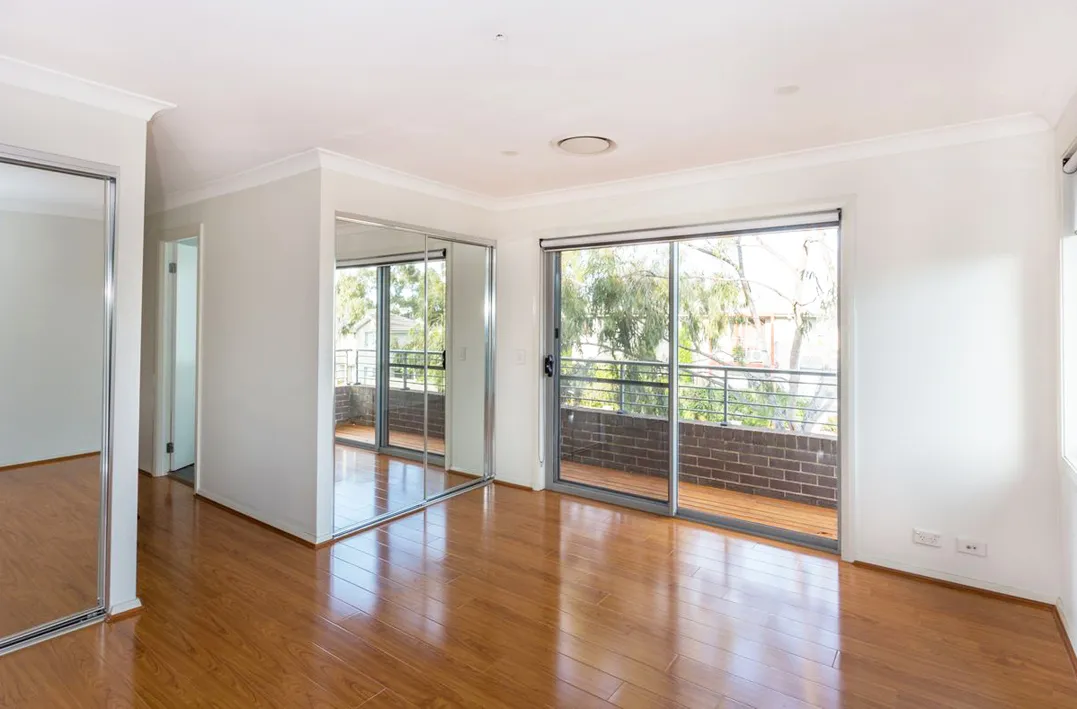
A medium brown hides crumbs and dust nicely, a practical choice for a busy kitchen near Four Corners.
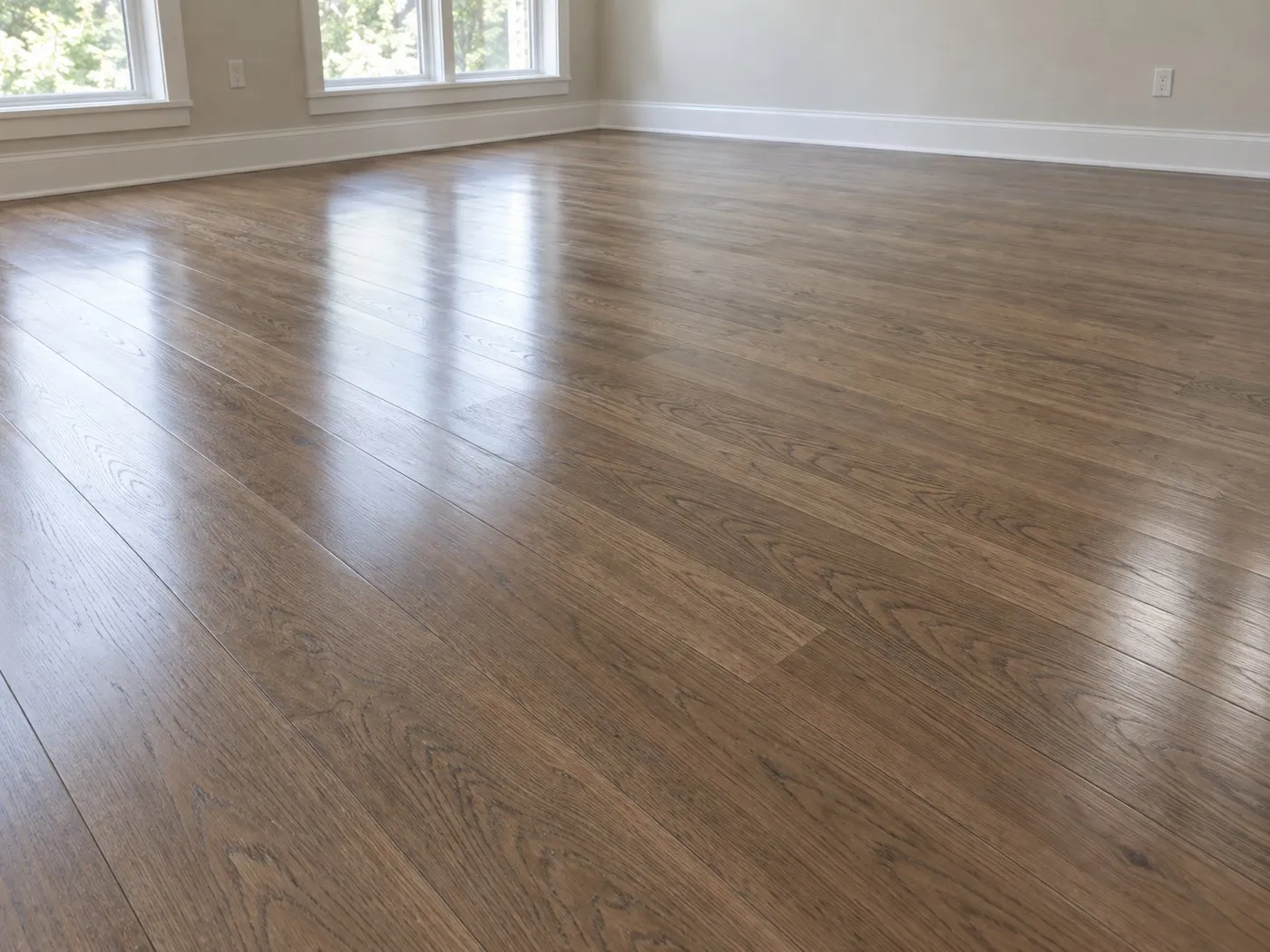
An earthy middle brown is easy to live with, works beside painted or stained trim and takes the brassy edge off aged red oak.

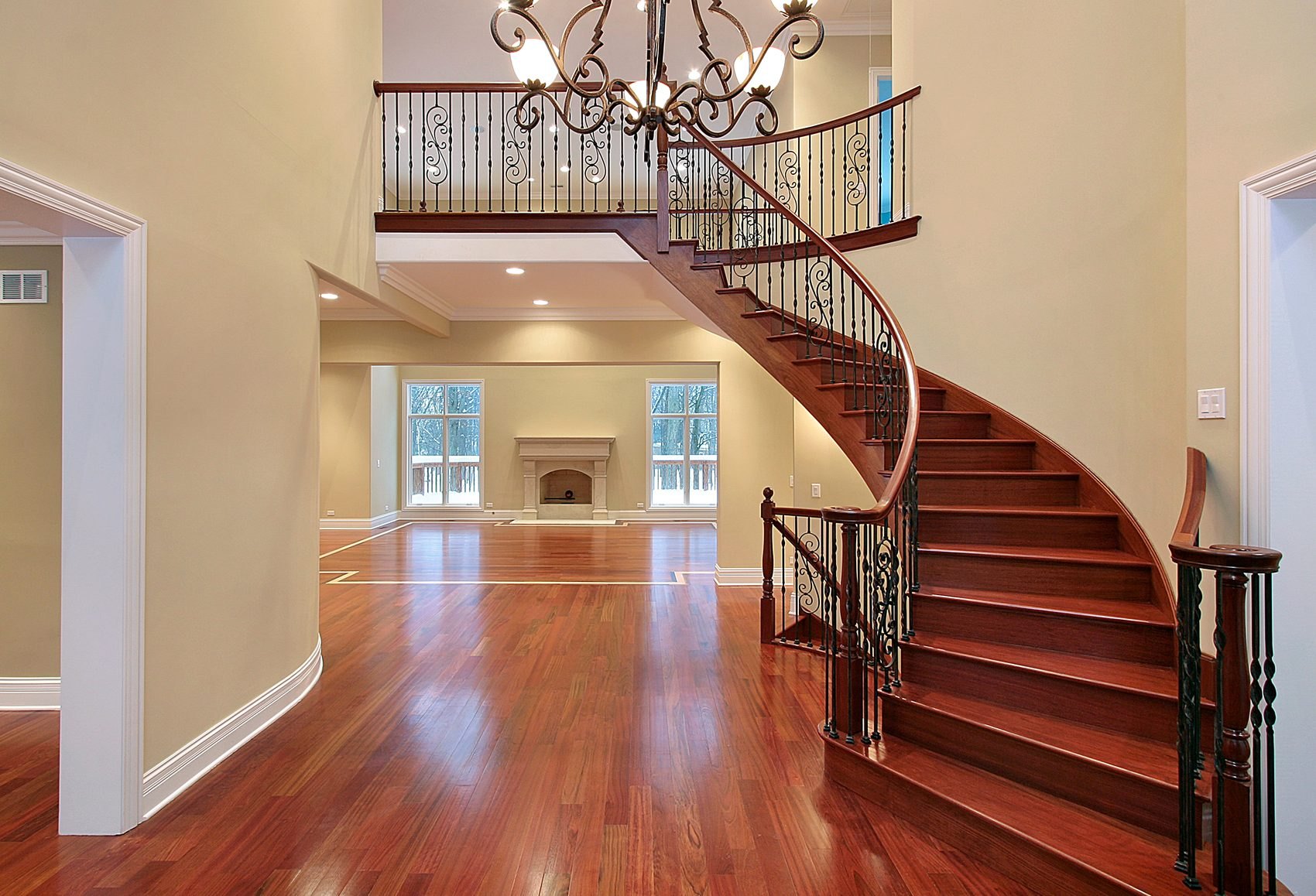
A warm, slightly reddish tone suits a traditional home near Buckman Tavern with white painted trim.

Deep chocolate brown, darker than walnut but never black, lends the dining room of a Meriam Hill home a dressier mood.

Near black floors look dramatic in an open plan, but they reveal pet hair and dust fast, something we'll point out before you choose.

 Get your Free In-Home Estimate

Sanding plus clear finish is $2.50/Sq Ft. Stain for a new color is another $2.00/Sq Ft. We can also empty the rooms and return everything afterward for $250.
Often, if the wear layer is thick enough. We check a vent opening or a threshold to see how much real wood is on top before recommending a sanding.
Water based finishes have a much milder odor than oil based ones and clear out quickly with some ventilation. Oil based smells stronger for a few days.
Small gaps can be filled before the final sanding. Wide seasonal gaps that open and close are usually best left alone, since filler can crack as wood moves.
Keep them out of the work area during sanding and finishing. Once the floor is dry enough for bare feet, short supervised visits are okay. Trim nails beforehand.
If it's in the way of the edger, we may remove it and reinstall it after. Otherwise we work carefully around it and keep it covered while we sand.
Two equal payments: one as the first room gets sanded, one after the final finish is down. The estimate costs nothing and shows every line clearly.
Satin is the favorite because it hides dust and small scratches. Matte looks very natural, and gloss gives a bright shine that shows wear more.