Dustless Floor Refinishing
Dust-controlled Inwood sanding needs protection planned. Before job is scheduled, discuss furniture, nearby rooms and the equipment route.



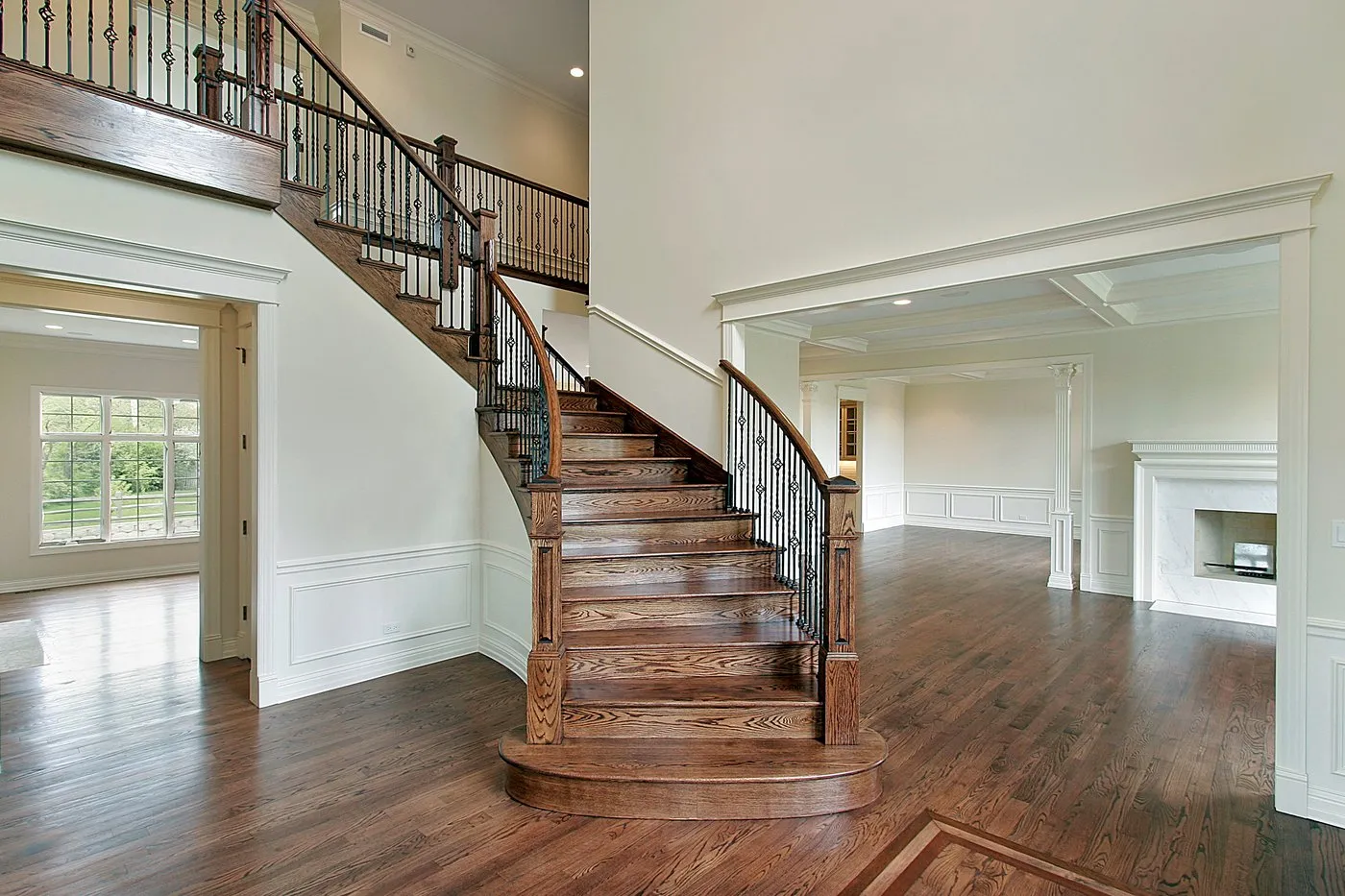
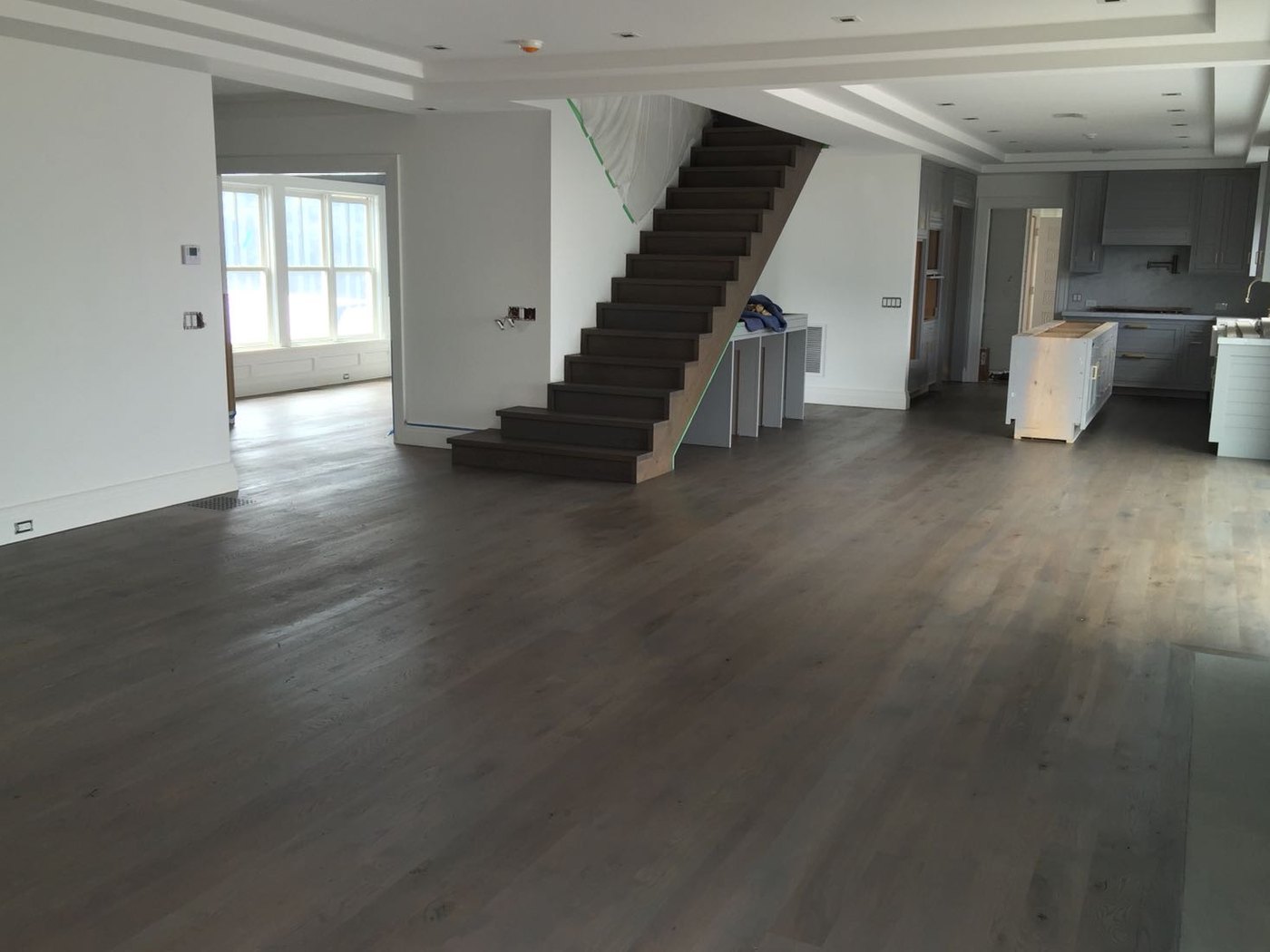

Dust-controlled Inwood sanding needs protection planned. Before job is scheduled, discuss furniture, nearby rooms and the equipment route.

Plan on three to five workdays to refinish in Inwood. Inspect access and timing once the crew checks repairs and the topcoat schedule.

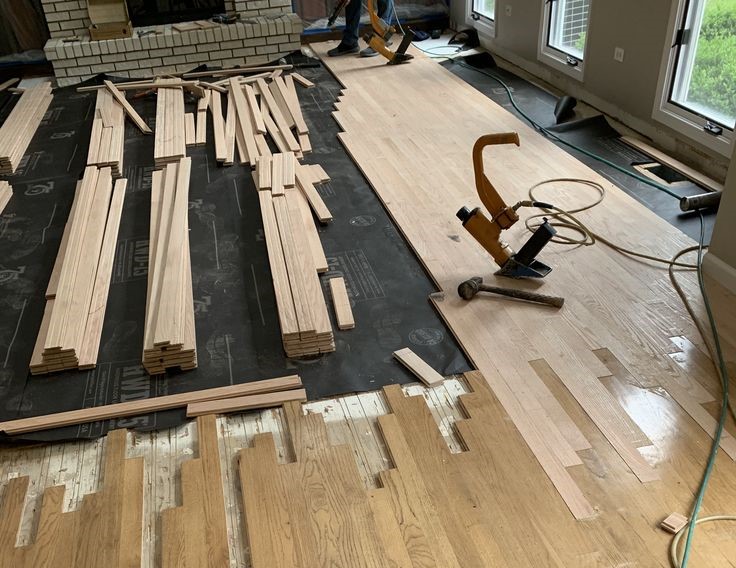
Define board repairs before sanding. Review new stock with retained flooring and include patched areas in the color sample.

Inwood's refinishing workmanship terms provide one year of coverage. Retain finish documentation and written care guidance.

Inwood natural flooring can use clear protection without stain. Verify its effect on the prepared hardwood.
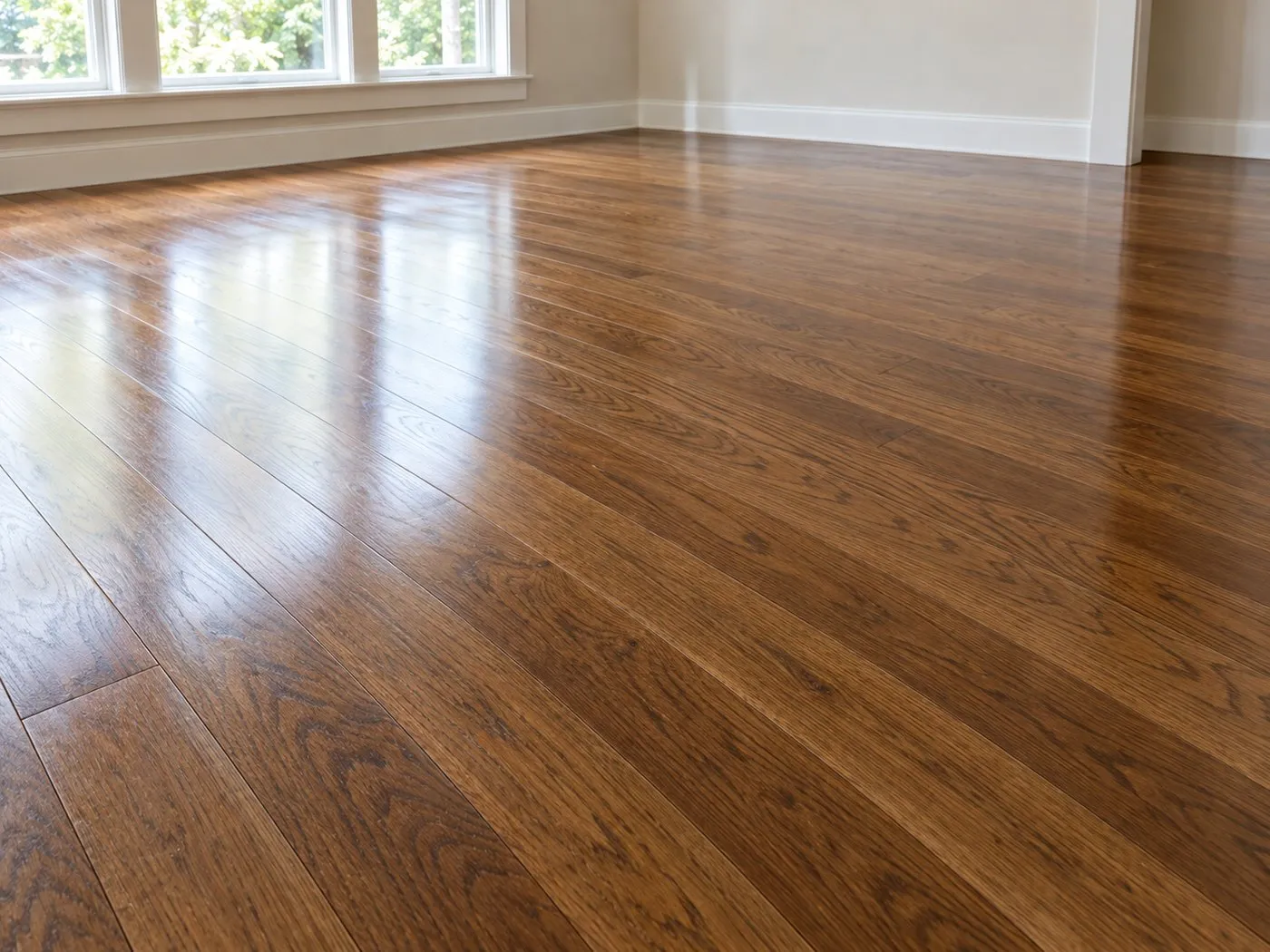
Test Special Walnut on the floor’s species. Verify the coated sample alongside trim and fixed cabinetry.
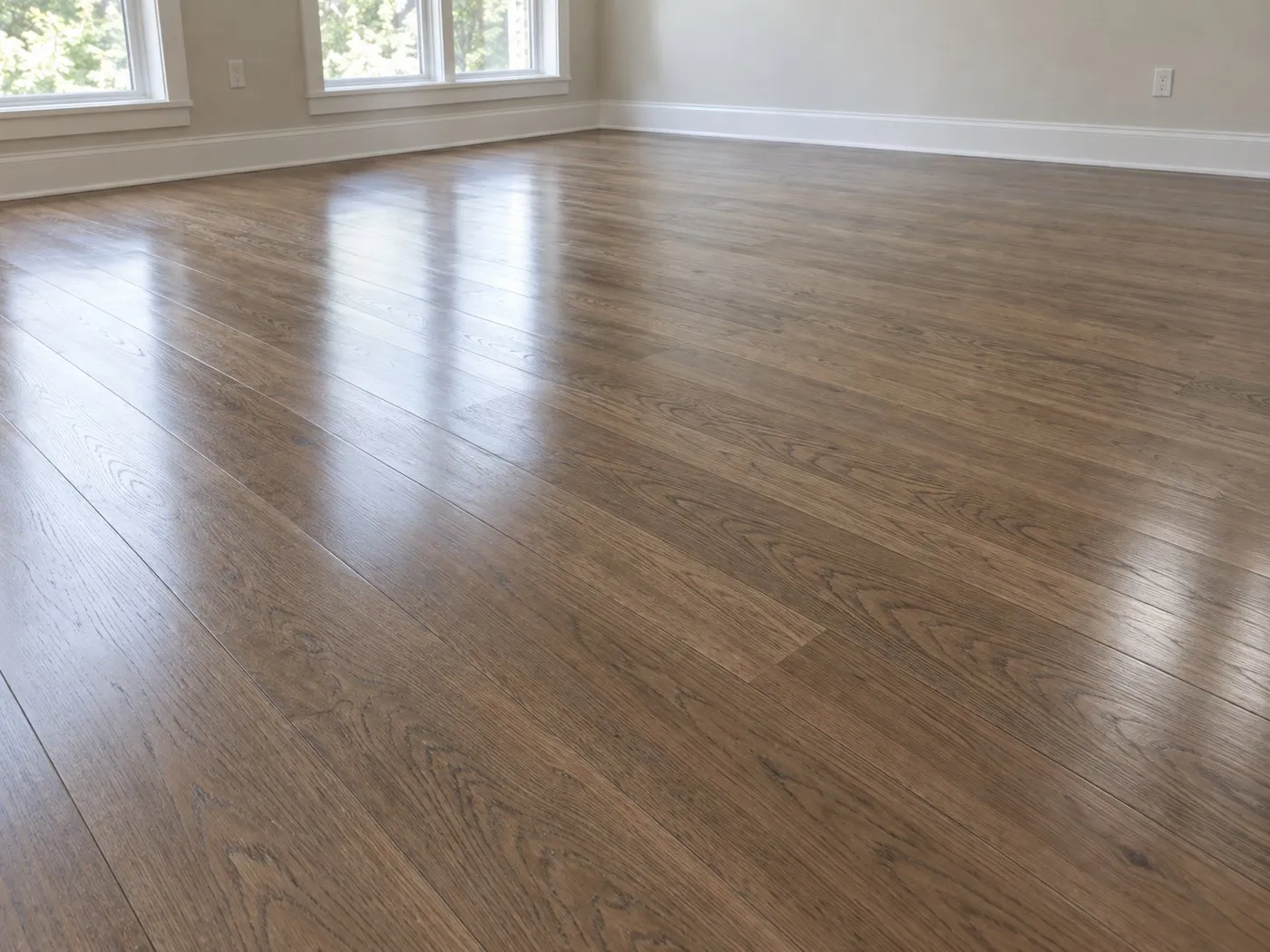
Inwood Provincial samples should show your intended coating and be reviewed beside the remaining trim.

Sample Early American on Inwood prepared floorboards. Assess the completed sample against older doors and trim.

Inwood Dark Walnut approval should include old repairs. Examine the color depth with the retained room features.

Jacobean on Inwood wood needs sample testing. Check your color and finish on repairs as well as old boards.
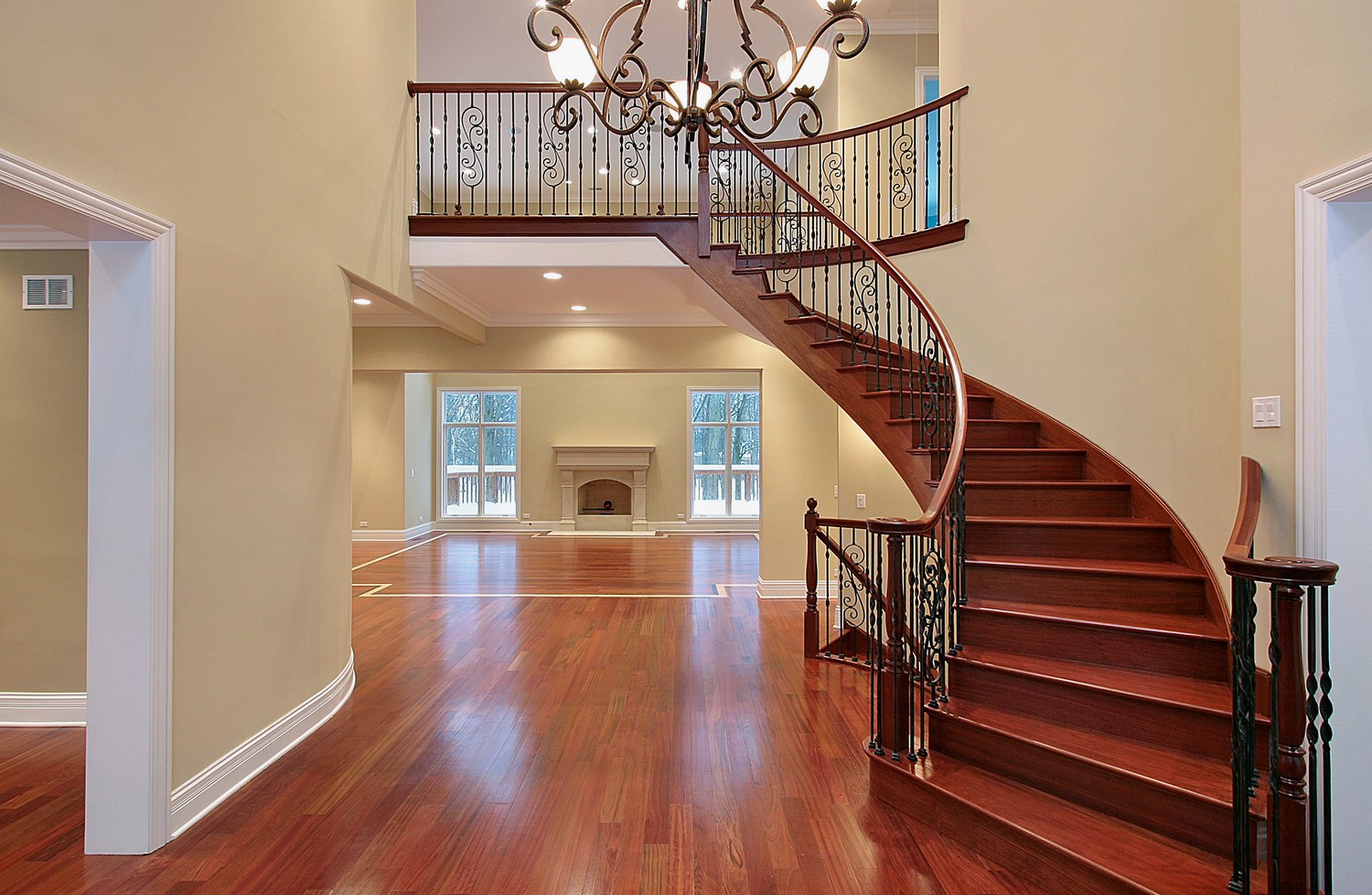
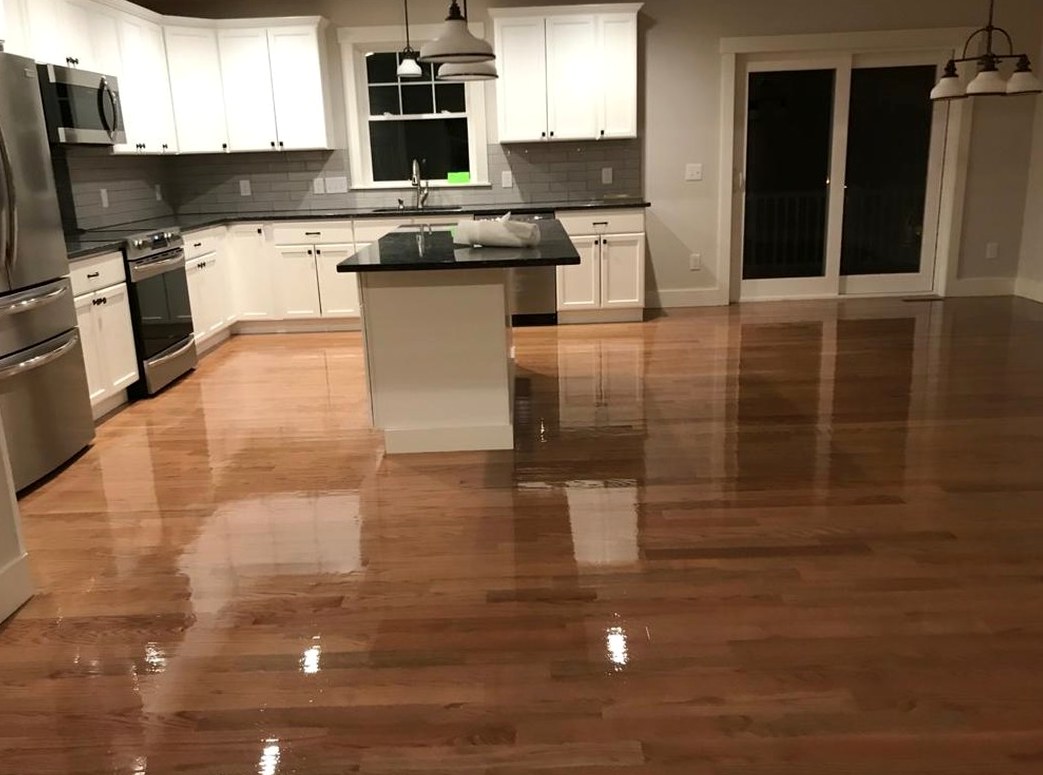
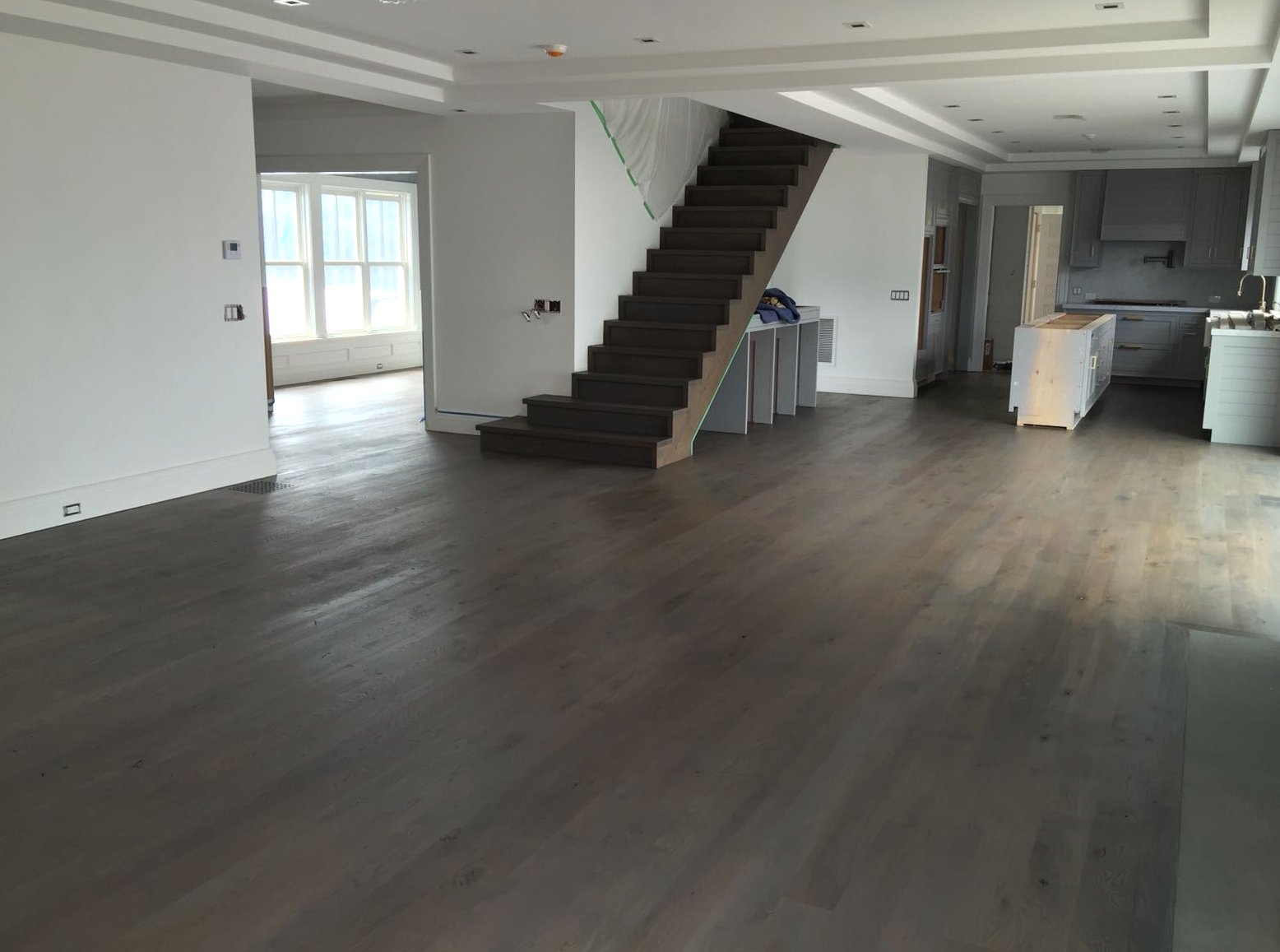
 Get your Free In-Home Estimate
Start at a loose edge or a register near the entry. Ask how much usable wood remains above the joint. Where the parquet meets a repaired board near Broadway, compare the two before deciding whether to sand or patch that section.
Show the doorway where the floor changes from your unit to a common hallway or an untreated room. Check the height and direction of the boards on each side. Record where the stain and clear finish will stop before work begins.
Draw the path between the unit entrance and each room people need. If there is no alternate route, discuss phasing or a temporary plan for access. Ask for the return times that apply to the selected finish before setting dates.
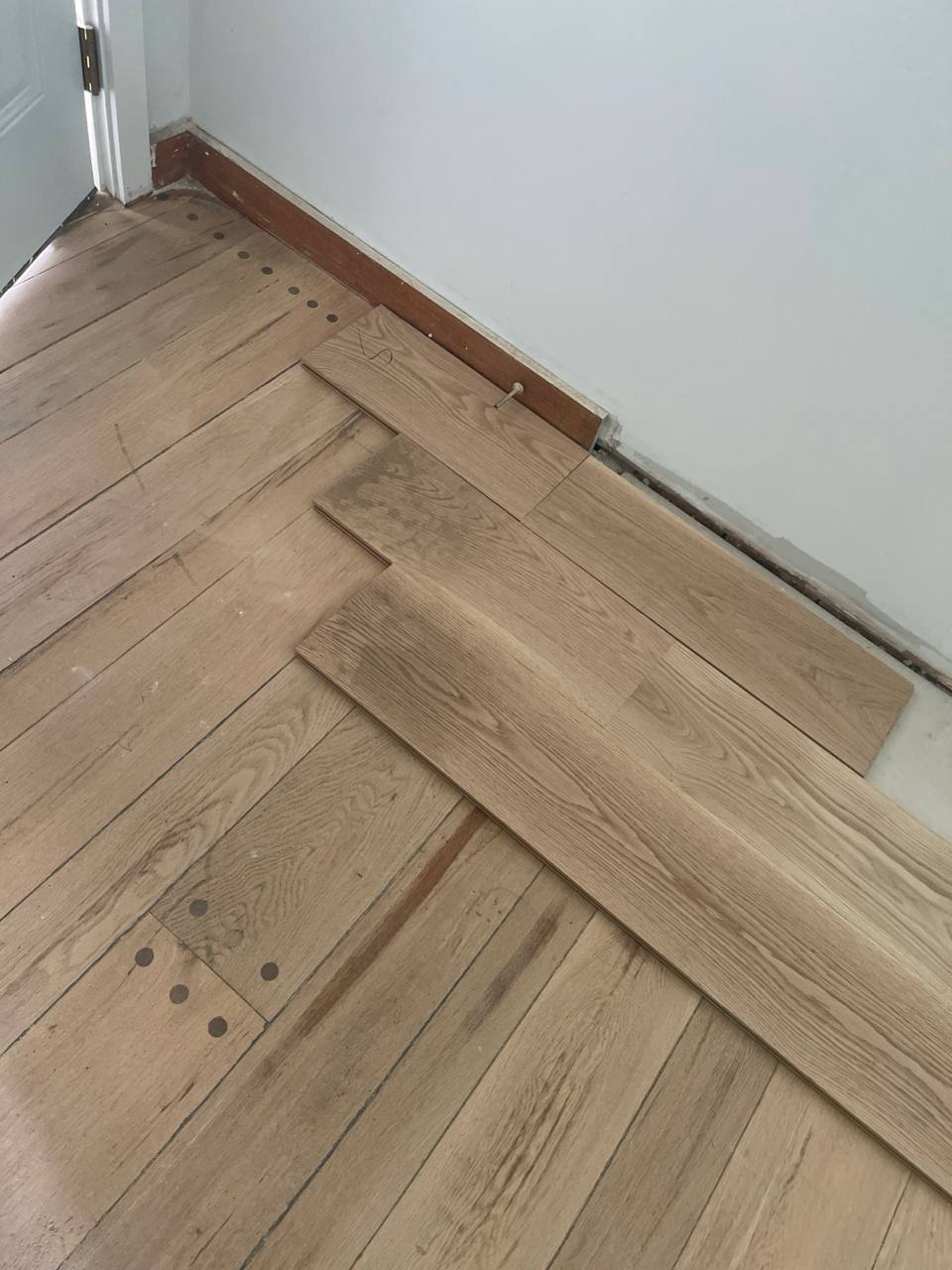
Show the contractor the patch before sanding. Test stain on the replacement piece and on an original block. View both under the proposed clear coat next to the old wood to decide how much difference you can accept.
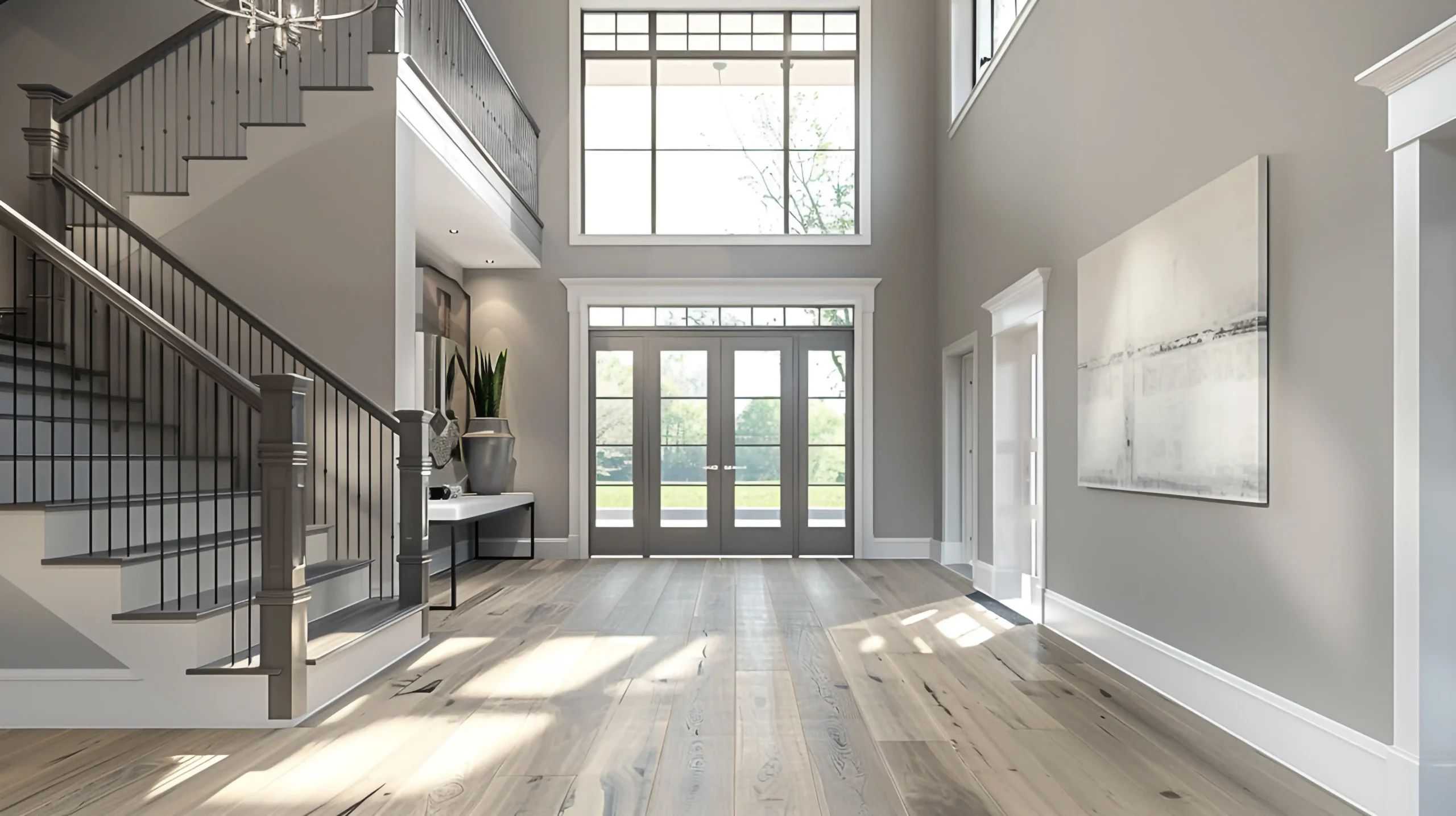
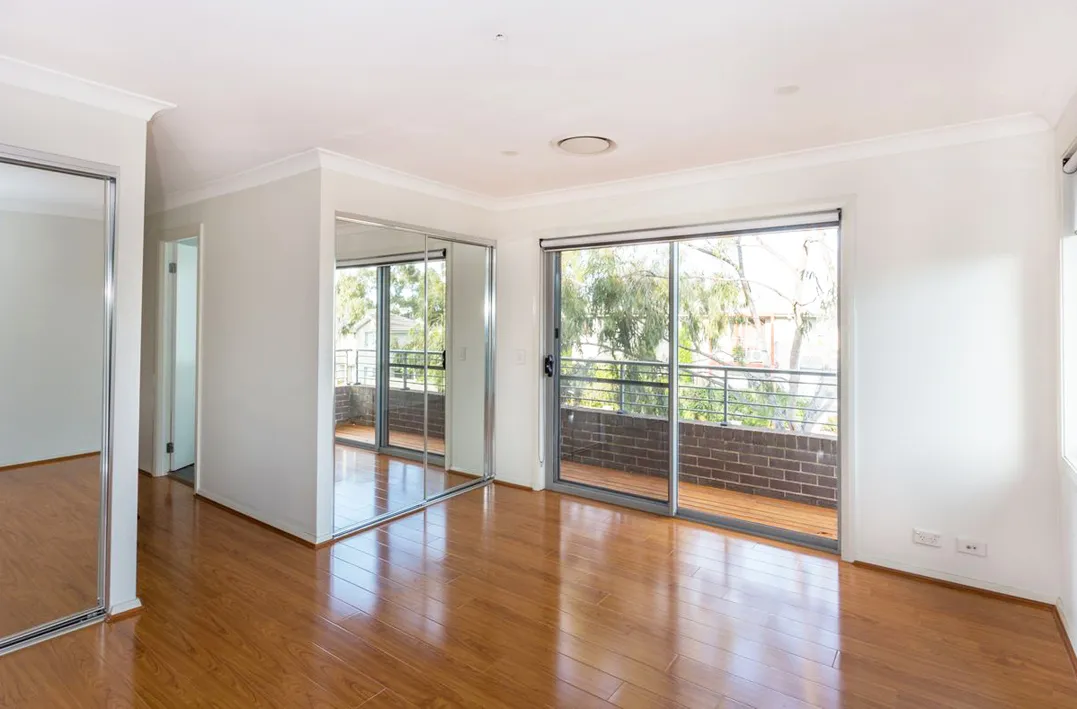
Look at the coated trial when daylight reaches the window and again from the doorway. An angle that highlights scratches can also change how glossy the surface appears. Compare the result with the rooms that will stay untreated.
Ask what extraction the sanding equipment uses and how the crew will protect adjoining rooms. Write down what the cleanup includes and where the equipment will be carried.
Inspect the board before sanding and trace the source of movement. If part of it needs replacing, include the new wood in the finish test and confirm the repair boundary.
Use the cure schedule for the actual finish. Ask for separate times for foot traffic, furniture and rugs, and keep the recommended cleaning instructions.