Dustless Floor Refinishing
Allerton dust-controlled sanding should include protection plus cleanup. Collection reduces dust; remaining particles still need clearing.



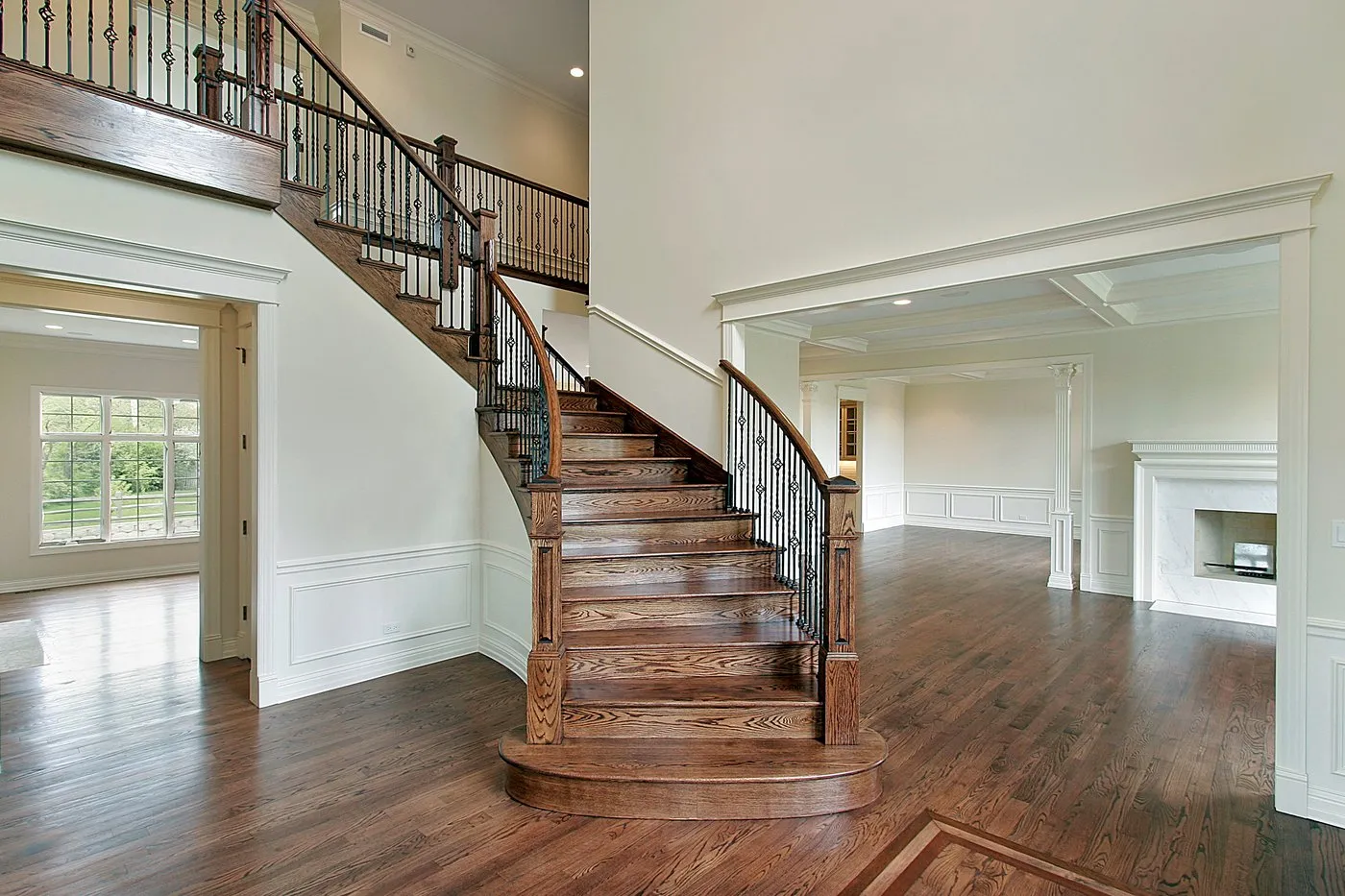
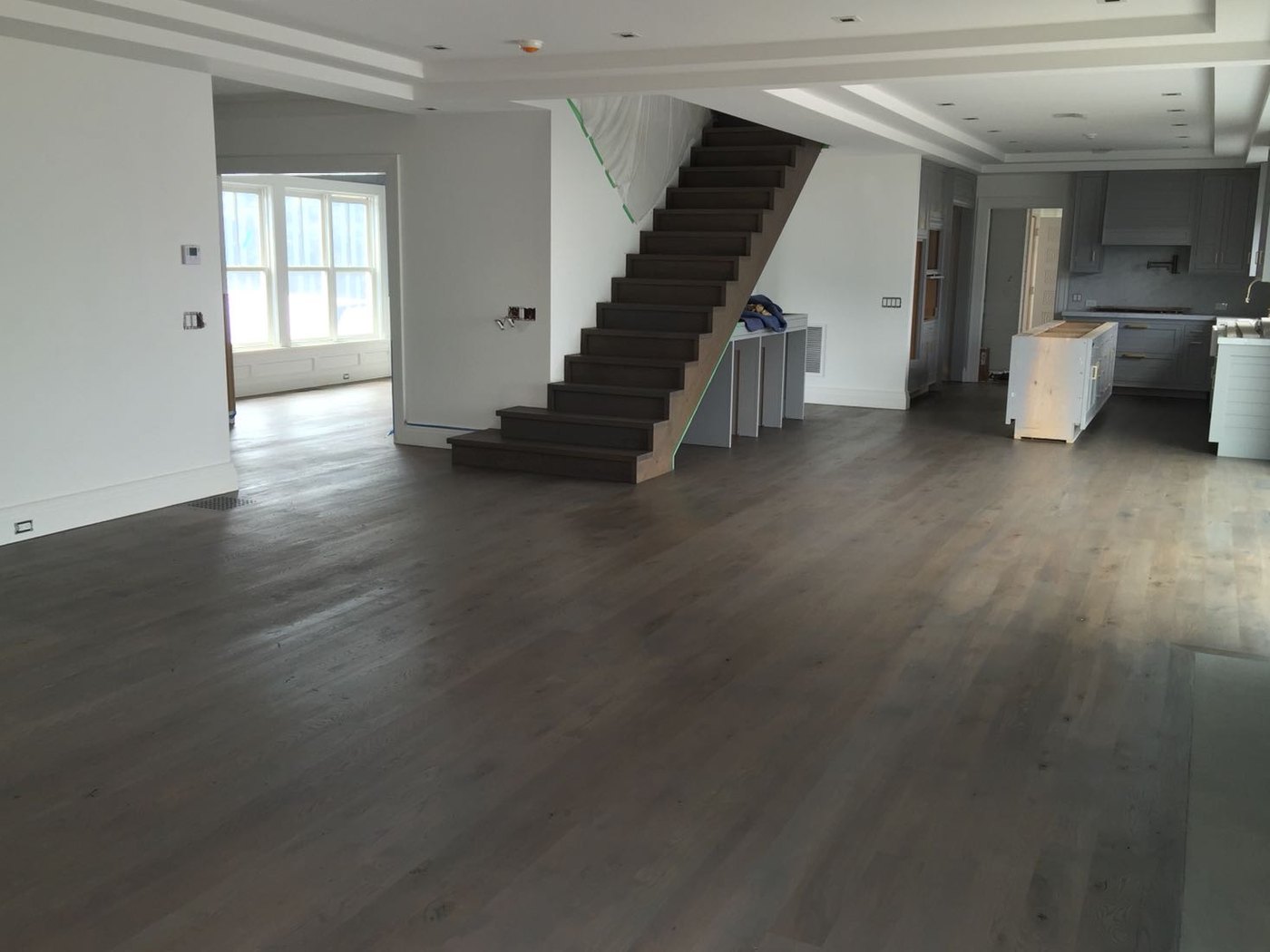

Allerton dust-controlled sanding should include protection plus cleanup. Collection reduces dust; remaining particles still need clearing.

Allow three to five working days for the Allerton refinish, subject to repairs and finish intervals. Confirm the complete scope first.

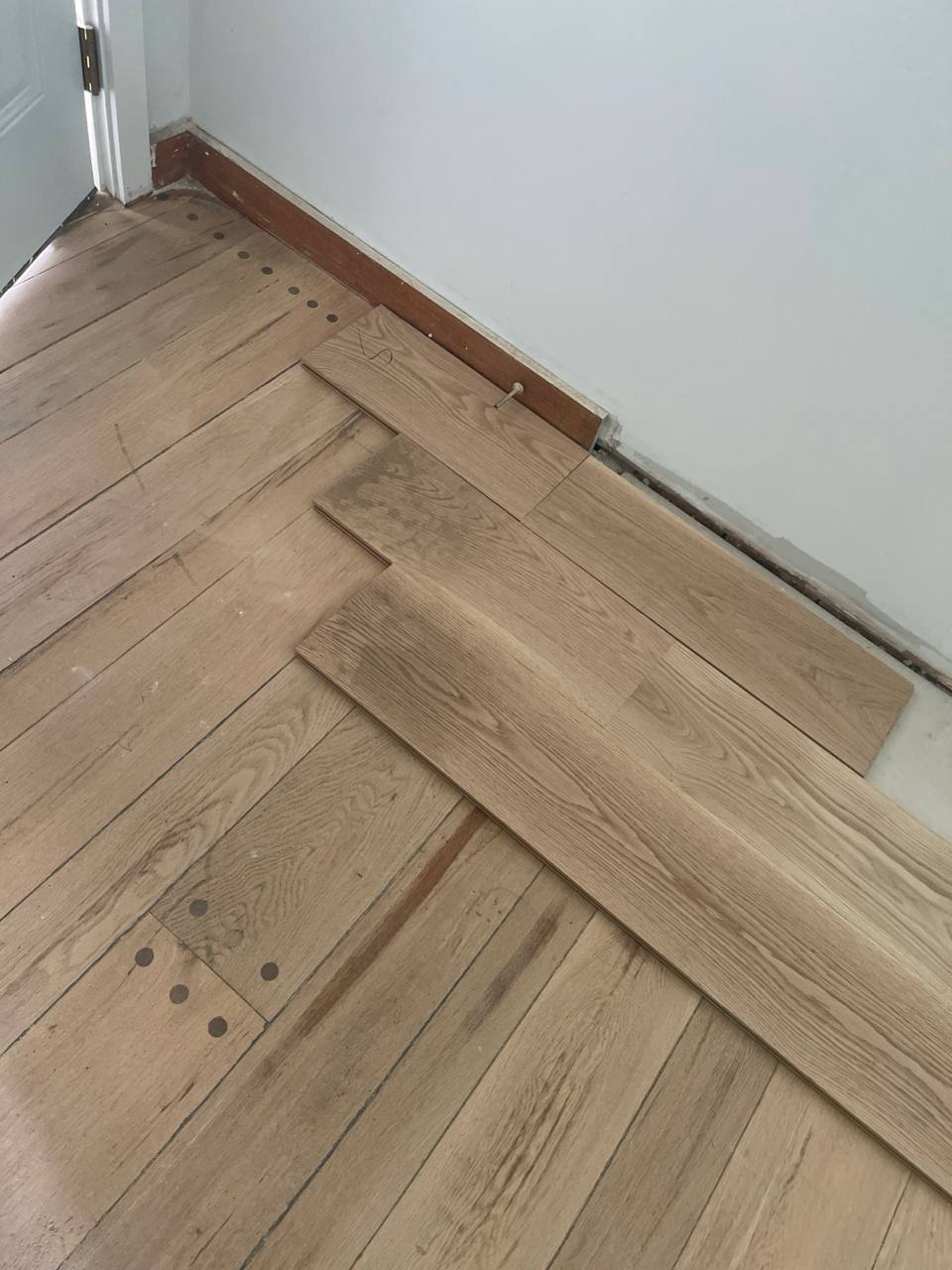
Assess Allerton repair needs before sanding starts. Check cracks, looseness and earlier patches for compatible replacement.

Allerton refinishing includes one-year workmanship terms. Keep the finish record with the coverage details and care advice.

A natural Allerton finish reveals the prepared wood. View a clear-coated sample before selecting the sheen.
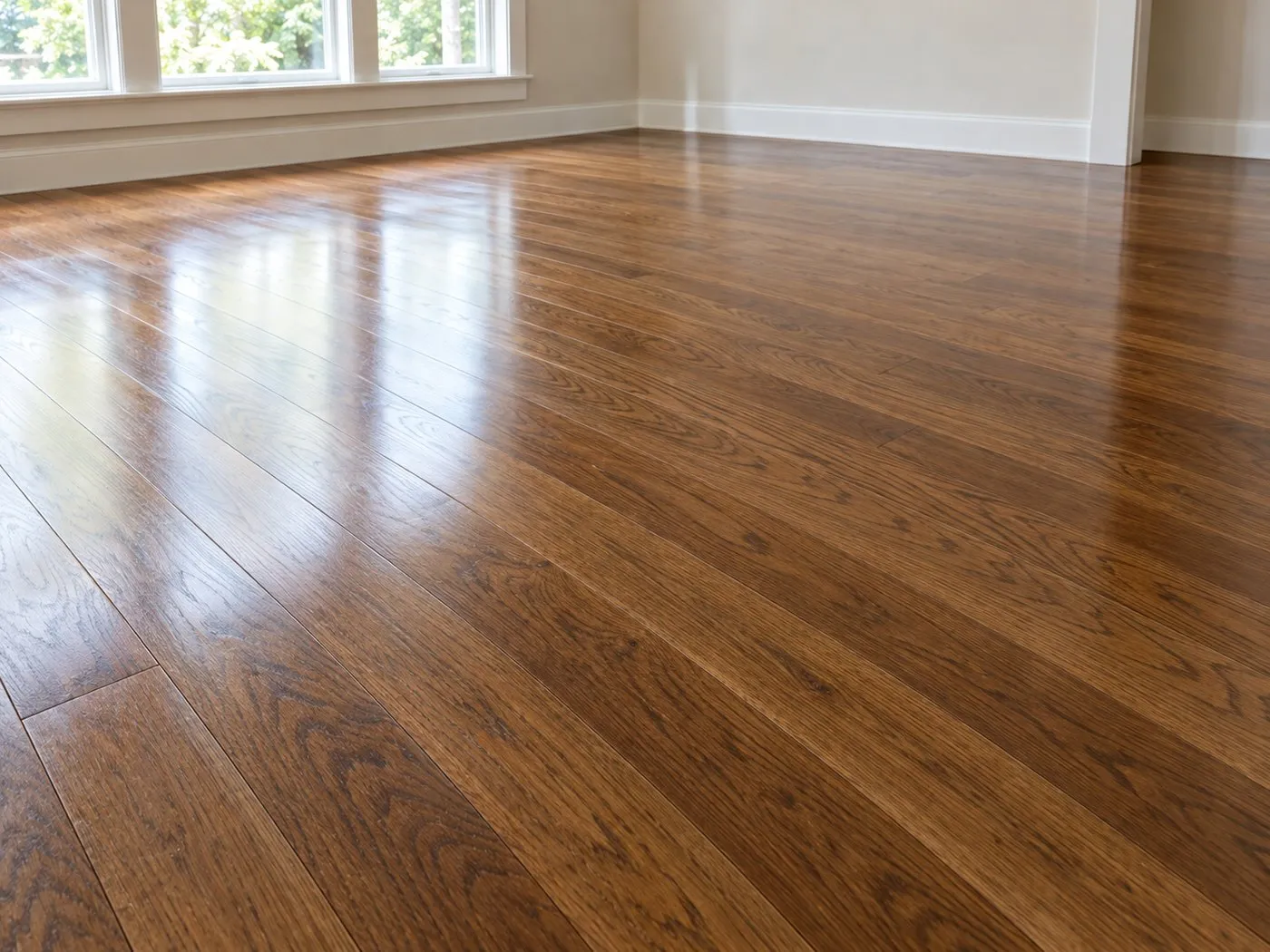
View Special Walnut on Allerton boards with the final sheen. Note variation where repairs meet old wood.
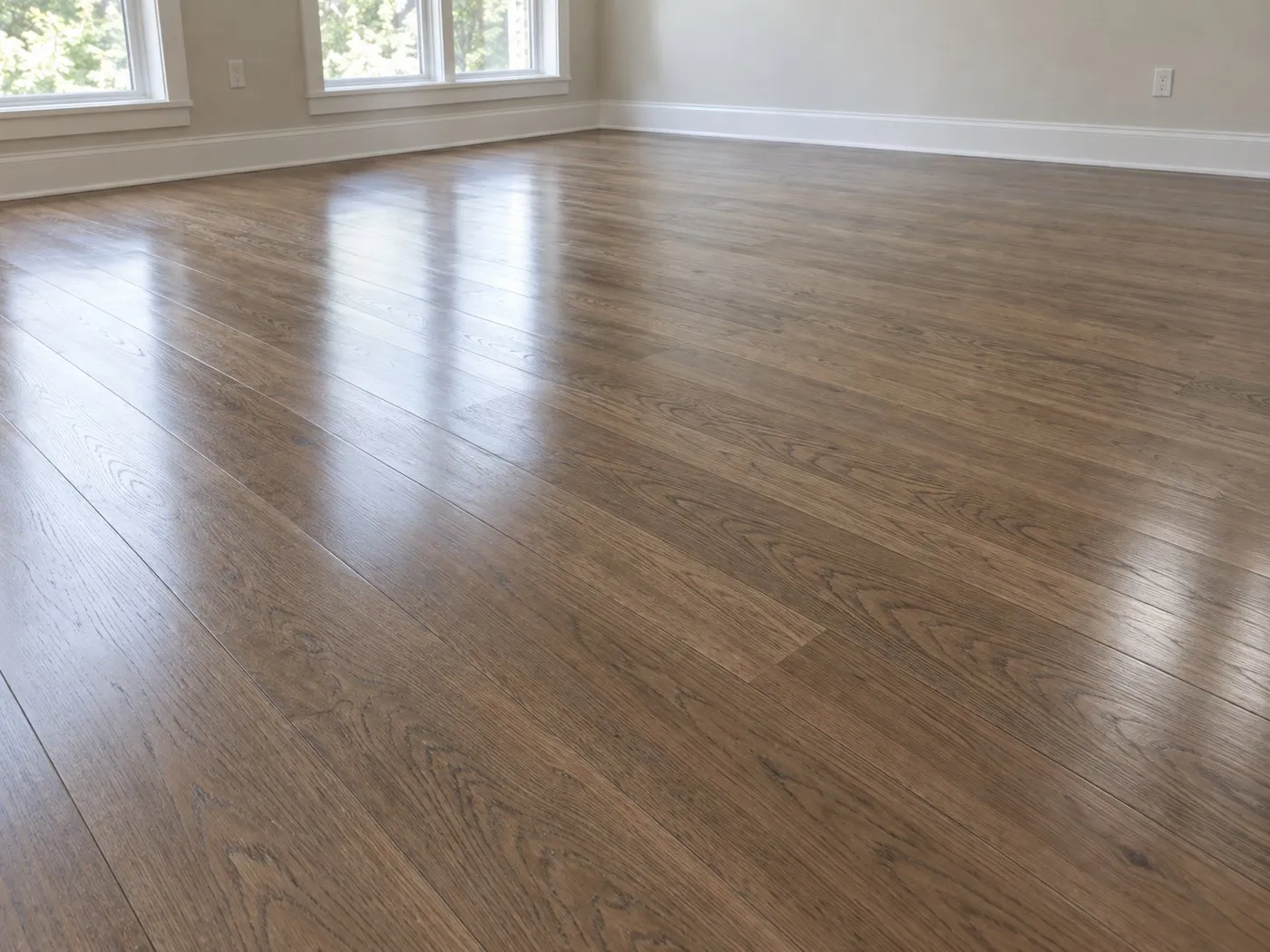
Provincial samples for Allerton should be viewed in daylight and room lighting before sample approval.

Allerton Early American stain can vary with species. Include retained doors and repair sections for comparison.

Compare Dark Walnut against Allerton trim that stays. Approve the stain depth and the planned protective finish.

Allerton Jacobean samples should show color on repaired areas as well as old boards. Review coating sheens.
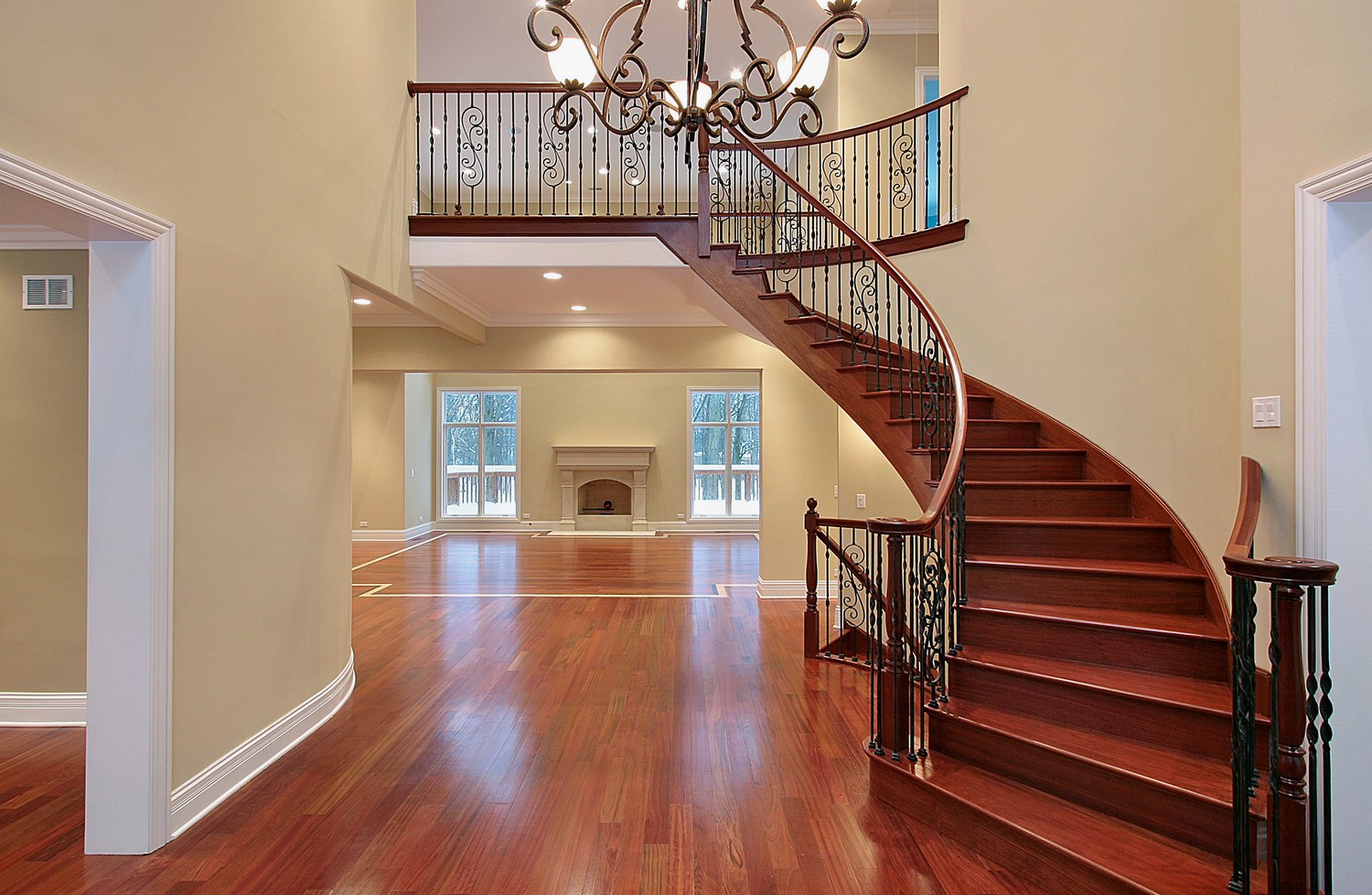
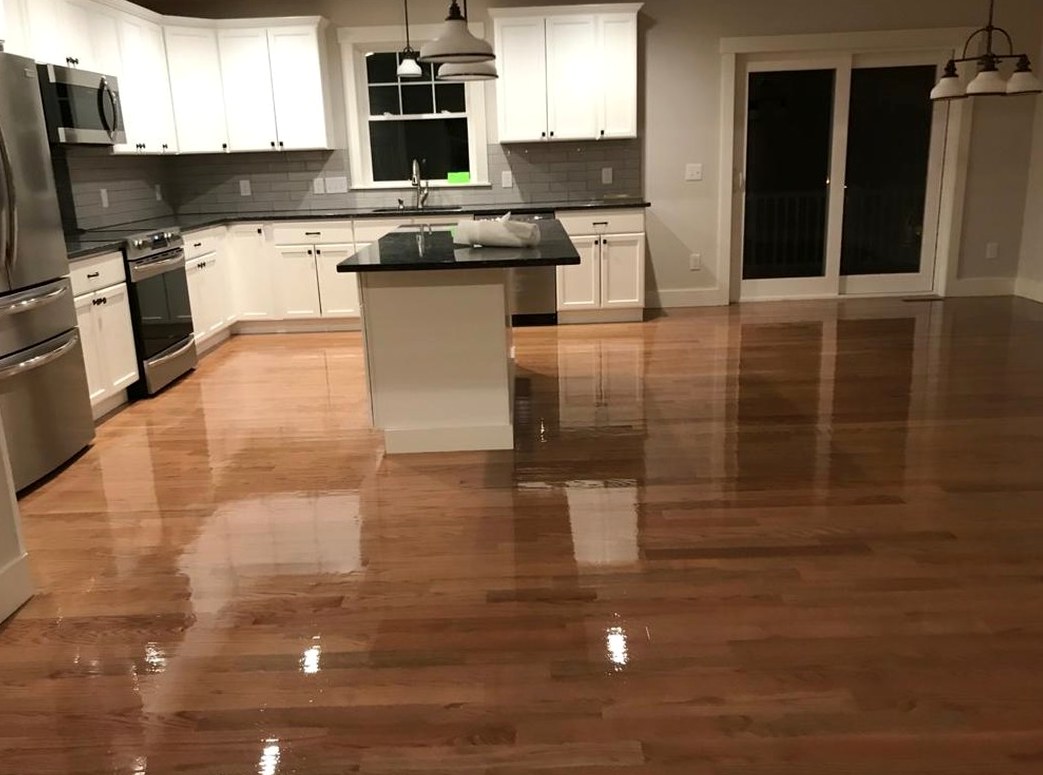
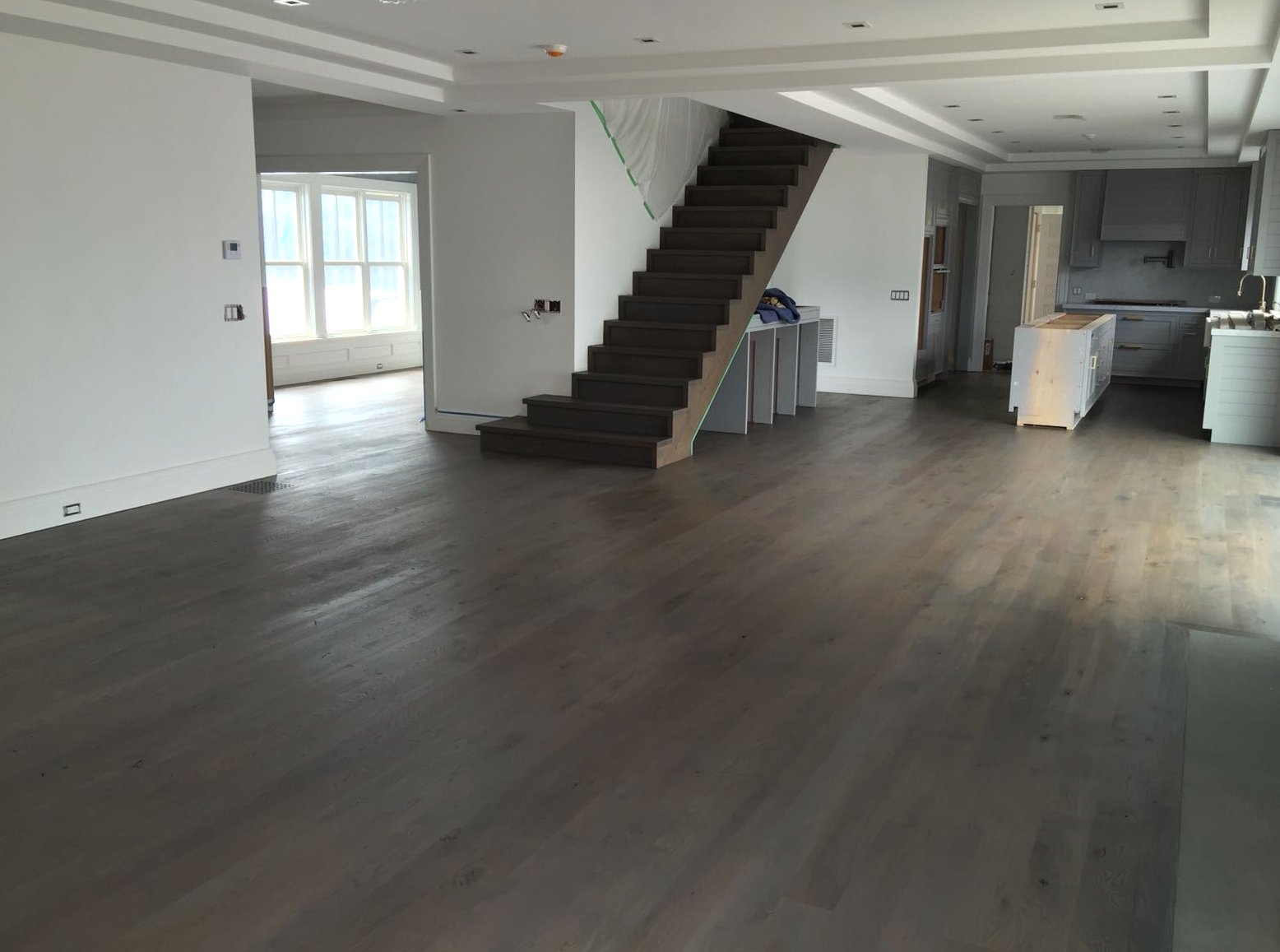
 Get your Free In-Home Estimate
The landmark description of Allerton's Coops records walk-up buildings and courtyard entrances. If your apartment has that kind of route, explain the flights and turning points before arranging sanding. Confirm the entrance permitted for equipment and how shared surfaces will be protected. The proposal should account for getting equipment into the actual rooms, without assuming access through a street-level doorway.
In a local apartment reached from a common hall, identify which internal route connects the rooms being restored with the entrance. Discuss how the household will use the remaining space while that route is unavailable. Agree on furniture moves, separation from sanding and the coating boundary in advance. Shared corridors and stair landings should not be assumed available for furniture storage.
NYC's construction-noise guidance sets normal weekday daytime working periods and distinguishes specific exceptions. Sanding in an apartment must also fit any building arrangements; being near a busy commercial street does not remove those obligations. Confirm an authorized schedule before booking the work. Then discuss coating intervals separately, because a room may remain unavailable after the noisy preparation has ended.
The city lists floor resurfacing among examples that can proceed without a work permit, while other rules and contractor requirements still apply. If the assessment reveals structural repairs or the project changes more than the finish, seek guidance for that additional scope. For a managed Allerton building, coordinate access and owner approval even when the surface work itself is exempt.
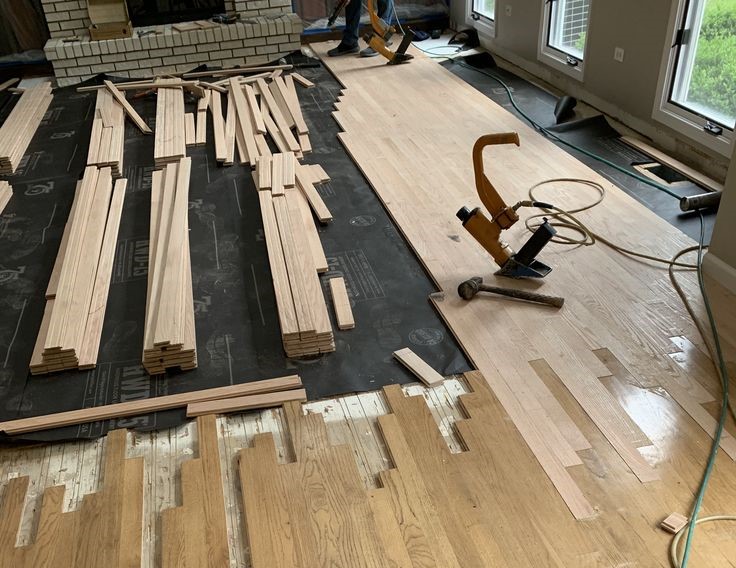
Inspect the board construction and evidence of earlier sanding or repairs. Restoration should stay within the usable wood, with unsuitable areas addressed before sanding is agreed.
Yes. Collection controls dust during the work, while separation and cleanup address what remains. Include both in the planned preparation of the home.
View the actual samples on prepared flooring with the intended topcoat. Existing repairs and wood species can produce differences that a printed color chart will not show.
Follow the selected coating's guidance and the agreed schedule. Walking, furniture placement and rugs may have different return times, so confirm each before the room is cleared.