Samples on Your Own Wood
Vinegar Hill stain sampling should include different board sections. Ahead of approval, review the dried color with old trim.



Vinegar Hill stain sampling should include different board sections. Ahead of approval, review the dried color with old trim.

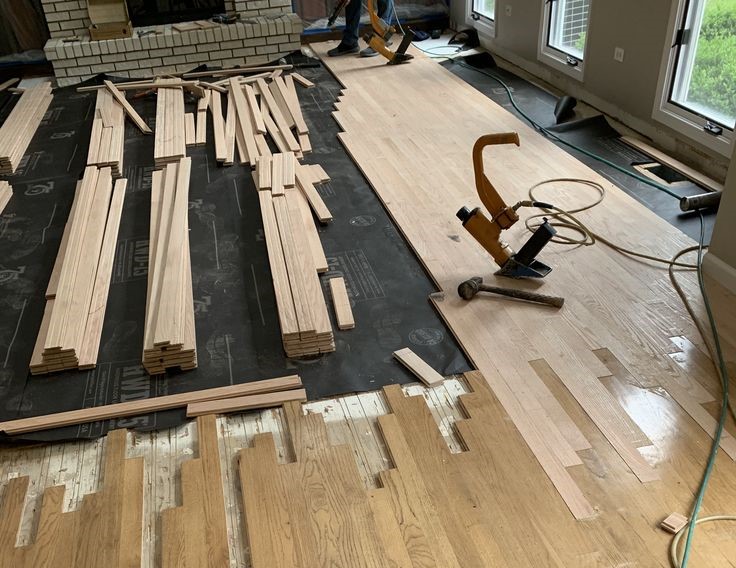
Match the last sanding grit to the wood and finish system. Verify your prepared floor for scratches before applying a test patch.

Consistent sanding and a wet edge help keep finish even. Verify the prepared areas before finish rooms that share an opening.

Keep the one-year staining workmanship terms with the approved trial, the product details and care guidance for the finish applied.


 Get your Free In-Home Estimate
Compare a coated sample close to the wall with a second one in open light. Include the wood species you want to keep and review the shade with the proposed sheen.
Prepare a sample on both materials with the actual topcoat. Note color variation beside the same trim before approving how the sections meet.
Use sample areas of similar size and view them from the entry. Check how both read against the existing casing in daylight and after sunset.
Test a finished tread beside the loft flooring at the lower and upper landings. Confirm whether the wood and lighting call for a separate formula.
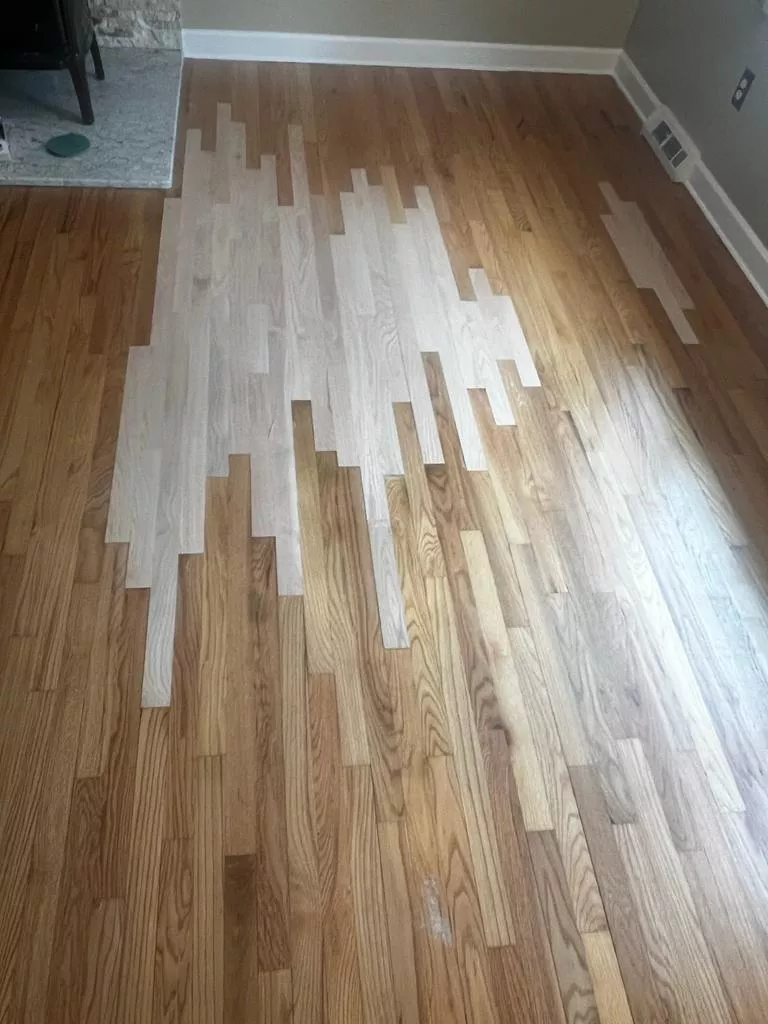
Wood grain, prior finish and surface preparation all affect color. Try the proposed shade beside the original floor and look again after it receives the clear finish.
Use the actual preparation, stain and protective coat on the intended wood. Keep the approved trial for the work.
Check what can safely be removed from the surface. Test a small area and inspect the finished result beside any wood that will stay.
Keep a written record of the stain, wood species and finish. Save a sample if possible and compare future stock before applying the formula.