Samples on Your Own Wood
For color selection near the Delaware River, look at each tone near the trim in afternoon light. That detail helps the crew sample stain on the exposed wood.



For color selection near the Delaware River, look at each tone near the trim in afternoon light. That detail helps the crew sample stain on the exposed wood.

Bring sample placement into the estimate for Port Jervis. We can place samples where different room light reaches them once the rooms have been measured.

Previous finishes can affect the preparation required. During the the Port Jervis station area walkthrough, look at grain and remaining sandable thickness.

At the Front Street estimate, review the labor warranty and start date. Ask how the written coverage applies to retained flooring and trim.


 Get your Free In-Home Estimate
Identify old patches and different board species. In Port Jervis, ask which preparation, materials, and transitions are included in the written scope.
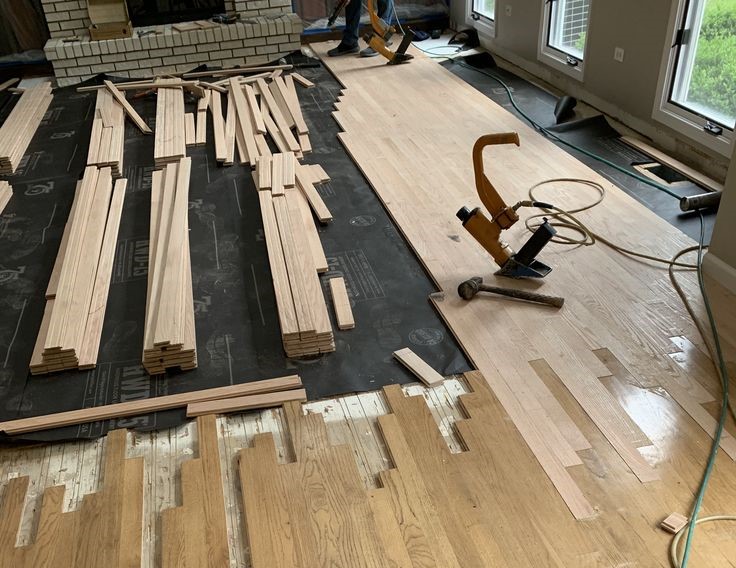
For an older house with a deep front entry near the Delaware River, check the edge of the original boards before choosing how to join them. Medium colors can show variation where wood changes species. Review that detail while the existing surface is still in place.
Compare the stain with the planned topcoat. Follow up with the crew about how to check the sheen against walls and trim.
Bring up the light and natural tones when we review the rooms in Port Jervis. Keep a natural sample in the comparison.
Medium colors can show variation where wood changes species. Before the visit, test a midtone beside darker furniture and trim.
Check how grain and small marks show through. In Port Jervis, view dark samples where light crosses the floor before committing to the plan.
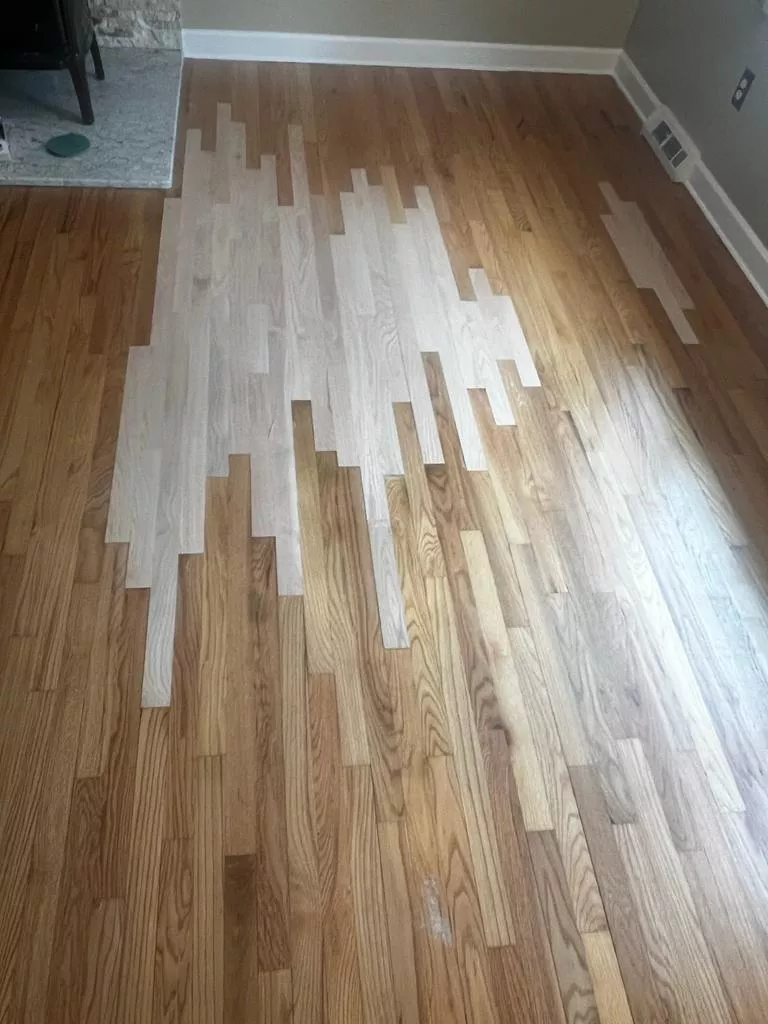
Different ages of wood can keep some visible variation. For the Port Jervis estimate, look at the boundary from both sides of a doorway.
At the Port Jervis visit, compare floor and stair samples side by side. An exact match may be impractical when the grain differs.