Samples on Your Own Wood
View North Salem stain samples on wood beside existing finishes. Assess the shade in room light before selecting the coating.



View North Salem stain samples on wood beside existing finishes. Assess the shade in room light before selecting the coating.

Assess the old finish and sanding marks before preparation. Use the stain system’s grit sequence for the existing wood condition.

Even stain depends on consistent preparation and application. Read the system’s steps to control overlaps at edges and joins.

North Salem staining has one-year labor terms. Retain the sample approval, product data and care guidance with the signed proposal.


 Get your Free In-Home Estimate
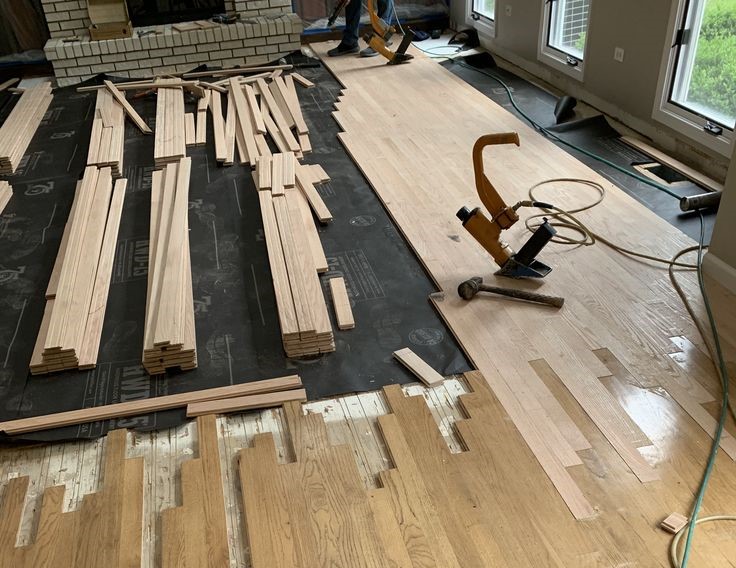
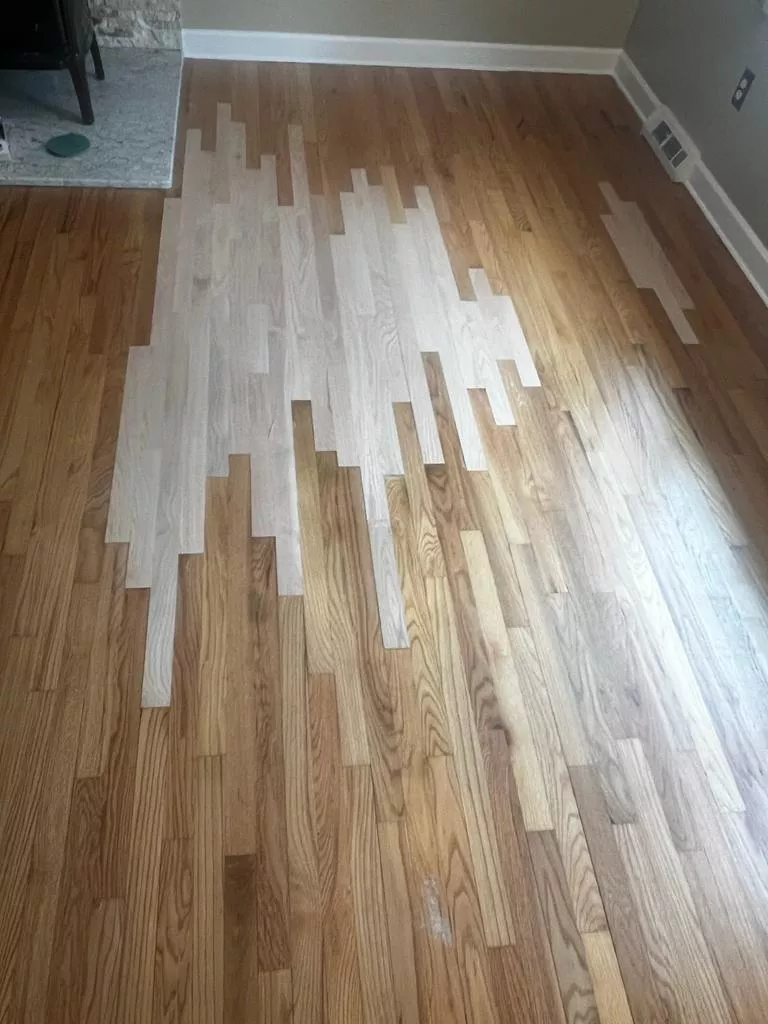
Prepare a test area on the same wood and review it with the intended finish. The stain shown on a chart can look different on your boards. For a sample pair for original boards and later replacement wood, point out the exact spot during the estimate.
Species, grain and prior repairs affect color uptake. Test the old and replacement boards separately before approving a formula.
Compare dry samples near the window and under the room’s normal lights. Check from the adjoining hall too if the two floors meet. Bring a photo of a sample pair for original boards and later replacement wood if it is part of the plan.
Test each surface because the woods and preparation may differ. Two formulas may be needed to bring the finished colors close.
Inspect the wood and any previous color before sampling. The available shades depend on the prepared surface and what earlier treatment can be removed. For a sample pair for original boards and later replacement wood, point out the exact spot during the estimate.
Pick a natural boundary and compare the new sample with the retained floor. Finish type and age can make a visible difference at the doorway.
Look at the sample with the proposed topcoat as well as the stain. Sheen and the finish itself can change how the color reads. Bring a photo of a sample pair for original boards and later replacement wood if it is part of the plan.
Keep the sample with its species, stain and finish details. If a second area has different wood, record that sample separately.