Samples on Your Own Wood
View a dried sample on the prepared boards before authorizing the color. Review the change in height at the threshold. Show where the new flooring will stop.



View a dried sample on the prepared boards before authorizing the color. Review the change in height at the threshold. Show where the new flooring will stop.

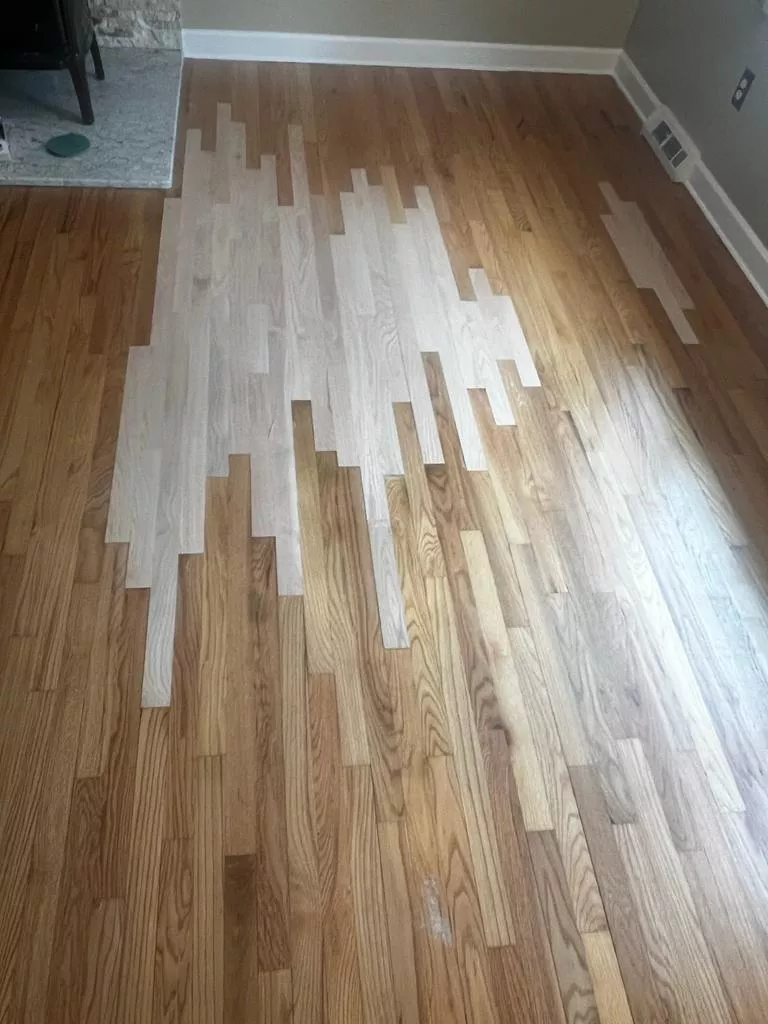
Compare repairs with adjoining floorboards under the proposed topcoat. Measure the widest turn on the delivery route. Check which work is included in the quote.

In Kinderhook, check whether previous sanding leaves enough usable wood. Confirm which work is included in the quote. Set aside an example of the existing material.

Near Village Square, keep the final color and protective finish details with your quote. Ask whether the adjacent room needs separate work.


 Get your Free In-Home Estimate
Include the prepared wood in your photos and show where the existing work meets the new scope. Discuss the on-floor color sample before choosing the material or finish.
Check building or property access and share any photos of the protective topcoat. Let us know which areas need to remain usable while the work is under way.
The wood's species, preparation and room light affect the sample. Test it beside the trim you intend to keep.
They can share a chosen color if testing is satisfactory. Different wood can still absorb it differently, so inspect both samples.
A color change may reduce contrast, but grain and prior repairs can remain visible. Include those spots in the sample review.
Compare a clear finish sample to the stained options. The chosen topcoat can affect how the wood reads in the room.
Sheen alters reflected light. Compare approved samples with the protective finish applied.
It may be possible if there is a suitable boundary. Decide how the new shade will meet adjoining rooms before the work starts.